Louvre Or Musée d'Orsay: Which Paris Museum Should You Visit First?
Most Paris itineraries squeeze both the Louvre and Musée d'Orsay into a single frantic day. The two museums reward completely different pacing, cost different amounts, close on different days and are free on different days of the week entirely. Here is the comparison settled on your terms, not on a ranking.
Short answer
The Louvre charges €32 for visitors from outside the EEA, €22 for EEA visitors, closes Tuesday and is free the first Friday evening of the month. Musée d'Orsay charges €16 online, €14 at the door, closes Monday and is free the first Sunday. Orsay is finishable in two or three hours. The Louvre is not finishable at all.
Louvre Or Musée d'Orsay: Which Paris Museum Should You Visit First?
The Louvre is the larger, slower, more exhausting museum and holds the most famous paintings on earth. Musée d'Orsay is smaller, calmer and genuinely finishable in one visit. If you have a single day for art in Paris, Musée d'Orsay rewards it more completely. If the Mona Lisa matters to you, only the Louvre will do, and you should plan the visit around the crowd, not around the collection.
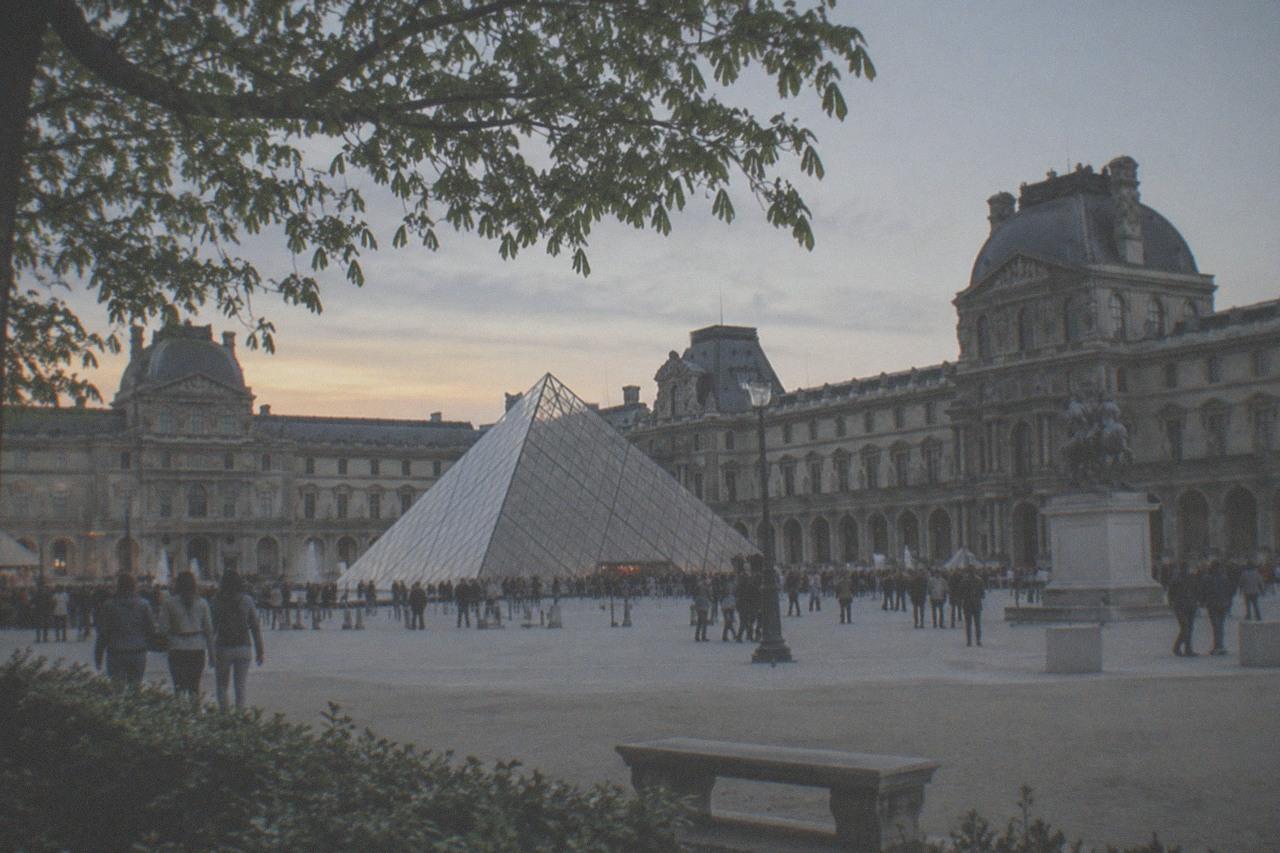
The honest framing for this comparison is that the two museums are not really rivals. The Louvre is a former royal palace holding a collection that runs from ancient Egypt and Mesopotamia through to the mid-19th century, and its three wings are arranged around the pyramid entrance. Musée d'Orsay is a converted railway station on the Left Bank that picks the story up exactly where the Louvre leaves off, with the world's densest concentration of Impressionist and Post-Impressionist painting. Two museums, one continuous art history, split by a river and about twenty years of painting.
Visitors decide between them for practical reasons far more often than for curatorial ones. The museums close on different days, so a Tuesday visit rules out the Louvre and a Monday visit rules out Orsay. They cost different amounts, and since the Louvre introduced a two-tier price, the gap for a non-European visitor is now substantial. Their free days differ not just in date but in kind, which is a detail most published comparisons get wrong. This Paris Museums guide settles each of those differences in one place, then gives a straight verdict for each type of traveler.
The scale difference is the first thing any returning visitor mentions. The Louvre's three wings, Denon, Richelieu and Sully, are arranged around the pyramid entrance, and the walking distance between the far corners is measured in hundreds of meters of gallery corridor. Orsay fits into a single grand hall with two sculpture terraces and a fifth-floor painting gallery at the end of a famous clock corridor. One is a small city of art. The other is a building you can hold in your head.
How Do The Two Collections Actually Compare?
The Louvre owns the older half of art history: Egyptian antiquities, Greek and Roman sculpture, Renaissance and Baroque painting, including the Mona Lisa and the Venus de Milo. Musée d'Orsay owns the modern half of the 19th century: Monet, Renoir, Van Gogh, Cézanne, Degas and Manet. If you want the Mona Lisa, you are going to the Louvre. If you want Impressionism, you are going to Orsay, and you will see it better there.
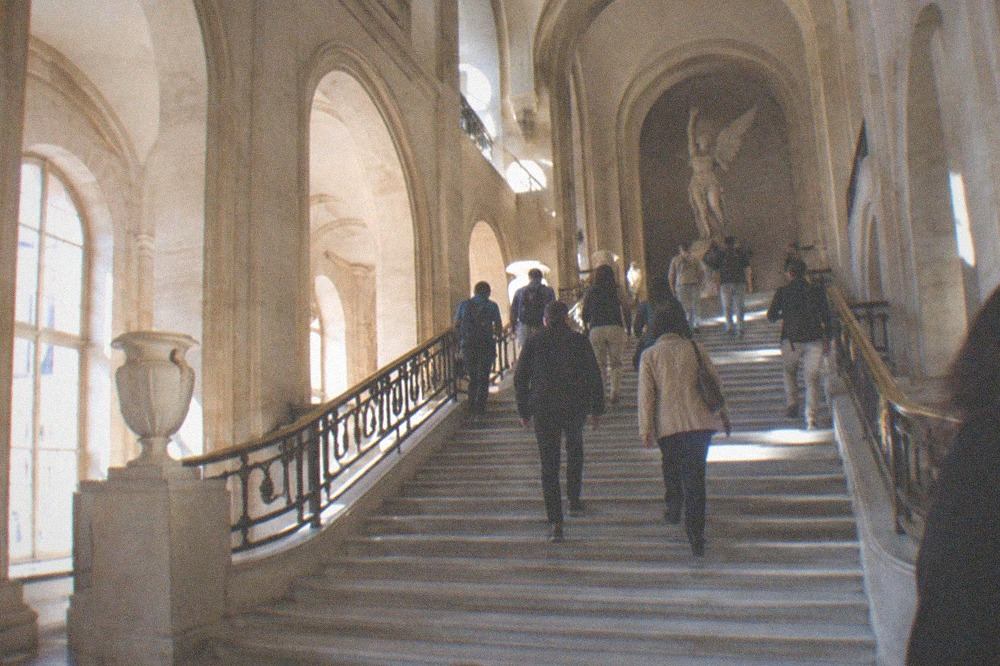
The Louvre's strength is depth in eras that most casual visitors know mainly from school books. The Denon wing's Grande Galerie alone runs hundreds of meters of Italian painting, with Leonardo, Raphael and Caravaggio hung in sequence. The Sully wing carries the Egyptian collection, one of the most complete outside Cairo, and the Greek antiquities that include the Winged Victory of Samothrace on the Daru staircase. The Richelieu wing holds the northern European painters, the decorative arts and the vast Napoleon III apartments. A first-time visitor can spend four hours in one wing alone and still leave whole floors unseen, which is not a flaw, it is simply the size of the place.
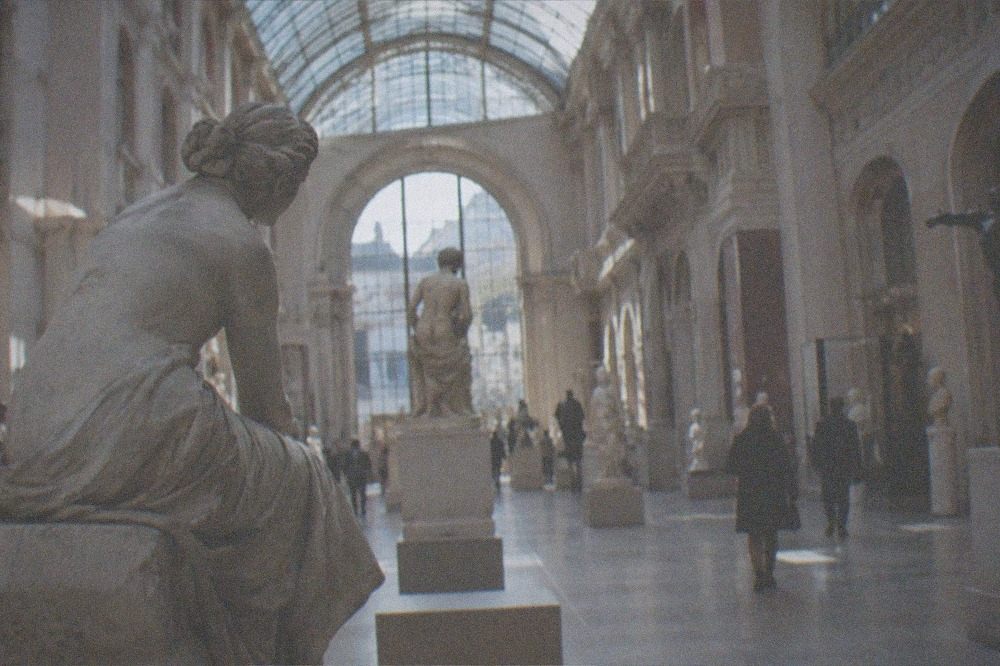
Orsay's strength is intensity in a single movement. The museum was built as the Gare d'Orsay for the Exposition Universelle, later saved from demolition, and its collection covers the second half of the 19th century up to the eve of the First World War. That window contains Impressionism, Post-Impressionism, the Barbizon school and the beginnings of expressionism. The fifth floor holds the Impressionist gallery proper, where Monet's Rouen Cathedral series, Renoir's Dance at the Moulin de la Galette and Van Gogh's self-portraits hang within a few rooms of each other. The ground floor carries the academic painting the Impressionists rebelled against, which gives the whole collection an argument rather than just a highlight list.
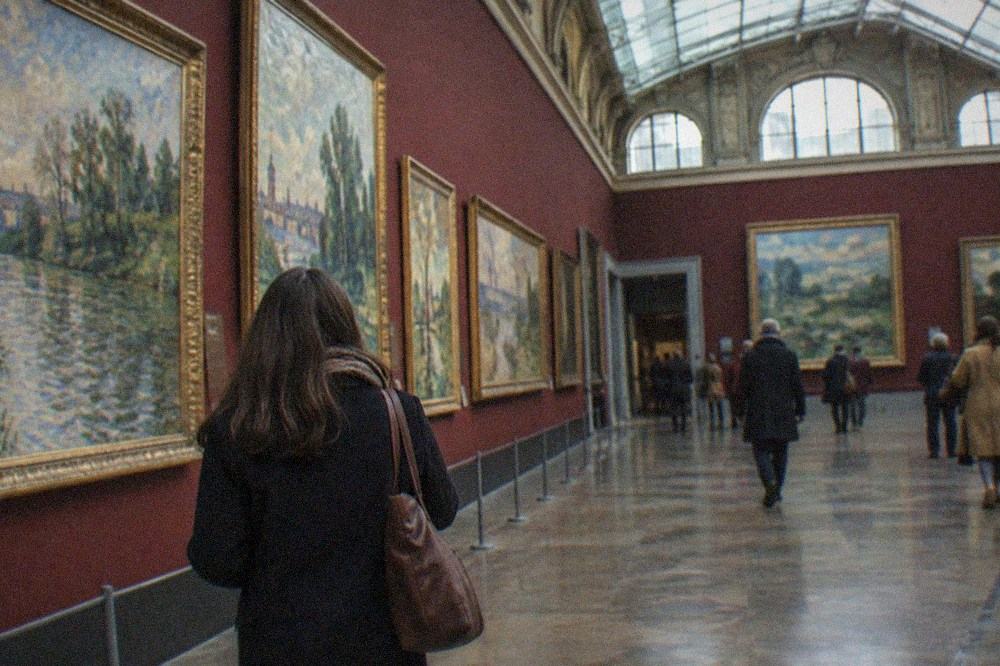
A useful way to think about which collection suits you is what you want to feel at the end of the visit. Louvre visitors describe awe and fatigue in the same sentence. Orsay visitors describe warmth. Reviewers consistently say the Orsay visit feels like a curated experience, where the Louvre feels like a city you explored. Neither reaction is wrong, and the two museums are a short walk apart across the Pont Royal, so the choice is not geographic.
If you are doing both, the collections even dictate an order. Going from old to new, Louvre then Orsay, means the story unfolds forward in time. Some repeat visitors prefer Orsay first, because a museum you can finish builds a sense of momentum that a museum you cannot finish never gives you.
How Much Time Do You Need At Each Museum?
Musée d'Orsay needs two hours for a focused visit and three for a relaxed one, and after three hours you have genuinely finished the collection. The Louvre needs a minimum of three hours for a highlights route, four or five for a half day, and a full day still leaves whole floors unseen. You can be late for Orsay and still see everything. You cannot be late for the Louvre, because everything does not exist in one day.
The numbers behind that come from the buildings themselves. Orsay's exhibition space is arranged over three main levels plus the terrace sculpture galleries, and the route from the ground floor to the fifth-floor Impressionist room is one continuous progression. Visitors who skip the academic ground floor and head straight up report ninety-minute visits that satisfied them. Visitors who read the room labels report closer to three hours. There is no version of an Orsay visit that takes six hours, and that ceiling is part of the museum's charm.
The Louvre's timed-entry windows push visits toward blocks of two to three hours whether you like it or not, but the crowd pattern around the Mona Lisa compresses the star works into the first hour if you go early. The Salle des États, where the Mona Lisa hangs, runs on a managed flow, and the queue there can eat a serious slice of a busy afternoon on its own. The Winged Victory staircase and the Venus de Milo gallery each draw their own bottlenecks. A disciplined visitor who takes the Denon wing first, then crosses to Sully for the Egyptians, then finishes in Richelieu, spends about four hours and covers a fraction of the building.
The honest time budget also depends on the season and the day of your slot. An early-morning weekday entry at either museum runs smooth. A Saturday afternoon slot at the Louvre in summer means every room you enter already contains several hundred people. Orsay's crowds thin out noticeably after 4pm on weekdays, when the building's late opening hours work in your favor. Visitors planning a tight itinerary should read our guide to a three-day museum itinerary for how the two buildings slot into a full week of Paris art.
The failure mode is different at each. At Orsay, the failure is under-planning: people budget an hour, fall in love with the fifth floor, and run out of slot. At the Louvre, the failure is over-planning: people arrive with a list of thirty masterpieces, walk for hours on end, and remember almost nothing. One honest approach to the Louvre is picking a wing and giving it a real half day, which the museum's own layout rewards.
Visitors regularly report that the single best decision they made at the Orsay was buying a timed ticket for the first entry of the day, because the fifth-floor Impressionist gallery is briefly quiet before the mid-morning wave arrives. The same trick at the Louvre works even harder for the Denon wing's Italian corridor. For anyone weighing the two, our deeper look at whether Musée d'Orsay is worth visiting breaks down the time question painting by painting.
What Do The Tickets Cost, And When Is Each Museum Free?
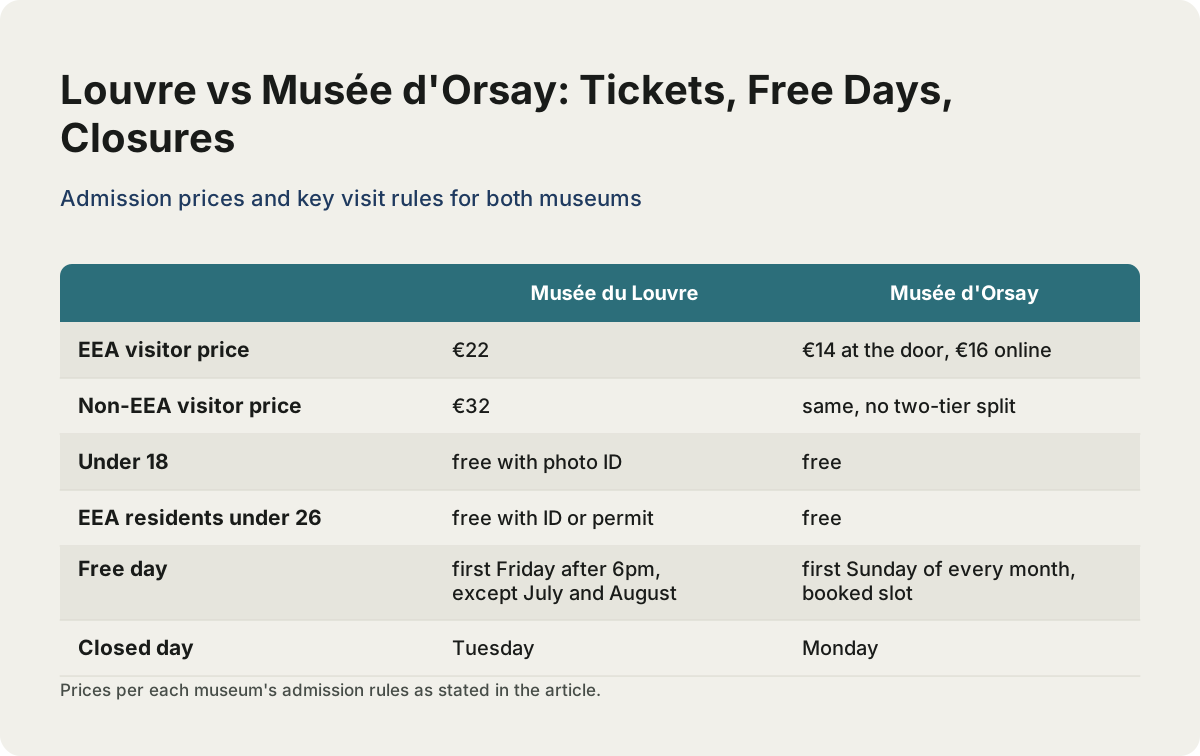
The Louvre charges €32 for visitors from outside the EEA and €22 for EEA visitors, and under-18s and EEA residents under 26 are free with ID. Musée d'Orsay charges €16 booked online, €14 bought at the museum, with the same age exemptions. The free days differ in kind: Orsay is free the first Sunday of every month with a compulsory booked slot, the Louvre the first Friday evening of the month, after 6pm, except in July and August.
The two-tier Louvre price is recent, in force now, and it changes the arithmetic of this comparison more than any other single fact. A visitor from outside Europe pays €32 at the Louvre against €14 or €16 at Orsay, and that is before the booking fee on a timed product. The Louvre's own admission page sets out the EEA and non-EEA prices and the free Friday evening rule, which applies on the first Friday of the month after 6pm with the exceptions of July and August, plus a full free day on 14 July. Most published guides still claim the Louvre has a free first Sunday. It does not, and it has not under the current rules.
Orsay's pricing has its own curiosity: the online ticket costs more than the door. The museum charges €16 for a booked online slot against €14 bought at the counter, an inversion that exists because the online ticket carries a booking margin, and the same pattern appears at the Musée de l'Orangerie at €12.50 online against €11 at the door. The trade is convenience against two euro per person, and on a busy day the queue is what you are really buying your way out of. The Orsay rates page publishes both figures.
| Musée du Louvre | Musée d'Orsay | |
|---|---|---|
| EEA visitor price | €22 | €14 at the door, €16 online |
| Non-EEA visitor price | €32 | same, no two-tier split |
| Under 18 | free with photo ID | free |
| EEA residents under 26 | free with ID or permit | free |
| Timed entry | compulsory | compulsory |
| Free day | first Friday after 6pm, except July and August, plus 14 July | first Sunday of every month, booked slot compulsory |
| Closed day | Tuesday | Monday |
The free days deserve their own paragraph because they are where most itineraries quietly break. A free first Sunday at Orsay still requires a reservation: the slot costs nothing, but you must book it, and the free Sunday slots are among the fastest-selling of the month. The Louvre's free first Friday is an evening visit, which means a different museum entirely, cooler, emptier, and limited to the evening hours. Anyone can build a genuinely free Paris week out of these rules, and our free museums guide maps the full system of city museums that are free every single day they are open.
One more cost fact that belongs in this section and nowhere else: the Louvre ticket includes the Musée Eugène-Delacroix for the same day or the next, a small museum in Saint-Germain that most visitors never collect. The Orsay ticket includes nothing outside the building. And if you are pricing both museums against a pass, the Paris Museum Pass covers both but still demands a separate free timed reservation at each, which is a detail that surprises pass holders at the door.
Which Museum Has The Worse Crowds?
The Louvre has the worse crowds, and it is not close. The Mona Lisa room alone can hold several hundred people at midday, and the surrounding corridor narrows the flow. Orsay's crowds concentrate at the entrance hall and the fifth floor but the building absorbs them across a wider footprint. Visiting at opening or after 4pm at either museum changes the experience more than any other single decision you can make.
The pattern at the Louvre is a wave. The pyramid entrance processes timed slots in batches, so the galleries fill in surges rather than steadily. The Denon wing's highlights, the Winged Victory, the Mona Lisa, the Coronation of Napoleon, all sit within a few hundred meters of each other, which means the surge concentrates. By 11am on a Saturday the Salle des États is dense enough that the Mona Lisa is viewed over phones held at arm's length. After 5pm the same room thins to a walk-up view. The museum publishes a room-by-room availability list for the rooms currently rotating closed under the building's renovation program, worth a check before any highlights route is set in stone.
Orsay's pattern is a gradient. The entrance hall, with its grand clock and sculpture promenade, is busy from the first hour, but the crowd thins as you climb. By the time you reach the fifth-floor Impressionist gallery the density depends mostly on the day: weekday afternoons are gentle, first Sundays are packed, and Tuesday is impossible because the museum is closed. The narrowest choke point is the staircase and the terrace exits, not the painting rooms.
For crowd strategy at the bigger museum specifically, our detailed skip-the-line guide for the Louvre covers the entrance choice, the Carrousel du Louvre alternative, and the timing windows that matter. The short version for comparison purposes: the first slot of the day is worth getting up for at either museum, and the last two hours of the day are the most underrated window in Paris, because most day-trippers have already left for the evening.
One structural crowd fact favors Orsay for anyone with children or tired legs. The Orsay route is one direction, up and around, with the famous café behind the giant clock face as a natural halfway rest. The Louvre route is three wings radiating from a single point, so a family that splits up briefly has to re-converge at a named spot, which is its own kind of crowd management.
Which One Is Better For Your Type Of Visit?
For a first visit to Paris with limited time, Musée d'Orsay. For the once-in-a-lifetime checklist including the Mona Lisa, the Louvre. For families with young children, Orsay, because it ends. For art lovers with a full day, the Louvre in the morning and Orsay in the late afternoon, the single best art day Paris offers. On a rainy Tuesday, Orsay is closed and the Louvre is your only option, and vice versa on a Monday.
The verdicts are best given straight, because the deciding factor is almost always a fact about your trip rather than a fact about the art. The table below reads as a decision matrix: find the row that describes you and the answer follows.
| Visitor type | Verdict | Why |
|---|---|---|
| One day in Paris total | Musée d'Orsay | finishable, calmer, cheaper, and no visit ends in defeat |
| First visit, two or more days | Louvre first, Orsay second | old to new, and the Louvre's Tuesday closure stops you planning it wrong |
| Traveling with kids under 10 | Musée d'Orsay | the building itself, the clocks and the train-station story, carry the visit |
| Art lover with a full day | Louvre morning, Orsay late afternoon | the two are a walk apart and the collections were made to follow |
| On a tight budget | Orsay, or the Louvre's free first Friday evening | €14 against €32 for non-EEA visitors, plus age exemptions at both |
| Only care about the Mona Lisa | the Louvre, first slot of the day | nothing at Orsay substitutes for it, and crowds decide the visit |
| Visiting on a Monday | the Louvre | Orsay is closed Monday |
| Visiting on a Tuesday | Orsay | the Louvre is closed Tuesday |
The age exemptions deserve a line in the verdict section because they decide the arithmetic for a whole class of traveler. Under-18s are free at both museums with photo ID, and EU and EEA residents under 26 are free too, including holders of a long-stay permit or visa over four months. What gets checked at the door is residency, not nationality, which is a distinction the fine print makes and most visitors miss. A family of four with two teenagers pays full price for exactly zero tickets at either museum, and the comparison then becomes purely about time and crowd tolerance.
For the once-in-a-lifetime visitor, the honest ranking is that the Louvre matters more and delivers less per hour. Orsay over-delivers, which is why it wins so many of these verdicts on paper. But nobody flies home talking about the trip where they skipped the Louvre. The compromise that satisfies both instincts is the two-day plan below, or the one-day double-header for the energetic, which thousands of visitors pull off every week.
The Two-Day Plan: Doing Both Museums Properly
Day one: the Louvre, first slot of the morning, Denon wing first, exit by early afternoon and walk the Tuileries. Day two: Musée d'Orsay, a mid-morning slot, three hours inside, then the Left Bank. Never book the Louvre for the day you land, never book either museum for the day after a long-haul flight's first night, and never plan Orsay for a Monday or the Louvre for a Tuesday.
The plan works because of the two closed days, which most itineraries ignore until they break. The Louvre is closed Tuesday, and Orsay is closed Monday, so the only days both are open together are Wednesday through Sunday. A Tuesday arrival in Paris actually hands you a neat opening: use Tuesday for the Marais or Montmartre, the Louvre on Wednesday when the post-weekend crowd has passed, and Orsay on Thursday or Friday.
| Slot | Booking | What you do | Exit |
|---|---|---|---|
| Day 1, first opening | Louvre, first timed slot of the morning | Denon wing highlights first, then Sully or Richelieu, one wing only | early afternoon, into the Tuileries |
| Day 1, late afternoon | nothing booked | Tuileries walk, Place de la Concorde, rest the legs | dinner on the Right Bank |
| Day 2, mid-morning | Orsay, timed slot from late morning | ground floor up, fifth-floor Impressionists, café behind the clock | early afternoon, onto the Left Bank |
| Day 2, free evening | nothing booked | Saint-Germain, the Musée Eugène-Delacroix on the Louvre ticket, the river | whenever |
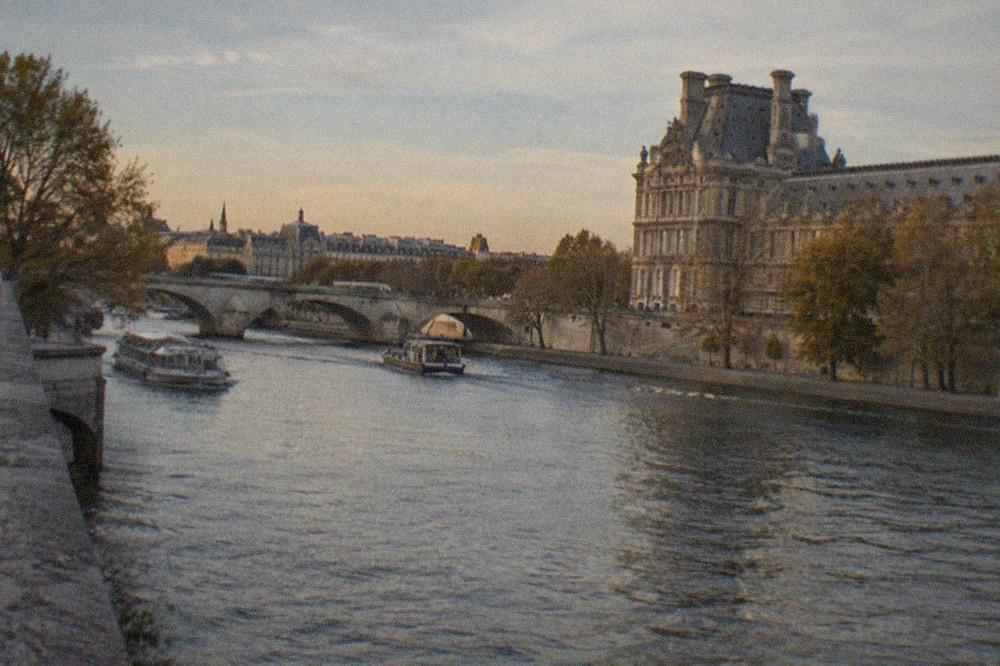
The two buildings sit at either end of the Tuileries, a short walk apart across the Pont Royal, so the geography supports the sequence without any transport. A refined version for a single full day of art runs the Louvre at opening, lunch in the Carrousel or on rue de Rivoli, the Tuileries walk at 2pm, and Orsay's 3pm or 4pm slot, finishing with the fifth floor in the quieter late afternoon. It is a demanding day. Visitors who have done it recommend light luggage, one coffee stop scheduled rather than improvised, and no other sightseeing bolted on. A gentler alternative gives each museum its own half day and puts the Musée de l'Orangerie, minutes further along the garden, in between, which is where the next section comes in.
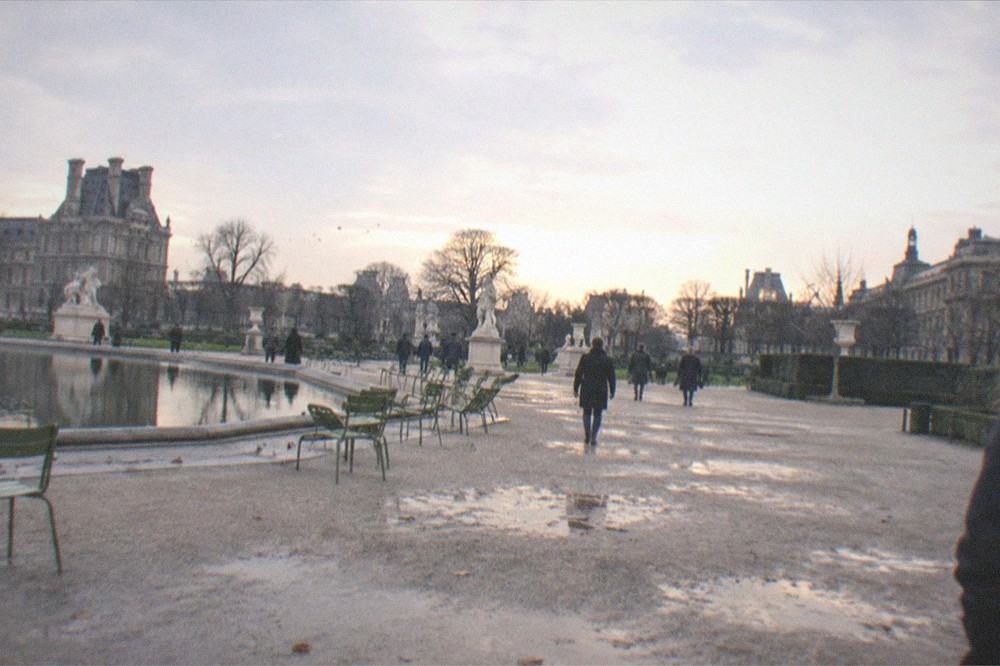
The booking sequence matters as much as the visiting sequence. Both museums run compulsory timed entry, and the cheap and free slots sell first. Book the Louvre slot first, anchor the trip around it, then fit Orsay around it, because Orsay's capacity and hours are more forgiving and same-day availability is more realistic there.
Should The Musée de l'Orangerie Be Your Third Stop?
Yes, if you have the energy, because the Orangerie is the smallest of the three, takes under ninety minutes, costs €11 at the door or €12.50 online, and holds Monet's Water Lilies in two oval rooms built for them. It is free the first Sunday of the month with an obligatory timed reservation. As a tiebreaker it is the calm middle option, and the best value of the three per minute spent inside.
The Orangerie sits at the far end of the Tuileries from the Louvre, on the Place de la Concorde side, which places it neatly between the two museums on the map and makes it the natural third stop on a single-art-day itinerary. The Water Lilies cycle, given to the nation by Monet himself, hangs in two elliptical rooms under diffused skylight, and the experience is closer to a chapel than a gallery. Visitors come out quieter than they went in, which after a Louvre morning is exactly what the nervous system wants.
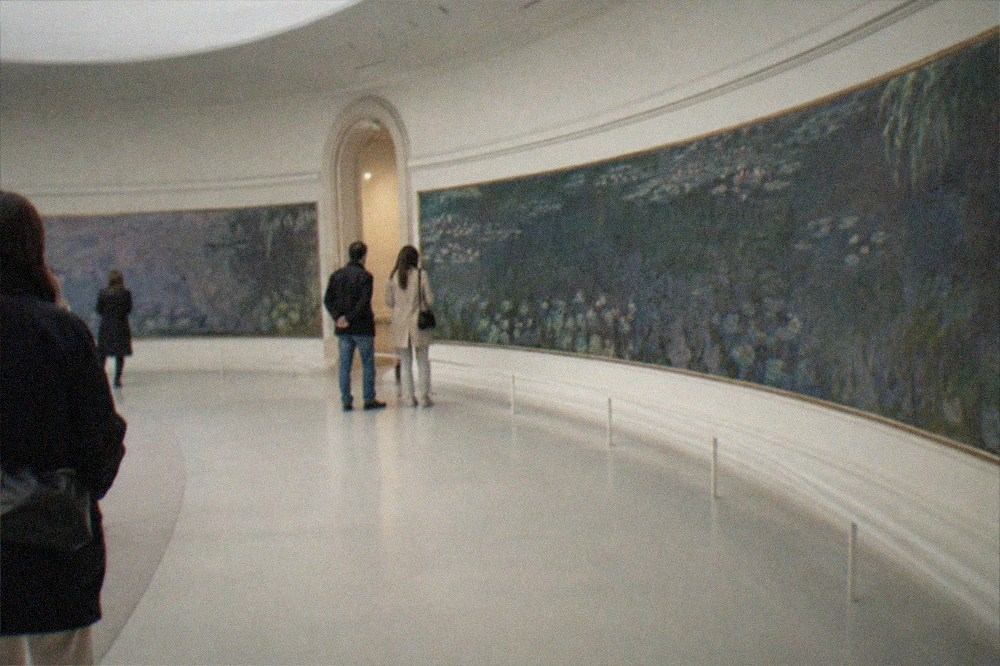
Its practical facts mirror Orsay's. It is closed Tuesday like the Louvre, not Monday like Orsay, a detail that catches itinerary builders. The online ticket at €12.50 costs more than the €11 door price, the same inversion as its larger sibling, and the free first Sunday carries a compulsory reservation. Its rating across published reviews sits at 4.7, matching Orsay's, on a smaller review base of 7,188. The Orangerie page on this site carries the bookable timed entry alongside the Orsay page, so the two Left-Bank museums can be slotted in a single sitting.
For Monet specifically, the three museums split the story. The Orangerie holds the immersive Water Lilies, Orsay holds the early and middle Impressionist Monet, and the Musée Marmottan Monet on the western edge of the 16th holds the largest single Monet collection anywhere. Our guide to where to see Monet in Paris sequences all three, and for the undecided it doubles as a gentler version of this same head to head.
The full comparison, then, resolves on your own terms: one day and one museum, go to Orsay. Two days and the checklist, the Louvre first and Orsay second. A free day and a willingness to plan, the first Sunday belongs to Orsay and the first Friday evening belongs to the Louvre. And if you can stretch to a third stop, the Orangerie turns a rivalry into a triptych.
Common Questions About Louvre Vs Musée d'Orsay
Which is better, the Louvre or Musée d'Orsay?
For a single visit with limited time, Musée d'Orsay: it is smaller, cheaper, finishable and calmer. For a once-in-a-lifetime checklist that includes the Mona Lisa, the Louvre, planned around a first-slot morning entry. Many visitors with two days do both, Louvre first, and the collections follow each other in time.
Can you do the Louvre and Musée d'Orsay in one day?
Yes. Book the Louvre for the first slot of the morning, take the Denon wing highlights, exit by early afternoon, walk the Tuileries, and take an Orsay slot from 3pm. It is a demanding day and works best with nothing else scheduled. The two museums are a short walk apart across the Pont Royal.
Which museum is free on a Sunday in Paris?
Musée d'Orsay is free the first Sunday of every month, but the free slot must be booked in advance because entry is timed. The Louvre has no free Sunday at all: it is free the first Friday of the month after 6pm, except in July and August, and on 14 July.
Is the Louvre more expensive than Musée d'Orsay?
Yes, especially for visitors from outside the EEA. The Louvre charges €32 for non-EEA visitors and €22 for EEA visitors, while Orsay charges €14 at the door and €16 booked online, with no two-tier split. Under-18s and EEA residents under 26 are free at both with ID.
Which museum should I visit with kids?
Musée d'Orsay. The visit ends within two or three hours, the building's history as a railway station gives children something to hold onto, and the sculpture terraces allow an exit ramp when energy runs out. The Louvre's scale works against young visitors, though its Egyptian wing is the exception many children love.
Is Musée d'Orsay open on Monday?
No. Orsay is closed every Monday, along with most of the city's other museums. The Louvre is closed Tuesday instead. The two closures never overlap, so Wednesday through Sunday is the window in which both are open.
How long do I need at the Louvre versus Musée d'Orsay?
Orsay needs two to three hours and is genuinely finished at the end of them. The Louvre needs a minimum of three hours for a highlights route and a full day leaves most of the building unseen. Budget four hours at the Louvre for a disciplined one-wing-plus-highlights visit.