Is The Musée d'Orsay Worth Visiting?
A straight answer on whether the Musée d'Orsay deserves your time in Paris: what is inside, what a ticket costs, who gets in free, how long to allow, and how it compares with the Orangerie.
Is The Musée d'Orsay Worth Visiting?
Yes. The Musée d'Orsay is worth visiting for almost everyone who likes painting at all, and for most people who are unsure. It holds the largest collection of Impressionist and Post-Impressionist art in the world, it is rated 4.7 across 27,881 reviews, and its €14 door ticket buys access to one of the most extraordinary interiors in Paris. It is shut on Mondays, so plan around that.
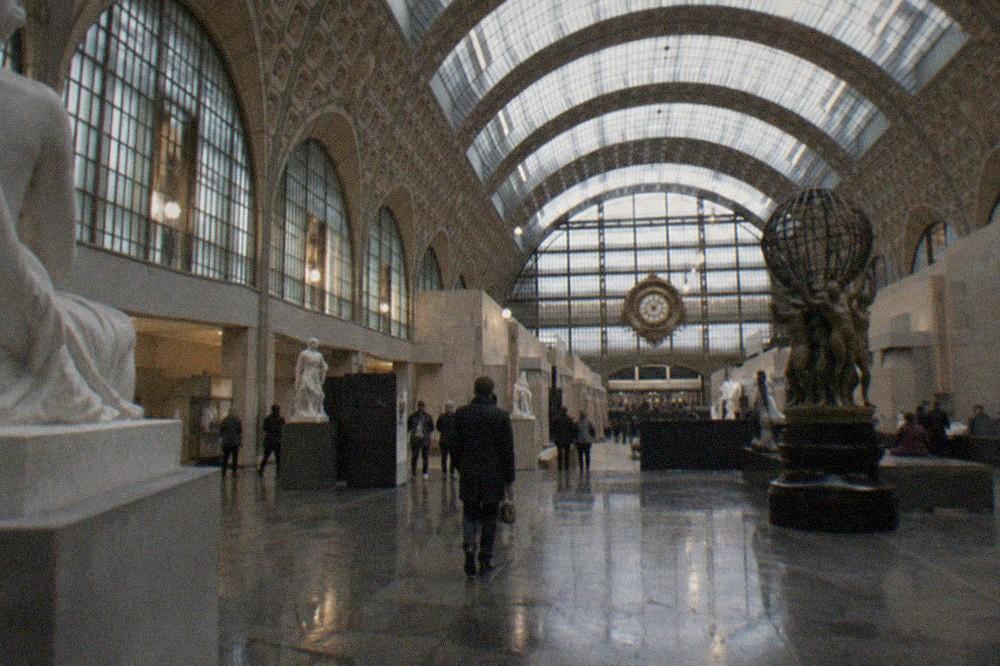
The honest case starts with the building. The Musée d'Orsay occupies the former Gare d'Orsay, a railway terminal built for the 1900 Exposition Universelle, and its main hall still reads like one: a vaulted stone and iron nave the length of a city block, with a great arched clock at each end. The station was obsolete within decades, saved from demolition in the 1970s, and reopened as a museum in 1986 with a brief that sounds narrow on paper and enormous in practice: it would house French art from 1848 to 1914, the years the Louvre and the Pompidou could not cover.
That window happens to contain nearly everything a casual visitor names when asked about French painting. Manet, Monet, Degas, Renoir, Cézanne, Van Gogh, Gauguin, Seurat: the museum's fifth floor alone, a long gallery under the arching roof, is one of the densest concentrations of famous canvases anywhere. The usual question people bring to this page is not really "is it good," because it plainly is. The real question is whether it is worth one of the limited slots in a short Paris trip, and that depends on what it costs, how long it eats, and what you would give up to see it. Those are answerable questions, and the rest of this article answers them with numbers rather than enthusiasm.
Before anything else, one planning fact matters more than every other: the museum is closed every Monday, a closure it shares with most of the city-camp institutions, while the Louvre takes Tuesday off instead. A Paris itinerary that puts the Orsay on a Monday and the Louvre on a Tuesday has it exactly backwards. The rest of the decisions, ticketing, timing, and the comparison with the smaller Orangerie across the river, are laid out below.
If your dates are still moving, the three options above frame the real choice: the Orsay itself, the compact Orangerie for Monet's Water Lilies, or a full day out to Monet's gardens at Giverny. Many people do the first two in one morning and save Giverny for a trip with more time.
What Is Actually Inside The Musée d'Orsay?
The Musée d'Orsay holds roughly the world's best single collection of Impressionist and Post-Impressionist painting, spread across three floors of a former railway station. Star works include Van Gogh's self-portraits, Renoir's Dance at the Moulin de la Galette, Manet's Olympia, Whistler's Mother, Cézanne's card players, and dozens of Monets. The ground floor carries sculpture and pre-Impressionist painting, including Bouguereau's academic grand manner.
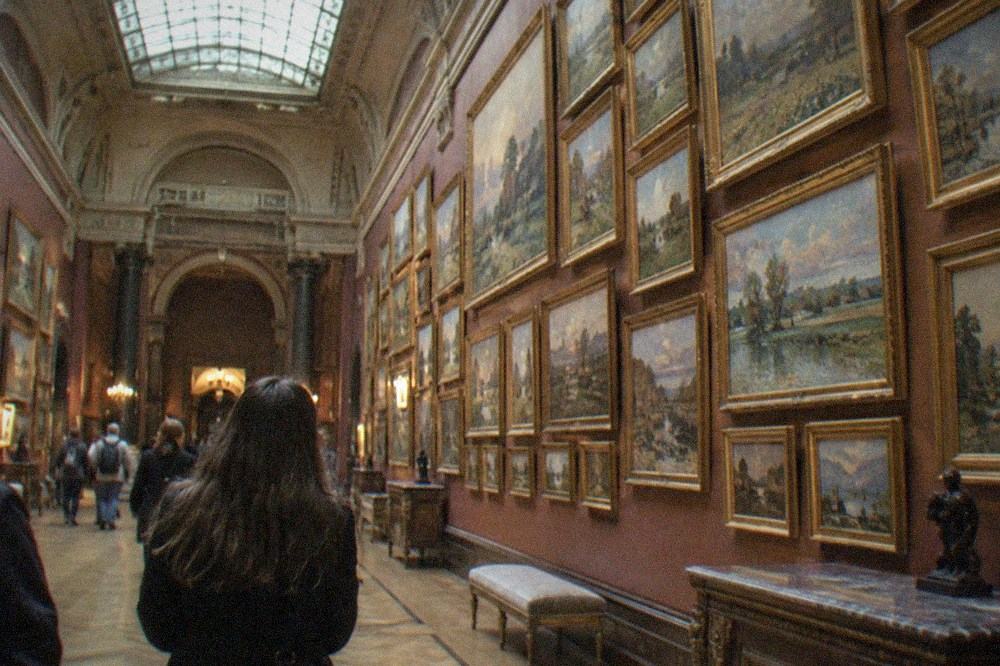
The collection runs from 1848 to 1914, and the hanging is broadly chronological from the ground floor upward. Walk in, and the first rooms belong to the generation the Impressionists rebelled against: polished academic painting, enormous canvases of mythological subjects, the sculpture court with animalier bronzes and Carpeaux's figures. This is not filler. Seeing what Manet was reacting against, what the Salon rewarded and what it refused, is the fastest way to understand why the Impressionists' loose brushwork was once a scandal rather than a poster genre.
The middle levels carry the birth of modern art in something like a narrative. Manet's Olympia, which shocked the 1865 Salon, hangs here. So does Whistler's Arrangement in Grey and Black No. 1, the painting most people call Whistler's Mother. There is a generous spread of Degas, including his ballet scenes and his experiments with photography in the far corner, and a set of early Monets tracking the move from realism toward broken colour.
Then there is the fifth floor, and this is the part that makes the museum. The top gallery, built into the hotel levels of the old station, runs under the roof with light pouring through the iron ribs. In it: Renoir's Dance at the Moulin de la Galette, Cézanne's Apples and Oranges and studies for the card players, Gauguin's Tahiti canvases, Seurat's Circus, and a wall of Van Gogh, among them the self-portrait, The Starry Night over the Rhône painted at Arles, and the church at Auvers. Anyone who has read that the famous Starry Night is in New York, which it is, should know its gentler Arles cousin is here.
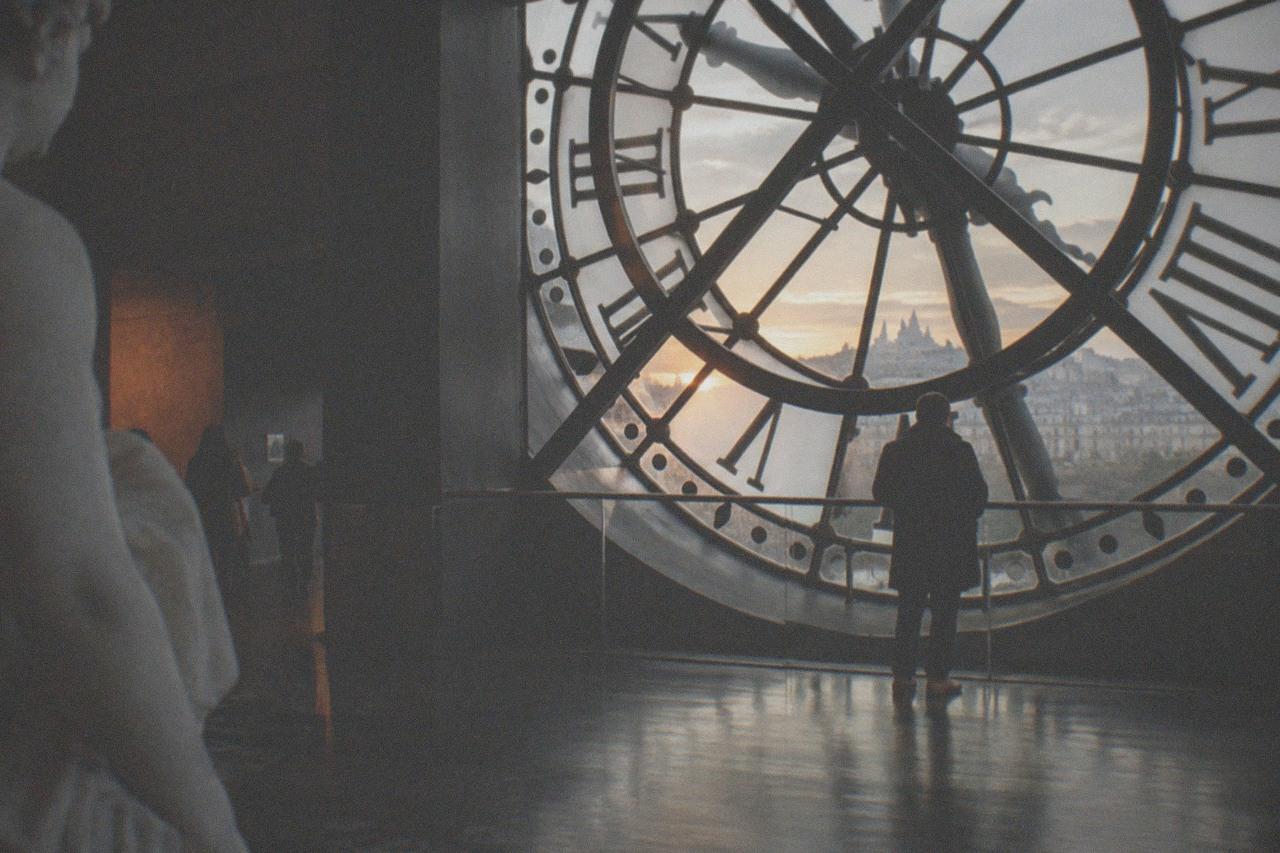
Two rooms deserve a special mention because visitors regularly miss them. The first is the plan of the building itself: stand at the far end of the fifth-floor gallery and look back down the nave through the great glass clock, which frames Montmartre through its face, and you get the single most photographed view in the building. The second is the lower level, which carries decorative arts, a model of the Opéra, and the museum's substantial Art Nouveau furniture, a room worth ten quiet minutes when the painting floors are crowded.
One work has a story worth knowing before you stand in front of it. Manet's Olympia was jeered at the Salon and had to be guarded, and the model, Victorine Meurent, stared back at the crowd in a way academic painting never permitted. That refusal to look decorative is the hinge the whole collection turns on, and the museum hangs it where the hinge belongs.
What Does A Ticket Cost And Who Gets In Free?
An adult ticket costs €14 bought at the museum and €16 booked online, so booking ahead costs two euro more rather than less. Under-18s are free with photo ID, and EU and EEA residents under 26 are free too, including holders of a long-stay residence permit or visa. The museum is free the first Sunday of every month, but the free slot must be reserved.
The price inversion is the detail most guides get wrong, so it is worth stating plainly: at the Musée d'Orsay, the convenience premium is real and printed. €14 at the counter, €16 online, and the two are not the same product in practice. The online ticket carries a timed slot; the counter ticket depends on the queue and the day. In summer, or any Saturday, that two-euro surcharge is buying you a scheduled entry, and the detailed ticket guide walks through when it pays and when it does not.
The free list is generous and strictly checked. It is not nationality that matters but residency: the museum's own conditions, published at its official rates page, set out free entry for under-18s with a photographic identity document, and for EU and EEA visitors under 26, a category that explicitly includes holders of a long-stay permit or visa of over four months. A 24-year-old non-citizen who lives in Paris on a student visa qualifies; a 24-year-old tourist does not. Bring the document, because the check at the desk is documentary.
The first Sunday rule is the other trap. The Musée d'Orsay is free the first Sunday of every month all year, unlike the Louvre, which has no free Sunday at all and runs its free evening on the first Friday of the month instead. But free does not mean walk-in: the Orsay requires the free slot to be booked, with the same online obligation applying to Paris Museum Pass holders. Show up on a first Sunday without a reservation and you will watch free visitors with slots walk past while the counter explains the situation. Other pages covering the same trip are gathered on Paris Museums.
For context, here is where the Orsay sits against the other big Impressionist venues on price and access:
| Museum | Door price | Online price | Closed | Free rule |
|---|---|---|---|---|
| Musée d'Orsay | €14 | €16 | Monday | First Sunday all year, slot booked |
| Musée de l'Orangerie | €11 | €12.50 | Tuesday | First Sunday, timed reservation |
| Musée Marmottan Monet | €14 | from $16.89 | Monday | Not on the Paris Museum Pass |
| Fondation Claude Monet, Giverny | €13 | from $118.66 | none in season | Closed roughly November to March, 75 km from Paris |
The Giverny figure looks startling next to the others because it is a different product: a transport-and-entry day trip to Monet's house and gardens, not a museum ticket. The Orangerie, by contrast, is a fifteen-minute walk across the Seine, and the comparison with it is close enough that it gets its own section below.
One closure warning belongs here because it is about access rather than money. The museum is undergoing a renovation running from 10 March 2026 to summer 2028. The museum's position is that all collections remain accessible and the access routes are modified; what that means for a visitor is some signage and some redirected stairs, not empty rooms. Anyone who visited before 2026 should not expect the building to be exactly as they left it.
How Long Should You Spend, And Which Day Is It Shut?
Allow two to three hours for a focused visit and up to four if you want the fifth floor properly, and the museum is shut every Monday. Morning slots are quietest, Thursday evening is the late night, and the single worst time to arrive without a booked slot is a Saturday afternoon in high season. Timed entry is compulsory, so a booked ticket is also a schedule.
The two-to-three hour figure is not a guess pulled from the air; it matches how most visitors actually move through the building. The gallery footprint is compact compared with the Louvre, which is a full-day proposition, and the hanging is concentrated enough that the famous works cluster on one floor. A visitor who heads straight to level five, works the Impressionist gallery from the Renoir end, then drops to the middle floors for Manet and Degas, can see the core in ninety minutes. Add the ground-floor sculpture court, the Art Nouveau rooms, and a break at the terrace cafe, and three hours fills comfortably.
The Monday closure is the hardest constraint in the whole visit, because Monday is also the closed day for a whole camp of Paris museums: the city museums, the Rodin, the Picasso, the quai Branly, the Cluny, the Marmottan, the Catacombes, and the Cité des sciences all take Monday. The Louvre takes Tuesday, the Orangerie takes Tuesday. What this means practically is that your Tuesday and Monday plans are forced into shape by the closure lists, and the Orsay's Monday closure is the most consequential of them because it is the museum people most often assume is open.
Day and time matter more here than at almost any other site because timed entry is compulsory. Booked slots run through the day, and the quiet ones are reliably the first hour after opening and the Thursday late evening, when the museum runs extended hours. Late Thursday also tends to thin the fifth floor after the daytime wave leaves. The worst combination, by consistent visitor report, is a Saturday or a Sunday afternoon in July or August: full slots, dense rooms, and a queue for the Van Gogh wall. If your trip allows a choice, take a weekday morning slot and walk the river before or after.
There is one tactical bonus worth knowing. The museum sits opposite the Seine from the Louvre, and the two closed days are opposite: Louvre closed Tuesday, Orsay closed Monday. A visitor who books the Orsay for Monday morning and the Louvre for Tuesday has built the classic backward itinerary. Flip it, Orsay on Tuesday or any day but Monday, and the two heavyweight museums of central Paris slot neatly into consecutive days on the same stretch of river, with the Tuileries between them. Our Louvre versus Orsay comparison breaks down which one deserves first pick for your taste.
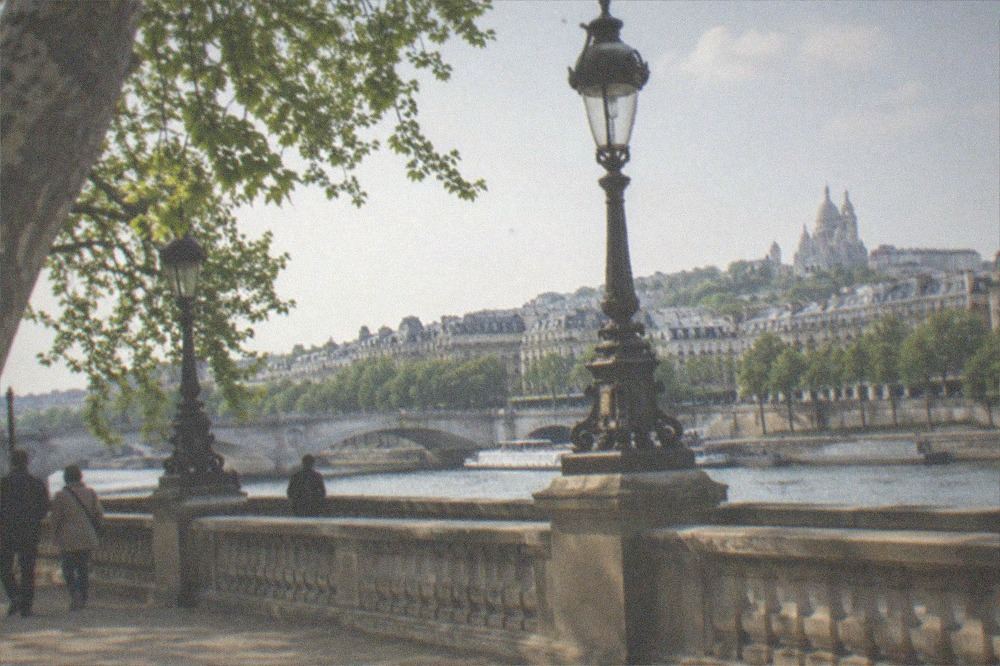
A useful pattern for the afternoon after an Orsay morning: exit onto the terrace level, look north over the river, then cross the Seine to the Left Bank's other Impressionist stop, the Orangerie, which is one metro stop or a pleasant twenty-minute walk away along the water.
Musée d'Orsay Or Musée de l'Orangerie: Which One Suits You?
The Musée d'Orsay is the full collection, three hours, and the crowd that comes with it; the Orangerie is a single purpose, one hour, and Monet's Water Lycles in two oval rooms built for them. See the Orsay if Impressionism is the reason you are in Paris; see the Orangerie if you want one overwhelming room and a garden break; see both if you have the morning, which is what most art lovers end up doing.
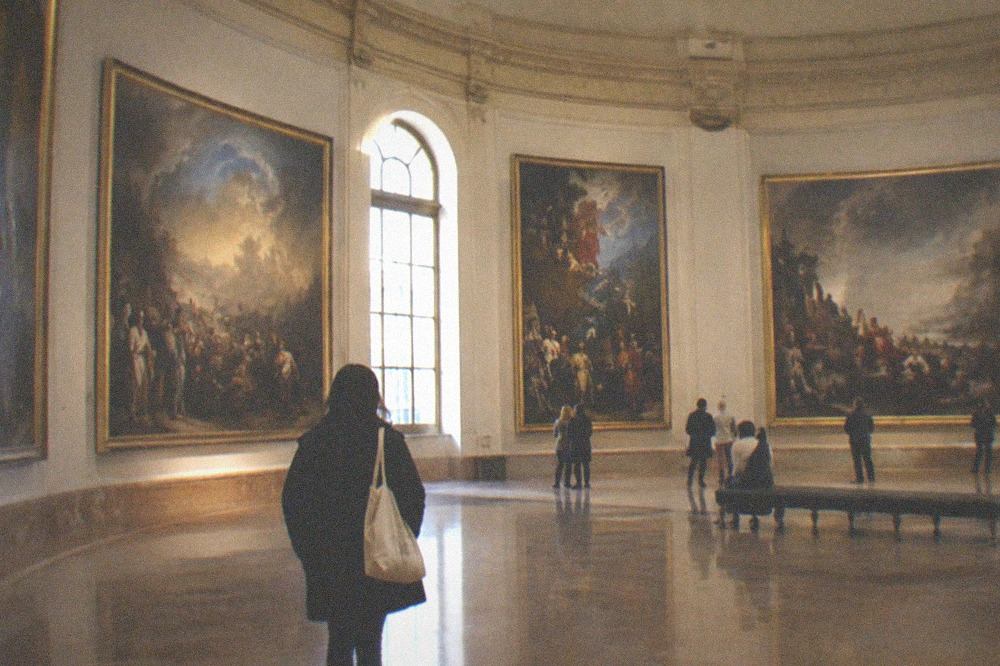
The two museums are often presented as rivals, which slightly misstates the case. The Orangerie, in the corner of the Tuileries garden, was reshaped in the 1920s to Monet's own specification: two oval rooms, diffuse skylight, and eight monumental Water Lilies panels mounted on curved walls so the paintings surround you. Monet called the rooms his grandes décorations and gave them to France as a monument to peace the day after the Armistice. Standing inside them is a genuinely different experience from looking at a framed Monet; there is no frame and almost no wall, just water at eye level in every direction.
The Orsay holds the breadth. Van Gogh, Cézanne, Gauguin, Renoir, Manet, Degas, Seurat, the academic painting they argued with, the sculpture, the design objects: it is the collection of a movement, and its famous-floor density is unmatched anywhere. The Orangerie holds depth in one thing, plus a small lower floor with the Jean Walter and Paul Guillaume collection of late Impressionist and modern painting, a Modigliani room, a Rousseau, and Renoir portraits, which most visitors walk through quickly and should not.
The practical differences are small and real. Both take timed entry. Both are free the first Sunday with a booked slot. Both charge more online than at the door, €16 against €14 at the Orsay and €12.50 against €11 at the Orangerie. The closure days are opposite, Monday for the Orsay, Tuesday for the Orangerie, which means the pair can be done on consecutive days without a gap. The Orangerie takes an hour; the Orsay takes two or three. If your Paris time is counted in half-days, the choice is simply: one overwhelming hour, or a fuller half-day.
For visitors staying longer, the third leg of the triangle is Giverny, Monet's house and gardens 75 km from Paris, open 1 April to 1 November and shut the rest of the year. It is a full day trip and a different kind of pilgrimage: the actual pond, the actual bridge, the source material for everything upstairs in Paris. Our guide to seeing Monet in Paris ranks all three by what you actually get from each one.
Common Questions About The Musée d'Orsay
Is The Musée d'Orsay Worth Visiting?
Yes. It holds the largest collection of Impressionist and Post-Impressionist painting in the world in a spectacular former railway station, and a €14 door ticket covers all of it. It is rated 4.7 across 27,881 reviews. Most visitors consider it one of the two essential museums in Paris alongside the Louvre.
How much is a Musée d'Orsay ticket?
€14 at the museum and €16 booked online, so booking ahead costs two euro more. Under-18s and EU and EEA residents under 26 are free with valid ID, and the museum is free the first Sunday of every month with a booked slot.
What day is the Musée d'Orsay closed?
Every Monday. The Louvre, by contrast, is closed Tuesday, so the two museums can be visited on consecutive days. The Orangerie also closes Tuesday, sharing its closed day with the Louvre rather than with the Orsay.
How long do you need at the Musée d'Orsay?
Two to three hours for a focused visit, up to four with the sculpture court, the Art Nouveau rooms and a break. A fast pass over the fifth-floor Impressionist gallery alone can be done in about ninety minutes.
Is the Musée d'Orsay free on the first Sunday?
Yes, every first Sunday of the year, but the free slot has to be booked in advance, the same obligation a Paris Museum Pass holder faces. Free does not mean walk-in, and the museum turns up unreserved visitors on those days.
Can you see Van Gogh's Starry Night at the Musée d'Orsay?
The famous Starry Night from 1889 is at the Museum of Modern Art in New York. The Orsay holds The Starry Night over the Rhône, painted by Van Gogh at Arles, along with his self-portraits, the church at Auvers, and the room he shared with Gauguin at Arles.
Is the Musée d'Orsay under renovation?
Yes. A renovation runs from 10 March 2026 to summer 2028, with modified access routes, but the museum states all collections remain accessible throughout. Expect some redirected circulation rather than closed floors.
Is the Musée d'Orsay better than the Louvre?
Neither is simply better; they cover different centuries and reward different tastes. The Orsay covers 1848 to 1914, is more compact, and can be seen well in half a day, while the Louvre is vastly larger and needs a full day with a plan. If Impressionism is what brought you to Paris, the Orsay is the better fit.