How To Skip The Line At The Louvre: What Actually Works
Most skip-the-line advice for the Louvre is aimed at a queue that no longer exists in the form described. Timed entry is compulsory, the slot is what gets you in, and the real decisions are when you book and which entrance you walk to.
Short answer
The Louvre uses compulsory timed entry, so your booked slot, not your queue strategy, is what gets you through the door. Adult admission is €22 for EEA visitors and €32 for everyone else, a timed slot is required, and a Paris Museum Pass still needs a separate free reservation. Book a weekday morning slot and use the Carrousel entrance.
Do You Actually Need To Skip The Line At The Louvre?
The honest answer is that the classic Louvre queue barely works the way most guides describe it anymore, because the museum runs compulsory timed entry. Your booked slot, not the line you choose to stand in, is what admits you, which means every minute spent planning a queue is a minute better spent choosing when to book and which entrance to walk to. The queue that does exist is mostly people who arrived without a slot.
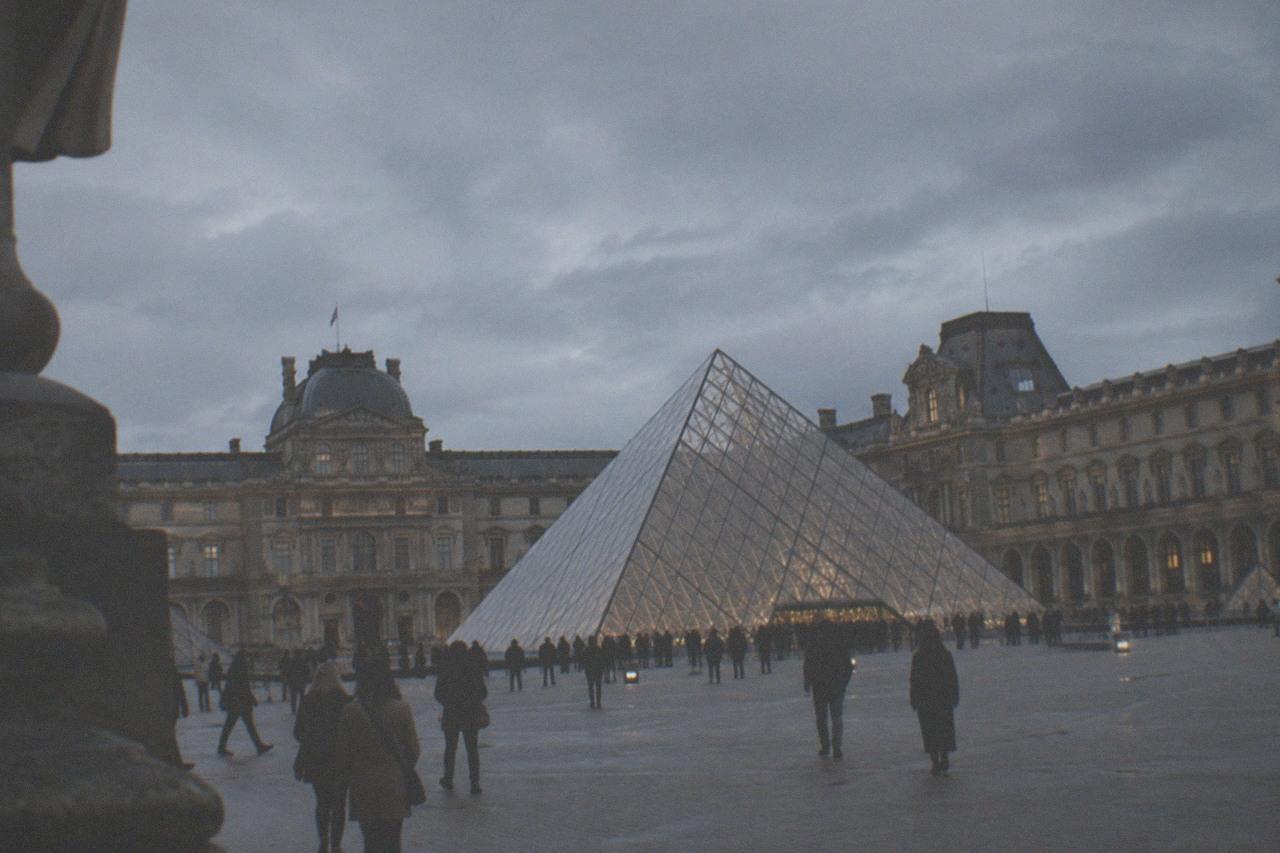
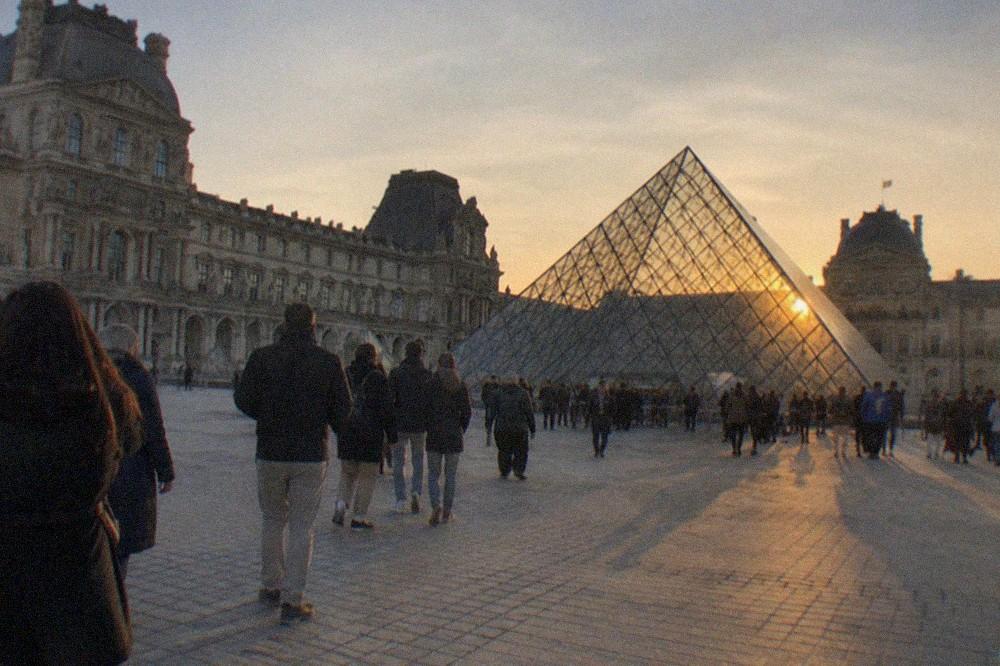
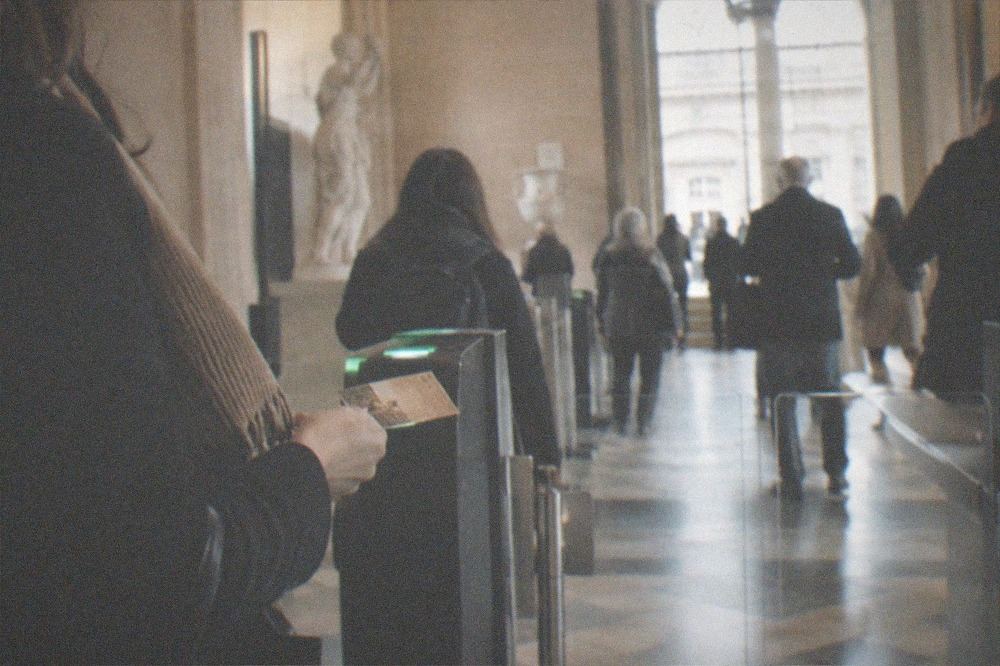
The Louvre is the most visited museum in the world and the busiest single site on this entire roster, and its entry system was rebuilt around that fact. Timed entry is compulsory: you hold a ticket or reservation for a specific arrival window, you show up in that window, and security plus ticket control move you through. The 4.6 rating across 7,769 reviews reflects a museum that handles enormous crowds well when its system is used the way it was designed. People who arrive with a valid slot for the current window rarely describe a long wait. People who arrive hoping to buy in person, or with a slot for a different hour, are the ones who generate the crowding at the pyramid.
So the framing matters. "Skip the line" products sell you a timed entry, which is exactly what the museum itself gives everyone who books. There are still real decisions to make, and they are good ones: when to book, which of the entrances to use, whether a morning or an evening slot clears the rooms faster, and what to do about the one trap that catches more visitors than any queue, the Paris Museum Pass reservation rule. The rest of this guide works through those decisions one by one, using the museum's own published rules rather than the folklore around them.
For the full picture on pricing, ages and free-entry rules at this museum, the companion piece on Louvre tickets and the Mona Lisa covers what your money buys. This page stays on the practical question: how you get inside with the least standing around.
Which Louvre Entrance Should You Use?
There are three main ways into the Louvre and the pyramid is the worst choice in high season, because it is the one every first-time visitor walks toward. The Carrousel du Louvre entrance, reached from rue de Rivoli through an underground mall, feeds into the same security and ticket control but typically carries far less of the crowd, and group entrances handle their own flows. Pick your entrance by the direction you arrive from, not by the postcard.
The pyramid is the iconic entrance and, on a summer morning, the one with the most visible waiting. That visibility is the whole reason skip-the-line marketing works: you can photograph a crowd outside the pyramid and sell the idea that a product defeats it. The entrance itself is not the bottleneck in the way the photos imply, because everyone holding a valid slot for the current window goes through. But arriving at the pyramid puts you in the densest human traffic at street level.
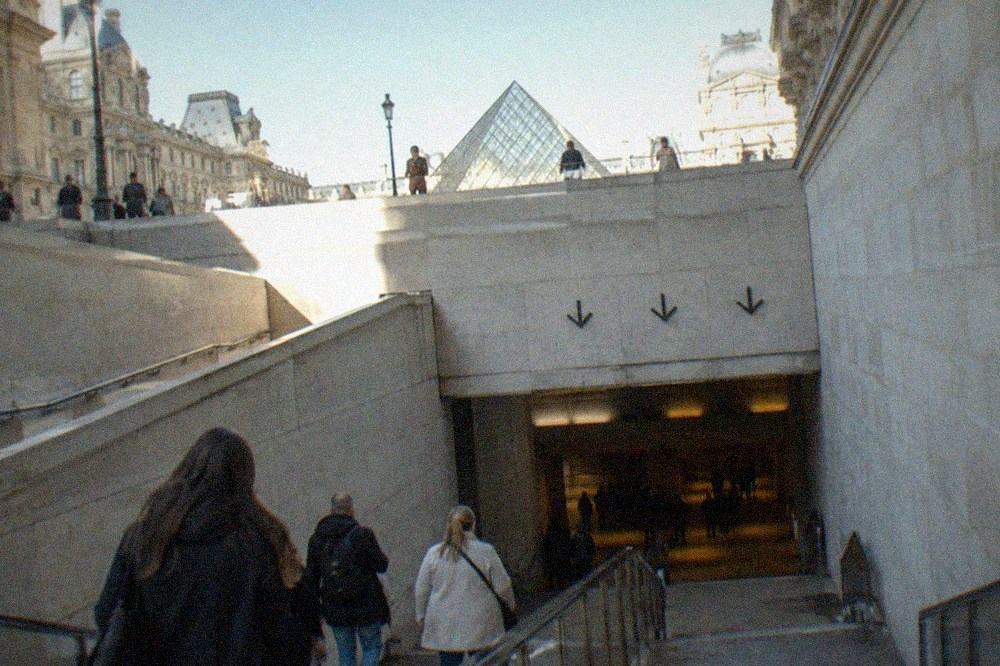
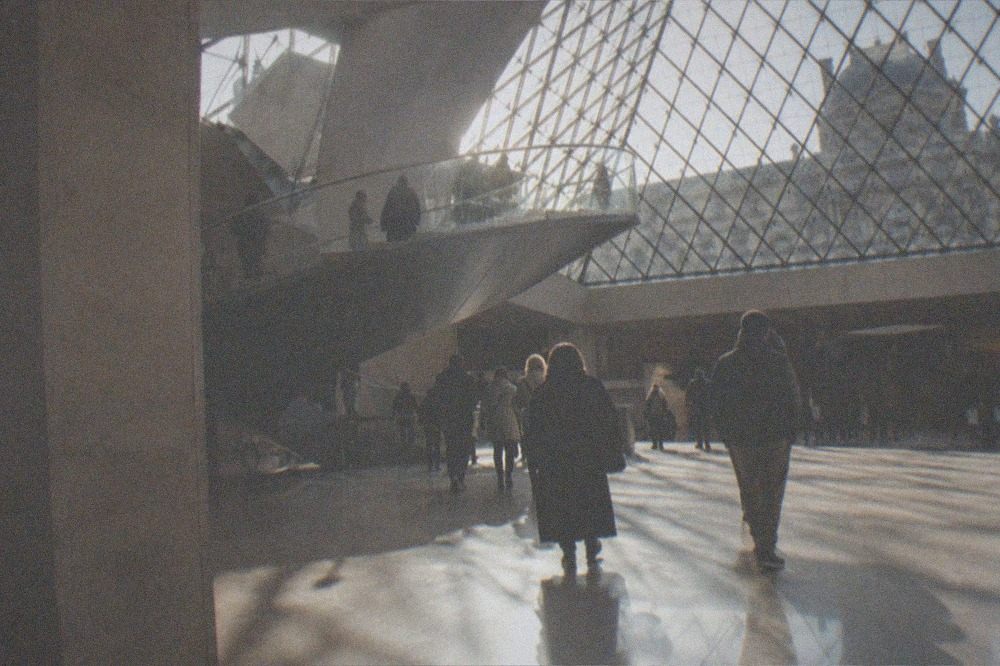
The Carrousel entrance sits underground, an inverted glass pyramid marking the point where the mall passage meets the museum. You descend from rue de Rivoli, pass shops and the remains of the medieval moat, and reach ticket control in a covered space where rain and heat are not factors. Reviewers consistently describe it as the calmer way in, and it connects directly to the same hall as the pyramid flows. Coming by Métro, line 1 and line 7 both stop at Palais Royal, Musée du Louvre, which drops you within a few minutes of either entrance.
There is one situation where the pyramid is genuinely the right answer: a first slot of the day, before the crowd builds. Early arrivals through the pyramid often move quickly precisely because the day-tripper wave has not landed yet. The museum's own visit page, at the Louvre's hours and admission page, is the place to confirm entrance openings before you go, since individual entrances can close for security operations without much notice.
With a timed slot booked, the remaining question is what that ticket should cost, and the honest comparison is short.
| Option | What you pay | What it includes |
|---|---|---|
| Museum's own timed ticket, EEA visitor | €22 | Timed entry to the permanent collections |
| Museum's own timed ticket, visitor from outside the EEA | €32 | Timed entry to the permanent collections |
| Bookable timed entry | from $69.80 | Timed entry, price set by the reseller |
| Under 18 with photo ID | Free | Timed slot still required |
| EU or EEA resident under 26, with proof of residency | Free | Timed slot still required |
The two-tier pricing is real and in force, not an announcement: the Louvre charges €22 for EEA visitors and €32 for everyone else, and the residency test is what gets checked, not nationality. A visitor from outside the EEA who holds a long-stay permit qualifying them for the under-26 rule still needs to carry the document, because the €32 and €0 outcomes depend on it. Whatever price you pay, the timed slot is part of the same booking, and the Paris Museums guide to the best museums in Paris places the Louvre in the wider context of what else the city offers.
Does The Paris Museum Pass Get You Into The Louvre?
A Paris Museum Pass does not get you into the Louvre by itself, and this is the single correction that saves the most ruined mornings in Paris. The pass covers the admission price, but the Louvre is one of eight pass sites that also demand a separate free timed reservation, and a pass without a slot is refused at the door. Pass validity is counted in hours from the first scan, not calendar days.
The pass itself is a solid product for the right itinerary: €85 for 2 days, €105 for 4 days and €125 for 6 days, adult-only, with validity measured in hours from first use. A 2-day pass activated on Wednesday at 3pm runs until Friday at 3pm, which rewards planning around it rather than treating it as a loose two calendar days. The museum's official pass page publishes the prices, the hour-count rule and the reservation badges, and it is the Louvre badge that matters here: reservation required.
Eight pass sites carry that same badge: the Louvre, Musée d'Orsay, Musée de l'Orangerie, Sainte-Chapelle, the Conciergerie, the Hôtel de la Marine, the Tours de Notre-Dame and Versailles. Every other site on the pass list is badged access without reservation, including the Arc de Triomphe, where a pass genuinely does walk you straight in. The pattern is inconsistent enough that assuming one rule across all sites is the mistake, and the Louvre is the most expensive mistake to make because its slots for popular days run out.
The free timed slot that a pass holder must book is genuinely free: you are reserving a zero-cost entry window, and the pass covers the admission. The failure mode is arriving with a paid pass and no slot, and the outcome is being turned away to book a later window on your phone while standing in the loudest part of the courtyard. Anyone weighing the pass against individual tickets should read the fuller breakdown in whether the Paris Museum Pass is worth it, which runs the arithmetic against real door prices.
There is one more pass rule worth knowing before you spend. The pass never covers temporary exhibitions, at any site, with no exceptions, and it buys nothing at the free city museums because their permanent collections already cost nothing. Those two rules define the pass's honest value more sharply than any inclusion list.
When Should You Book Your Louvre Timed Slot?
Book as far ahead as your travel dates allow, because slot scarcity is driven by calendar and not by price, and the free first-Friday evenings disappear first. The Louvre is closed on Tuesdays, which concentrates demand onto every other day of the week, and the free entry after 6pm on the first Friday of the month, except in July and August, is the single most contested window the museum publishes. Morning slots on weekends go next.
The free-evening rule is worth stating carefully because most published guides get it wrong. The Louvre has no free first Sunday at all. Its free windows are the first Friday of the month after 6pm, excluding July and August, and 14 July. The Friday-evening windows are genuinely free, genuinely popular and genuinely limited in capacity, so a visitor planning around one should treat the slot booking as the competitive act, not the walking there.
For paid slots the same scarcity logic applies with softer edges. A Wednesday in February will have same-day availability; a Saturday in June will not, and a last-minute visitor in high summer may find only scattered late slots days out. The people who report the worst Louvre experiences are, overwhelmingly, the ones who tried to improvise the booking on arrival day. The ones who booked from home and walked to the Carrousel entrance describe the opposite.
The booking window question has a second layer: what happens when you need to change plans. Slots can be cancelled and rebooked within limits the museum sets, and paid tickets bought through a reseller typically carry their own cancellation terms, most allowing changes shortly before the visit. Flexibility is the quiet reason many travelers book the resold timed entry rather than the museum's own, and it is a legitimate reason, distinct from any queue myth.
What Time Of Day Is The Louvre Least Crowded?
The quietest hours are the first slot of the morning on a weekday outside French school holidays, and the late afternoon, because tour groups book mid-morning and the evening energy thins after about 4pm. Wednesday tends to run lighter than the weekend days regardless of season, and the closed-Tuesday rule pushes Tuesday-intenders onto Wednesday, so a Wednesday first-thing slot is the best single bet on the calendar.
Crowd patterns at the Louvre follow arrival waves rather than opening hours. The first wave fills the Salle des États and the Denon wing within the first hour, which is why photographers who want the Mona Lisa room at its calmest go first thing and accept that everything else will fill behind them. The mid-morning wave is the tour-group wave, and it is the period when the galleries feel most saturated. Late afternoon, particularly after 4pm, the day-trippers begin leaving and the museum softens noticeably.
Season matters as much as hour. July and August bring the heaviest sustained load, and those are also the two months when the free first-Friday evening is suspended, so summer visitors get no free window at all. The rooms themselves rotate closed for works, and the museum publishes a gallery availability list, which is worth a glance before a visit built around specific paintings rather than the building in general. Renovation work running to 2028 at neighboring Musée d'Orsay has shifted some cross-city visitor flow toward the Louvre, adding pressure on the Left Bank days.
The practical summary fits in a short table, and it is the kind of planning advice that holds across years because it follows the museum's structure rather than any one season's traffic.
| Window | Crowding | Notes |
|---|---|---|
| First slot, weekday morning | Lowest of the day | Head straight to the paintings you care about |
| Mid-morning, any day | Heaviest | Tour-group wave |
| Early afternoon | High but easing | Good for sculpture wings |
| Late afternoon after 4pm | Falling | Day visitors leaving |
| First Friday after 6pm | Free entry, popular | Except July and August, book the slot early |
One caution belongs here rather than repeated later: the free first-Friday slot is free in price but not free in competition, and it books out ahead of ordinary paid slots because capacity is the same and demand is higher. A traveler who wants the free evening should book it further ahead than they would a paid Saturday morning.
How Does The Same Pattern Work At Sainte-Chapelle And The Catacombs?
Sainte-Chapelle and the Catacombs are where the queue genuinely still exists, because both are small, capacity-capped sites with compulsory timed entry and demand that far outruns the door. At Sainte-Chapelle the timed slot dissolves the queue entirely; at the Catacombs the slots themselves sell out days ahead, and a same-day walk-up is close to a non-starter in any season. The fix at both is identical: book the slot.
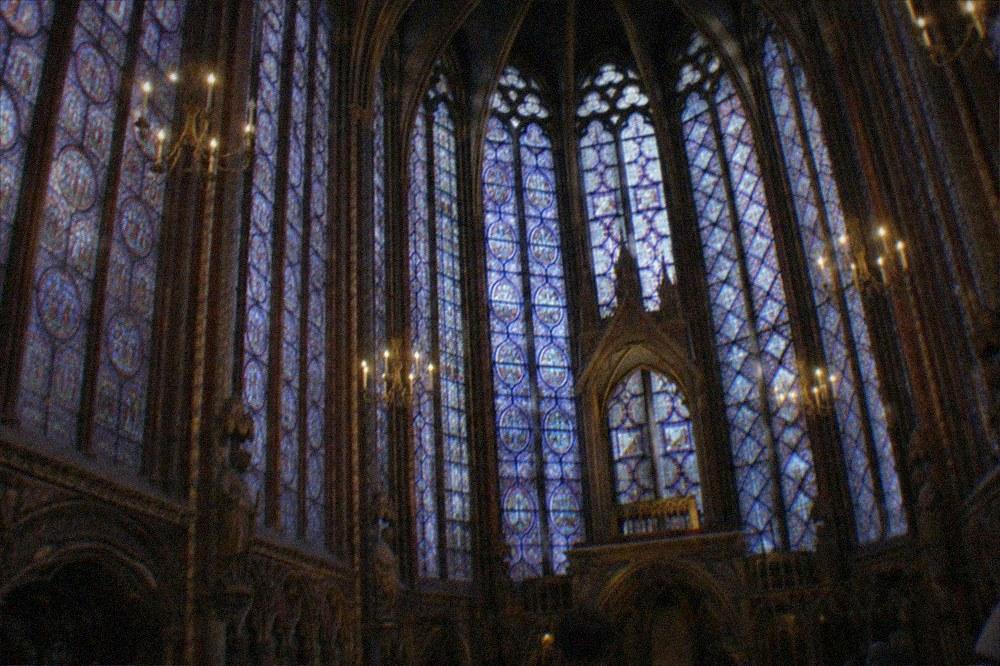
Sainte-Chapelle is a chapel with finite floor space, not a palace with miles of gallery, and its operators run strict entry windows to keep the stained glass viewable. Admission is €16 for EEA visitors and €22 from outside the EEA, the same two-tier shape as the Louvre, with under-18s and EU and EEA residents under 26 free with proof. The Sainte-Chapelle ticket page covers the booking mechanics, and the experience of reviewers who booked a slot is consistently different from those who arrived on spec: the slot-holders describe walking in, the walk-ups describe the line along the Palais de Justice wall.
The Catacombs are the sharper case. At €31 at the door with the audio guide included, it is one of the most expensive tickets in this entire roster, and the timed slots still sell out days ahead, which is why every resale and skip-the-line product costs several times the door price. The underground circuit is narrow and one-way and physically cannot absorb drop-in traffic, so the operators simply do not sell it that way. A same-day walk-up in high season has a realistic chance of finding nothing at all, and the museum's own official Catacombs page makes the timed-slot requirement plain. The Catacombs ticket page lays out what the €31 covers and what the bookable options add.
The Louvre, in other words, is the site where the timed system works so well that the queue is mostly myth. Sainte-Chapelle and the Catacombs are the sites where capacity is so tight that booking is not advice, it is the difference between visiting and not visiting. Treating all three with the same book-on-arrival instinct is the expensive mistake.
Is A Guided Tour The Real Skip-The-Line Ticket At The Louvre?
A guided tour is the one product that adds something the timed slot alone does not, because a guide compresses navigation time inside a building where finding the highlights unaided can cost an hour. It does not beat the queue in any way a plain timed ticket fails to, since both enter through the same system, and the honest case for a guide is the two or three hours of routing and context it buys inside.
The Louvre is a former royal palace turned into a maze, and first-time visitors routinely lose more time to wayfinding than to waiting. A guide who walks a route from the Salle des États through the Grande Galerie and out past the Michelangelo room is selling efficiency of a different kind, and reviewers of guided options consistently praise exactly that: not faster entry, but a visit that fits more in. The Louvre versus Musée d'Orsay comparison is the natural next read for anyone splitting a Paris trip between the two, because the Orsay rewards a different, slower visit style.
Musée d'Orsay itself deserves its own word here, because it demonstrates the other side of the booking coin. The Orsay costs €16 booked online against €14 bought at the museum, a genuine inversion where the convenient option costs more, and the same pattern appears at the Musée de l'Orangerie at €12.50 online against €11 at the door. Booking ahead at the Orsay buys a guaranteed slot and skips the ticket line, at a two euro premium the museum is transparent about. Its 4.7 rating across 27,881 reviews makes it the best-rated major museum in this roster, and renovation work running to summer 2028 has modified access routes while keeping all collections open.
The guided-versus-solo question at the Louvre therefore has a clean answer. If your priority is seeing a specific list of works with limited time, a guided timed entry is worth considering on routing grounds alone. If your priority is the building at your own pace, a plain timed slot plus an early start achieves nearly the same result for less.
What Does The Whole Plan Cost To Put Together?
A single Louvre visit costs €22 for an EEA visitor or €32 from outside the EEA, with under-18s and EU and EEA residents under 26 free, and a two-museum day pairing it with the Orsay runs €32 plus €16 for a non-EEA adult. A pass only beats those sums at a pace of roughly two paid sites a day, and it never covers temporary exhibitions. Every figure below is a published door or pass price.
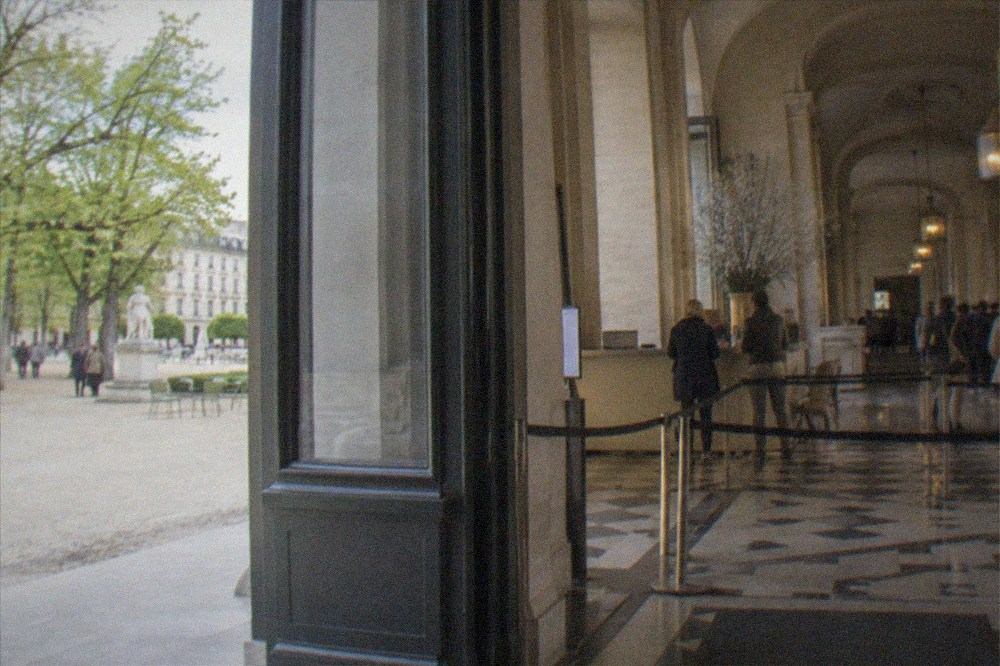
The planning math is more interesting than the single-ticket math, because the Louvre anchors almost every Paris museum itinerary. A non-EEA adult doing the classic three, the Louvre, the Orsay and the Orangerie, pays €32 plus €16 plus €11 at door prices. An EEA adult pays €22 plus €16 plus €11 for the same day-and-a-half of art. Add Sainte-Chapelle at €22 and the Île de la Cité hour is covered, or the Catacombs at €31 for the underground alternative. The numbers are printed here so the addition stays verifiable, and the Louvre ticket page carries the museum's own current terms alongside them.
| Itinerary piece | EEA adult | Non-EEA adult | Free for |
|---|---|---|---|
| Louvre timed entry | €22 | €32 | Under 18s, EU and EEA residents under 26 |
| Musée d'Orsay | €16 at the museum, €14 at the door | same | Under 18s, EU and EEA residents under 26 |
| Musée de l'Orangerie | €11 at the museum | same | Under 18s, EU and EEA residents under 26 |
| Sainte-Chapelle | €16 | €22 | Under 18s, EU and EEA residents under 26 |
| Catacombes de Paris | €31 with audio guide | same | None: always a paid city site |
Against that, the 2-day pass at €85 covers the Louvre, the Orsay, the Orangerie and Sainte-Chapelle plus other pass sites, provided you book the separate timed slots at the four that demand them. The pass wins on the second day's admissions and loses on flexibility, since one entry per site and no exhibitions limit how it can be used. A pass holder also cannot enter the free city museums with it, because those are free to everyone already, so the pass's value lives entirely in the paid national sites.
The one cost that deserves a flag rather than a figure: bookable timed entries and guided options start at $69.80 for the plain Louvre entry on the reseller side, and that from-price is a booking price, not the museum's door price in euro. Those are two different numbers with two different meanings, and the gap is the price of booking flexibility rather than of admission.
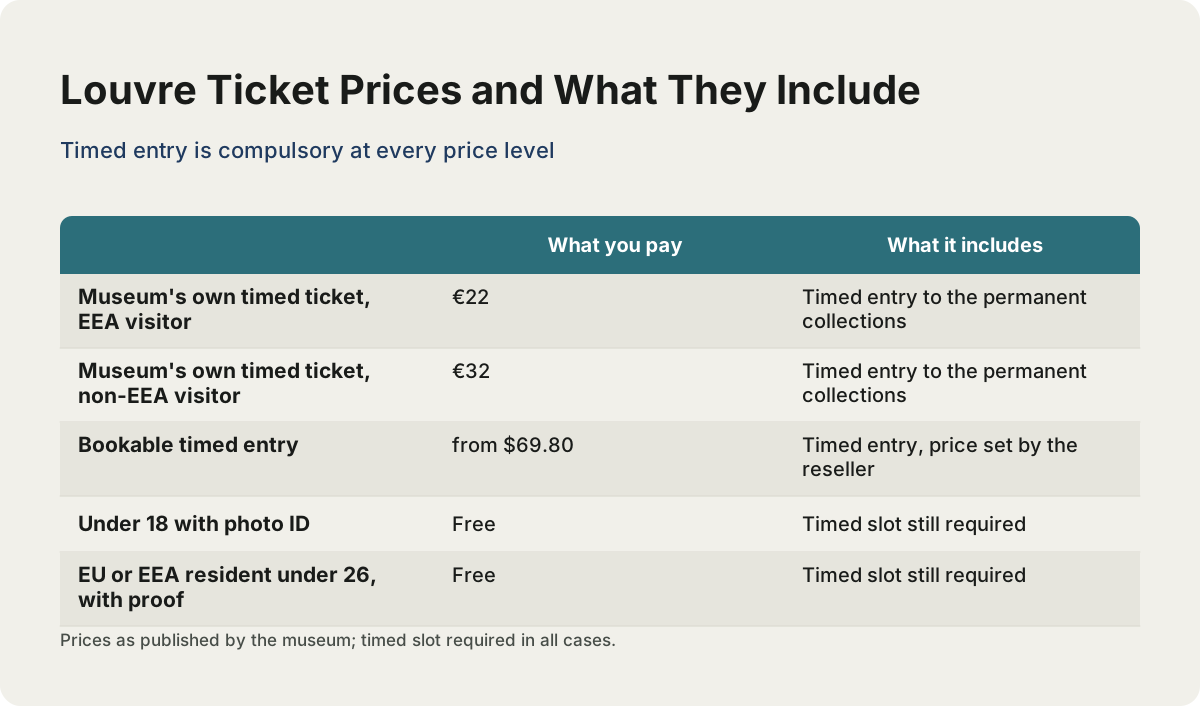
The infographic above sets the main timed-entry door prices beside the pass tiers, which is the comparison most visitors are actually trying to make when they search for skip-the-line advice. The pass pays for itself at the pace of roughly two paid sites a day, and it never pays for the free eleven.
The Louvre itself remains the anchor: the entry that sells first, the slot that matters most, and the museum where booking from home is worth more than any strategy you can execute on the pavement outside.
For anyone building the wider trip around it, the three-day Paris museum itinerary sequences the same sites by day and by closing day, and the Paris Museum Pass guide covers the full inclusion and exclusion lists.
Common Questions About Skipping The Line At The Louvre
Can you just turn up at the Louvre without a ticket?
Not in any reliable sense. Timed entry is compulsory, so you need a booked slot for a specific window. Turning up without one means booking a slot on your phone on arrival, and on busy days the nearest available windows can be hours away or fully gone. Book before you travel.
Does the Paris Museum Pass let you skip the line at the Louvre?
The pass covers the Louvre's admission price but does not replace the timed reservation. The Louvre is one of eight pass sites that require a separate free timed slot, so book the slot with the pass in hand. A pass without a slot is refused at entry.
Which Louvre entrance has the shortest wait?
The Carrousel du Louvre entrance, reached from rue de Rivoli through the underground passage, typically carries less crowding than the pyramid. Both feed into the same ticket control. Early in the day the pyramid itself is manageable, but in high season the Carrousel is the calmer choice.
What is the cheapest way to get into the Louvre?
Book the museum's own timed ticket, at €22 for EEA visitors and €32 from outside the EEA. Under-18s and EU and EEA residents under 26 enter free with proof. The free windows are the first Friday of the month after 6pm, except July and August, and 14 July, and those slots still need booking.
Is the Louvre free on the first Sunday of the month?
No. The Louvre has no free first Sunday at any point in the year. Its free windows are the first Friday evening after 6pm, excluding July and August, and 14 July. Many published guides state this wrongly.
Are skip-the-line tours worth it for the Louvre?
A guided timed entry is worth considering for the routing inside, not for the entry itself, since guided and unguided tickets pass through the same timed system. If you want a specific list of works in limited hours, a guide saves more time in wayfinding than in waiting. If you prefer your own pace, a plain timed slot plus an early start achieves nearly the same result.
Do the Catacombs work the same way?
Yes, but more strictly. The Catacombs charge €31 at the door with the audio guide included, and the timed slots sell out days ahead. Same-day walk-ups in high season often find nothing available, so book ahead as you would for the Louvre, only earlier.