A Three-Day Paris Museum Itinerary Built Around Closing Days
Most three-day Paris plans collapse on one detail: the city's museums are split into a Tuesday-closed camp and a Monday-closed camp, and the wrong arrival day can wipe a whole day of the plan. This itinerary is built around those closing days and the walking distances between the doors.
Short answer
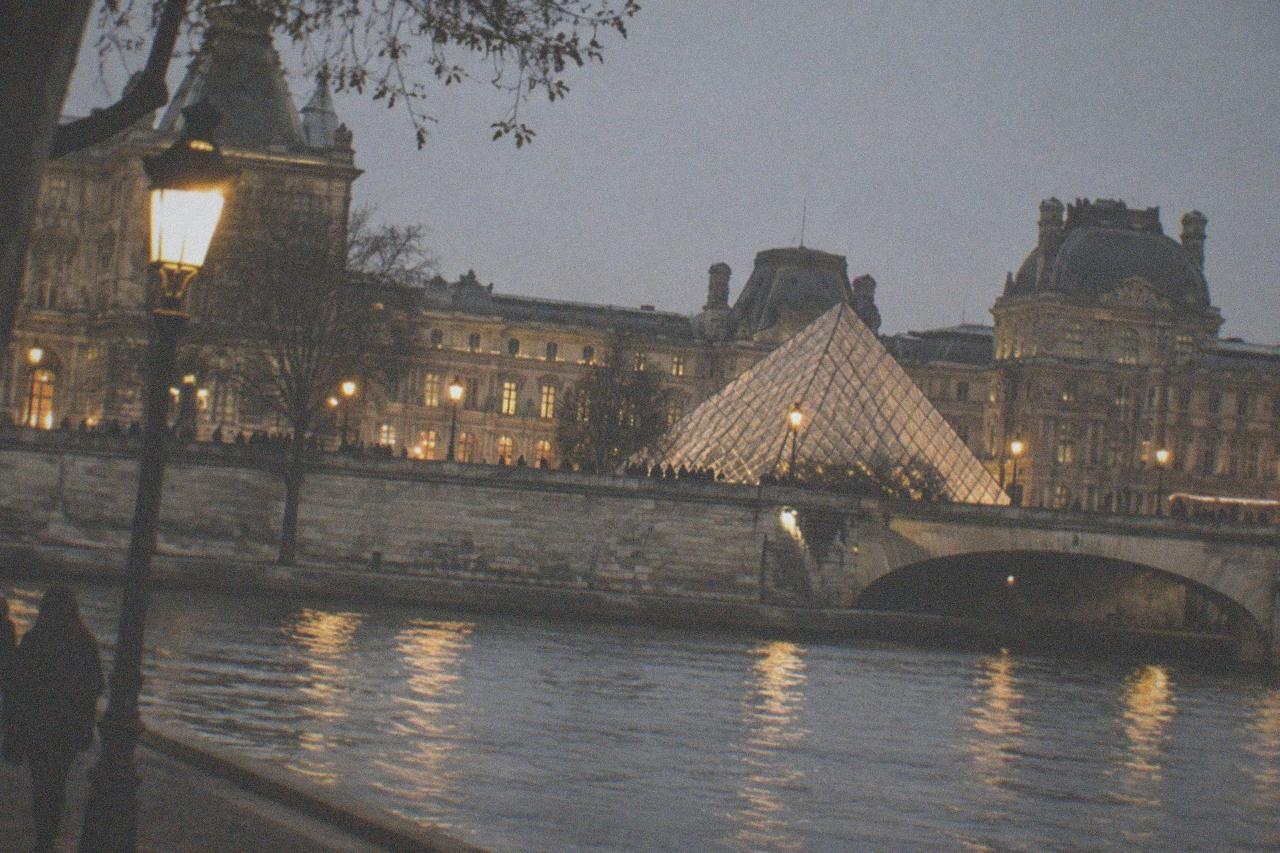
Day one covers the Musée du Louvre and the Tuileries axis (closed Tuesday, €22 for EEA visitors and €32 for everyone else). Day two takes Musée d'Orsay, Musée de l'Orangerie and the Left Bank (closed Monday, Orsay €14 at the door). Day three is either Palace of Versailles or the Marais, both closed Monday. Under-18s travel free everywhere.
Paris has two museum closing camps, and they are not symmetrical. The national museums, including the Musée du Louvre and the Musée de l'Orangerie, shut on Tuesday. The city museums, along with the Musée d'Orsay, the Musée Rodin, the Musée Picasso Paris, the Musée de Cluny, the Catacombes and the Palace of Versailles, shut on Monday. A three-day plan that ignores this sends you to a locked door on day one and wastes the most expensive ticket of the trip.
This itinerary is built the other way round. Days are assigned by closing camp and by geography first, fame second, so that no day depends on a museum that is shut. Every price in the plan is a verified door price in euro, every walking time is a planning estimate rather than a promise, and one variant is included for readers travelling with children, who travel free almost everywhere.
How This Three-Day Museum Plan Is Built
The plan runs on two rules. First, the closing camps: the Louvre and the Orangerie shut Tuesday, while Orsay, Rodin, Picasso, Cluny, the Catacombes and Versailles shut Monday. Second, geography: each day stays inside one walkable cluster. Day one takes the Tuileries axis, day two the Left Bank, day three Versailles or the Marais.
Start by checking which weekday your first day lands on. If day one is a Monday, run day three first, because day three is the only block with two interchangeable versions. If day one is a Tuesday, run day two first. The internal order of each day never changes; only the sequence of the days does. That flexibility is the whole point of planning around camps rather than around a list of famous names.
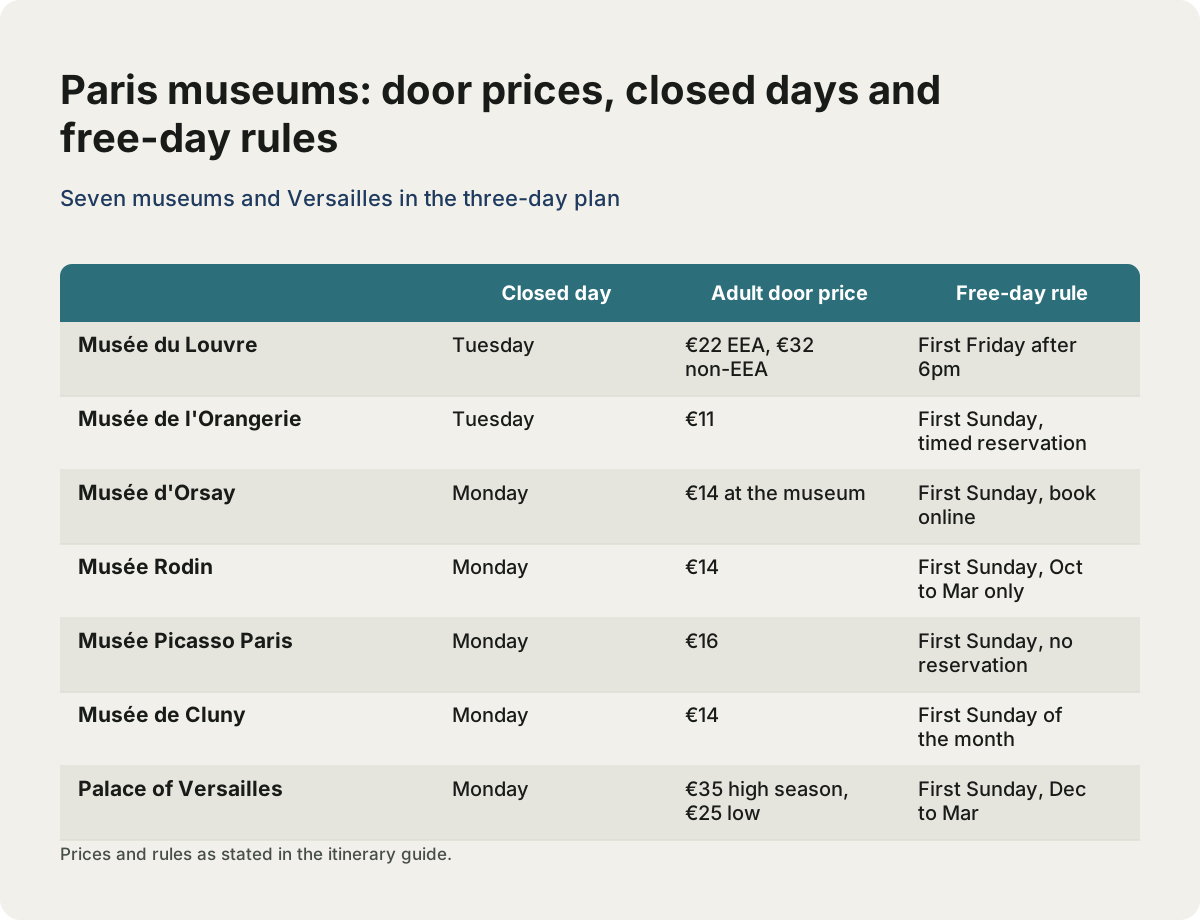
| Museum | Closed day | Adult door price | Free-day rule |
|---|---|---|---|
| Musée du Louvre | Tuesday | €22 EEA, €32 non-EEA | Free the first Friday of the month after 6pm, except July and August, plus 14 July |
| Musée de l'Orangerie | Tuesday | €11 | Free the first Sunday of the month, timed reservation required |
| Musée d'Orsay | Monday | €14 at the museum | Free the first Sunday of the month, online booking obligatory |
| Musée Rodin | Monday | €14 | Free the first Sunday from October to March only |
| Musée Picasso Paris | Monday | €16 | Free the first Sunday of the month, no reservation needed |
| Musée de Cluny | Monday | €14 | Free the first Sunday of the month |
| Palace of Versailles | Monday | €35 high season, €25 low | Free the first Sunday from December to March |
Two clarifications the table cannot carry. The Musée des Arts et Métiers is closed Monday but free every Friday from 18:00 to 21:00, which is a slot worth knowing about if your trip spans a Friday. And the Centre Pompidou, which most older plans slot into a Marais day, closed on 22 September 2025 and does not reopen until 2030, so nothing in this plan relies on it.
One more planning tool deserves a look before the days themselves: the companion page on museums open on Monday in Paris, which lists every door that stays open on the day the city camp shuts.
Day One: The Louvre And The Tuileries Axis
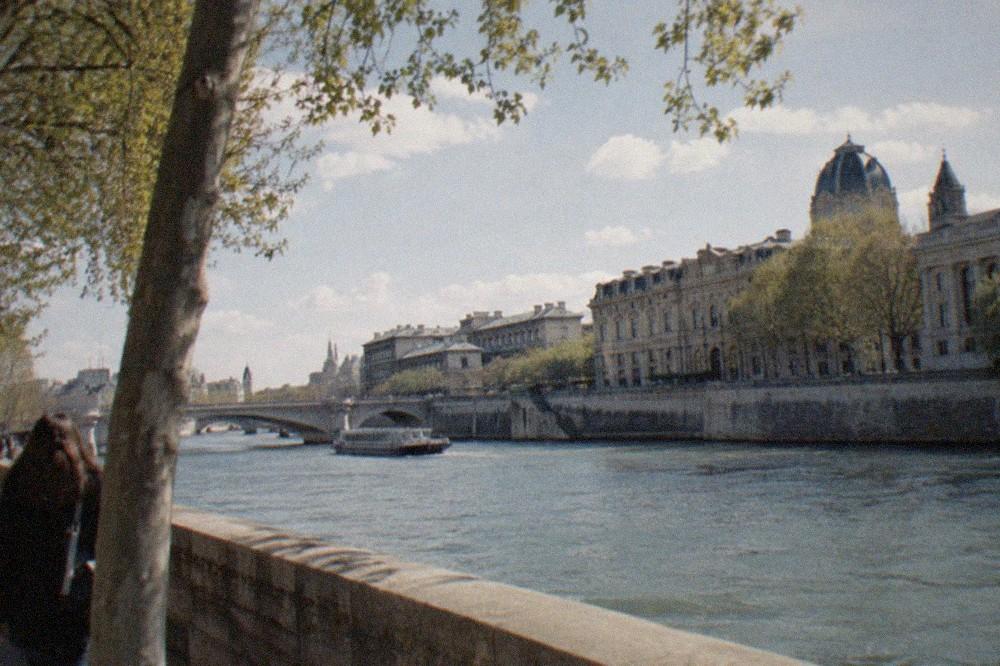
Day one is the Louvre day, and it only works on any day except Tuesday. Entry costs €22 for EEA visitors and €32 for everyone else, timed entry is compulsory, and the walk out through the Tuileries garden to the Orangerie takes about ten minutes. Plan four hours inside the Louvre, not two.
The Louvre is the one museum in this plan where the reservation genuinely matters. Timed entry is compulsory, and the free slot the museum gives on the first Friday of the month after 6pm, except in July and August, is the exception rather than the rule. The two-tier price is real and in force: €22 for EEA visitors, €32 for everyone else, per the Louvre's own admission page{: rel="noopener"}. Under-18s are free with photo ID, and so are EU and EEA residents under 26, including holders of a long-stay permit or visa over four months. Residency is what gets checked, not nationality.
Inside, the honest advice is to pick two wings rather than attempt the whole building. The Denon wing holds the Mona Lisa and the Salle des États, the Richelieu wing holds the Napoleon apartments and the Marly court, and rooms rotate closed under the museum's own published schedule. Reviews on the bookable listing run at 4.6 across 7,769 ratings, and the recurring complaint is exhaustion, not disappointment: the building is enormous and the crowd thins out badly around 3pm.
After the Louvre, the day resolves into a walk. Exit into the Tuileries garden, follow the gravel axis west for about ten minutes, and you reach the Musée de l'Orangerie at the garden's far corner, home of the two oval Water Lilies rooms. If your legs allow it, cross the Seine by the pedestrian bridge near the Orangerie and end the afternoon on the Left Bank, which is where day two begins. Full details on that cluster are in the guide to the Louvre, Orsay and Orangerie museum district.
A practical note on the Orangerie for day one: it shares the Louvre's Tuesday closure, so the two cannot be swapped into a Tuesday. If your first day is a Tuesday, run day two instead and return to this axis on Wednesday, when the Louvre's timed slots are typically the easiest of the week to book. Booking questions specific to the big museum are covered in detail on the Musée du Louvre tickets page.
Day Two: Orsay, The Orangerie And The Left Bank
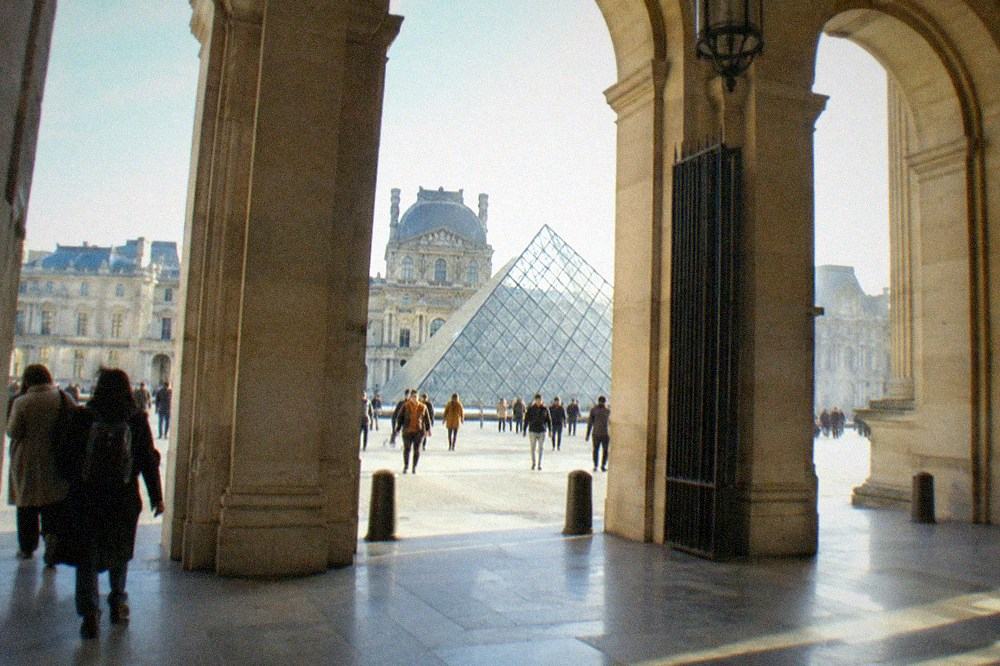
Day two is the Left Bank day and it cannot run on a Monday, because Orsay, Rodin, Picasso, Cluny and the Catacombes all shut then. The Musée d'Orsay costs €14 at the museum, the Musée de l'Orangerie €11, and the two sit roughly fifteen minutes apart on foot, one across the river from the other.
Start at the Musée d'Orsay in the morning, because the impressionist floor is the part that fills up. Orsay's pricing has an unusual inversion worth knowing before you pay: €14 bought at the museum, €16 booked online, so the online ticket costs more. On the first Sunday of the month the museum is free, but the free slot has to be booked online in advance; it is not a walk-in freebie. The bookable ticket starts from $15.12 and the listing rates 4.7 across 27,881 reviews, the strongest rating-to-volume combination in this whole plan. The museum is under renovation with modified access routes, but all collections remain reachable.
Cross back over the river for the Orangerie in the early afternoon. It is the smallest of the major three and needs barely an hour, which makes it the ideal second stop rather than a destination in itself. Two oval rooms hold Monet's Water Lilies as he intended them to be seen, in daylight, and the rest of the building holds a tight collection of Renoir, Cézanne and Modigliani. Timed entry is compulsory even for the free first-Sunday slot.
From the Orangerie the day forks. A fifteen-to-twenty minute walk down the Left Bank brings you to the Musée Rodin, which closes on Mondays and charges €14, with the sculpture garden included and free on first Sundays from October to March without any booking. Alternatively, keep going to the Musée de Cluny, the medieval museum on the boulevard Saint-Michel, which is €14 and closed Monday, and free the first Sunday of every month. Cluny is the one major museum on this site with no published rating at all, which tells you more about its audience than about its quality. Ticket options for the two anchor museums of the day are laid out on the Musée d'Orsay tickets page.
| Stop | Walking or transit time from previous stop | Time to allow | Adult door price |
|---|---|---|---|
| Musée d'Orsay | starting point | 2 to 3 hours | €14 |
| Musée de l'Orangerie | about 15 minutes on foot, one river crossing | 1 hour | €11 |
| Musée Rodin | about 20 minutes on foot along the Left Bank | 1 to 2 hours, garden included | €14 |
| Musée de Cluny | about 15 minutes on foot via boulevard Saint-Michel | 1 to 2 hours | €14 |
The Catacombes are a possible late addition on day two, but they need their own planning: the door price is €31, timed slots sell out days ahead, and they are closed Monday like the rest of the city camp. If the Catacombes are a priority, treat them as a morning booking on day three's Marais variant rather than a day-two add-on.
Day Three, Option One: Palace of Versailles
Day three can be Versailles, but only on a day that is not Monday. The RER C runs to Versailles Château Rive Gauche in roughly 30 to 40 minutes, the Passport ticket costs €35 from April to October and €25 the rest of the year, and a timed reservation is required even with a Paris Museum Pass. Count a full day.
Versailles is the one destination in this plan that is a day trip rather than a museum: roughly 15 to 20 km from central Paris, and the estate is large enough that the walk from the RER station is a real part of the day. The Passport ticket covers the palace, the Trianon estate and the gardens as a whole from 1 April to 31 October at €35, and the same estate at €25 from November to March, when the fountains are largely off. On free first Sundays from December to March the whole estate is included.
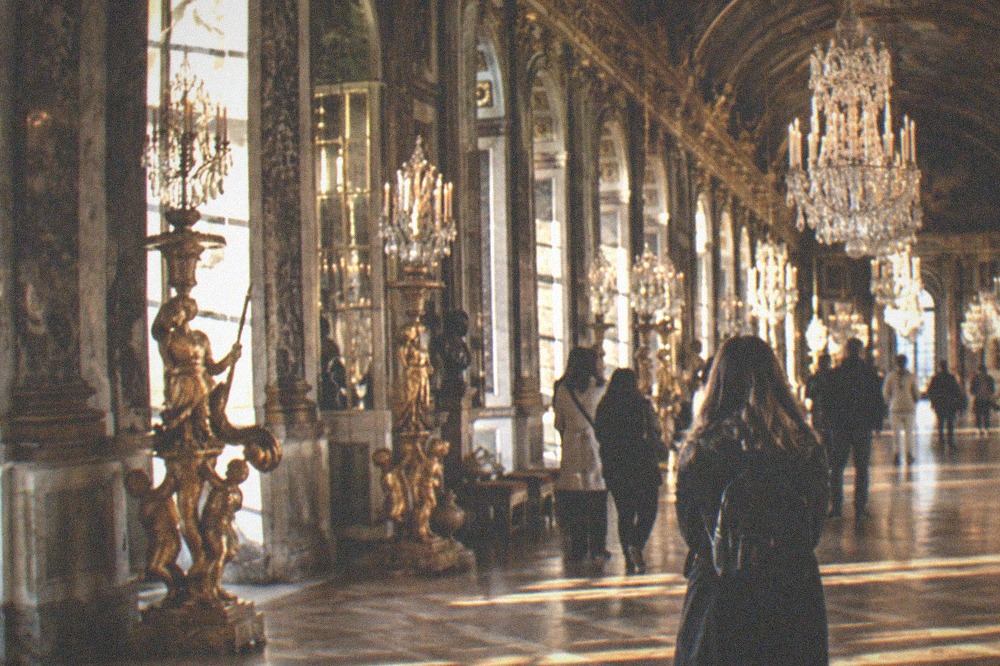
The reservation rule is the detail that catches pass holders. A Paris Museum Pass does not get you into Versailles without a separate timed slot, one of eight pass sites where a reservation is still required. The bookable ticket starts from $81.43 and the listing rates 4.7 across 11,852 reviews. Reviewers consistently recommend the morning arrival, before the Hall of Mirrors becomes difficult to photograph, and consistently warn that the gardens deserve more time than most plans give them.
Practically, the shape of a Versailles day is: palace in the morning, gardens and Trianon after lunch, back in Paris by early evening. If the day runs long, drop the Trianon rather than the gardens, because the gardens are what reviewers remember. And if the weather turns, Versailles is the worst swap in this plan, which is exactly why day three has a second version.
Day Three, Option Two: The Marais And The Monday-Proof Cluster
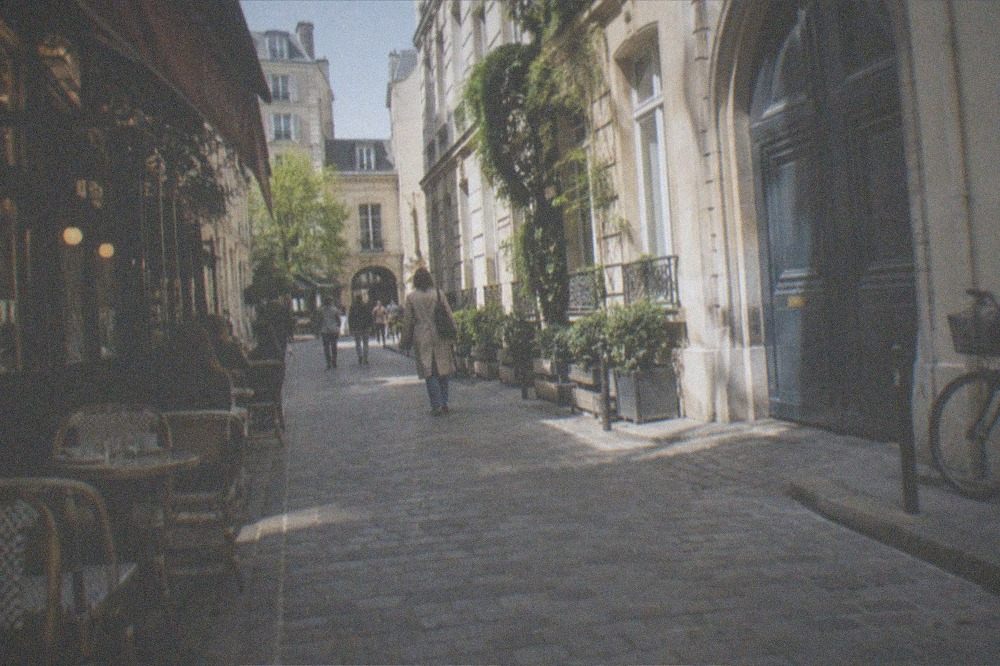
The Marais variant is the rainy-day and Monday-proof fallback: the Musée Picasso Paris at €16, the free Musée Carnavalet, and the Musée de Cluny a short ride away. Everything in it except Picasso is either free or first-Sunday free, and the whole cluster fits inside one afternoon.
The Marais holds the Musée Picasso Paris in the Hôtel Salé, at €16, free the first Sunday of every month with no reservation needed, and rated 4.5 across 3,696 reviews. Around the corner, the Musée Carnavalet, the museum of the history of Paris, is free to everyone all year for its permanent collection, no ticket at all, and only its temporary exhibitions are charged. Both are closed Monday, like the rest of the city camp, so this variant runs Tuesday through Sunday.
The honest sequencing note is that the Musée de Cluny appears in two places in this plan because it genuinely belongs to two days: it can close day two on the Left Bank or anchor day three if the Marais runs short. Do not do it twice. A single afternoon in the Marais plus Cluny is a full day by any reasonable standard, and the Cité des sciences et de l'industrie, in the 19th arrondissement at €15 full and €12 for ages 6 to 25, is a longer Metro ride than most visitors expect.
One warning for older plans: the Maison de Victor Hugo on place des Vosges is normally free, but it is ticketed until 22 November 2026 because a temporary exhibition occupies the apartment and the city sells the two together. This is the clearest live example of the exhibition caveat that applies across the free city museums, and it is worth checking before you count on any free door.
| Stop | Time to allow | Adult price | Closed day |
|---|---|---|---|
| Musée Picasso Paris | 1 to 2 hours | €16 | Monday |
| Musée Carnavalet | 1 to 2 hours | Free, permanent collection | Monday |
| Maison de Victor Hugo | 30 to 45 minutes | Ticketed while the exhibition runs | Monday |
| Musée Cognacq-Jay | 1 hour | Free, permanent collection | Monday |
| Musée de Cluny | 1 to 2 hours | €14 | Monday |
The Version For Families With Children
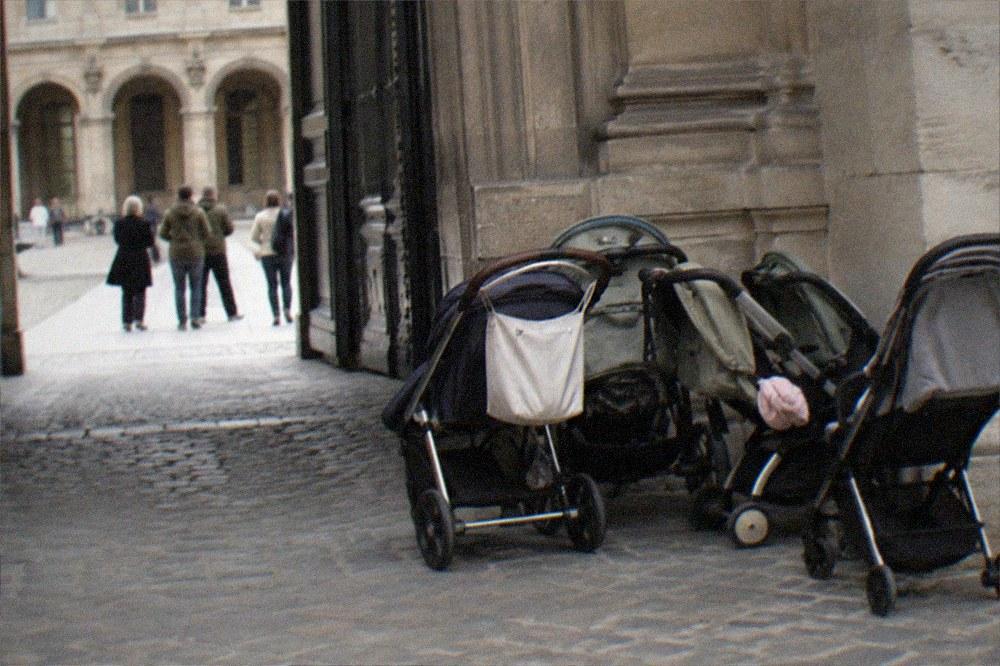
Children change the arithmetic completely: under-18s are free at the national museums with photo ID, and EU and EEA residents under 26 are free too, residency being what gets checked. The paid doors in this plan are adult-only costs, so a family of four pays for two, and the free city museums cost nothing at all.
The proof is printed on the CMN's own gratuity table: under-18s free with a photo identity document, and young people from the EU and EEA under 26 free, including holders of a long-stay residence permit or visa over four months. That applies at the Louvre, Sainte-Chapelle, the Panthéon, the Arc de Triomphe and the Conciergerie, among others. At the Louvre specifically, a non-citizen EEA resident under 26 must show a valid photographic and residency permit longer than 90 days with name and photograph.
The family shape of each day differs from the adult shape. Day one becomes the Louvre plus the Tuileries garden, with the garden as the release valve rather than the corridor. Day two works best as Orsay plus the Orangerie, because both are compact enough for shorter attention spans. Day three should probably be Versailles, because the gardens are the most child-friendly landscape in this entire plan, with the Marais as the weather fallback.
| Museum | Adult cost | Under-18 cost | Under-26 EEA resident cost |
|---|---|---|---|
| Musée du Louvre | €22 EEA, €32 non-EEA | Free with photo ID | Free with residency proof |
| Musée d'Orsay | €14 at the museum | Free | Free |
| Musée de l'Orangerie | €11 | Free | Free |
| Palace of Versailles | €35 high season | Free | Free |
| Musée Carnavalet | Free | Free | Free |
| Cité des sciences et de l'industrie | €15 | Free | Free |
One caution the free column hides: the free Friday evening belongs to the Musée des Arts et Métiers, not to the Cité des sciences, which publishes a flat €15 adult rate with €12 for ages 6 to 25 and closes on Mondays. Guides that promise a free Friday night at La Villette are confusing the two museums.
Late Nights, Free Evenings And When To Swap The Order
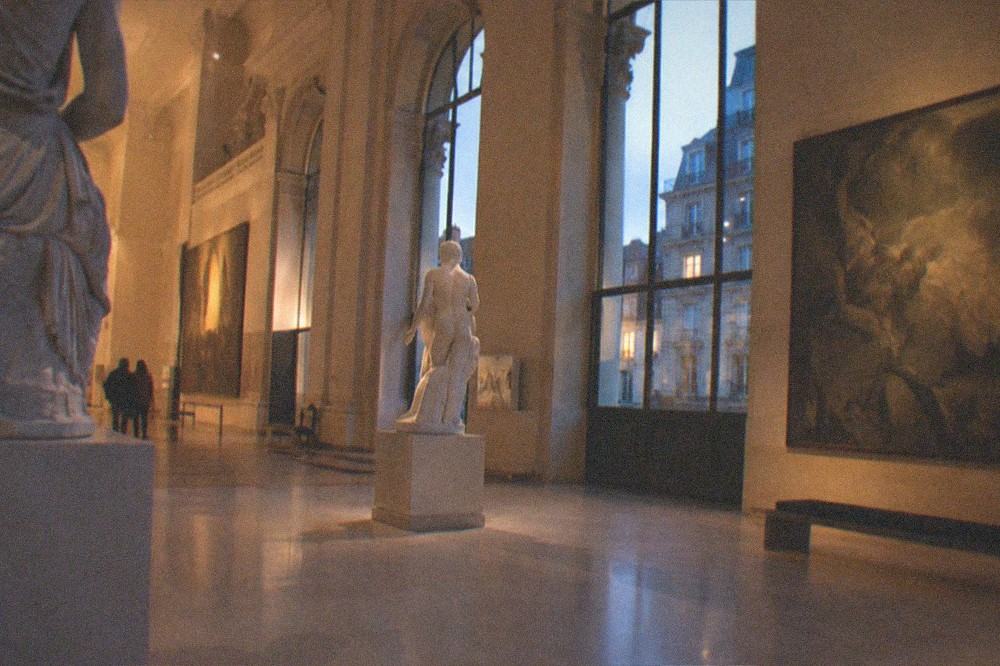
Two late openings and one free evening reshape the plan if you use them. The Louvre is free the first Friday of the month after 6pm except in July and August, the Musée des Arts et Métiers is free every Friday from 18:00 to 21:00, and the Orangerie and Orsay both do their free first Sunday by obligatory reservation.
The Friday-evening rules are the most underused free hours in Paris. The Louvre's first-Friday rule is the site's single sharpest correction to the rest of the internet: there is no free first Sunday at the Louvre at all, only the evening slot, and 14 July. Most published guides get this wrong, and turning up on a first Sunday expecting free entry is the classic mistake. The Musée des Arts et Métiers, €12 at the door and closed Monday, is free every Friday evening, a rule no other Paris museum has.
The first-Sunday rules deserve equal care. Orsay is free the first Sunday of every month all year, but the free slot must be booked online in advance. The Orangerie is free the first Sunday with an obligatory timed reservation. Rodin is free the first Sunday only from October to March. If your trip happens to include a first Sunday, day two becomes the cheapest day of the trip, provided you booked the slots before travelling.
Swapping the order for arrival days, in summary: land on a Monday, run day three first; land on a Tuesday, run day two first; any other landing day, run the plan as written. The one unfixable case is the Monday that is also a first Sunday of the month, when the Orsay free day collides with the Orsay closed day and the free slot moves to a different date.
What The Three Days Cost, With And Without A Pass
Priced per adult at the door, the full plan runs €32 plus €11 plus €14 plus €14 plus €35 high season for the five paid anchor visits, with every free museum on top. A Paris Museum Pass costs €85 for 2 days or €105 for 4, counts validity in hours from the first scan, and still requires a timed slot at the Louvre, Orsay, the Orangerie and Versailles.
The pass prices come straight from the pass's own page: €85 for 48 hours, €105 for 96 hours, €125 for 144 hours, adult only, because under-18s and EU residents under 26 are already free at most sites. Two structural rules matter more than the price. Validity is counted in hours from the first scan, not in calendar days, so a 2-day pass activated Wednesday at 3pm runs to Friday at 3pm. And the pass never covers temporary exhibitions, never bundles transport, and buys nothing at the free city museums, whose permanent collections are already free to everyone.
Whether the pass pays depends on one honest comparison. This plan's paid anchors are the Louvre, the Orangerie, Orsay, Rodin or Cluny, and Versailles, all of which are on the pass. But the free city museums, the Catacombes, the Eiffel Tower, the Palais Garnier, the Atelier des Lumières, the Musée Marmottan Monet and the Musée Jacquemart-André are all either free already or excluded, so the pass only pays if the paid anchors are genuinely what you came for. The detailed math, including the exclusion list in full, is in the site's guide to whether the Paris Museum Pass is worth it, and current pass pricing is on the pass's own page{: rel="noopener"}.
The cheapest honest version of this plan uses every free lever the city provides: the Louvre on a first-Friday evening, day two on a first Sunday with booked slots, the free Marais museums, and the Musée des Arts et Métiers on a Friday evening. The most expensive version books every anchor at the door at full rate. The gap between them is the price of planning, and Paris Museums exists to close it.
| Spend type | Pay-per-door total | With a 2-day pass at €85 |
|---|---|---|
| Louvre, Orangerie, Orsay, Rodin, Versailles anchors | €32 plus €11 plus €14 plus €14 plus €35 | Pass covers all five, timed slots still required |
| Free museums included (Carnavalet, and the rest) | €0 | €0, the pass buys nothing there |
| Friday-evening levers used | Louvre and Arts et Métiers at €0 | Same, the pass does not change free doors |
| First-Sunday levers used | Orsay and Orangerie at €0, slots booked | Pass holders use the reservation lane instead |
The last practical step is booking order. Lock the Louvre slot first, because it is the one reservation the whole plan bends around; then Versailles if day three runs west; then the Orsay and Orangerie slots for day two, which are easier and can often be made closer to travel. Availability questions for the biggest anchor are answered on the Palace of Versailles tickets page and its Louvre equivalent.
Common Questions About A Three-Day Paris Museum Itinerary
Which day should I visit the Louvre on a three-day trip?
Any day except Tuesday, when the Louvre is closed. The first Friday of the month after 6pm is free except in July and August, and 14 July is free too. Timed entry is compulsory, so book the slot before the rest of the plan.
Can I do the Louvre and the Musée d'Orsay on the same day?
You can, but it is the most crowded pairing in Paris. The plan keeps them on separate days, with the Orangerie as the small second stop after the Louvre, because Orsay deserves the same kind of unhurried three hours the Louvre does.
Is the Paris Museum Pass worth it for three days?
Often yes, if the paid anchors are what you came for. The 4-day pass at €105 fits a three-day trip better than the 2-day at €85, and the pass covers the Louvre, Orsay, the Orangerie, Rodin, Cluny and Versailles. It never covers transport or temporary exhibitions, and you still need timed slots at the biggest sites.
What if my trip starts on a Monday?
Run day three first, because it is the only day with two interchangeable versions. Monday closes Orsay, Rodin, Picasso, Cluny, the Catacombes, Versailles and every free city museum, but the Louvre and the Orangerie are open on Monday, so day one also works.
Are kids free at the museums in this plan?
Under-18s are free at the national museums with photo ID, and EU and EEA residents under 26 are free too, including holders of a long-stay permit or visa over four months. Residency is what gets checked, not nationality.
Is Versailles a full day from Paris?
Yes. The RER C takes roughly 30 to 40 minutes each way, and the palace, gardens and Trianon estate together fill a day. The Passport ticket is €35 from April to October and €25 the rest of the year, and a timed reservation is required even with a pass.
Which museums are free every day in this plan?
The Musée Carnavalet and the Musée Cognacq-Jay in the Marais, both permanent collections, plus the city's free network generally. The Musée des Arts et Métiers is free every Friday from 18:00 to 21:00, a rule no other Paris museum has.