Musée Rodin is a sculpture museum in the former Hôtel Biron in the 7th arrondissement, devoted to Auguste Rodin. It suits travelers who want major sculpture without marathon queues, and anyone who would enjoy an hour or two in a formal garden with bronzes scattered across the lawns.
What Is The Museum Known For?
Three things carry the museum's reputation: The Thinker, the monumental Gates of Hell, and a sculpted garden that many reviewers say justifies the ticket on its own. Rodin lived and worked in the building late in his career, and the collection indoors and out is drawn almost entirely from his own output, including plasters, marbles, and bronzes. Visitors regularly report that the garden alone, with The Thinker on its pedestal above the lawns, is the single most memorable part of a visit.
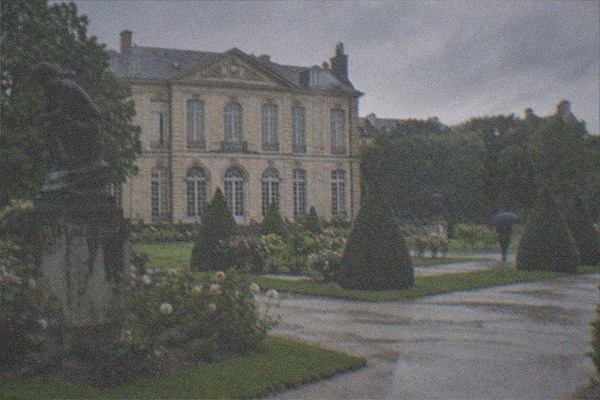
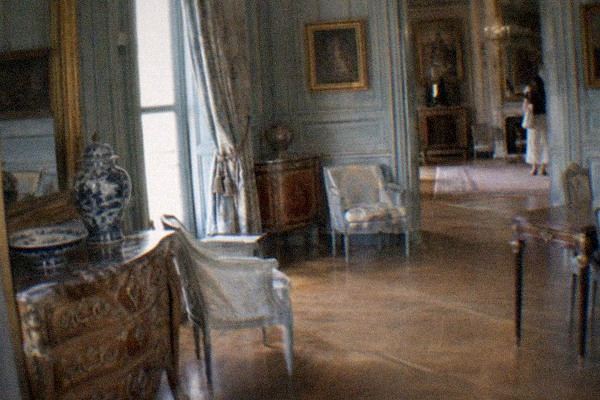
The building itself matters to the experience. The museum occupies the Hôtel Biron, an early 18th-century mansion with rococo woodwork and parquet floors that Rodin used as his studio and workshop from 1908. He agreed to leave his collections to the French state on the condition that the building become a museum devoted to his work, and it opened as such in 1919. The contrast is part of the appeal: intimate, creaking salons hung with sculpture, then a broad gravel courtyard opening onto hedges, roses, and a large lawn.
Indoors, the ground-floor rooms trace the evolution of Rodin's style from the rough, expressionist portraits of the 1860s and 1870s through the scandal-era works that made his name. The Age of Bronze and Saint John the Baptist Preaching are discussed by most guides as the pieces that show the controversy around his early career, when critics accused him of casting from a live body because the surfaces seemed too true. The upper floors carry portraits of the artists, writers, and patrons who sat for him, including busts of the era's most famous figures, alongside works by Camille Claudel, who is given rooms of her own. The Bourdelle bronzes aside, the Claudel galleries are a genuine second reason to come: her own sculpture, the museum's own page states, is presented to show her influence on and by Rodin rather than to bury it in his shadow.
Outdoors, the sequence is the reverse of most museums. Many visitors walk the garden first, then buy their time indoors, or arrive at opening and go straight to the garden before the tour groups spread across the lawns. The Thinker sits at the front of the main lawn facing the mansion; the Gates of Hell, the vast doors Rodin reworked for decades and from which The Thinker itself originated, stand in a dedicated slot near the garden's far side; the Burghers of Calais group stands at the edge of the lawn, unroped and walkable around from every side, which reviewers consistently say is the best close-up sculpture experience in Paris. Photography is unrestricted in the garden, and on a weekday morning the benches along the hedges are quiet enough to sit with for a long time.
Who does it not suit: travelers who want a half-day institution in the mold of the Musée d'Orsay, or families with small children who need the scale and variety of a large collection. Musée Rodin is compact and single-artist, and that is either its strength or its limitation depending on the day's appetite.
Tickets, Prices And What They Cover
Standard adult admission is €14 at the museum door. A skip-the-line ticket can be booked online in advance at €15, a euro over the door price, and the bookable ticket covers entry to both the mansion and the garden. Entry is free the first Sunday of the month from October through March, and no booking is needed for those free days. The museum closes every Monday and opens Tuesday to Sunday.
The ticket is a single all-site pass: the interior galleries, the temporary exhibition rooms, and the garden are all included in the one price, whichever way you buy it. There is no separate garden-only ticket, which surprises some visitors who assume the grounds can be entered on their own. Reviewers consistently say the standard ticket is the only decision to make, since nothing is upsold inside, and the onsite shop and café are pay-as-you-go.
On timing, the online route is mainly about queue avoidance and scheduling, not savings. At €15 versus €14, the euro buys a timed entry and no wait at the desk, and reviewers regularly report walking past a short ticket line straight to the door. On weekends and in summer the line at the entrance desk can be slow, so the advance option matters more then; on weekday mornings the door price is easy enough to pay with no real wait. Either way, the official site is the reference for current conditions: the museum's own visitor page publishes the practical details straight from the source.
For the free Sundays, the practical advice is to arrive early. The free entry applies only from October through March, so summer visitors should not count on it, and on a free first Sunday the mansion rooms fill fastest while the garden absorbs crowds easily. Travelers building a budget itinerary around free days might also look at how the big institutions handle their own windows: the Musée du Louvre and other national museums follow the same October-to-March first-Sunday convention, which makes a combined free-day circuit possible in winter if planned with opening times in mind.
How Long To Allow And When To Go
Allow ninety minutes to two hours for a full visit: roughly an hour in the mansion's galleries and forty-five minutes to an hour in the garden. Visitors who sit in the garden, read the object labels at length, or take the Claudel and Bourdelle rooms seriously should budget closer to two and a half hours. The museum closes on Mondays, so plan for Tuesday to Sunday, and weekday mornings are the quietest window reviewers report.
The best sequencing depends on season. In spring and early summer the garden is at its peak, the rose garden along the south side is in flower, and the light on the bronzes is strongest early; the practical route is garden first, then the cool interior. In winter the reverse is better, since the mansion is heated and well lit, and the shorter days mean the outdoor sculptures lose their light by late afternoon. Reviewers consistently say the garden in good weather changes the whole visit, so if you have a flexible Paris itinerary, keep this museum for the sunniest morning you have.
Crowds cluster predictably. Midday tour groups come through in waves, mostly bound for the ground-floor rooms and a photo of The Thinker, then dissipate in the garden. Late afternoon on a weekday is the second-quietest window after opening. First Sundays from October to March are the busiest free days, and reviewers advise arriving near opening if the free entry is the plan. Compared with the crush at the Arc de Triomphe or the riverside majors, the scale here keeps even busy days manageable, because the garden effectively has unlimited capacity and absorbs the overflow.
Rain is the one condition that shrinks the visit, since the garden becomes a wet detour and the interior alone is closer to an hour. There is no cloakroom issue with umbrellas worth planning around, but wet shoes on parquet are discouraged, so a visit in a downpour is best postponed or swapped for a museum built around interiors.
Know Before You Go
Musée Rodin is at 77 rue de Varenne, Paris, France, in the 7th arrondissement, at coordinates 48.85475, 2.31587. The museum is closed every Monday. The nearest stations are Varenne on Metro line 13, a short walk from the rue de Varenne entrance, and Invalides on lines 8 and 13 plus the RER C, a few minutes further. Allow ninety minutes to two hours on site.
The neighborhood is one of the quietest museum settings in central Paris. Rue de Varenne is a narrow, embassied street in the Faubourg Saint-Germain district, and the walk from Varenne station passes the front of the Hôtel des Invalides complex, whose golden dome sits a few blocks north. Visitors arriving from the Right Bank can take the RER C to Invalides and walk south, which is faster than crossing the river by Metro with a connection. Cyclists will find the area flat and the streets calm, and there are taxi stands on Boulevard des Invalides to the north.
Practicalities worth knowing: the museum has a small café with garden seating, a bookshop in the courtyard wing, and the whole interior is reachable by routes that suit visitors with limited mobility, though the historic building means some doorways and floor surfaces are original. The garden paths are gravel, which affects wheelchair use after rain and affects anyone in heels on a wet day. Large bags and backpacks are a common problem in small mansion museums, and the safest assumption is to travel light; a daypack left at a hotel or in a locker at a nearby station makes the visit easier. For transport planning across the day, the city's transport operator publishes line and station details for Varenne and Invalides at ratp.fr, which is worth a look before a multi-museum day.
One last note on orientation: the main visitor entrance is on rue de Varenne, and the garden extends behind the mansion toward rue de Varenne's western end. Visitors coming from the Palais Garnier side of the city should budget half an hour of Metro time to reach the 7th, since the two sit on opposite sides of the center.
What Is Nearby Worth Pairing It With
The Invalides complex sits five minutes' walk north of Musée Rodin and is the natural first pairing, together with the Musée d'Orsay across the river and the Seine-side walk between them. A realistic day pairs Musée Rodin in the morning with the Orsay after lunch, or Rodin with Invalides and a stroll through Faubourg Saint-Germain, all inside a compact corner of the 7th arrondissement. Travelers with a full day can add a river crossing to the Tuileries and the Louvre in the afternoon.
The Invalides grouping deserves the first mention because of distance. The Army Museum and Napoleon's tomb occupy the great classical complex whose dome dominates the skyline north of the museum, and the walk between them passes the Foreign Ministry's forecourt and some of the best-preserved 18th-century street fronts in Paris. Visitors regularly report doing Rodin in the morning and Invalides before lunch without hurrying, which makes the two a standard pairing for a first Paris trip.
Across the river, the Musée d'Orsay is the stronger artistic pairing. The Orsay's own collection holds Rodin-era sculpture and painting, so seeing both gives the period its full context, and the walk from rue de Varenne to the Orsay's riverfront site is a pleasant twenty minutes along quiet 7th-arrondissement streets and across the Pont Royal. Reviewers who do both in one day recommend Orsay second, since its scale is bigger and its late-afternoon light through the great hall is a famous finish.
For a Left Bank afternoon, the Rue Cler market street runs a few blocks west and is the neighborhood's everyday café-and-shops spine, good for a break between museums. The Bon Marché department store and its smaller food hall sit further west, toward the boundary with the 6th. And for a grander single-day arc, some travelers start at the Musée du Louvre in the morning, walk the Tuileries after, cross to the Left Bank, and finish the day at Musée Rodin's garden as it empties toward evening: the garden benches, the lit Thinker, and a nearly silent lawn are a closing scene that few Paris museums can offer, because the sculpture outlasts the closing of the doors.
Questions People Ask
How Much Does Musée Rodin Cost?
Standard adult admission is €14 paid at the museum door. A skip-the-line ticket can be booked in advance at €15, which is a euro over the door price and covers the same full site: the mansion galleries, the exhibition rooms, and the garden.
Is Musée Rodin Free On The First Sunday Of The Month?
Yes, but only from October through March. Entry is free the first Sunday of those months, and no booking is needed. From April through September the first Sunday is a normal paid day, so the €14 door price or the €15 advance ticket applies.
Do I Need To Book Tickets In Advance?
Not strictly. The €14 door price can be paid at the museum with no advance booking. The €15 booked ticket buys timed, skip-the-line entry instead, which reviewers say matters most on weekends and in summer when the desk line moves slowly.
How Long Does A Visit Take?
Allow ninety minutes to two hours: about an hour in the mansion galleries and forty-five minutes to an hour in the garden. Visitors who linger over the Camille Claudel rooms or sit in the garden should budget closer to two and a half hours.
Is The Musée Rodin Garden Included In The Ticket?
Yes. The single admission price covers the indoor galleries, the temporary exhibition rooms, and the garden, and there is no separate garden-only ticket. The garden holds The Thinker, the Gates of Hell, and the Burghers of Calais.
What Day Is Musée Rodin Closed?
Monday. The museum opens Tuesday to Sunday, which puts it in the same weekly camp as the Musée d'Orsay and the free city museums rather than in the Tuesday camp of the Louvre and the Orangerie.
How Do I Get To Musée Rodin?
The museum is at 77 rue de Varenne in the 7th arrondissement, at coordinates 48.85475, 2.31587. The nearest Metro stop is Varenne on line 13, a short walk away. Invalides station, on lines 8 and 13 plus the RER C, is a few minutes further.
What Is Musée Rodin Famous For?
It is known for The Thinker, the monumental Gates of Hell, and a formal garden that reviewers regularly say is worth the ticket on its own. The collection also includes The Age of Bronze, the Burghers of Calais in the garden, and rooms devoted to Camille Claudel.