The Arc de Triomphe is a neoclassical triumphal arch commissioned to commemorate French military victories, and it is one of the few Paris monuments where the best part is the roof. It suits anyone who wants the classic Paris panorama, with the Eiffel Tower in frame, without the long lines of a tower visit.
What You Actually See Inside
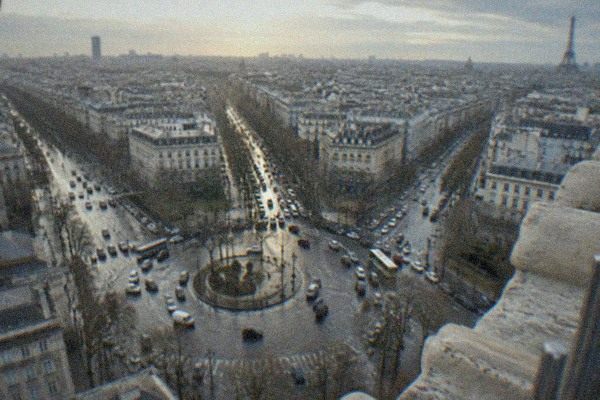
The visit is a climb to a rooftop terrace that most people walk past without realizing it exists. From the top you get the full radiating view of twelve avenues, the Champs-Élysées stretching toward the Louvre, and the one Paris panorama where the Eiffel Tower sits squarely in the frame.
The arch itself sits at the center of Place Charles de Gaulle, anchored by the Tomb of the Unknown Soldier at ground level. The tomb carries an eternal flame that is relit each evening, a ceremony that has continued without interruption since the 1920s. Visitors regularly report that this small ritual, watched from the terrace above or from the pavement below, is the emotional core of the visit, more than any single exhibit inside.
Inside the structure, the walls carry the names of battles fought during the Revolution and the Empire, alongside the names of generals. A small exhibition space traces the history of the monument, from Napoleon's commission after the victory at Austerlitz through its completion decades later, well after his fall. The detail that stays with most visitors is the frieze and column sculpture on the facades, best studied either before the climb or on the way down, when the legs are fresher.
The sequence of the visit matters. You reach the arch through an underpass from the avenue sides, never by crossing the roundabout traffic on foot, which is both illegal and genuinely dangerous. After ticket control you climb a stairway that spirals up through the hollow core of the arch. The staircase is the work: reviewers consistently describe it as a steady, unheated ascent of several hundred steps, broken by small window landings where you can catch your breath and peek at the roofline stonework close up. The reward is the open terrace at the top, a railed platform wide enough to walk all the way around, a full 360 degrees over the city.
Sunset is the moment most visitors recommend, though it is also the most crowded. The terrace is equally striking at midday in winter, when the light is low and the twelve avenues cut long shadows across the city. Either way, bring the camera and expect to spend as long on the roof as you spent climbing to it.
Tickets And Entry Routes
Standard adult admission is €22 from April through September, dropping to €16 on Wednesdays in that window, and €16 from October through March. Visitors under 18 enter free with photo ID, and EU and EEA residents under 26 enter free, including holders of a long-stay permit or visa. A bookable ticket starts at $18.61 and may include a guide or a timed entry slot.
The museum sells a real ticket at the door, and the seasonal split above is the door price in euro, set by the monument itself. If you prefer to lock in a time before leaving home, a bookable option exists and starts at $18.61, though that figure is a booking from-price and never the same thing as the euro price at the entrance, since a booking can bundle a guide or a reserved slot. For anyone who likes a fixed arrival time rather than joining the general line, booking ahead is the easier route.
The free categories are generous and worth checking before you pay anything. Under-18s need photo ID to prove age. The under-26 free entry applies to EU and EEA residents, and the monument extends it to non-EU nationals holding a French long-stay permit or visa, so students and expats living in Paris often qualify without realizing it.
One planning note on the free Sundays: the rule runs only from January to March and from November to December. Summer first Sundays are not free, so do not build an August itinerary around it. The monument's own practical information page is the source for the door prices and free-entry terms above, and it lists any special closures that can affect a visit.
If you are touring several monuments in one trip, the Arc de Triomphe pairs naturally with the Panthéon, another state monument on the same seasonal pricing, and with Sainte-Chapelle, where stained glass rather than stone carries the impact. Multi-site passes are worth comparing against the door prices if your list is long.
How Long To Allow And When To Go
Most visitors spend between 45 minutes and an hour and a half, with the climb itself taking 10 to 15 minutes depending on pace and crowd levels. There is no weekly closing day, so the monument runs seven days a week. Late afternoon and sunset are the popular windows, and they fill up first.
The visit breaks down into three parts, and the timing of each varies with the season. The security and ticket check at the underpass can take a few minutes or considerably longer in high summer. The climb is a fixed effort but slows when the stairway is congested. The terrace is the flexible part: some people take three photos and descend, while others stay for an entire sunset cycle and watch the city lights come on. Budget generously if sunset is the goal.
Timing within the week matters more than timing within the day. Wednesdays carry the reduced €16 rate during the April-to-September window, so a midweek summer visit is both cheaper and, anecdotally, a touch lighter on crowds than the weekend crush. Reviewers consistently say that early morning is the quiet alternative to sunset, with clearer air and thinner numbers on the stairs, though you trade away the golden light.
Seasonally, the October-to-March pricing already tells you these are the softer months. Winter light on Paris is low and dramatic, and the rooftop view loses little in cold weather as long as you dress for wind, because the terrace is exposed on all sides. Summer brings heat inside the stairwell, which is unconditioned, and the longest queues of the year.
For a first visit, the strongest single recommendation is a weekday late afternoon: you climb in daylight, catch the sunset from the terrace, and descend as the avenue lights switch on. It is the version of the visit that reviewers describe most often when they call it a highlight of their trip.
Know Before You Go
The address is Place Charles de Gaulle, Paris, France, in the 8e arrondissement. Reach the arch only through the pedestrian underpass, never across the road surface. The nearest Metro stop is Charles de Gaulle, served by lines 1, 2 and 6, and RER line A also serves the adjacent station.
The underpass entrances sit on the avenue sides of the square, with the most used access on the Champs-Élysées side. Crossing the twelve-lane roundabout at street level is prohibited and dangerous, yet visitors regularly report seeing tourists attempt it, so plan the approach deliberately. Once below, signage leads you to security, ticket control, and the base of the stairway.
The climb is the main accessibility fact. There is no elevator to the terrace for general visitors, and the ascent is several hundred spiral steps with landings but no seating on the way up. Visitors with limited mobility, heart conditions, or very young children should weigh this honestly: the view is superb, but it is earned on foot. The terrace itself is flat and railed once you arrive.
Bags go through security screening at the underpass, so travel lighter than you would for a park stroll. Large suitcases and bulky items are a bad idea given the narrow stairway and the exposed terrace. Wind on the roof is a constant, so hold hats and phones firmly; the rail is high, but loose items have a way of leaving the monument early.
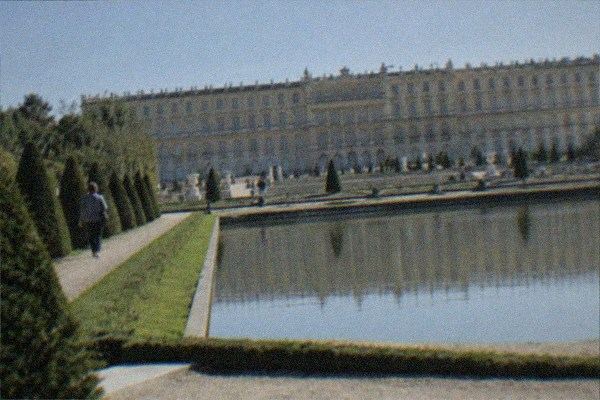
For transport beyond the Metro, the RATP operates the lines serving the square, and its own journey planner confirms connections across the network on the RATP site. If you are moving on to Versailles afterward, note that the Palace of Versailles is reachable via RER line A from the same station you arrive at, which makes a same-day pairing surprisingly easy.
Who It Suits And Who It Does Not
This visit suits photographers, first-time visitors chasing the definitive Paris view, and anyone with a spare hour on the Champs-Élysées. It does not suit visitors who cannot manage a long stair climb, since the terrace is reachable only on foot, and it is thin for anyone expecting gallery-style interiors like the Louvre.
The honest comparison is with the other high viewpoints. The Eiffel Tower has the name and the longer queue; the Arc has the Eiffel Tower in its picture, plus a faster, cheaper ascent and a view of the tower itself lit up at dusk. Visitors regularly report choosing the Arc precisely because they wanted the tower in the frame, something no tower summit can offer. The trade-off is scale: the terrace is smaller and lower than a tower deck, and there is no glass floor or elevator ride.
Families split along the stairs question. Children who can handle the climb tend to love the ramparts and the toy-city view of traffic circling below the arch, and the under-18 free entry removes the cost concern entirely. Toddlers and strollers are a poor fit: the stairway is narrow, there is no place to park a stroller comfortably, and carrying a child up several hundred steps is a serious workout.
Art-first visitors should calibrate expectations. The monument is architecture and view, not a collection. The sculpture, the engraved names and the small exhibition reward attention, but someone expecting rooms of paintings will finish in twenty minutes and wonder what the fuss was. For that traveler, an hour at the Palais Garnier or a Seine-side afternoon delivers more of what they came to Paris for.
Where it consistently wins is the ratio of effort to payoff. One hour, one climb, and you have the single most complete visual summary of Haussmann's Paris available anywhere, with the Eiffel Tower standing in the corner of the frame. Few monuments in the city offer that trade.
What Is Nearby Worth Pairing
The arch sits at the top of the Champs-Élysées, so the pairing is built in: walk the avenue down to the Tuileries in about 30 minutes, or head the other way toward the Palais de Chaillot and its Trocadéro view across the river. Everything worth pairing sits on this axis or one Metro stop off it.
Walk down the Champs-Élysées after your descent and you pass the Grand Palais, the Petit Palais and the Pont Alexandre III, one of the most photographed bridges in the city, all without a single Metro ride. The Louvre waits at the far end of the axis, and the whole route is the spine of classical Paris that the arch was designed to anchor. Visitors regularly report doing this walk in one straight line and counting it among the best hours of their trip.
Westward instead, the Palais de Chaillot across the Seine gives you the famous elevated terrace look back at the tower, roughly ten minutes away on foot over the Pont d'Iéna. The Passy and Trocadéro side of the 16e is quieter, more residential, and good for recovering from the terrace crowds with a coffee on a side street.
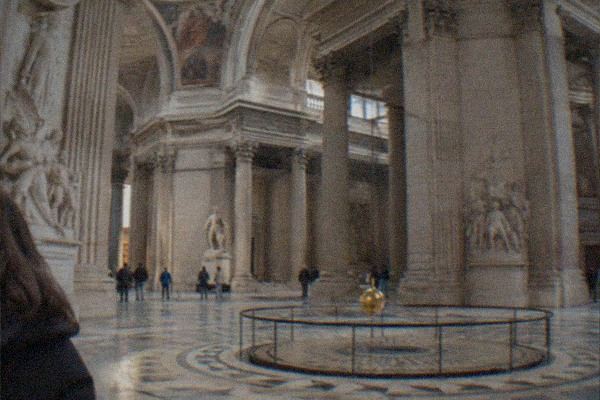
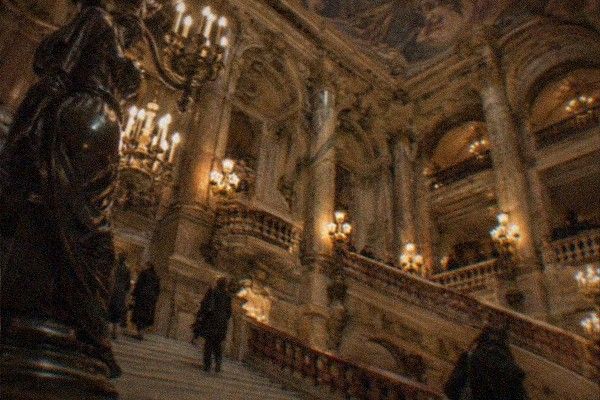
For monument pairings in the other direction, the Panthéon in the Latin Quarter makes a strong thematic double, a building full of French memory, though its colonnade is closed for works so the Arc has the only open terrace of the two. Closer at hand, the Palais Garnier is a short Metro ride on line 1 toward the Opéra stop, an opulent interior to balance all that open sky. If your day runs long, Sainte-Chapelle on the Île de la Cité closes the circuit with upper windows that hold their own against any view from the roof.
Practically, most visitors center this whole area on one afternoon or one full day. The arch in late afternoon, the avenue walk at dusk, and dinner somewhere off the tourist track near Passy or in the 8e is the itinerary that repeats across review after review, and it holds up.
Questions People Ask
How Much Does The Arc de Triomphe Cost To Visit?
Standard adult admission is €22 from April 1 to September 30, dropping to €16 on Wednesdays within that window, and €16 from October through March. A bookable ticket starts at $18.61 and may include a guide or a timed slot, which is a booking price and not the same thing as the door price in euro.
Is The Arc de Triomphe Ever Free?
Yes. Entry is free the first Sunday of the month, but only from January to March and from November to December. Children under 18 enter free with photo ID, and EU and EEA residents under 26 enter free, including holders of a French long-stay permit or visa.
How Long Should I Plan For A Visit?
Most visitors spend between 45 minutes and an hour and a half. The climb to the terrace takes 10 to 15 minutes depending on pace, and the rest of the time goes to the tomb at ground level, the small interior exhibition, and however long you choose to stay on the rooftop taking in the view.
Which Metro Station Is Closest To The Arc de Triomphe?
Charles de Gaulle, served by Metro lines 1, 2 and 6, with RER line A at the same station. From there, reach the arch through the pedestrian underpass on the avenue sides. Never cross the road surface of the roundabout on foot, as this is prohibited and dangerous.
What Is The View From The Top Like?
The rooftop terrace offers a full 360-degree panorama over the twelve avenues radiating from the square, the Champs-Élysées running toward the Louvre, and the Eiffel Tower standing within the frame. Reviewers consistently name it the best all-round view of Paris precisely because the tower appears in it.
Is The Visit Accessible For People Who Cannot Climb Stairs?
No elevator serves the terrace, so the visit involves several hundred spiral steps reached on foot. The Tomb of the Unknown Soldier at ground level can be seen without climbing, but the rooftop, which is the monument's main draw, is not realistically accessible for visitors with limited mobility.
Does The Arc de Triomphe Close On Any Day Of The Week?
No. The monument has no weekly closing day and operates every day. Special closures can occur, so the museum's own practical information page is the reliable place to check before a visit, particularly if you are planning around a public holiday.
When Is The Best Time Of Day To Go Up?
Late afternoon is the favorite: visitors climb in daylight, watch the sunset from the terrace, and descend as the city lights come on. Early morning is the quieter alternative with thinner crowds on the stairway, though you give up the golden evening light over the twelve avenues.