Musée Bourdelle is a sculpture museum in Antoine Bourdelle's former studio and home in Montparnasse. It suits anyone curious about how a sculptor actually worked, since the studios and plaster casts survive as he left them. Entry is free. Skip it if you want blockbuster crowds and a gift-shop gauntlet.
What Is The Museum Known For?
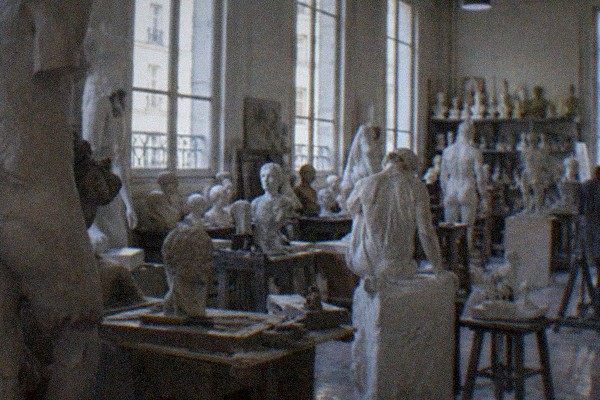
The hallmark here is preservation. Bourdelle's studios and their plaster casts stand as he left them, in the Montparnasse district where he lived and worked, so the visit reads less like a gallery circuit and more like a walk through a working sculptor's daily surroundings. The gardens and the great plaster casts anchor the whole experience.
Antoine Bourdelle (1861 to 1929) worked for fifteen years as an assistant in Auguste Rodin's studio before striking out on his own, and his own mature style pushed toward something more architectural and monumental than his teacher's. The museum occupies the compound he built for himself: the original studios at 18 rue Antoine Bourdelle, plus a later brick extension completed in 1961 to house the biggest casts. The result is a set of rooms at very different scales, from intimate workspaces where he kept models and small studies to a vast hall built around monumental plaster figures.
What visitors regularly report as the surprise of the visit is the material honesty of it all. Plaster is the sculptor's working material, the intermediate state between clay idea and finished bronze or stone, and museums rarely show it this raw. Here the great white casts, the ones that became bronzes now standing in cities worldwide, fill halls with their rough seams and marks still visible. Reviewers consistently say the contrast between the humble studios and the towering figures is what makes the place memorable.
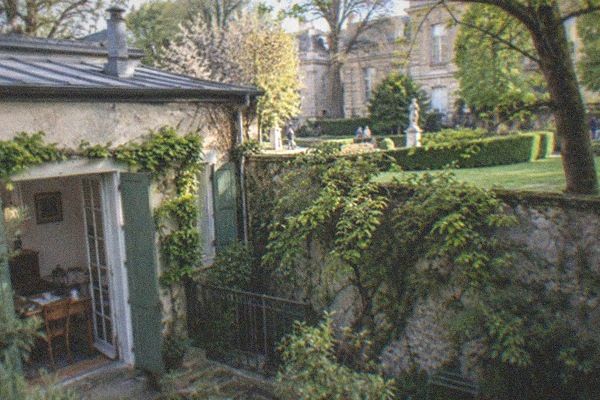
The sequence of a visit matters, too. You typically enter through the garden, where bronzes stand among trees on a quiet residential street, before moving into the studios with their crowded casts and personal belongings, then into the purpose-built halls. The museum also runs temporary exhibitions, usually one major show at a time, often pairing Bourdelle with another artist or theme. When a temporary exhibition is running, the permanent collection remains free and only the exhibition carries a charge, which is the one wrinkle in an otherwise free visit.
One more thing worth saying plainly: this is a specialist museum, and that is its strength. It will not compete with the Louvre for scale or spectacle. What it offers instead is depth on a single artist and a genuine sense of place. Anyone with an hour and any interest in sculpture, or in Paris's art history of the early twentieth century, will find it one of the calmer, more atmospheric museum experiences in the city, and it costs nothing.
Tickets And Entry: What It Costs
Entry to Musée Bourdelle is free to everyone, and no ticket is needed. The city of Paris, which runs the museum, prints one caveat: the visit is only partly free while a temporary exhibition is on, meaning the permanent collection stays free and the exhibition itself may carry a charge. There is no booking step for the free collection.
That makes Musée Bourdelle one of the rare Paris museums where the default question, how much does it cost, has a simple answer: nothing. Walk in during opening hours and you enter the permanent collection without paying, without a timed slot and without queuing for a ticket desk. The museum is one of the Ville de Paris's own museums, and the city applies this policy across its network, alongside institutions such as the Musée d'Orsay's monthly free windows and the Arc de Triomphe for national monuments, though unlike those, Musée Bourdelle is free every day it is open, not just on set dates.
The one cost you may meet is the temporary exhibition. The museum stages major shows, and for those a paid ticket generally applies even though the rest of the museum remains free. If you are visiting specifically for an exhibition, check the museum's own page for that show's arrangements. The official Musée Bourdelle site lists current and upcoming exhibitions with their terms.
No other charges are standard here. There is no combined pass to buy, no upsell at the door, and the free policy covers every visitor with no age condition, children included. Compare that with the paid circuit: the Musée Jacquemart-André, a house museum of a different flavor, and the Palais Garnier both sit on the paid side of the Paris museum map. Musée Bourdelle asks for nothing except your time.
How Long To Allow And When To Go
Allow roughly ninety minutes to two hours for a full visit, longer if a temporary exhibition interests you. The museum is closed every Monday, so plan any other day of the week. Weekday mornings are the quietest window, and the garden is at its best in good weather.
The size of the place dictates the pace. This is not a museum you need a whole afternoon for, but rushing it would waste the point. The studios reward slow looking, because the appeal is exactly the kind of detail a fast walker misses: tools, small studies, the arrangement of casts as Bourdelle left them, the marks of a plaster surface up close. Visitors regularly report spending most of their time in the great hall with the monumental casts and then a lingering loop through the garden.
When to go depends on what you want. Weekends bring more local families, and the museum's free entry makes it a popular neighborhood stop. A weekday visit, especially a morning one, gives you the studios closer to silence, which suits the atmosphere of the place. The museum also hosts temporary exhibitions, and those draw the biggest crowds, so if you want the quietest possible visit, go outside an exhibition's opening weeks. The museum's own page publishes exhibition dates so you can see what will be running when you travel.
Rain or shine matters less here than at some museums, since the garden bronzes are worth the walk in decent weather but the indoor studios are the heart of the visit anyway. Winter visits are perfectly comfortable, and the light in the studio halls, which is part of their design, is arguably better appreciated on a gray day. Pair the timing with Montparnasse more broadly: the district rewards a slow morning, and the museum sits on a quiet street that keeps its residential calm even in high season.
Know Before You Go
Musée Bourdelle stands at 18 rue Antoine Bourdelle in the 15e arrondissement, on the Montparnasse side, at coordinates 48.8433, 2.31863. The street itself is small and residential, so the museum is easy to walk past if you are not looking. Check transport details and current access information on the museum's official site before you travel.
Getting there is straightforward. The museum sits just south of the Montparnasse tower and train station area, within easy walking distance of the main Montparnasse transport hub, so you can arrive by Metro, by RER or on foot from the cafés and galleries of Montparnasse. The immediate neighborhood is calm, with the Gare Montparnasse complex, the Rodin-connected history of the quarter and the cemetery all within a pleasant walking radius. Coming from the Left Bank's bigger sights, you can walk from the Musée d'Orsay area along the river and down through the 7e and 15e in well under an hour.
On practicalities: the museum is closed every Monday, plan around that first, because it is the single most common planning mistake for Paris city museums. Since entry is free and no ticket is needed for the permanent collection, there is no arrival-time pressure. Turn up, walk in. If a temporary exhibition is running, its arrangements are separate, and the museum states those on its own site.
For accessibility, families and anyone with reduced mobility, the honest advice is that the official source is the place to check. The museum is a complex of historic studios and a modern extension, which means floors and doorways vary. The city maintains an access page among its paris.fr municipal pages covering its museums, and the museum's own site carries the current practical information. Wheelchair access, luggage rules and stroller policy should be confirmed there rather than assumed from this guide.
Two smaller notes. Photography is generally tolerated in the permanent collection, as it is across most city museums, but exhibition spaces may restrict it. And because the museum is free, it makes an excellent bad-weather stop or end-of-day stop, with no sense of wasting a ticket if you only stay forty minutes. That flexibility is a real advantage of a free municipal museum over a timed-entry monument.
What Is Nearby Worth Pairing It With?
The obvious pairing is Montparnasse itself: the cemetery, the historic cafés and the tower all sit within a short walk. Beyond the district, the Rodin Museum in the 7e arrondissement is the natural thematic companion, since Bourdelle spent fifteen years in Rodin's studio. Allow half a day if you combine the two.
Start with the immediate neighborhood. The Cimetière du Montparnasse is minutes away, a quiet green space where many artists and intellectuals of the same era are buried. The Boulevard du Montparnasse café strip, where the twentieth-century art world argued and drank, is a ten-minute walk north. The Montparnasse Tower offers its rooftop view deck, for a fee, and gives you the fastest orientation over the whole Left Bank. You can build an entire Montparnasse day out of a morning at Musée Bourdelle plus these stops without ever crossing the river.
For the thematic pairing, head to the Musée Rodin in the 7e. Bourdelle's career is nearly impossible to understand without Rodin, his employer and mentor for a decade and a half, and seeing Rodin's marble and bronze before or after Bourdelle's plaster casts makes both museums richer. Reviewers consistently say the two visits read as one story. The Rodin museum charges entry, so it makes sense to do Musée Bourdelle first, free and low-commitment, then decide how deep you want to go.
Further afield but workable in one day, the 7e arrondissement's major museums are reachable on foot or with one Metro ride. If your itinerary runs toward the river afterwards, the Musée d'Orsay and its Impressionist collections are the anchor sight of the Left Bank, and the Musée Jacquemart-André on the Right Bank offers the opposite kind of experience, a grand collector's house museum in the 8e, if you want to see how the other half of the Belle Époque lived. For something monumental rather than sculptural, the Arc de Triomphe caps an evening walk up the Champs-Élysées.
A simpler suggestion for a relaxed day: keep Musée Bourdelle for the late morning, have lunch in Montparnasse, and spend the afternoon in one bigger paid museum, since your morning cost nothing and bought you the best kind of souvenir, which is the memory of standing alone in a sculptor's studio. Finish with the Palais Garnier if architecture and interiors are your weakness. The geography works: all these stops sit on or near the same Left Bank to Right Bank axis that the Metro lines through Montparnasse serve.
Who It Suits And Who Should Skip It
Musée Bourdelle suits visitors with any interest in sculpture, Rodin, or the Montparnasse art scene, and families who want a free, uncrowded stop. It does not suit anyone expecting a grand palace museum or a fast checklist sight, because its pleasures are quiet and its collection is one artist deep. If your time is short and monuments are your priority, treat it as optional.
The ideal visitor is curious rather than completionist. If you have already visited the Rodin Museum and want the rest of the story, this is your next stop. If you are a sculptor, art student or maker of any kind, the studios have a documentary value that few museums match, because they show process rather than only product. If you are traveling on a budget, and many Paris trips should include at least one free day, the city's own museums are the foundation of that plan and this one is among the most atmospheric.
Families report it works well with children, and the free, no-ticket policy removes all the friction that makes paid museums stressful with kids. There is no age condition, no ticket and no cost for young visitors. The garden bronzes give children something to run at, and the scale of the great plaster figures tends to impress even restless visitors. The one caution is that the studios are compact and some spaces feel fragile, so very handsy toddlers need watching.
Who should skip it, honestly: anyone who finds sculpture inert, and anyone whose Paris list is already overflowing with the Louvre, the Musée d'Orsay, Versailles and the Eiffel Tower. Bourdelle was a major figure but not a household name outside France, and the museum does not pretend otherwise. Two hours here is two hours not spent somewhere that might matter more to you. The compensation, and it is real, is that this is one of the few Paris museums where you can stand in the artist's own rooms, amid his own casts, undisturbed, for nothing.
The last word on value: because it is free, the risk is zero and the decision rule is simple. If the description of preserved studios and monumental plaster casts sounds interesting, go. If it sounds like a niche detour, spend the time elsewhere with a clear conscience. The museum asks nothing of you either way, and that is increasingly rare in a city where the major sights push ever-longer queues and rising prices.
Questions People Ask
Is Musée Bourdelle Free To Enter?
Yes. Entry to the permanent collection is free to everyone and no ticket is needed. The city of Paris, which runs the museum, notes one caveat: the visit is only partly free while a temporary exhibition is on, since the exhibition itself may carry a charge.
Do Children Need A Ticket?
No. Entry is free for children and young visitors of every age, with no age condition and no ticket. The city applies its free policy to all visitors, so families can simply walk in during opening hours.
What Is Musée Bourdelle Known For?
The museum is known for the sculptor's studios and plaster casts, kept as Antoine Bourdelle left them, in Montparnasse. It occupies his former studio and home, so the visit feels like entering a working sculptor's world rather than a conventional gallery.
When Is Musée Bourdelle Closed?
The museum is closed every Monday. Plan your visit for any other day of the week, and check the museum's official site for any additional closure details around public holidays before you travel.
Where Is Musée Bourdelle Located?
The museum stands at 18 rue Antoine Bourdelle, Paris, in the 15e arrondissement, on the Montparnasse side. Its coordinates are 48.8433, 2.31863, and the street is small and residential, close to the wider Montparnasse area.
How Long Should I Allow For A Visit?
Plan on roughly ninety minutes to two hours for the studios, the great plaster casts and the garden. If a temporary exhibition interests you, allow extra time, since the exhibition is separate from the free permanent collection.
Do I Need To Book In Advance?
No. Since entry to the permanent collection is free and no ticket is needed, you can simply arrive during opening hours. Only a temporary exhibition might involve separate arrangements, and the museum states those on its own official site.
Can I Visit With Reduced Mobility Or A Stroller?
The museum is a mix of historic studios and a modern extension, so access conditions vary by space. The city publishes practical access information on paris.fr and the museum's official site, and it is best to confirm current details there before your visit.