Maison de Balzac is the writer's last surviving Paris house, a cottage in Passy where he revised La Comédie humaine and hid from creditors. It costs nothing to enter outside exhibition periods. It suits readers, literature students, and anyone who wants a quiet, small museum between bigger sights.
What Is The Maison de Balzac?
Maison de Balzac is Honoré de Balzac's last remaining Paris residence, a house in the Passy district of the 16th arrondissement where he lived from 1840 to 1847. It holds his study, manuscripts, personal objects, and a garden that looks out over the Seine. Entry is free outside exhibition periods, with no ticket needed.
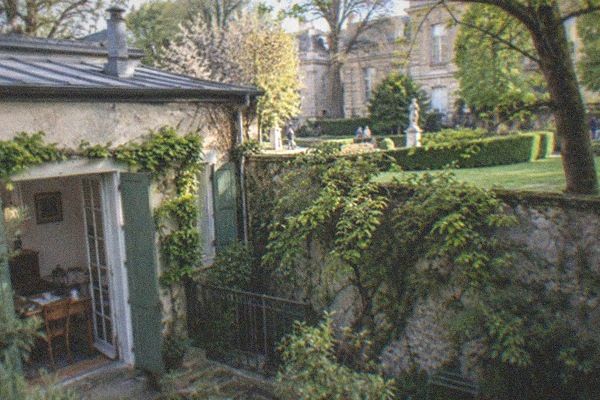
The house sits at 47 rue Raynouard, on a slope that once made Passy a semi-rural village on the edge of Paris. Balzac rented it under a false name, partly to stay ahead of the creditors who chased him for most of his adult life. The street door could be watched from the house, and the garden gave him a second way out. That practical need, a place to write and a place to disappear, shaped what the building still feels like today.
This is where he revised and expanded La Comédie humaine, the vast cycle of novels that mapped French society in obsessive detail. The study has been reconstructed with his writing desk and his famous coffee pot, the machine behind a legendary intake that fueled marathon writing sessions. Manuscripts, corrected proofs, letters, and portraits fill the rest of the floor space, and temporary exhibitions rotate through the house on literary themes.
The museum is small and intimate. Visitors regularly report that an hour feels right, and that the garden, with its view down toward the Seine, is the moment that stays with them. The museum's own page describes the house as a literary memorial as much as a biographical one: the point is the work, not just the man. If your interest is French literature, this is one of the few Paris addresses where you can stand in the actual rooms the work came out of. The city of Paris also lists the house among its literary museums on its official paris.fr portal.
Tickets And Entry: What It Costs
Entry to Maison de Balzac is free to everyone, with no ticket and no age condition. The city applies one caveat, printed as hors période d'exposition: the free entry applies outside exhibition periods. When a temporary exhibition is running, a ticket is sold for the exhibition, and the museum's free status is suspended for the duration.
In plain terms, most days of the year you walk in without paying anything. You do not need to book, queue for a cashier, or show a pass. There is no concession structure to decode, no timed slot, and no age threshold for children, because the whole entry route is the same one: free, for everyone, no ticket. The only planning decision that matters is whether a temporary exhibition happens to be on during your visit, and that changes both the price and whether you need to buy anything at all.
Contrast that with the city's paid monuments and you see why this house is an easy add-on. The Arc de Triomphe charges for its rooftop view, and the Musée Jacquemart-André sells admission to its collector mansion, while Maison de Balzac asks for nothing on ordinary days. What still costs money here is narrow and specific: the exhibition ticket when one is running, and anything you buy in the shop, such as books or postcards. Nothing else on the site is paid.
Check the museum's practical information page before you go if you care about the exhibition question, since that is the one variable. If no exhibition is on, the visit costs nothing from door to garden, and you can stay as long as the house's opening hours allow.
What You Actually See Inside
The visit centers on Balzac's reconstructed study, with his writing desk, his coffee pot, and original manuscripts from La Comédie humaine. Around it are portraits, letters, and personal objects, followed by a garden that slopes toward the Seine. The whole thing is compact: one house, a handful of rooms, and an outdoor terrace.
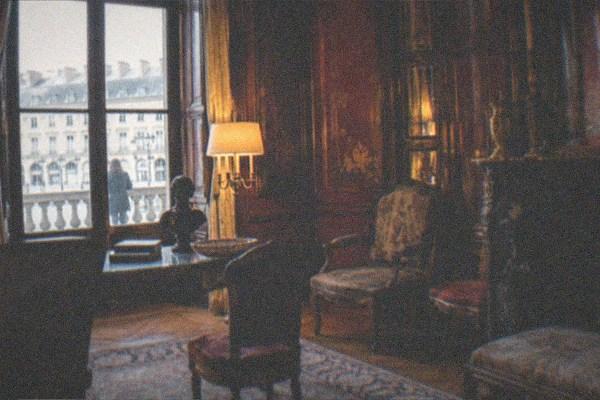
The study is the emotional core. Balzac wrote standing at a small desk, often through the night, and the room is arranged to make that visible: the desk itself, the turban-shaped coffee pot that has become an emblem of his working method, and the paneling that the museum reassembled to approximate his working conditions. Reviewers consistently say this room alone justifies the trip. The manuscripts on display include corrected pages where you can see him rewriting, which is the whole point of this address: this is where the vast cycle of novels was revised, expanded, and pushed toward its impossible scale.
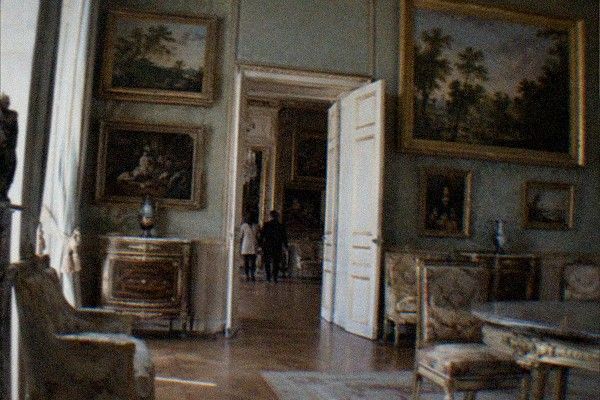
The other rooms carry the biography. Portraits of Balzac at different ages, caricatures of the man contemporaries loved to mock, letters in his famously terrible handwriting, first editions, and objects connected to the people around him. Temporary exhibitions take a theme, often a novel or a friendship, and fill one floor with loans and documents. If you arrive during one of those, you are into the paid tier described above. If you arrive between them, you get the permanent display and the garden.
The garden is the quiet finale. It is not large, but it sits on the slope of Passy with the view over the Seine that the house was chosen for, at least in legend. Visitors regularly report spending as long outside as inside, especially in good weather. Come with a little context, a novel read or a biography skimmed, and the rooms speak clearly. Come cold and you will still enjoy the house, but the details land harder when you know what he was doing here: hiding, writing, and racing his creditors at the same time.
How Long To Allow And When To Go
Allow about an hour for the house itself, and up to ninety minutes if you read the manuscript labels carefully or linger in the garden. The museum is closed every Monday, so plan around that fixed constraint. Mornings on a weekday are the quietest window, and the garden is at its best in warm weather.
One hour is the honest figure. The house is not the Louvre and does not pretend to be. You can see the study, read the main panels, and sit in the garden comfortably within sixty minutes. Serious readers will want more time with the manuscripts and the exhibition material, and anyone who photographs everything will use the full hour and a half. There is no timed entry on free days, so you are not squeezed by a slot.
When to go is simple. Avoid Monday, which is always closed. Prefer a weekday morning for the emptiest rooms, and expect more company on weekends and during school holidays. Summer brings the garden into its own, while winter makes the study feel appropriately close and candlelit in imagination if not in fact. One practical note: because a temporary exhibition changes both the price and the crowd level, the days just before an exhibition opens tend to be the emptiest free days of all.
Pairing the timing with the neighborhood is worth a thought. The 16th arrondissement is calm in the early morning and fills with strollers later in the day. A morning at Maison de Balzac, a walk down toward the Seine, and an afternoon at a larger museum nearby makes a full and unhurried day, without any of it costing much, since the anchor of the morning is free.
Know Before You Go
Maison de Balzac stands at 47 rue Raynouard in the 16th arrondissement, on the Passy hillside above the Seine. It is closed every Monday. Entry is free outside exhibition periods, so the only real planning is checking whether an exhibition is running and picking a day that is not a Monday.
The address sits in a quiet residential street of the 16e, and the approach is part of the experience. Passy keeps some of its old village character, and rue Raynouard is a narrow street of low houses and green walls, nothing like the grand avenues a few blocks north. The coordinates to drop into any map are 48.8552, 2.28089. Allow a few minutes to find the discreet entrance, especially on a first visit, because the house does not announce itself the way a palace museum does.
For transport, the hillside location matters. The house is partway up the slope between the Seine and the higher ground of the arrondissement, so expect a short climb from the river or a short descent from the Muette side. The nearest station details can be confirmed on the transport operator's own pages at ratp.fr, which covers Metro, RER, and bus options for the 16e. If you are already planning a day around the Palais Garnier or another central sight, note that this one sits well west, so give the cross-city journey its own block of time rather than squeezing it between two central stops.
Inside, the house is small and the rooms are domestic in scale, so expect narrow doorways and uneven historic floors, as in any 1840s building. Photography is generally tolerated in museums of this type, but flash and tripods are not, and exhibition rooms may carry their own rules. There is a shop for books and postcards, which is the only place on site where spending money is even possible on a free day. If an exhibition is running, its ticket is the one purchase you might make, and that is described in the tickets section above.
What Is Nearby Worth Pairing It With
The 16th arrondissement around Maison de Balzac rewards a half-day itinerary: the house itself, a walk down the Passy slope to the Seine, the bridges and riverbanks, and a handful of museums within easy reach. The museum's free entry makes it a natural add-on to a paid headline sight rather than a destination you have to budget around.
Start with the walk. Rue Raynouard leads down toward the river through streets that still feel like the village Balzac knew, and the Bir-Hakeim bridge area sits close to the coordinates above. The riverside here is quieter than the central quays, with clear views across to the 15th and the towers beyond. It is a twenty-minute stroll that turns a one-hour museum visit into a proper Paris outing without spending anything.
For museum pairing, the strongest literary and artistic complements sit a short ride away. The Musée d'Orsay is the obvious big-name partner for a nineteenth-century day: its collection covers the France Balzac wrote about, and you can do Balzac's house in the morning and Orsay in the afternoon. Closer to hand, the Musée Jacquemart-André offers a domestic-scale mansion experience in the same spirit as this one, a house built around one obsession, though it charges admission where Maison de Balzac does not.
If your taste runs to monuments rather than museums, the Arc de Triomphe is the grand statement of the same century, a short Metro ride from the 16e, and its terrace view gives you the city that La Comédie humaine mapped in prose. The honest advice: do not over-schedule. Maison de Balzac is a pause, a small room and a garden, and it works best with one substantial partner sight and time left over for the walk down the hill. Visitors regularly report that the unhurried combination is what made the day memorable, not the number of stops.
Questions People Ask
Is Maison de Balzac Free To Enter?
Yes. Entry is free to everyone, with no ticket and no age condition. The city applies one caveat, printed as hors période d'exposition: free entry applies outside exhibition periods. When a temporary exhibition is running, a ticket is sold for it.
Do Children Need A Ticket?
No. Entry is free for everyone with no age condition, so children and young visitors walk in on exactly the same terms as adults. During exhibition periods the paid exhibition ticket applies to everyone, but on ordinary free days there is nothing to buy.
When Is Maison de Balzac Closed?
The museum is closed every Monday. That is the fixed constraint to plan around. Check the official practical information page before your visit, especially if you want to know whether a temporary exhibition is running, since that changes the price.
How Long Does A Visit Take?
Allow about an hour for the house and garden. Readers who spend time with the manuscripts and corrected proofs, or who linger over the garden view toward the Seine, often use up to ninety minutes. The house is compact, so there is no risk of an all-day commitment.
What Still Costs Money At Maison de Balzac?
Two things. When a temporary exhibition is running, a ticket is sold for it, and that is the only paid entry route on the site. Beyond that, the shop sells books and postcards. On ordinary free days, nothing on the visit itself costs anything.
Where Exactly Is The House Located?
The address is 47 rue Raynouard, Paris, France, in the 16e arrondissement on the Passy hillside above the Seine. The coordinates are 48.8552, 2.28089. The street is quiet and residential, so allow a few minutes to find the discreet entrance.
What Will I Actually See Inside?
The centerpiece is Balzac's reconstructed study, with his writing desk and his famous coffee pot, plus original manuscripts from La Comédie humaine that he revised in this house. Around the study are portraits, letters, and personal objects, and the visit finishes in the garden overlooking the Seine.