Versailles Day Trip From Paris: Trains, Tickets And Quieter Alternatives
Versailles is the day trip most visitors to Paris actually take, and the one most often ruined by a Monday closure notice or a missing timed reservation. Here is the full logistics picture, plus the case for two quieter palaces.
Short answer
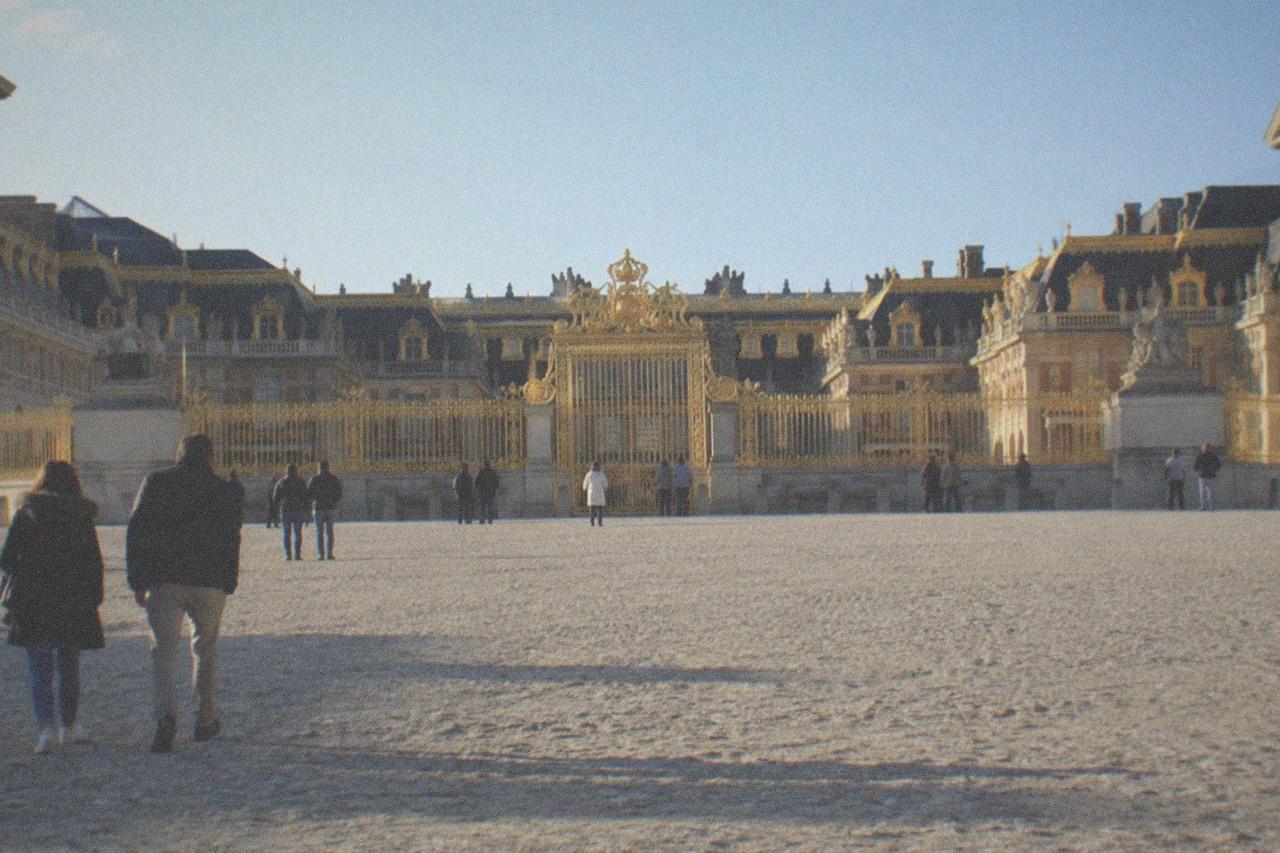
The RER C runs to Versailles Château Rive Gauche in thirty to forty minutes, then it is a short walk. The Passport ticket is €35 from 1 April to 31 October and €25 the rest of the year, the estate closes on Monday, and even a Paris Museum Pass holder must book a timed slot. Fontainebleau at €17 is the quieter alternative.
How Do You Get From Paris To Versailles?
The RER C line runs from central Paris to Versailles Château Rive Gauche in roughly thirty to forty minutes, and the walk from the station to the palace gate takes about ten minutes through the town's approach streets. A single vehicle, a single branch, and a short walk: no transfer, no bus, no taxi needed for the standard trip. Trains run frequently through the day.
The branch matters more than most first-time visitors expect. The RER C splits west of Paris, and only the trains signed for Versailles Château Rive Gauche go where you are going. Board a train on the wrong branch and you end up somewhere in the western suburbs with a second fare and a long wait. Check the destination shown on the front of the train and on the platform display before you step aboard, and if the station signs at your departure point list Versailles Château Rive Gauche as the valid destination for your train, that is your confirmation.
Most visitors board somewhere along the Left Bank. Stations on the RER C that sit inside the tourist core include Saint-Michel Notre-Dame, Musée d'Orsay and Champ de Mars, so the trip works whether you are staying in the Latin Quarter, near the river or close to the Eiffel Tower. The ride is ordinary suburban rail: air-conditioned most of the year, occasionally crowded at rush hour in both directions, and calmest between mid-morning and mid-afternoon.

Coming back, the same rules run in reverse. The station at Versailles has ticket machines and a staffed window, and the evening trains fill with the same tourists who filled the morning ones, plus commuters. If you are planning a long day that ends near garden closing time, leave a cushion for the walk back through town, because the ten-minute stretch from the gate to the platform is unlit residential street rather than a lit commercial avenue.
For anyone weighing this against a coach tour or a private transfer, the honest arithmetic favors the train in almost every case. The palace is 15 to 20 km from central Paris, a distance the RER covers in half an hour, and the money a transfer saves you in time it loses sitting in the approach traffic that builds around the palace gates on peak days.
How Much Does A Versailles Day Trip Cost?
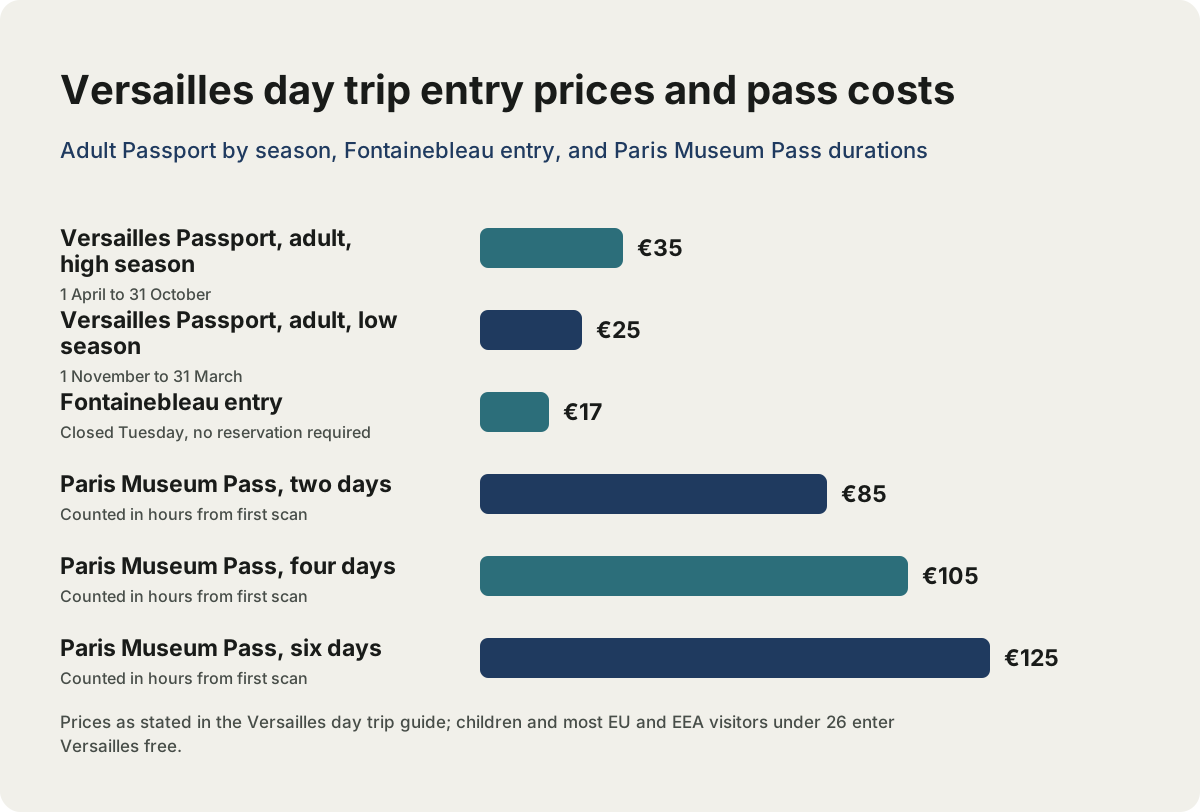
Counting the Passport ticket and nothing else, a Versailles day trip costs €35 per adult in high season, from 1 April to 31 October, and €25 in low season from 1 November to 31 March. The train fare and food sit on top of that, and children and most EU and EEA visitors under 26 pay nothing for entry at all.
The Passport is the ticket almost everyone should buy. It covers the whole estate, which means the palace interiors, the gardens, the Trianon palaces and the estate of Marie-Antoinette, not just the state apartments. The seasonal split is a genuine saving in winter: the same estate, the same route, €10 less per adult, and far fewer people standing between you and the Hall of Mirrors.
There is a booking-platform from-price of $81.43 for Versailles products, which typically bundles a timed slot and sometimes a guide or transport. That is a different product from the €35 door price and should never be compared to it directly. The plain Passport bought from the estate's own channel is the €35 or €25 figure.
The estate's own site lays out the current ticket options and conditions, and it is the one page worth reading before you commit money: the official Versailles ticket and visit pages. The estate is also rated 4.7 across 11,852 reviews on the bookable listing, a score built on an unusually large sample for a French monument, which tells you the crowd experience is generally judged worth the money even at the summer price.
| Cost item | High season (1 Apr to 31 Oct) | Low season (1 Nov to 31 Mar) |
|---|---|---|
| Passport ticket, adult | €35 | €25 |
| Under 18 | Free with photo ID | Free with photo ID |
| EU and EEA residents under 26 | Free | Free |
| RER C return, per adult | Separate fare, paid to the transport network | Separate fare, paid to the transport network |
| Musical fountain show days | Extra charge for the gardens | Not running |
The free-day rule at Versailles runs the opposite way from the Louvre's, and most visitors have this backwards. The estate is free the first Sunday of the month from December to March only, the whole estate included, and it is not free on first Sundays from April to November, when the gardens and the fountains are the draw. Combine that with the low-season €25 Passport and winter quietly becomes the budget season, weather permitting.
For a fuller breakdown of which Versailles ticket does what, including the Passport against the palace-only option, the site's dedicated piece on which Versailles ticket to buy goes deeper than this overview can.
Is The Palace of Versailles Closed On Mondays?
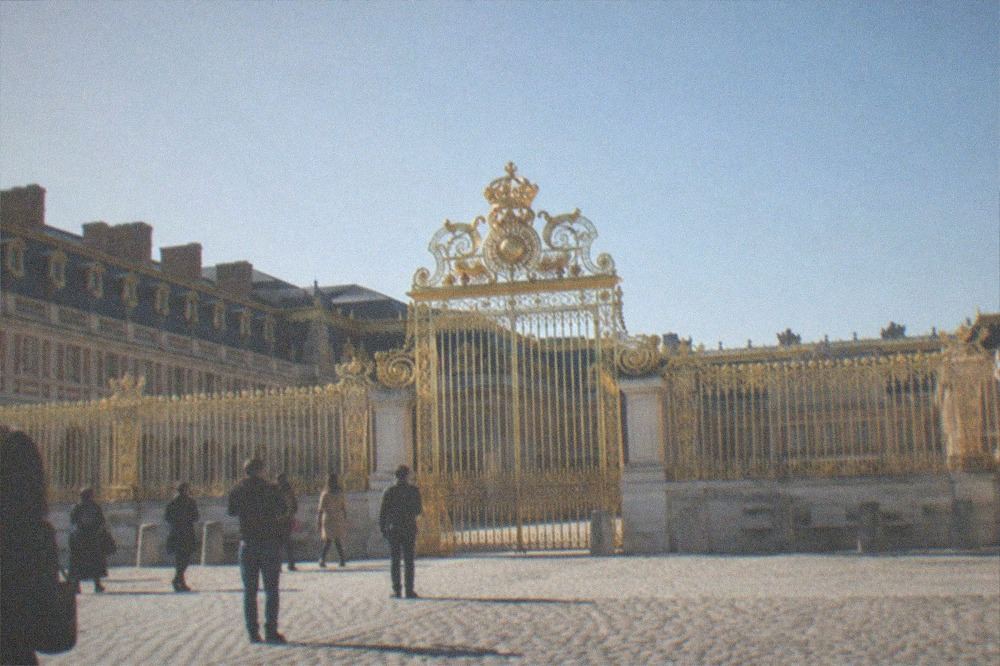
Yes, the whole Versailles estate closes on Monday, palace, gardens, Trianon and all, and this is the single most common way a Paris itinerary falls apart. Every other day of the week it opens, and Tuesday through Friday are the calmest days to go. Do not plan Versailles for a Monday under any circumstances, and watch the adjacent Sunday and Tuesday too.
Monday is the classic trap of Paris day-trip planning. The city's own museums mostly close Monday as well, so a visitor who books Versailles for Monday expecting a fallback museum afternoon discovers both halves of the day are shut. The reverse trap exists on Tuesday, when the Louvre, the Orangerie and the national museums close but Versailles is open: Tuesday is actually one of the smarter Versailles days for exactly that reason, since it does not compete with your Louvre slot.
The estate's closure is total, not partial. The formal gardens behind the palace, which many guides imply you can wander on any day, are subject to the estate's opening regime, and the musical fountain show days carry their own schedule and their own charges during the running season. If the palace being shut means you would walk the town instead, the town of Versailles itself is pleasant, but it is not a substitute for the estate, and you would be better off rescheduling.
For travelers who want the full weekly map, including which museums save a Monday and which do not, the site's guide to what is open in Paris on a Monday exists for exactly this planning problem. The short version for day trips: Versailles and Fontainebleau take opposite closure days, Monday against Tuesday, which is the one fact that makes a two-palace trip possible on consecutive days.
If Monday is the only day your schedule allows, the palace answer is to swap the trip entirely and stay in Paris, or to redirect to Fontainebleau, which is open Monday and closed Tuesday. A Monday Versailles ticket is a waste of money and a Monday train ride out there is a wasted morning, because the gates do not open for anyone, pass or not.
Do You Need A Timed Reservation For Versailles?
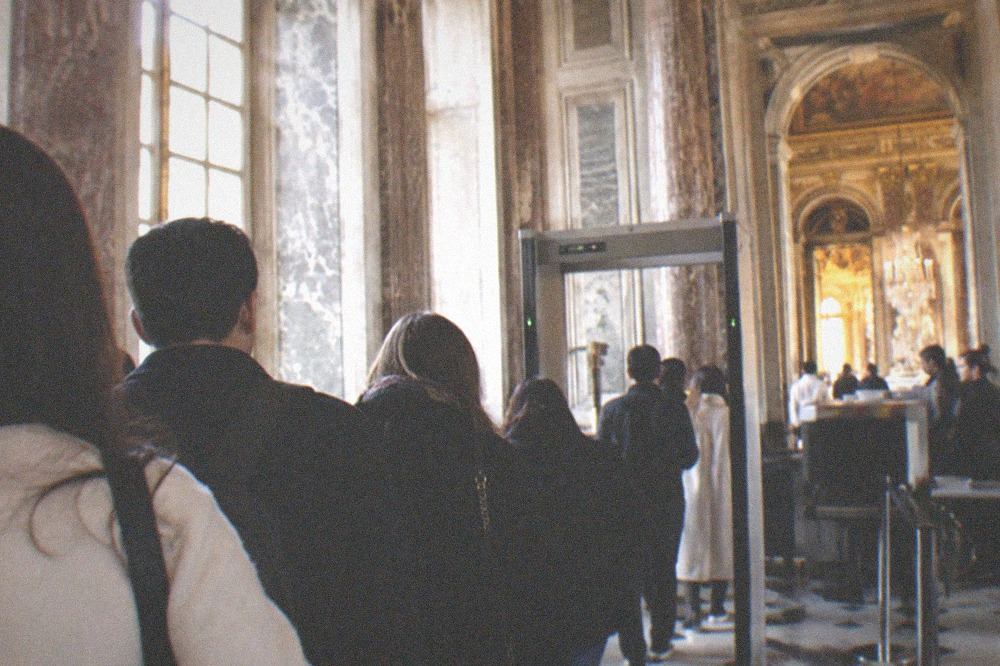
Yes. Versailles is one of the eight pass sites in the Paris region that still demands a separate timed reservation, and a Paris Museum Pass does not waive it. Booking a free timed slot is compulsory for entry, your slot fixes your entry window, and in high season the popular mid-morning windows fill days ahead of the date itself.
This is the detail that catches pass holders more often than any price question. The pass covers the entry fee, and the estate honors it, but the pass buys no priority over the reservation system. You book a timed slot through the estate's own channel at no charge, attach your pass, and arrive inside your window. Visitors who turn up at the gate holding a valid pass and no slot are turned away at busy times, and the estate's staff apply the rule evenly.
The same rule applies to paid tickets bought independently: a Passport bought ahead comes with its slot bound to it, which is one reason the platform from-price of $81.43 for a bundled product is not irrational, it is convenience pricing on a day when slots are scarce. The bare fact for planning purposes is that your entry time is set before you leave Paris, so build the train ride backward from the slot, not forward from your breakfast.
The Paris Museum Pass costs €85 for two days, €105 for four days and €125 for six days, counted in hours from first scan, and its own site spells out the reservation requirements site by site: the pass conditions and site list. Whether the pass pays for itself against Versailles plus other monuments is a separate question with a real answer, and the site's analysis of whether the Paris Museum Pass is worth buying runs the numbers against this exact itinerary.
For the day itself, the practical sequence is: slot first, train second, arrival buffer third. A slot at 9:30 with a train at 8:15 from Saint-Michel gives you a comfortable margin for finding the platform branch and the ten-minute walk. A slot at 11:00 lets you skip the worst of the security line buildup, which peaks between opening and midday in every season.
If the reservation system sounds like friction, it is worth saying plainly that it is also the reason the interior is bearable in July. The slot system throttles the flow into the palace, and the gardens absorb the overflow. The alternative, an untimed free-for-all at a monument this famous, is something the estate tried for years and abandoned.
What Should You See In One Day At The Estate?
In one day, see the state apartments and the Hall of Mirrors first, then walk the formal gardens west toward the Grand Trianon and the Queen's Hamlet, leaving the gardens for the afternoon light. The order matters: the palace interior is an indoor queue and the gardens are open air, and reversing it means standing in the longest interior lines of the day at mid-afternoon.
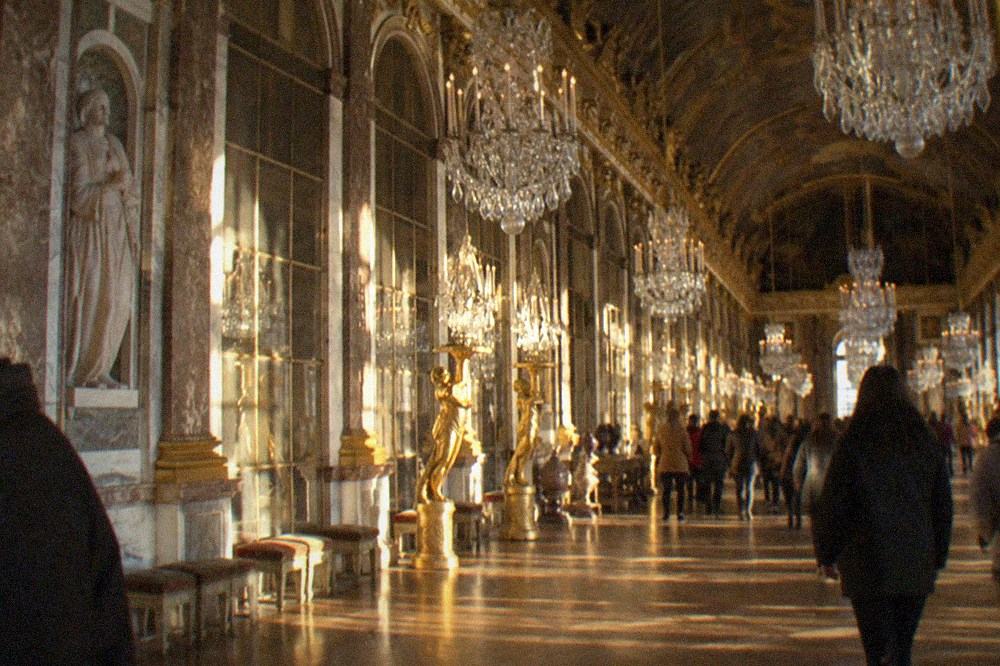
The palace route is fixed by the architecture: you enter with the timed crowd and move through the grand apartments toward the Hall of Mirrors, which is the destination most visitors have in their head when they board the RER. The gallery runs the length of the garden facade, and the crowd inside it moves in one direction, so the experience is closer to a slow procession than a gallery you linger in. Reviewers rate the estate 4.7 across 11,852 entries, and they consistently describe the interior as worth the queue and the gardens as the surprise.
The gardens change character with the schedule. On musical fountain show days the basins run to music and the gardens carry an extra charge, and those days are the ones the photographs come from. On ordinary days the gardens are quieter, free of the show charge with the Passport, and honestly easier to walk, because the show crowds cluster at the basins and leave the long allées to the walkers.
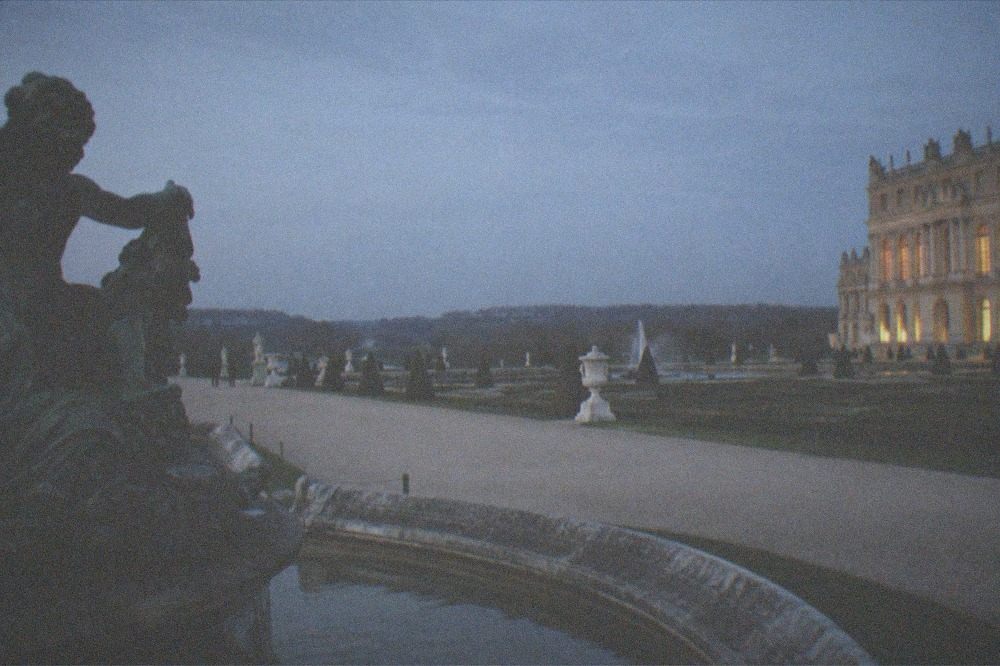
The far end of the estate, the Grand Trianon, the Petit Trianon and Marie-Antoinette's hamlet, is where the day either succeeds or collapses. It is a genuine walk from the palace, forty minutes on foot through the gardens, and many visitors arrive at the far estate already spent. The Passport covers it all, so the only cost of going is energy, and the hamlet, a fabricated village built for the Queen, is the part of Versailles that least resembles anywhere else in the region.
A workable one-day shape, with times a real visitor can hold:
| Time | Where | Why this order |
|---|---|---|
| 9:00 | Arrive at the gate | Beats the 10:00 security peak |
| 9:30 to 11:30 | Palace state apartments and Hall of Mirrors | Interior queue is shortest early |
| 11:30 to 13:00 | Lunch in the gardens or the town | The estate's own options are busy by noon |
| 13:00 to 15:00 | Formal gardens, westward walk | Afternoon light across the basins |
| 15:00 to 17:00 | Trianon palaces and the hamlet | Quietest stretch of the estate all day |
| 17:00 onward | Walk back or take the grounds shuttle, then the RER | Trains thin out after the crowd leaves |
Wear shoes that survive gravel, and plan for shade being scarce between the palace and the Trianon. The estate is flat but enormous, and the gap between what a map implies and what your feet experience is the most common complaint in visitor reviews after the queues themselves.
Is Fontainebleau A Quieter Alternative To Versailles?
Fontainebleau is the honest alternative for a second palace day or a first one without crowds: €17 entry, closed Tuesday, open Monday when Versailles is shut, free the first Sunday of the month except July and August, covered by the Paris Museum Pass with no reservation required, and under an hour from Gare de Lyon.
The palace sits 55 to 65 km from Paris, reached by Transilien R from Gare de Lyon to Fontainebleau-Avon in roughly 45 to 60 minutes, then bus line 1 to the château. That is a longer door-to-door trip than Versailles by perhaps twenty minutes, in exchange for a palace that visitors describe, at 4.6 across 1,523 reviews, as grand without the Versailles crush. Where Versailles was built to display absolute monarchy to itself, Fontainebleau was a working residence for centuries, and the interiors read that way: layered, personal, less gold per square meter.
The practical advantages stack up. No timed reservation is needed, which means the trip can be decided that morning. The door price is €17, roughly half the Versailles high-season Passport. It is on the Paris Museum Pass with straightforward access. And its closure day, Tuesday, is the mirror image of Versailles' Monday, so the two palaces can be visited on consecutive days without wasting either.
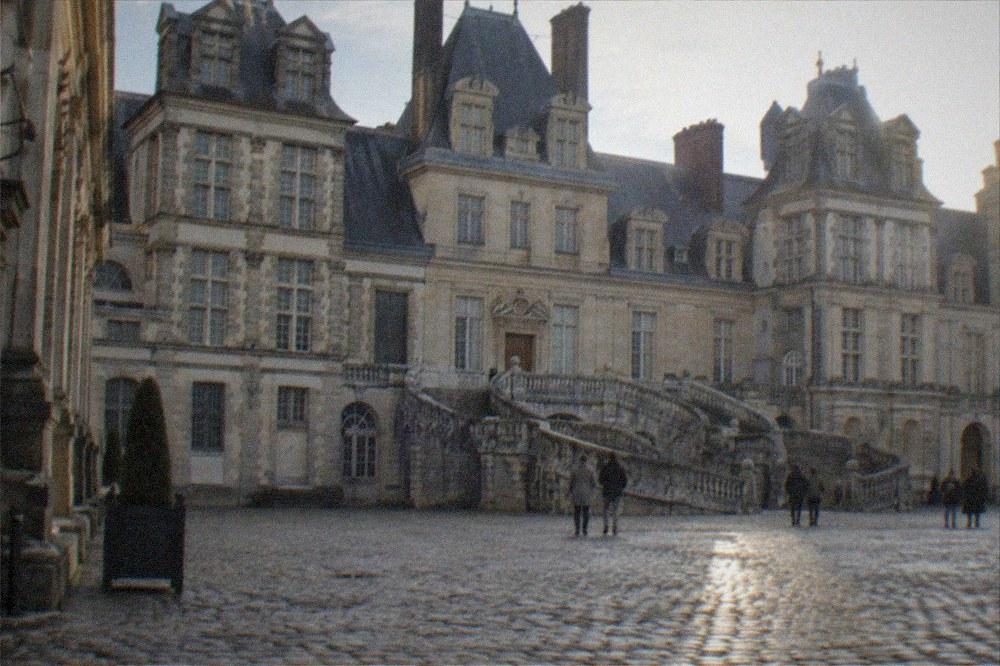
For a head-to-head on the two estates, including who each palace actually suits, the site's comparison of Versailles against Fontainebleau makes the case in full. The short form: Versailles is the spectacle you came to France to see, Fontainebleau is the palace you get to actually look at, and the Fontainebleau tickets and entry page carries the current options if the quieter day wins.
The free-Sunday rule at Fontainebleau, first Sunday of the month except July and August, is one of the more generous ones in the region, and it pairs with the no-reservation policy: a first-Sunday trip costs nothing and requires nothing booked. On a €17 baseline, that is the cheapest royal interior within an hour of Paris.
What About Vaux-Le-Vicomte And Giverny?
Vaux-le-Vicomte is the palace Versailles was copying, open 14 March to 1 November, €18 entry, not on the Paris Museum Pass, and reachable only by train plus taxi from Melun. Giverny is a different kind of day entirely: Claude Monet's gardens at €13, open 1 April to 1 November, 75 km from Paris, closed all winter, and not on the pass either.
Vaux-le-Vicomte is the connoisseur's answer. It was built a generation before Versailles, its architect and gardener were then hired away by Louis XIV to build Versailles, and standing in its garden you can see the blueprint for the bigger palace in miniature. The €18 ticket is the middle point between Fontainebleau and Versailles high season. The transport is the friction: there is no RER branch, so the trip is Gare de Lyon to Melun on the Transilien R in roughly 25 to 40 minutes, then a taxi for the final 10 to 15 minutes, or the seasonal Châteaubus from Verneuil-l'Étang on the Transilien P. The estate runs 14 March to 1 November and shuts for winter.
Giverny swaps architecture for paint. The Fondation Claude Monet at Giverny is the house and gardens the painter built and painted, €13 at the gate, open 1 April to 1 November with no weekly closed day in season, and shut from 2 November to the end of March. The trip is Paris Saint-Lazare to Vernon-Giverny in about 45 to 60 minutes, then a shuttle, bike or taxi for the last stretch, with the village about 75 km from Paris. The bookable product from $118.66 reflects the distance: most sold options are full-day excursions with transport, not bare entry, and the foundation rates 4.5 across 404 reviews.
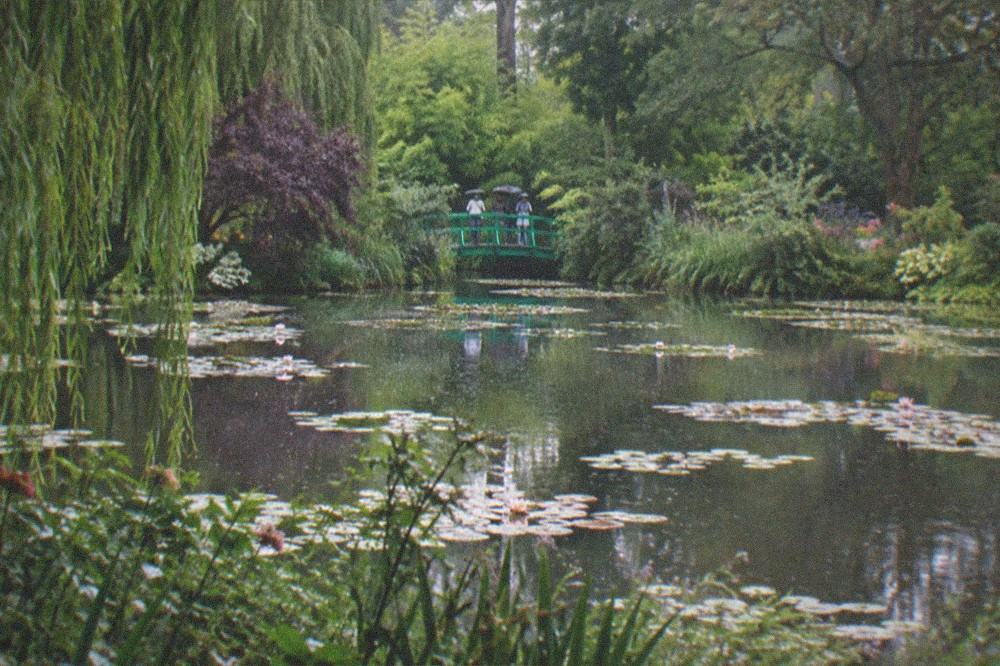
The pass position is the planning fact worth writing down. Versailles and Fontainebleau are both on the Paris Museum Pass; Vaux-le-Vicomte and Giverny are both off it, and the Giverny tickets and entry page covers the seasonal reality and booking options for the Monet day. A pass holder doing four palace days should therefore build the pass around Versailles and Fontainebleau and pay Vaux and Giverny at the gate, and the site's overview of the Paris Museum Pass lists exactly which sites sit inside it.
For the full logistics of the Monet trip, including the train connections and how far the gardens are from Paris, the dedicated piece on whether you need Giverny tickets and how far it is is the deep dive. The one-line warning it exists to deliver: Giverny in April is booked solid weeks out, and the season closes entirely on 1 November.
Versailles Or The Alternatives: Which Day Trip Suits You?
Take Versailles if this is your first and possibly only trip to Paris, because the estate is the regional landmark and the gardens alone justify the day. Take Fontainebleau if you have done Versailles, or you want a palace you can actually absorb in a day. Take Giverny if you care about painting more than architecture, and Vaux-le-Vicomte if you want the palace without any crowd at all.
The decision mostly reduces to what kind of visitor you are, and the honest differences are these:
| Day trip | Adult entry | Closed day | Season | On the Paris Museum Pass | Reservation |
|---|---|---|---|---|---|
| Versailles | €35 high / €25 low | Monday | Year round | Yes | Timed slot compulsory |
| Fontainebleau | €17 | Tuesday | Year round | Yes | Not required |
| Vaux-le-Vicomte | €18 | None in season | 14 Mar to 1 Nov | No | Site-specific |
| Giverny, Fondation Claude Monet | €13 | None in season | 1 Apr to 1 Nov | No | Booked slots in spring |
The price spread is narrower than it first looks. Versailles at €35 and Fontainebleau at €17 differ by €18, which is real money but not decisive against a booked full-day excursion or a lost morning on a closed Monday. What differs sharply is the crowd contract: Versailles takes your calm in exchange for spectacle, Fontainebleau returns it, and Vaux-le-Vicomte sells near-solitude in exchange for transport patience.
Season matters more for the alternatives than for the headliner. Versailles runs year round, in low season at €25 and with the whole estate free on first Sundays from December to March. Vaux-le-Vicomte and Giverny both close for the entire winter, so from November to early spring the choice is effectively Versailles against Fontainebleau, and the pass covers both.
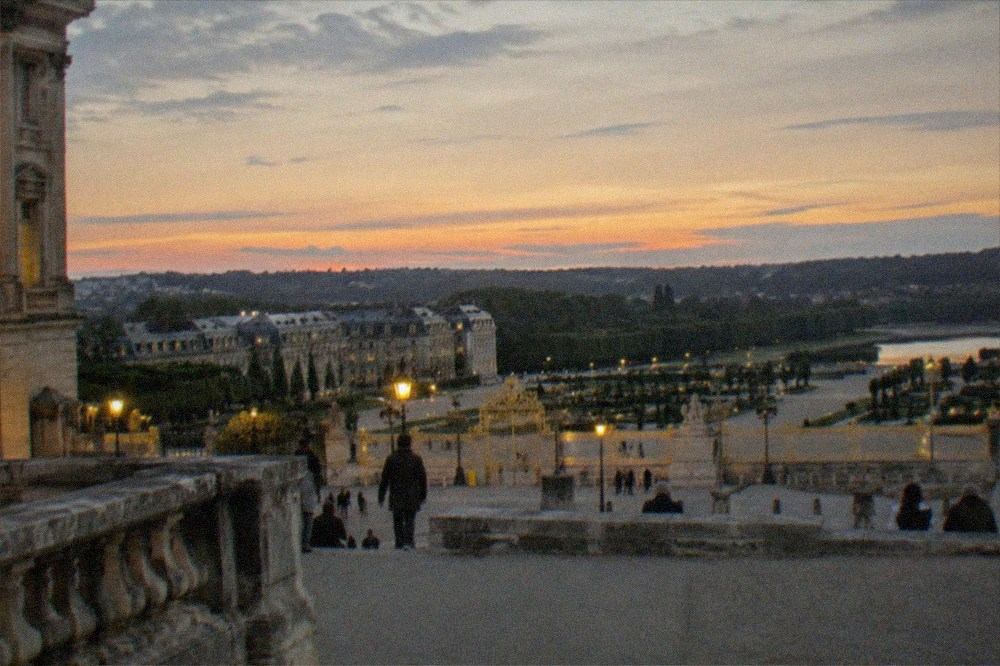
There is a case for stacking them, and it is stronger than most itineraries admit. A Monday and a Tuesday, one palace each way around, uses the two closure days against each other: Fontainebleau on Monday when everything royal in Paris is shut, Versailles on Tuesday when the Louvre and the Orangerie are dark. Add Giverny on a free day in the April-to-October window and you have a three-day palace sequence, with the Versailles tickets and entry page as the anchor booking for the centerpiece day.
This is the site's own turf, so say it plainly: on Paris Museums, the Versailles question is treated as a logistics problem with a right answer, not a mood. The train, the Monday, the timed slot and the seasonal price are all knowable in advance, which means the day is plannable to within an hour, and the alternatives are ranked by the same measures rather than by romance.
Common Questions About A Versailles Day Trip
How do you get from Paris to Versailles?
Take the RER C toward Versailles Château Rive Gauche, about thirty to forty minutes from central Paris, then walk roughly ten minutes to the palace. Only the trains signed for that branch run to the estate, so check the destination before boarding.
How much does a Versailles day trip cost?
The Passport ticket is €35 per adult from 1 April to 31 October and €25 from 1 November to 31 March, covering the palace, gardens, Trianon and the Queen's estate. Under-18s and EU and EEA residents under 26 enter free.
Is Versailles closed on Mondays?
Yes, the entire estate closes on Monday: the palace, the gardens, the Trianon palaces and the hamlet. It opens every other day of the week, and Tuesdays are among the calmest days because the Paris museums take the pressure off.
Do you need a timed reservation for Versailles?
Yes. Versailles is one of the sites that requires a timed slot even for Paris Museum Pass holders. The slot is booked separately, fixes your entry window, and popular mid-morning windows in high season fill days ahead.
Is the Paris Museum Pass valid at Versailles?
Yes, the pass covers Versailles entry, but it does not waive the compulsory timed reservation, and it never covers temporary exhibitions. The pass costs €85 for two days, €105 for four and €125 for six.
Is Fontainebleau or Versailles better for a day trip?
Versailles for a first visit, for the gardens and the spectacle. Fontainebleau at €17 if you have seen Versailles or want a calmer palace: it is closed Tuesday instead of Monday, needs no reservation, and is on the Paris Museum Pass too.
Can you visit Vaux-le-Vicomte with a Paris Museum Pass?
No. Vaux-le-Vicomte is not on the Paris Museum Pass, and Giverny is not either. Entry at Vaux-le-Vicomte is €18, and the estate runs from 14 March to 1 November only.
How far is Giverny from Paris?
Giverny is about 75 km from Paris, reached by train from Paris Saint-Lazare to Vernon-Giverny in roughly 45 to 60 minutes, then a shuttle, bike or taxi for the last stretch. The gardens are open 1 April to 1 November and shut all winter.