Château de Fontainebleau is a royal residence an hour from Paris by train, shaped by eight centuries of French kings and later by Napoleon I. It suits travelers who want grand interiors, layered history, and walkable gardens without the Versailles crowds.
What You Actually See Inside
The château's hallmark is eight centuries of continuous royal occupation, an hour from Gare de Lyon, with interiors spanning Renaissance Francois I galleries to Napoleon I's imperial apartments, plus extensive formal gardens you can walk without a separate ticket. It is a palace of accumulation rather than a single era's showpiece.
Where Versailles was largely one dynasty's statement, Fontainebleau kept being rebuilt, redecorated, and reinhabited. Every French monarch from the 12th century onward left a layer. The Renaissance wing under Francois I brought Italian artists to France, and the famous Gallery of Francois I, with its stucco and fresco decoration, is one of the treasures of French Mannerism. Later kings added grand staircases, state apartments, and chapel spaces, so a visit reads like a walk through French taste in sequence.
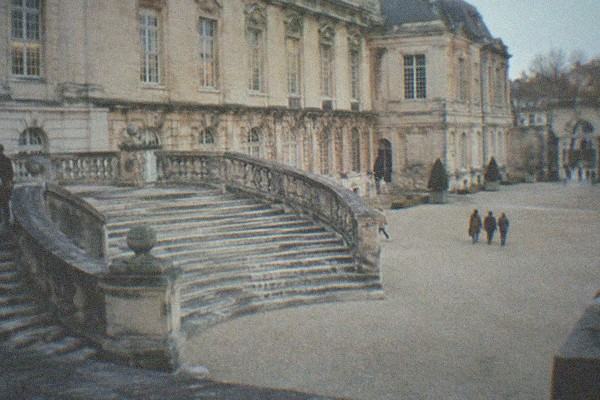
The Napoleon I layer is the emotional core for many visitors. He called Fontainebleau "the true home of kings" and kept his personal apartments here, modest in scale compared with the state rooms and preserved with unusual intimacy. You see the small study where he signed his abdication in 1814, the horseshoe staircase outside where he bade farewell to his Old Guard before exile on Elba, and the furniture and finishes of a court in working order rather than a museum reconstruction. The Chinese Museum, assembled by Empress Eugenie, adds an unexpected cabinet of Asian objects.
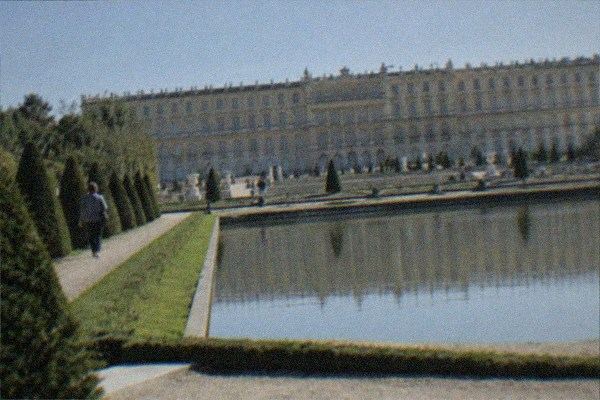
The museum side of the estate holds Napoleon memorabilia and the historic apartments of the sovereigns, furnished rooms rather than empty shells. Reviewers consistently say the interiors feel lived in, and visitors regularly report that the sequence of rooms gives a stronger sense of a functioning court than larger palaces manage. The gardens, including the Grand Parterre laid out by Andre Le Notre and the English garden with its canal-facing views, are included with grounds access and reward a slow loop after the interiors. Allow time for the carp pond, a remnant of the medieval water feature, which anchors the château's oldest surviving layout.
Tickets, Prices And Entry Routes
Standard adult admission to Château de Fontainebleau is €17 at the door, and a bookable ticket is available in advance at the same price of €17, which covers the grand apartments, the Napoleon I museum, the historic apartments, and access to the gardens. Entry is free the first Sunday of the month except in July and August.
The château's own door price in euro is €17, and the bookable ticket carries the same figure, so booking ahead costs nothing extra and buys you a timed slot instead of a queue at the desk. That matters on weekends and in summer, when day-trippers from Paris arrive in waves off the trains from Gare de Lyon. The bookable ticket is rated 4.6 across 1,523 reviews, and reviewers consistently say the skip-the-line benefit and mobile ticket delivery work as promised.
Which route suits you depends on your pace. If your Paris itinerary includes Versailles, the Louvre, and other big-ticket monuments, compare the per-site cost against a multi-attraction pass before committing, since coverage changes. If your day is Fontainebleau alone, the standard ticket is the whole story: one price, one entry, everything inside. Visitors regularly report that the interiors alone justify the fare, with the gardens as a free bonus at the end of the route.
Book the timed slot for a morning arrival if you can. Trains from Gare de Lyon run frequently and the walk from the station is short, so an 11 a.m. entry pairs naturally with a mid-morning departure. The official site, chateaudefontainebleau.fr, carries the current booking window and any temporary closures of specific apartments. This page's booking panel sells the same ticket at the same door price, so you can secure a slot here without hunting.
How Long To Allow And When To Go
Allow at least half a day for Château de Fontainebleau, roughly three hours for the interiors at a moderate pace plus time in the gardens, and treat it as a full day trip from Paris once transit is counted. The château is closed every Tuesday, so plan around that day.
The visit splits into three natural movements. First, the interior circuit: the grand apartments, the Gallery of Francois I, the state rooms, the Napoleon I museum, and the historic apartments, which together take two to three hours if you read panels and linger in the rooms that catch you. Second, the gardens: the Grand Parterre, the English garden, and the carp pond loop, which can take anywhere from 30 minutes to a full hour depending on your tolerance for walking. Third, the town: Fontainebleau itself has restaurants and a pleasant main street, and most day-trippers want lunch between the palace and the train home.
Season matters. The gardens are at their best from late spring through early autumn, and the free first Sundays, which exclude July and August, are a genuine bargain if your travel dates align, though expect company at that price. Weekday mornings are the calmest window, and reviewers consistently say the interiors never feel crushed except at peak weekend hours in summer. Winter visits trade garden color for near-empty rooms, a fair swap for some travelers.
One sequencing tip: arrive before your timed slot only if you want the gardens first, since the interiors are the fixed reservation. Most visitors do interiors first while their legs are fresh, then unwind in the parterre afterward. The last interior entry is earlier than closing, so check your slot time against your train home when you book.
Know Before You Go: Getting There And Practical Details
Château de Fontainebleau sits in the town of Fontainebleau, outside Paris in the Seine-et-Marne region, reached by a direct suburban train from Gare de Lyon in about an hour followed by a short bus ride or a walk of roughly 20 minutes to the palace gates. It is closed every Tuesday, and the address is Fontainebleau, France.
From central Paris, take the suburban rail line from Gare de Lyon toward Fontainebleau. The museum's hallmark includes that one-hour journey, which makes it one of the easiest royal day trips from the capital: no connections, frequent departures through the day, and a station close to town. Once you step off the train, local buses shuttle visitors to the château entrance, and plenty of travelers simply walk, since the route passes through the town's modest streets and gives you a feel for Fontainebleau before the palace appears. Coordinates for mapping are 48.40212, 2.69985.
For transport planning, the regional operator's site, transilien.com, publishes current timetables and fare details for the Gare de Lyon route, and it is the reliable source for last trains home. Do not cut the return leg too fine: evening frequency thins out, and a missed connection turns a relaxed day into a scramble.
Practical notes for inside: large bags are best left behind or stored, as palace interiors everywhere restrict bulky luggage, and comfortable shoes matter because the interior circuit plus garden loop covers real distance. The interiors are the priority on wet days, since the gardens lose their charm in rain. Photography is generally permitted in the state rooms, though check signage in the Napoleon museum, where some objects are more protected. Visitors regularly report that signage inside is adequate but that a little reading beforehand about Francois I and Napoleon I deepens the rooms considerably. Compared with Versailles, the logistics are simpler: one building, one entrance flow, one train line, no separate garden ticket to weigh.
How It Compares With The Other Royal Sights
Fontainebleau trades Versailles fame for intimacy and variety: eight centuries of kings rather than one dynasty's peak, Napoleon I's most personal rooms, and crowds a fraction of what Paris's royal big hitters draw. Choose it for depth of history, choose Versailles for spectacle, and many travelers do both on separate days.
The obvious comparison is the Palace of Versailles, the gilded reference point for French royal ambition. Versailles delivers the Hall of Mirrors, the vast gardens, and the Marie Antoinette estate at a scale Fontainebleau cannot match. But Fontainebleau counters with authenticity of use: it was a working residence from medieval kings through the Second Empire, never abandoned to become a single-purpose monument. Reviewers consistently say Fontainebleau feels more personal, and visitors regularly report shorter lines and a calmer interior experience. If Versailles is the postcard, Fontainebleau is the family album.
Inside Paris itself, the royal and imperial thread continues in smaller, sharper doses. Sainte-Chapelle shows what a king's private chapel could be, a single overwhelming room of stained glass built by the same Saint Louis whose successors summered at Fontainebleau. And for the Napoleonic arc, the Panthéon holds the remains of the Republic's honored dead and speaks to the post-imperial France that grew after Napoleon's fall. Visiting Fontainebleau first gives those Paris stops a narrative spine: you see where power lived, then where it worshipped, then where the nation chose to remember.
Budget-wise, Fontainebleau is a moderate add to a Paris museum budget, cheaper in time and money than a full Versailles day for most itineraries, since transit is one direct train and the site is compact. Travelers who want one royal palace and have already seen Versailles should put Fontainebleau next on the list without hesitation. Travelers with only two days in Paris should stay in the city, but anyone with a third day and a Gare de Lyon habit has found their answer.
What To Pair It With Nearby
The natural pairing is the Forest of Fontainebleau itself, one of France's most famous wooded landscapes, wrapped around the town and reachable on foot from the château, plus the town's restaurants and market square for lunch. Most visitors spend the morning in the palace and give the rest of the day to forest paths or town streets.
The forest is the reason the château exists at all. Kings came here to hunt, and the ancient woodland of oaks, sandstone boulders, and managed paths remains a destination in its own right, painted by generations of artists who followed the Barbizon school. Walkers can reach trailheads from town in under half an hour, and the routes scale from flat strolls to rocky scrambles among the boulders. Visitors regularly report that combining a palace morning with a forest afternoon makes the day trip feel complete, a two-for-one that few royal residences can offer.
In town, the streets between the station and the château hold cafes, bakeries, and small restaurants, and lunch before a garden walk is the standard rhythm. The palace's own surroundings, the Place d'Armes and the horseshoe staircase, reward a slow look before you go inside, since that exterior is where Napoleon's farewell to the Old Guard took place in 1814, one of the most charged moments in the building's long life.
If you want to keep the royal theme going on another day, Paris supplies the rest. the Arc de Triomphe is Napoleon's other great monument, begun under his orders and finished long after his fall, and it makes a pointed follow-up to the abdication room at Fontainebleau. Back in the center, Sainte-Chapelle extends the royal story backward to the 13th century. For a second day trip from Gare de Lyon, the same station serves other destinations in the region, though none carries the weight of this palace. The simple advice: book the palace, pack walking shoes, and let the town fill the gaps. The booking panel on this page secures the €17 timed ticket, and morning slots go first on free first Sundays.
Questions People Ask
How Much Does Château de Fontainebleau Cost?
Standard adult admission is €17 at the door, and the bookable advance ticket carries the same price of €17. It covers the grand apartments, the Napoleon I museum, the historic apartments, and the gardens. No separate garden ticket is needed for a standard visit.
When Is Château de Fontainebleau Free?
Entry is free the first Sunday of the month, except in July and August. Those Sundays draw bigger crowds at that price, so a morning slot is the calmer choice if you use the free day. All other Sundays follow the standard admission schedule.
What Day Is Château de Fontainebleau Closed?
The château is closed every Tuesday. Plan your day trip around that, since a Tuesday visit means a locked gate and a wasted train ride from Gare de Lyon. Any other day of the week works with the standard schedule.
How Do I Get To Château de Fontainebleau From Paris?
Take a direct suburban train from Gare de Lyon toward Fontainebleau, about an hour each way. From the station, a short local bus ride or a walk of roughly 20 minutes brings you to the palace entrance. The château sits in the town of Fontainebleau, outside Paris.
How Long Should I Spend At Château de Fontainebleau?
Allow half a day on site: two to three hours for the interiors at a moderate pace, plus 30 minutes to an hour for the gardens. Counting the train from Gare de Lyon, most travelers treat it as a full day trip from Paris, often with lunch in town between palace and forest.
Is Château de Fontainebleau Worth It Compared To Versailles?
It depends on what you want. Versailles offers spectacle at a vast scale, while Fontainebleau offers eight centuries of royal layers and Napoleon I's most personal rooms in a calmer setting. Reviewers consistently say it feels more intimate. Many visitors do both on separate days.
Is The Advance Ticket Rated Well?
The bookable ticket is rated 4.6 across 1,523 reviews. Reviewers consistently mention smooth timed entry and reliable mobile delivery. Since the advance price matches the €17 door price, booking ahead costs nothing extra and saves the ticket desk queue.
Can I Visit The Gardens Without The Interiors?
Garden access comes with the standard admission, which is priced at €17 and covers the apartments, the Napoleon I museum, and the grounds together. The Grand Parterre, the English garden, and the carp pond are the highlights of the outdoor loop after the interiors.