Fondation Claude Monet is Claude Monet's house and gardens in Giverny, the village where he lived and painted for over four decades. It suits travelers who want to see the real lily pond and flower gardens behind his canvases, and it works best as a planned day trip rather than a spontaneous stop.
What You Actually See: The House, The Clos Normand And The Lily Pond
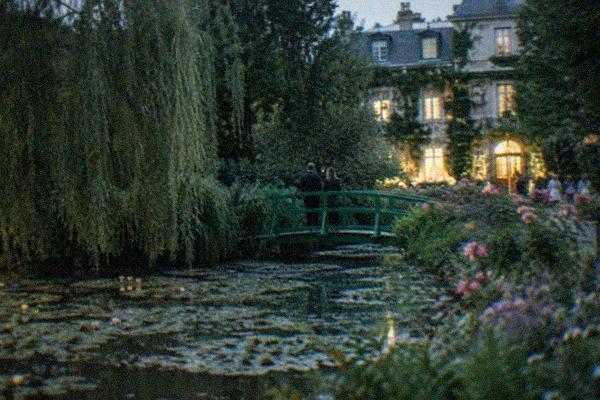
The visit is built around three things: Monet's pink weatherboarded house with his studio and collection of Japanese prints, the flower garden called the Clos Normand in front of it, and the famous water garden with the lily pond and Japanese bridge. The pond, reached through a tunnel under the road, is the single most painted view on the whole site.
You enter through the Clos Normand, a formal garden laid out in geometric beds that Monet replanted himself after moving in. Tulips in April, irises and poppies through late spring, then roses climbing the arches and nasturtiums running along the paths in summer, so the garden changes character almost month by month. Because the season runs 1 April to 1 November, most visitors catch something in bloom, but reviewers consistently say May through September gives the densest color and the lilies at their best in high summer.
The house is the middle act. Monet's bedroom on the first floor looks straight down the Clos Normand, and his studio, hung with reproductions of his own large canvases, sits at the far end of the house. The blue tiled kitchen and the yellow dining room with its Japanese print collection on the walls give you the domestic world around the painter. Visitors regularly report that the interior is more intimate than expected, more a home than a monument, and that the Japanese prints Monet collected, hundreds of them, explain where the bridge aesthetic came from.
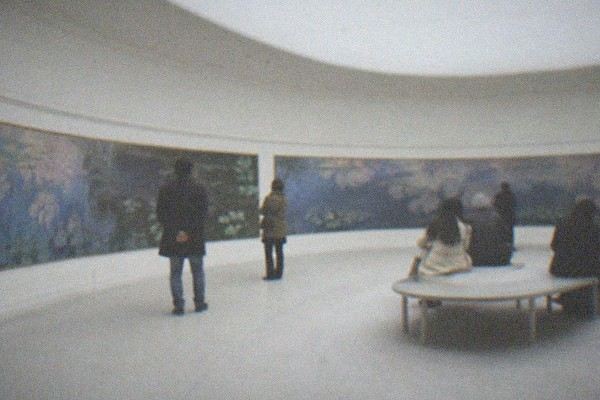
The water garden is across the road. Monet bought the adjacent plot, diverted a branch of the Seine's tributary, and planted it deliberately against local objections: wisteria over the Japanese bridge, weeping willows at the bank, bamboo, and the water lilies he painted for the last twenty years of his life. This is the pond you know from the Nympheás series, the one that fills the two oval rooms at Musée de l'Orangerie, and seeing the source first or the paintings first changes how each lands. The full circuit, house and both gardens, is a loop that most people walk at garden pace rather than museum pace.
Photographers should know the tunnel under the road creates a natural queue point at peak times, and the bridge itself is usually the most crowded single spot. Going in through the gate early in your timed window helps if you want the pond before the tour groups arrive.
Tickets And Entry: What The Door Price And The Booking Route Cover
Standard adult admission at the gate is €13, paid in euro directly at Fondation Claude Monet. A bookable ticket starts at $118.66 and is a different product, not the same door price converted: it is an organized entry, typically with a guide and a timed slot, built around a day trip from Paris. The bookable ticket is rated 4.5 across 404 reviews.
The distinction matters because Giverny is 75 km from Paris and shut from 2 November to the end of March. A $118.66 booking generally bundles the things that make the distance workable, transportation logistics or a guided transfer, timed entry, and someone who handles the timing, whereas the €13 covers the site alone and assumes you have already solved the journey yourself. Neither figure is the other. The museum's own site, claudemonetgiverny.fr, states the door price and the current season dates.
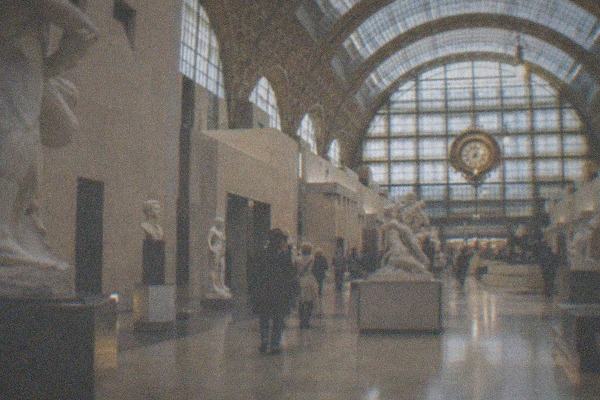
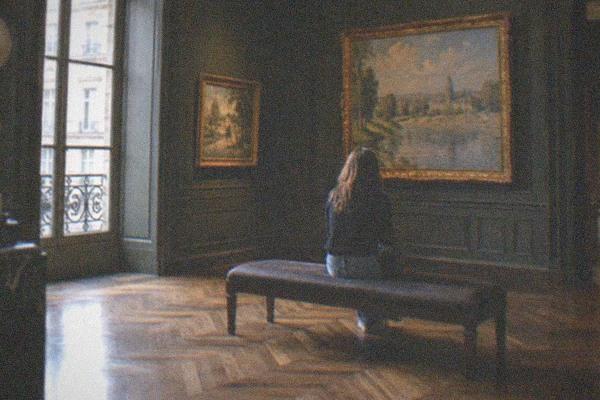
If you are pricing a Paris-only art day instead, note that Monet's paintings themselves sit in the city: the Orangerie has the full Nympheás cycle, Musée Marmottan Monet holds Impression, Sunrise, and Musée d'Orsay carries the broad Impressionist hang. Comparing those against a Giverny ticket is apples to oranges, but pairing one of them with the gardens, paintings first or gardens first, is the classic move.
Timing your entry is the practical lever. The site sells admission against the season and the day's crowd flow, and there is no weekly closing day in season, so weekends and July afternoons carry the heaviest flow. Arriving at the start of your window or late afternoon is the usual advice from reviewers, who consistently say the garden empties noticeably in the last two hours before closing time in the shoulder months.
How Long To Allow And When To Go
Allow a full day for the trip from Paris: the site itself takes most people two to three unhurried hours for the house and both gardens, and the round journey from central Paris adds several more on top. The season runs 1 April to 1 November only, so the choice is really about which month, not which time of year.
Within the season, the gardens are the calendar. April brings tulips and the fresh green of the Clos Normand; May is irises and the wisteria starting over the bridge; June through August is peak water lily and rose season, the months the famous views actually look like the paintings. September softens the crowds while keeping late flowers, and late October gives autumn color against the willows. Reviewers consistently say July and August are the most crowded and the most vivid, so pick your trade.
Weekday mornings inside your timed window are the quietest slots, with Tuesday through Thursday usually the lightest mid-week flow in high season. Because there is no weekly closing day, Saturday and Sunday operate normally and carry the heaviest family and tour traffic. Rain is not a deal-breaker: the water garden in drizzle is a legitimate Monet subject, though the paths do get muddy and the house queues stretch under limited cover.
For Paris planning, the honest question is whether Giverny displaces a museum day. If your Paris window is three days or fewer, the Orangerie or Marmottan deliver the paintings without the 75 km round trip. If you have four days or more, the gardens earn the day, because no museum reproduces standing on the bank of the actual pond. Travelers who love Monet's work report the reverse order works too: see Impression, Sunrise at Marmottan first, then stand in the garden that produced the late canvases.
Know Before You Go: Getting There, The Station, And Practicalities
Fondation Claude Monet is at 84 rue Claude Monet, Giverny, 75 km from Paris, so this is a day trip and you must plan the journey as part of the visit. The usual route is a train from Paris toward Vernon, then a shuttle bus, taxi, or a short ride to the village. Drivers follow the A13 toward Rouen and take the Vernon exit.
The address and coordinates, 49.07535, 1.53379, put the site in the middle of the small village of Giverny, which is otherwise a single street with inns, a churchyard where Monet is buried, and the American art museum up the hill. Trains run from Gare Saint-Lazare in Paris, the same station Monet himself used when he commuted between Giverny and the city, and Vernon is the stop to target. From Vernon station, local shuttle buses meet the main trains in season and taxis are available; the ride to Giverny is short. Current timetables are on the regional operator's site at transilien.com, and the museum's own page at claudemonetgiverny.fr carries directions and current season dates.
On the ground, the visit is mostly outdoors on gravel and grass paths, with the house interiors up stairs. The water garden involves the tunnel under the road, gentle slopes, and unpaved banks, so visitors with limited mobility should expect a partially accessible route and check the current provisions before booking. Wear shoes that can handle gravel and damp grass, because the pond paths stay soft after rain. Strollers are awkward on the narrow garden paths, and lockers are minimal, so travel light. There is no bag room comparable to a large Paris museum.
Two final practical points. First, the site closes from 2 November to the end of March, and there is no reduced off-season version, it is simply shut. Second, the village has limited dining, mostly small inns and cafés, so either eat in Vernon before the shuttle or accept the modest options in Giverny itself. Water and sun protection matter more than people expect, because the water garden is exposed with little shade.
Monet Beyond Giverny: Pairing The Gardens With The Paris Collections
The strongest pairing for Fondation Claude Monet is a Paris museum holding the paintings themselves, above all Musée de l'Orangerie with its two oval Nympheás rooms, which Monet designed as a continuous installation around the viewer, the same pond made permanent in paint.
The logical sequence is gardens first, paintings second. Stand at the bank in Giverny, then walk into the Orangerie's white oval rooms and see what Monet did with that view over twenty years, and the paintings hit differently. Reviewers regularly report this exact effect. If you would rather prime the eye in advance, reverse it: see Impression, Sunrise and the late canvases at Musée Marmottan Monet first, then test the paintings against the real pond.
A second layer is the broader Impressionist hang at Musée d'Orsay, which gives the context around Monet: Renoir, Pissarro, Sisley, and the Salon world they broke from. Monet's Gare Saint-Lazare canvases sit in that orbit, and since you will pass through that very station on the train to Vernon, the loop closes neatly. For a non-Monet counterweight, Arc de Triomphe adds the monumental Paris view after a day of gardens and intimate interiors.
If you want the fuller Normandy Monet trail, the Seine route toward Rouen passes Vernon and the landscape he painted from his studio boat, though that is a second day rather than an add-on. Realistically, one Giverny day plus one painting museum is the balanced Paris itinerary, and the Orangerie is the single highest-value pairing because the Orangerie rooms were Monet's own gift to France, conceived as the last statement of the Giverny cycle. Budget an hour for the Orangerie and two for Marmottan or Orsay if you are stacking the same day after your return train.
The At-A-Glance Guide To Fondation Claude Monet
Here is the quick reference: Fondation Claude Monet is Monet's home and gardens in Giverny, 75 km from Paris, open 1 April to 1 November and closed from 2 November to the end of March. Entry at the gate is €13 for adults, there is no weekly closing day in season, and the site takes roughly two to three unhurried hours.
Read the table with the season rule first: the single most common mistake is planning a Giverny day between November and March, when nothing is open. Everything else, ticketing, timing, transport, is solvable within the April to November window.
On ticketing, remember the two products are different animals. The €13 is the door price for the house and gardens, paid on site in Giverny. The from $118.66 booking is a day-trip product that typically bundles a guide and a timed slot, and its 4.5 rating across 404 reviews reflects the whole escorted experience, not the entry fee. If you already have a car or a rail pass, the door route is cheaper; if you want the journey handled, the booking route is the one that exists. To lock either plan into a date, the booking panel on this page handles it in a few clicks.
Questions People Ask
Is Fondation Claude Monet In Paris?
No. The house and gardens are in Giverny, 75 km from Paris, so this is a day trip rather than a city museum visit. Trains run from Gare Saint-Lazare toward Vernon, then a shuttle bus or taxi covers the short remaining ride to the village.
How Much Does It Cost To Get In?
Standard adult admission at the gate is €13, paid in euro on site. A bookable ticket starts at $118.66, but that is a different product, typically an organized, guided day trip from Paris, not the door price converted. It is rated 4.5 across 404 reviews.
When Is Fondation Claude Monet Open?
The site is open 1 April to 1 November only. It shuts from 2 November to the end of March, with no reduced winter version. Within the season there is no weekly closing day, so weekends operate normally, just with heavier crowds.
How Long Should I Allow For The Visit?
The site itself takes most people two to three unhurried hours for the house and both gardens. Because Giverny is 75 km from Paris, budget the full day door to door, including the train to Vernon and the shuttle or taxi to the village.
What Do I Actually See At Fondation Claude Monet?
Three main things: Monet's pink house with his studio and Japanese print collection, the flower garden called the Clos Normand in front of it, and the water garden across the road with the lily pond and Japanese bridge that appear in his famous Nympheás paintings.
Is The Bookable Ticket The Same As The €13 Entry Fee?
No. The €13 is the museum's own door price for the house and gardens. The bookable ticket from $118.66 is an organized product that typically includes a guide and a timed slot, generally built around transport from Paris, and it is rated 4.5 across 404 reviews.
Can I Visit In Winter?
No. Fondation Claude Monet closes from 2 November to the end of March and reopens 1 April. If you are in Paris outside the season, Musée de l'Orangerie and Musée Marmottan Monet hold the major Monet collections in the city year round.
Is It Worth Pairing With A Paris Monet Museum?
Many travelers do. The Orangerie's oval rooms hold the Nympheás cycle Monet designed as an installation, and Marmottan holds Impression, Sunrise. Seeing the gardens first and the paintings second, or the reverse, is the classic way to connect the two.