How Much Does A Versailles Ticket Cost, And Which One Should You Buy?
Versailles tickets range from €25 to €35 for a Passport, with free entry for under-18s and EU residents under 26. Learn which ticket covers the palace, gardens, and Trianon, and how to skip the line.
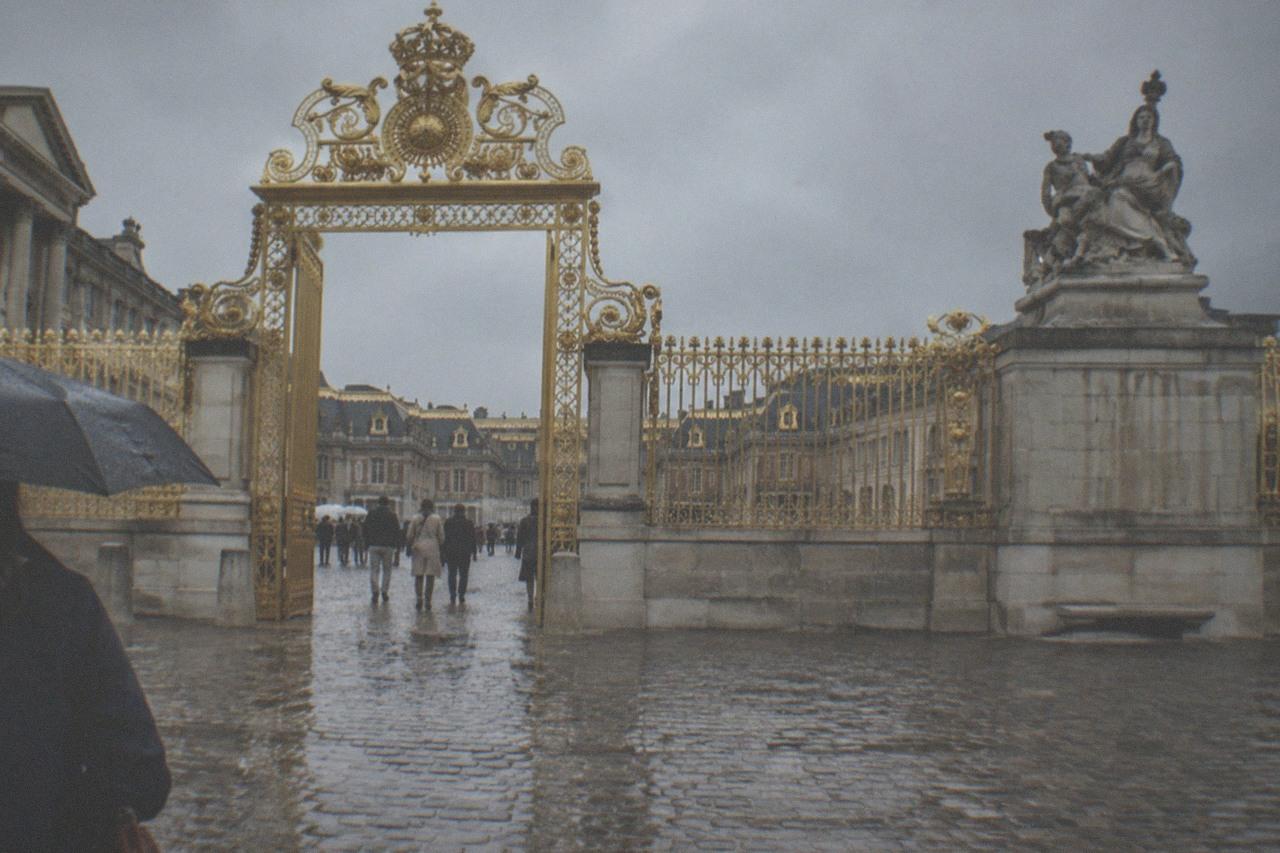
When you plan a visit to the Palace of Versailles, the first question is usually about the ticket price. Paris Museums has researched every official source to give you the real numbers, not the rounded ones you find on most travel sites. The palace runs on a timed-entry system, and tickets sell out days ahead in summer. This guide explains exactly what a Versailles ticket costs, what it covers, and which one to buy for a first visit.
How Much Does A Versailles Ticket Cost, And Which One Should You Buy?
A Passport ticket costs €35 in high season (April to October) and €25 in low season. It covers the palace, Trianon, and gardens on musical show days. Under-18s and EU/EEA residents under 26 enter free with ID, but a timed reservation is still required. Book a morning slot and allow a full day.
The Passport ticket is the official name for the all-in-one admission. It is the only ticket that gives you access to the entire estate: the palace itself, the Grand Trianon, the Petit Trianon, the Queen's Hamlet, and the gardens. On days when the Musical Fountains Show or the Musical Gardens are scheduled, the gardens are only accessible with a Passport or a separate gardens ticket. Outside those show days, the gardens are free and open to everyone, which means you could in theory visit the gardens without buying anything, but you would miss the palace.
The palace also sells a ticket for the palace only, a ticket for the Trianon estate only, and a ticket for the gardens on show days. The official site lists these separately, and prices shift by season. For most visitors, the Passport is the best value because the price difference between a palace-only ticket and the full Passport is small, and you get the Trianon and the gardens included. If you are certain you will not visit the Trianon, a palace-only ticket can save a few euros, but the Trianon is worth seeing and the gardens are a large part of the experience.
Timed entry is compulsory for everyone, including pass holders and those with free admission. The official site releases slots several weeks ahead, and the earliest morning slots are the first to sell out. Book as soon as your dates are firm. If you miss your slot, the palace does not guarantee entry later in the day, so plan to arrive at the gate 15 minutes before your time.
| Ticket Type | High Season (Apr-Oct) | Low Season (Nov-Mar) | What It Covers |
|---|---|---|---|
| Passport | €35 | €25 | Palace, Trianon estate, gardens on show days |
| Palace only | Varies, see official site | Varies | State Apartments, Hall of Mirrors, temporary exhibitions |
| Trianon only | Varies | Varies | Grand Trianon, Petit Trianon, Queen's Hamlet |
| Gardens on show days | Varies | Not applicable | Musical Fountains Show or Musical Gardens |
The Passport ticket is the one most visitors buy. It is sold on the official Château de Versailles website and through several third-party platforms, where a skip-the-line package often bundles the same timed entry with a guided tour or transport. If you book through a reseller, the price will be higher than the door price, but the convenience of a guaranteed slot and a guide can be worth it in peak summer.
What Is Actually Inside The Palace of Versailles?
The Palace of Versailles contains the State Apartments of the King and Queen, the Hall of Mirrors, the Royal Chapel, and the Gallery of Battles. Outside, the formal gardens stretch across a vast estate with fountains, sculptures, and the Grand Canal. The separate Trianon estate includes the Grand Trianon, Petit Trianon, and Marie-Antoinette's hamlet. A Passport ticket covers everything, but the gardens are free on days without the musical show.
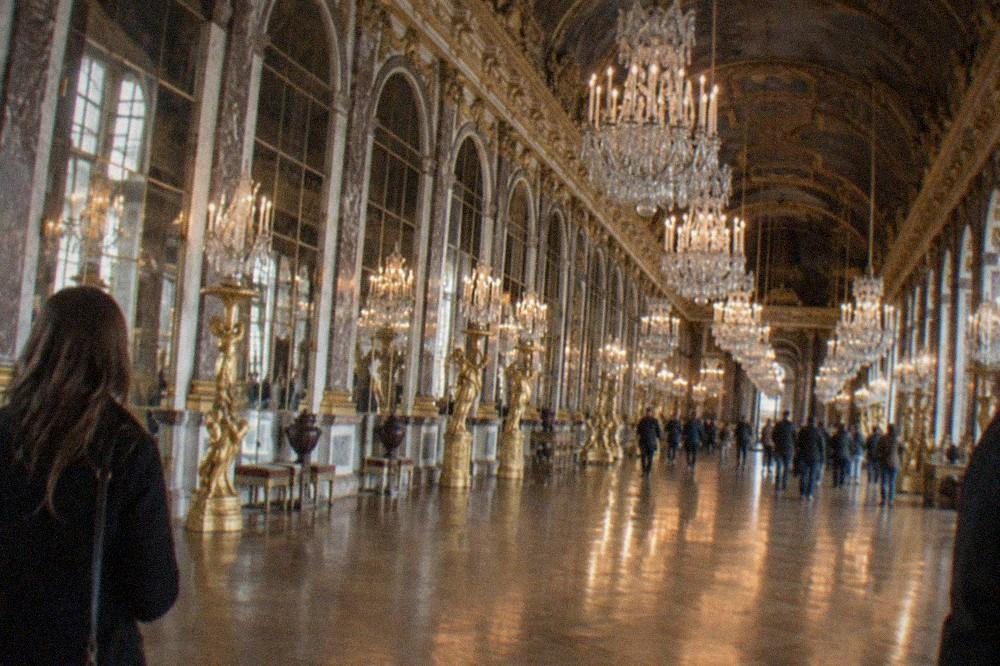
The palace interior is a sequence of grand rooms built to display the power of Louis XIV. The King's State Apartment runs through salons named after Roman gods, each one more ornate than the last. The Hall of Mirrors is the centerpiece: a long gallery with 17 arched mirrors opposite 17 windows, crystal chandeliers, and a painted ceiling by Charles Le Brun. It is the room every visitor wants to see, and it is almost always crowded. The Queen's Apartment is smaller and more intimate, with a bedchamber where Marie-Antoinette once slept and a hidden door she used to escape.
Beyond the state rooms, the Gallery of Battles lines a long corridor with enormous canvases depicting French military victories from Clovis to Napoleon. The Royal Chapel, with its two-story arcade and organ, is the last major room on the standard route. Temporary exhibitions fill the remaining halls, and they change twice a year.
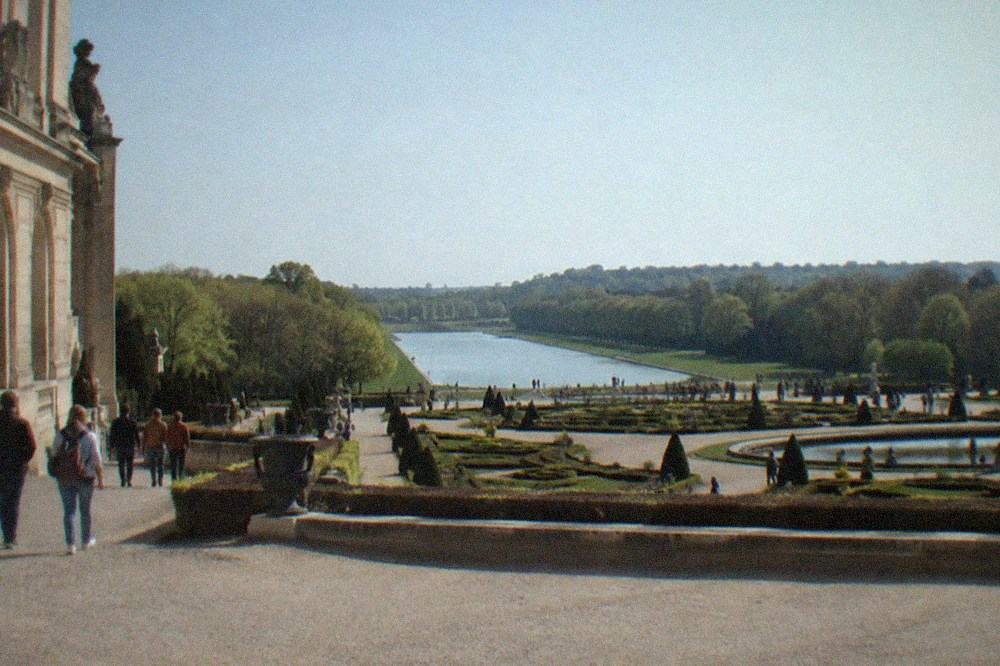
The gardens are a separate world. André Le Nôtre designed them as an outdoor extension of the palace, with geometric parterres, bosquets, and fountains fed by a hydraulic system that was the marvel of its age. The Grand Canal runs for over a kilometer and was used for naval demonstrations. On Musical Fountains Show days, the fountains run to baroque music, and the gardens are only accessible with a ticket. On ordinary days, you can walk in for free from the park entrances along the canal.
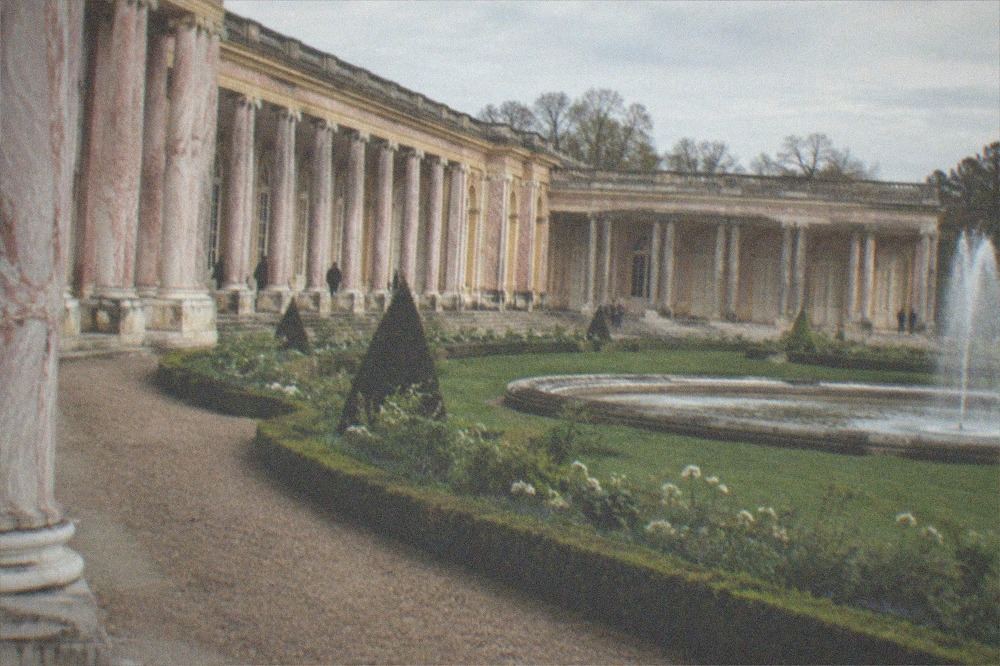
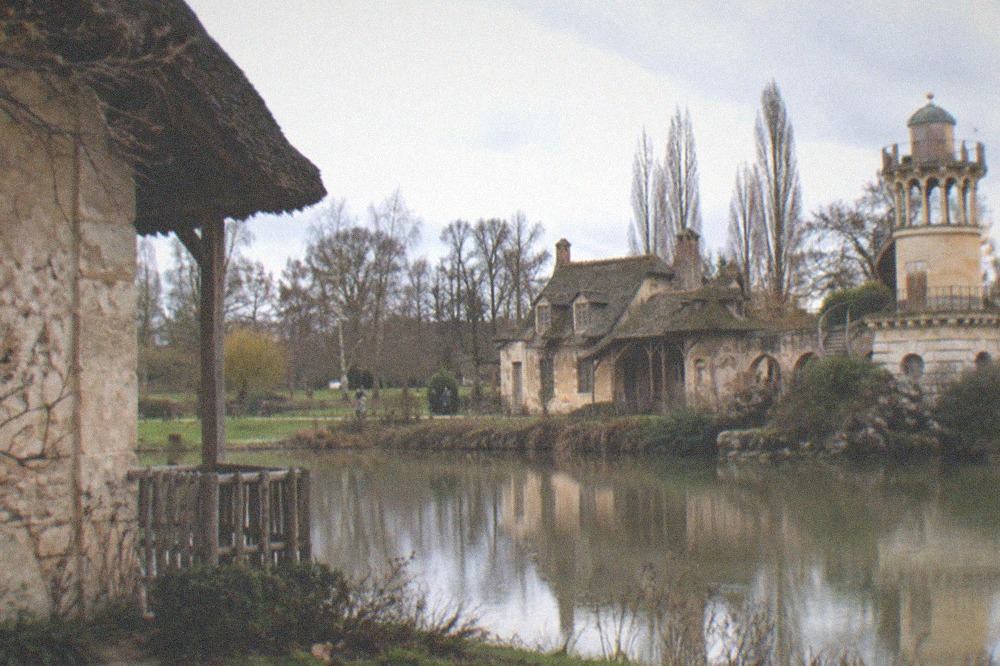
The Trianon estate sits a 25-minute walk from the main palace. The Grand Trianon is a pink marble pavilion built as a retreat for Louis XIV, and the Petit Trianon was given to Marie-Antoinette as a private domain. The Queen's Hamlet, a mock village with a working farm, is the most charming corner of the estate and feels a world away from the gilded palace.
Which Versailles Ticket Should You Buy?
The Passport is the best ticket for a first visit: it covers the palace, Trianon, and gardens on show days for €35 in summer or €25 in winter. Timed entry is compulsory, so book weeks ahead. A self-guided visit with the free audio guide works for most people; guided tours add context but cost extra.
The ticket you pick depends on how much time you have and what you want to see. A full-day visitor who wants to see everything should buy the Passport. A visitor with only three hours should buy a palace-only ticket and skip the Trianon, because the walk to the Trianon and back eats up an hour. A visitor who has already seen the palace on a previous trip might buy a Trianon-only ticket and spend a peaceful afternoon in the gardens.
The gardens ticket is its own product. On Musical Fountains Show days, which run on weekends and some Tuesdays from April to October, you need a ticket to enter the formal gardens. The show is a choreographed display of water jets set to music, and it is a spectacle in its own right. On other days, the gardens are free, and you can walk from the park side without a ticket. The Musical Gardens days are similar but without the fountain choreography, and a ticket is still required.
Guided tours are sold as an add-on or as part of a skip-the-line package. A standard guided tour takes you through the State Apartments and the Hall of Mirrors with a live guide, and it often includes access to rooms that are closed to the general public, such as the Royal Opera. These tours cost more than the Passport alone, and they are worth it if you want the historical context. The free audio guide, available in several languages, is included with every ticket and does a good job of explaining the main rooms.
The Paris Museum Pass covers the palace and the Trianon, but it does not cover the gardens on show days. You still need to book a free timed slot through the official site, and the pass does not give you priority entry. If you hold a pass, you can reserve a slot on the same portal as a paying visitor, and you show the pass at the gate. The pass is a good deal if you are visiting several other sites, but for Versailles alone, a direct Passport ticket is simpler.
How Much Does It Cost To Visit Versailles?
A Passport costs €35 in high season, €25 in low season. Under-18s and EU/EEA residents under 26 enter free with ID. The first Sunday from December to March is free for all. The Paris Museum Pass covers admission but you must book a free timed slot. Transport from Paris costs a few euros on the RER C.
The full cost of a Versailles day trip adds up. The ticket is the main expense, but you also need to get there. The RER C train from central Paris to Versailles Château Rive Gauche costs a few euros each way. If you take a guided coach tour, the price bundles transport and a guide, and it can run higher than a self-booked ticket, especially in peak season. A taxi or ride-share from central Paris costs more but may suit a group of four.
Food inside the estate is limited to a few cafés and a restaurant, and prices are high. A sandwich and a drink can cost €15, and a sit-down meal at the Ore restaurant in the palace is more. Many visitors bring a picnic and eat in the park, which is allowed and is the most pleasant option on a sunny day.
Free entry is generous but conditional. Everyone under 18, regardless of nationality, enters free with a photo ID. EU and EEA residents under 26 also enter free, and the rule includes holders of a long-stay residence permit or visa over four months. The check is on residency, not citizenship, so a non-EU student with a French residence card qualifies. The first Sunday of the month from December to March is free for all visitors, including the palace and the Trianon. The gardens are free year-round on non-show days.
| Visitor Category | Admission | What You Need |
|---|---|---|
| Adult, high season | €35 (Passport) | Timed reservation |
| Adult, low season | €25 (Passport) | Timed reservation |
| Under 18, any nationality | Free | Photo ID, timed reservation |
| EU/EEA resident under 26 | Free | Photo ID, proof of residency, timed reservation |
| First Sunday, Dec-Mar | Free | Timed reservation |
| Paris Museum Pass holder | Free (except gardens on show days) | Pass, timed reservation |
| Gardens on show days | Separate ticket required | Ticket, no reservation needed for gardens only |
The free-admission rules are set by the Centre des Monuments Nationaux, and they apply to Versailles because the palace is a CMN site. The full conditions are published on the CMN gratuity page, which is the official source. Always check it before you travel, because the rules can change.
How Long Should You Allow For Versailles?
A full visit to the palace, gardens, and Trianon takes at least five to six hours. The palace alone needs two to three hours, the gardens another hour or two, and the Trianon estate about an hour. If you arrive at opening time, you can see everything by mid-afternoon. Half-day visits are possible but rushed; skip the Trianon if you only have three hours. The estate is large, so wear comfortable shoes and plan a lunch break.
The palace opens at 9:00 am, and the first timed slots are the least crowded. If you book a 9:00 am entry, you can walk through the State Apartments and the Hall of Mirrors before the largest crowds arrive around 10:30 am. The palace route is one-way, and you cannot double back, so take your time in each room. The audio guide adds about 30 minutes to the visit if you stop to listen to every commentary.
After the palace, most visitors head straight to the gardens. The walk from the palace terrace to the Grand Canal and back takes about an hour at a relaxed pace. If you want to see the bosquets and the fountains up close, allow another hour. The gardens are vast, and you can rent a rowboat on the Grand Canal or a golf cart to cover more ground.
The Trianon estate is a 25-minute walk from the palace, or you can take the little train that runs from the palace terrace to the Grand Trianon for a few euros. The walk is pleasant through the park, but it adds time. Once there, the Grand Trianon and Petit Trianon take about 30 minutes each, and the Queen's Hamlet another 20 minutes. If you are short on time, the Trianon is the easiest part to skip.
A half-day visit of three to four hours is enough for the palace and a quick walk through the gardens, but you will not see the Trianon. A full day lets you see everything without rushing, and you can have lunch in the park or at one of the cafés. The palace closes at 5:30 pm in summer and 5:00 pm in winter, with last entry an hour before closing, so plan your afternoon accordingly.
When Is Versailles Closed?
The Palace of Versailles is closed every Monday, as well as on 1 January, 1 May, and 25 December. The gardens and park remain open daily, though the musical fountains show runs only on weekends and some Tuesdays from April to October. The Trianon estate closes on Mondays as well. Always check the official calendar before you travel, because special events can close parts of the estate without much notice.
Monday is the universal closing day for Versailles, like most national museums in France. If your trip only includes a Monday, you cannot visit the palace or the Trianon. The gardens and the park are open, and you can walk in for free on non-show days, but the palace doors are shut. Many visitors plan a Monday day trip to Versailles without checking, and they arrive to find the gates closed.
The palace also closes on a few public holidays. 1 January, 1 May, and 25 December are the fixed closures. On other holidays, the palace usually opens, but hours may be shorter. The official site publishes a calendar for the entire year, and it is the only reliable source for holiday hours.
The gardens have their own schedule. The Musical Fountains Show runs on weekends from late March to late October, plus some Tuesdays and public holidays. The Musical Gardens run on weekdays when the fountains are not choreographed. On show days, the gardens are ticketed and close at a set time. On other days, the gardens and park are free and open from morning until sunset, with no ticket required.
How Does Versailles Compare To Fontainebleau?
Versailles is larger and more opulent, with the Hall of Mirrors and vast gardens. Fontainebleau is quieter and older, with a famous horseshoe staircase. Versailles costs €35 in summer and needs a full day; Fontainebleau costs €17 and works as a half-day trip. If you can only do one, Versailles is the bigger spectacle.
The two palaces are often compared because they are both day trips from Paris and both were royal residences. Versailles was the seat of the court under Louis XIV, and it was built to overwhelm. Every room is designed to project power, and the scale is enormous. The Hall of Mirrors alone is worth the trip, and the gardens are the most famous in France.
Fontainebleau is older, with a history stretching back to the 12th century. It was a favorite of François I, who brought Italian artists to decorate it, and Napoleon later used it as a residence. The interiors are rich but less formal than Versailles, and the château feels lived in. The horseshoe staircase in the main courtyard is the iconic photo spot. The gardens are smaller and less manicured, and the surrounding forest is a bonus for walkers.
| Versailles | Fontainebleau | |
|---|---|---|
| Distance from Paris | 20 km | 55 km |
| Ticket price | €35 (high season) | €17 |
| Closed day | Monday | Tuesday |
| Time needed | Full day | Half day |
| Gardens | Vast, formal | Smaller, English-style |
| Crowds | Very high | Moderate |
| Paris Museum Pass | Yes, reservation required | Yes, no reservation |
If you can only visit one, pick Versailles. It is the bigger name for a reason, and the Hall of Mirrors is a room everyone should see once. If you have already been to Versailles, or you want a quieter day with fewer crowds, Fontainebleau is an excellent alternative. The train from Gare de Lyon takes about 40 minutes, and the château is a short bus ride from the station. For a deeper comparison, read our guide on which is better, Versailles or Fontainebleau.
What Other Royal Sites Should You Visit In Paris?
After Versailles, the Sainte-Chapelle on the Île de la Cité offers a completely different royal experience: a 13th-century Gothic chapel with stunning stained-glass windows. A ticket costs €16 for EEA visitors and €22 for non-EEA, and it is open daily. The Conciergerie next door, a former royal palace turned prison, pairs well with it. Both are covered by the Paris Museum Pass and are free on the first Sunday from November to March.
Sainte-Chapelle was built by Louis IX to house relics of the Passion, and the upper chapel is a wall of glass. The windows tell the biblical story from Genesis to the Apocalypse, and on a sunny afternoon the light is spectacular. The chapel is small, and a visit takes about 45 minutes. Timed entry is compulsory, and the queue can be long in summer, so book ahead.
The Panthéon is another royal-adjacent site worth seeing. It was built as a church but became a mausoleum for France's great figures, and the dome offers one of the best views of Paris. A ticket costs €16 in summer and €13 in winter, and it is open daily. The crypt holds the tombs of Voltaire, Rousseau, Victor Hugo, and Marie Curie. It is a short walk from the Luxembourg Gardens and pairs well with a morning at the Musée de Cluny.
How Do You Get To Versailles From Paris?
Take the RER C to Versailles Château Rive Gauche, a 30-40 minute ride from central Paris. Trains run every 15 minutes. From the station, it's a five-minute walk to the palace gates. The train is the simplest option; guided coach tours are available but cost more.
The RER C has several branches, so check the platform display to make sure your train is going to Versailles Château Rive Gauche and not another terminus. The station is in zone 4, so a standard Paris Métro ticket is not valid. You need a point-to-point ticket or a Navigo pass loaded with the right zones. The fare is a few euros each way, and you can buy tickets at any RER station.
From the station, follow the signs to the palace. The walk is well-marked and takes five minutes. You will see the golden gates as soon as you turn the corner. If you have mobility issues, a taxi from the station is possible but rarely necessary.
Guided coach tours depart from central Paris and include round-trip transport and a skip-the-line ticket. They are more expensive than the train and a self-booked ticket, but they remove the logistics. A typical half-day tour bundles transport and a guide, and it can be worth the extra cost for a hassle-free day. Our guide on planning a Versailles day trip from Paris covers the options in detail.
Common Questions About Versailles Tickets
Can I buy Versailles tickets at the door?
Yes, but it is not recommended. Timed entry slots sell out days ahead in summer, and the door ticket office often has only late-afternoon slots left. Book online before you travel to secure a morning entry.
Is the Paris Museum Pass worth it for Versailles?
The pass covers the palace and Trianon but not the gardens on show days. If you are visiting three or more other pass sites, the pass can save money. You still need to book a free timed slot for Versailles through the official site.
Do children need a ticket for Versailles?
Children under 18 enter free with a photo ID, but they still need a timed reservation. Book a free ticket for each child when you reserve your own slot.
Are the gardens free every day?
The gardens are free on days without a musical show. On Musical Fountains Show days and Musical Gardens days, a separate ticket is required. The park and the Grand Canal are always free.
Can I visit Versailles on a Monday?
No. The palace and the Trianon are closed every Monday. The gardens and park are open, but you cannot enter the buildings.
How far in advance should I book Versailles tickets?
Book at least two to three weeks ahead for summer visits. Weekend and morning slots sell out first. In winter, a few days ahead is usually enough.
Is there a dress code for Versailles?
No formal dress code, but comfortable shoes are essential. The palace floors are marble and the gardens are gravel, so heels are impractical.