Which Is Better, Versailles Or Fontainebleau?
A direct comparison of two royal day trips from Paris: ticket prices, free days, closed days, travel time and what each palace does best.
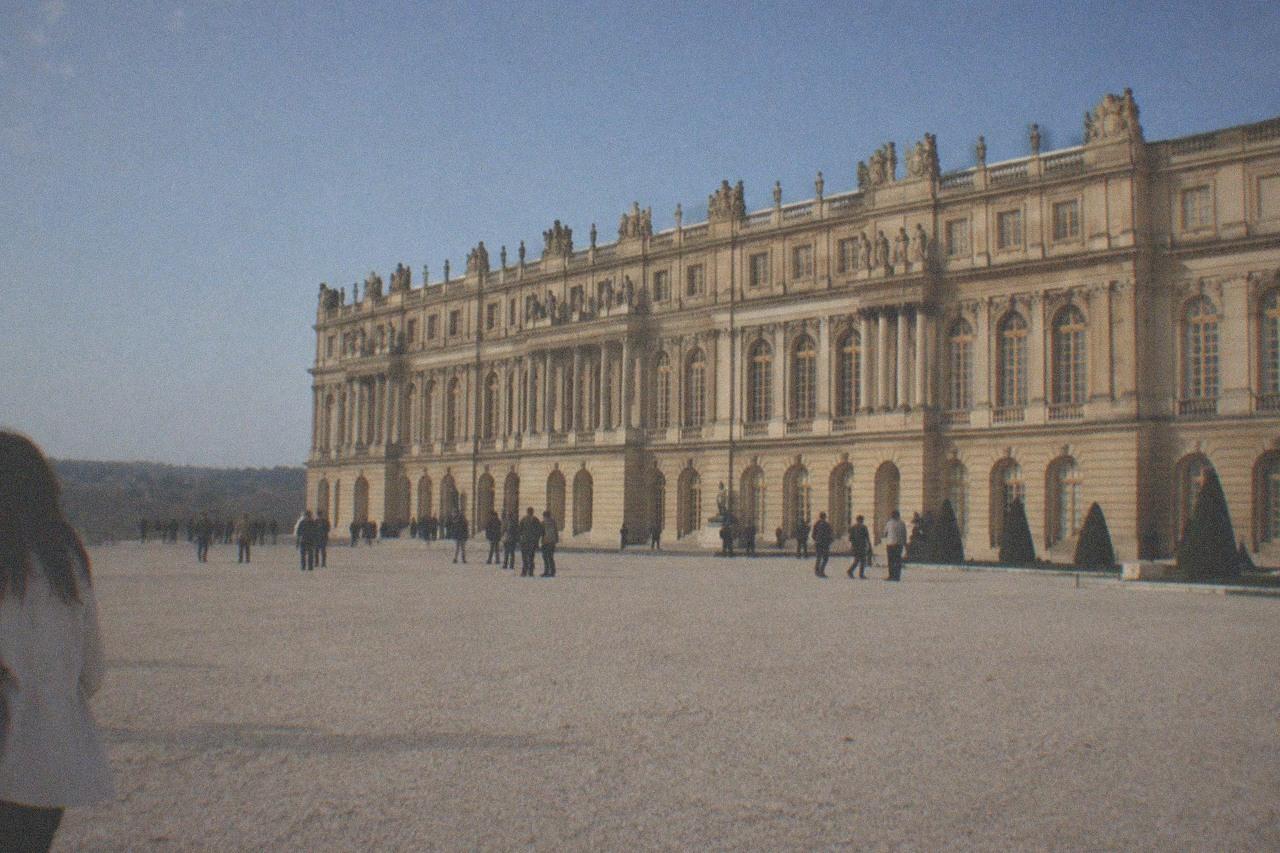
Which Is Better, Versailles Or Fontainebleau?
For most visitors, Fontainebleau is the better pick: it costs €17 year-round versus Versailles' €35 high-season Passport, its interiors are richer room for room, and it closes only on Tuesdays compared with Versailles' Monday closures. Choose Versailles instead if this is your first trip and you want grand scale, famous gardens, and the Hall of Mirrors, since it also wins on travel time, roughly 30 to 40 minutes by RER C versus about an hour to Fontainebleau.
That is the honest shape of the answer, and almost nobody gives it to you straight. Most comparisons lean on atmosphere words, gold and grandeur, as if the two palaces were interchangeable backdrops. They are not. They sit in different worlds, serve different appetites, and cost meaningfully different amounts of money for a family of four. A couple touring Versailles at its high-season price and a couple touring Fontainebleau are having two different days, at two different price levels, roughly an hour apart from the same Paris stations.
The fame gap is enormous and it shapes everything else. Versailles carries 11,852 reviews at 4.7 on its live listing; Fontainebleau carries 1,523 reviews at 4.6. Those numbers tell you which one the world is queueing for, and by extension which one you can visit at an unhurried walking pace on an ordinary Tuesday. Reviewers consistently describe Versailles as overwhelming in the best and worst senses: the state rooms are packed, the gardens are vast, the whole estate takes a full day if you let it. Fontainebleau draws lighter crowds, and the rooms, Napoleon's apartments above all, reward the slower visitor who can stand in front of a bed or a desk without a tour group at their back.
Price stability matters too, and this is where the comparison tilts hard toward Fontainebleau for anyone watching a budget. Versailles runs its Passport ticket at €35 from 1 April to 31 October and drops it to €25 the rest of the year. Fontainebleau charges a flat €17, every month, with no seasonal swing. That makes Fontainebleau cheaper than Versailles even in Versailles' cheapest season, and half the price of Versailles in the height of summer, which is exactly when most visitors are in Paris. The comparison data on Paris Museums is built around verified door prices like these rather than round estimates, which is why the two figures above can be trusted side by side.
The two palaces also fail on opposite etiquette tests, and knowing which test you will face is half the planning. Fontainebleau, as a Château complex with a Tuesday closure, pairs badly with a Monday-anchored itinerary, because Versailles and most of the big Paris museums close that day too; visitors often discover on a Monday morning that Versailles, the Catacombes, the Musée Picasso and half the Marais are all shut at once. The full Monday-open picture, including which museums rescue a Monday in Paris, is covered in the guide to museums open on Monday.
What Is Actually Inside The Château de Fontainebleau?
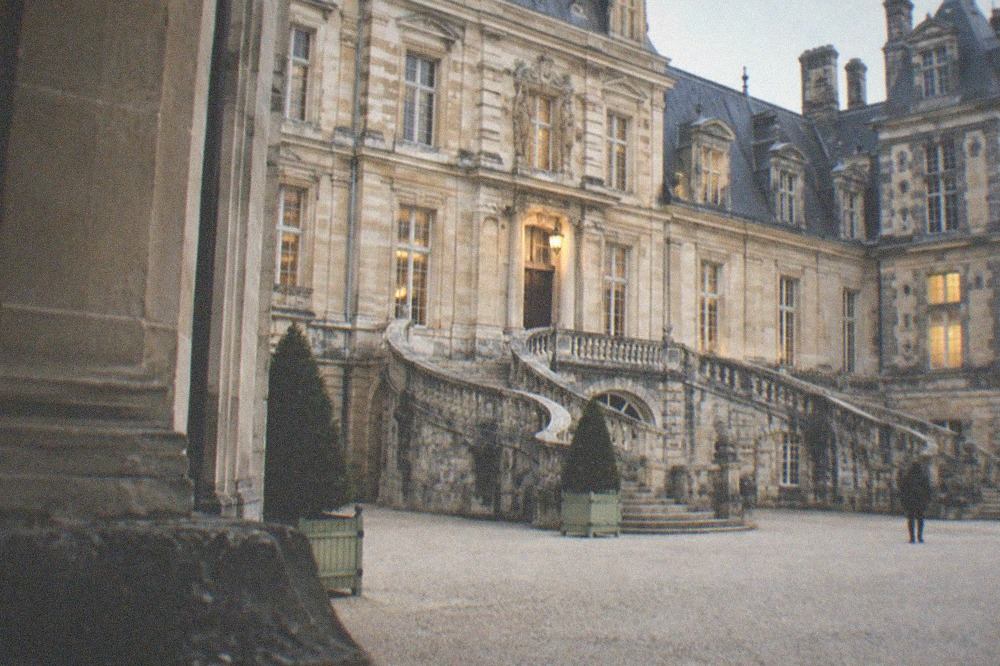
Fontainebleau's interior route runs through the Grands Appartements, the long frescoed François I Gallery, Napoleon I's private apartments with his bedroom and his camp bed, the throne room, the chapel, and the museum spaces telling the palace's history, with the Italianate garden, the English garden and the great pond of the Carp outside. It is a palace built for looking at rooms, not gardens, the exact reverse of Versailles.
The interior is what Fontainebleau does better than any palace in the Paris region, and the reason is historical. Versailles was furnished as a stage for ceremony; Fontainebleau was lived in, remodeled and reloved by successive kings and then, decisively, by Napoleon, who kept it as a working residence and signed his abdication there. What you walk through is a sequence of intimately scaled rooms, galleries and private apartments rather than a single ceremonial axis, and the effect is closer to a great house than a monument. Reviewers regularly single out the Napoleon apartments as the emotional core of the visit, which is not something anyone says about a Versailles gallery.
The François I Gallery is the other anchor. It is a long, narrow, fresco-decorated corridor built for a Renaissance king who wanted an Italian palace inside a French hunting lodge, and it remains the most concentrated stretch of decoration in the building. The contrast with Versailles' Hall of Mirrors is instructive: the Hall of Mirrors is bigger, brighter and vastly more photographed, but you will share it with several hundred people at a time, while the gallery at Fontainebleau you can often walk at your own speed. That trade, scale against access, repeats in almost every room of both palaces.
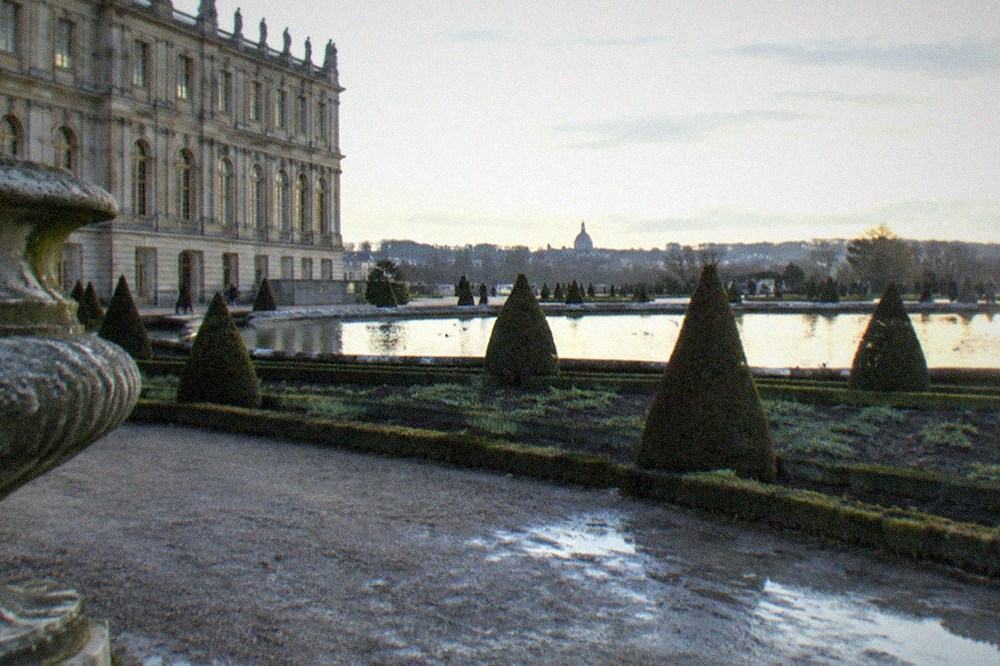
Outside, the estate spreads into formal and landscape gardens without the Versailles-style pressure to see them all. The great pond of the Carp sits in front of the palace like a standing mirror, and the park is large enough to absorb walkers without ever feeling crowded. Visitors who come only for interiors often skip the park entirely and still report a satisfying half day; visitors who want the park budget more time and see almost no one on the outer paths. Versailles cannot offer that quietness at any price, and it is a real argument for Fontainebleau for anyone who has already done the big ceremonial palaces of Europe.
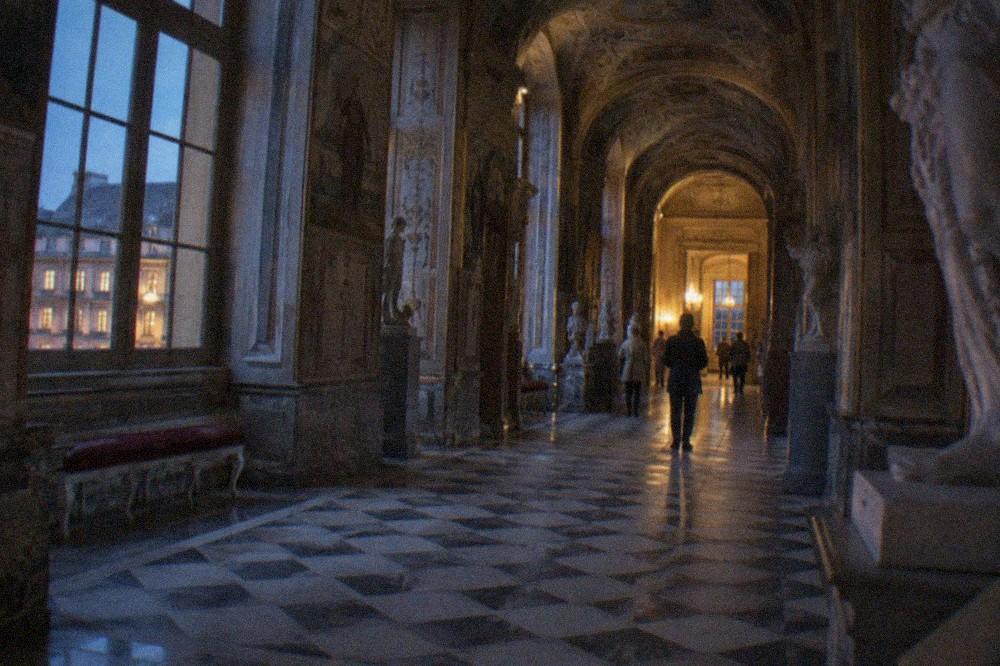
The palace also carries a theatrical streak that surprises first-time visitors: the small theatre, the Chinese museum of imperial objects assembled under Napoleon III, and the papal apartments, all tucked into the same complex. None of these is a headline attraction on the order of the Hall of Mirrors, but together they give the visit texture, a sense that the building kept collecting roles across eight centuries rather than freezing at one moment. That depth is why Fontainebleau rewards the visitor with some French history already in their head, while Versailles rewards the visitor who wants the single overwhelming spectacle.
How Much Does The Fontainebleau Ticket Cost And Who Gets In Free?
A full adult ticket to Château de Fontainebleau costs €17 at the door, with no seasonal variation. Under 18s enter free with a photo ID, and EU and EEA residents under 26 enter free, including holders of a long-stay permit or visa, which makes it one of the cheapest major palace visits in the Paris region for families. The palace is also free the first Sunday of every month except July and August.
The €17 figure covers the apartments, the galleries, the museum spaces and the chapel, one entry, and it is the only price you need to plan around: there is no high season surcharge, no separate gardens ticket of the kind Versailles sells in its high-season Passport structure, and no timed-slot marketplace where the price drifts upward with demand. That flatness is rare among Paris-area attractions. The Arc de Triomphe runs €22 in summer and €16 in winter with a €16 Wednesday rate in between; the Panthéon runs €16 summer and €13 winter; Versailles itself swings €10 between its seasons. Fontainebleau simply charges €17.
The free rules deserve more attention than they get, because two of them apply to a large share of visitors. The under-18 rule, free with photographic ID, applies across the French national system, and the residency rule is broader than most guides state: young people from the EU and EEA under 26 are free, and the wording covers holders of a long-stay residence permit or visa of over four months, so what is checked is residency, not nationality. A family of two adults with two teenagers pays half as much at Fontainebleau as the same family would at Versailles in high season, since the teenagers enter free at both, and the gap for a student couple is starker still, because the students may pay nothing at all with the right ID.
The first-Sunday rule is the quiet bargain. Fontainebleau is free the first Sunday of every month except July and August, which is a more generous window than the national-monument rule that limits the Panthéon, the Sainte-Chapelle, the Conciergerie and the Arc de Triomphe to first-Sunday free entry only from January to March and November to December. It is less generous than the Orsay and the Orangerie, which are free every first Sunday all year, though both require a booked slot. Fontainebleau asks no reservation for its free Sunday, you simply turn up, subject to the usual security line.
| Who or when | Fontainebleau entry |
|---|---|
| Adult, any day | €17 |
| Under 18 with photo ID | Free |
| EU and EEA residents under 26, including long-stay permit holders over four months | Free |
| First Sunday of the month, except July and August | Free |
| Weekly closure | Tuesday |
Booked tickets are handled on the palace's own site, and the official conditions are published at chateaudefontainebleau.fr; the palace also has a page on this site with Château de Fontainebleau tickets and entry options. A booked ticket does not change the price of admission, €17 either way, but it removes the ticket-office queue on busy spring weekends, which is the one moment Fontainebleau's crowds approach something familiar from Versailles.
How Long Do You Need And Which Day Is It Shut?
Château de Fontainebleau is closed on Tuesdays and open the rest of the week. The interiors alone take two to three hours at a comfortable pace; the interiors plus the gardens and the pond take half a day; the palace plus the town and the forest make a full day. It sits roughly 55 to 65 km from Paris, reached by Transilien R from Gare de Lyon in roughly 45 to 60 minutes, then bus line 1.
The Tuesday closure is the single most important planning fact about Fontainebleau, because it is the opposite of Versailles' Monday closure and the opposite of what many visitors assume after a lifetime of Louvre-on-Tuesday reflexes. The French national camp closes Tuesdays: the Louvre, the Orangerie, the Musée Guimet, Fontainebleau among them. The city camp and the big impressionist houses close Mondays: Orsay, Rodin, Picasso, the Catacombes, Versailles. So the two palaces you are choosing between cannot be swapped onto consecutive days without checking the calendar, and a long weekend anchored on a Monday or a Tuesday will make the choice for you.
The journey is longer than Versailles' but easier than its reputation. From Gare de Lyon, the Transilien R runs to Fontainebleau-Avon in roughly 45 to 60 minutes, and bus line 1 covers the short hop from the station to the palace. That is a door-to-palace time of roughly an hour to an hour and a half, against Versailles' roughly 30 to 40 minutes on RER C to Versailles Château Rive Gauche plus a short walk. The difference is real but not decisive, and it is partly repaid on arrival: the Fontainebleau approach drops you into a small town with cafés and a market street rather than into a tourist ecosystem built at Versailles scale.
How long you need inside depends almost entirely on your appetite for rooms. The apartments route, the gallery, the throne room and the chapel can be done well in two to three hours, and many visitors report that pace as ideal. Adding the gardens and the pond pushes the visit to a half day. The full Fontainebleau experience, palace, park, town and the surrounding forest that made the site a royal hunting ground in the first place, is a whole day, and it is the version of the trip that people who love the place describe. The museum town of Barbizon sits on the forest's edge and belongs to the full-day itinerary.
One practical contrast with Versailles deserves its own sentence: Fontainebleau does not run a compulsory timed-entry system of the kind that reshapes a Versailles morning. Versailles demands a booked slot; your entry is anchored to a window. Fontainebleau is a arrive-and-enter palace for most of the year, which makes it the better choice for anyone whose Paris days resist scheduling, parents of small children above all.
What Does Versailles Do Better?
Versailles delivers overwhelming scale: the Hall of Mirrors, the Grand and Petit Trianon, Marie-Antoinette's estate, musical fountain shows in the gardens, and the Versailles Plain. Its Passport ticket costs €35 from 1 April to 31 October and €25 the rest of the year, entry is by compulsory timed slot, it is closed Mondays, and it is free the first Sunday of the month from December to March with the whole estate included.
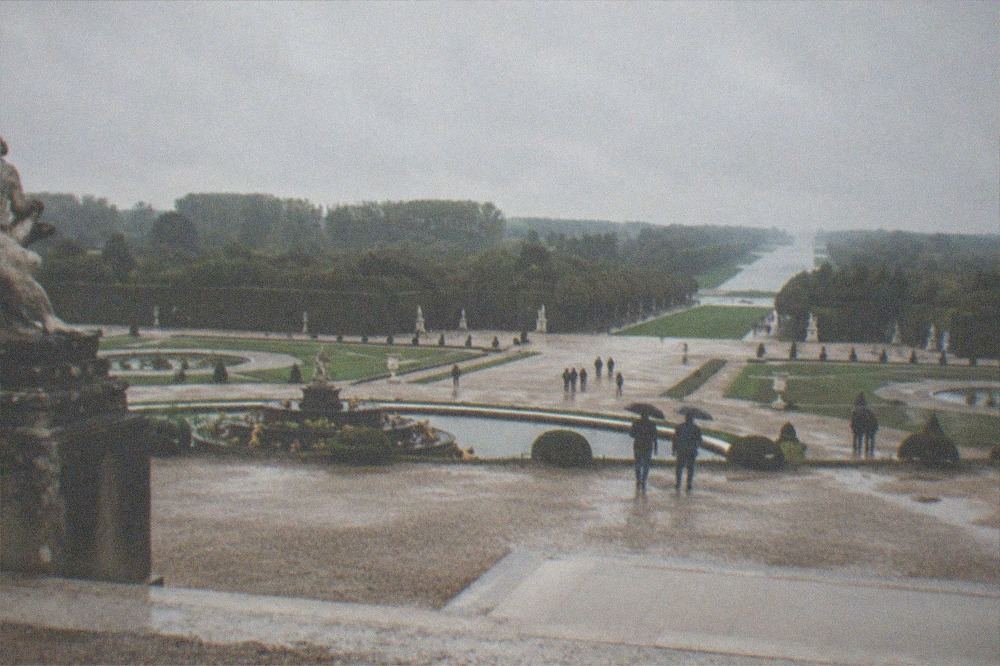
Scale is the honest answer, and it is a genuine answer rather than a dodge. No palace in Europe matches the Versailles ensemble for ceremonial impact, and the Hall of Mirrors alone justifies the trip for a visitor who has never stood in it. The gardens are an attraction in their own right, geometric to the horizon, with the Grand Canal for rowing boats and the Trianon palaces and Marie-Antoinette's hamlet tucked at the far end of the estate. The Passport ticket covers the whole of that, palaces, gardens and Trianon, where Fontainebleau's €17 covers a palace and a park that ask less of your legs and give less to your camera.
The estate free-day rule is also worth knowing in full: Versailles is free the first Sunday of the month from December to March, and the free entry includes the whole estate, Trianon and all. That is a winter rule, and it lines up with the palace's €25 low-season Passport, so a frugal winter visitor can see Versailles for nothing on the right Sunday or for €25 on any other day. The free rule requires nothing special beyond the booking discipline that Versailles always demands: timed entry is compulsory, on a free Sunday as on a paid one, and a Paris Museum Pass does not waive that, more on which below.
Versailles is also the closer and the better-connected of the two, roughly 30 to 40 minutes from central Paris on RER C, with the station a short walk from the gates. For a visitor with one day, one palace and a strong desire not to spend it on trains, Versailles wins the logistics argument outright. The trade is what you meet when you arrive: crowds that peak brutally at mid-morning, a queue culture of its own, and an estate that punishes the visitor who arrives at 11:30 expecting an easy time. The full logistics picture, including how to plan the day around the estate's rhythms, is laid out in the Versailles day trip from Paris guide.
The estate's own pages publish the current conditions and seasonal programming at chateauversailles.fr, and the entry options are collected on this site at Palace of Versailles tickets and entry options. Whichever palace you pick, the ticket question at Versailles has its own shape, seasons, Passport tiers and what each one buys, and the ticket-by-ticket breakdown is in how much a Versailles ticket costs and which one to buy.
Does The Paris Museum Pass Cover Both Palaces?
Yes. The Paris Museum Pass covers both Versailles and Fontainebleau, but with two different rules: Versailles still demands a separate free timed reservation, while Fontainebleau is badged access without reservation. The pass costs €85 for 2 days, €105 for 4 days and €125 for 6 days, validity is counted in hours from the first scan rather than calendar days, and it never covers temporary exhibitions at either palace.
The hours-from-first-scan rule is the detail that catches pass holders, and it is the one piece of information in this whole comparison that most visitors do not have. A 2-day pass activated at 3pm on a Wednesday runs to 3pm on the Friday, not to the end of Friday. That matters most for the Versailles-plus-Fontainebleau combination, because Versailles eats a whole day and Fontainebleau eats at least half of one, so pairing them inside a 48-hour window is tight but feasible, while pairing them inside a 4-day pass at €105 is comfortable.
The reservation split is the other decisive detail. Eight pass sites still require a separate timed reservation, and the list includes the Louvre, the Orsay, the Orangerie, the Sainte-Chapelle, the Conciergerie, the Hôtel de la Marine, the Tours de Notre-Dame and Versailles. So a pass does not get you into Versailles without booking the free slot, and a pass holder who arrives at Versailles without a reservation can be turned away at peak. Fontainebleau, by contrast, is access without reservation, which makes it the pass holder's flexible filler: the day Versailles slots sell out or the weather turns, Fontainebleau just opens.
Whether the pass beats single tickets for this pair is a plain question of what else is on the itinerary. The two palaces on their own cost less than the €85 two-day pass, so the pass saves nothing for a Versailles-and-Fontainebleau-only trip, and it only starts paying when the two share a plan with three or four pass-listed museums. The prices and rules come from the pass's own site at parismuseumpass.fr.
| Versailles | Fontainebleau | |
|---|---|---|
| Adult ticket | €35 from 1 April to 31 October, €25 the rest of the year | €17 all year |
| Closed day | Monday | Tuesday |
| Timed entry | Compulsory, booked slot | Not required |
| On the Paris Museum Pass | Yes, but a separate timed reservation is required | Yes, access without reservation |
| Free first Sunday | December to March, whole estate | Every month except July and August |
| Train from Paris | RER C, roughly 30 to 40 minutes, then a short walk | Transilien R from Gare de Lyon, roughly 45 to 60 minutes, then bus line 1 |
| Distance from Paris | Roughly 15 to 20 km | Roughly 55 to 65 km |
Which Palace Should You Actually Choose?
Choose Versailles for a first visit to France, for the Hall of Mirrors, for a garden day or for the classic postcard experience, and accept the crowd tax. Choose Fontainebleau for interiors, for Napoleon, for a quieter pace, for a tighter budget at €17 flat, or for any trip that falls on a Monday, when Versailles is shut and Fontainebleau is open. Anyone with two spare days and an appetite for palaces should simply do both.
The decision honestly reduces to a few questions. Is this your first time in the Paris region? Versailles, because skipping it leaves a gap every guide and every dinner companion will ask about. Are you traveling with children under 18? Either, since they enter both palaces free with photo ID, but Fontainebleau's smaller footprint and shorter route will suit younger legs. Are you in Paris in July or August? Versailles if you accept the peak-season crush, Fontainebleau if you do not, and note that Fontainebleau's free first Sunday is suspended in those two months. Are you on a Monday? The choice is made for you: Versailles is closed, Fontainebleau is open, along with the Eiffel Tower, the Arc de Triomphe, the Panthéon and the Musée de l'Armée, all of which never close for a weekly day off.
The royal-history angle tilts by period. If your mental image of French royalty is Louis XIV, the Sun King, the ceremonial court, the politics of Versailles, you must see Versailles, it is that story told in stone and water. If your interest runs to Napoleon, his court, his abdication and the intimacy of a palace that was actually inhabited, Fontainebleau is the more affecting visit and it is not close. Many visitors who know both palaces end up saying some version of the same sentence: Versailles is the spectacle, Fontainebleau is the palace.
For the pairing itinerary, the calendar does the work. Since Versailles closes Monday and Fontainebleau closes Tuesday, the natural sequence is Versailles on any day but Monday and Fontainebleau the following day but Tuesday, with a Paris museum day or the forest at Barbizon filling the gap. A pass holder planning the combined route should book the Versailles slot first and let Fontainebleau's no-reservation flexibility absorb whatever the weather and the children do to the plan. That asymmetry, a booked palace and a flexible one, is the most practical argument this comparison produces.
Common Questions About Versailles And Fontainebleau
Which Is Better, Versailles Or Fontainebleau?
Versailles for scale, gardens, the Hall of Mirrors and the classic first visit, at €35 in high season. Fontainebleau for richer interiors, Napoleon's apartments, calmer crowds and a flat €17 ticket. Versailles closes Monday, Fontainebleau closes Tuesday.
Is Fontainebleau cheaper than Versailles?
Yes. Fontainebleau charges €17 all year. Versailles charges €35 from 1 April to 31 October and €25 the rest of the year, so Fontainebleau is cheaper in every season, and half the price of Versailles in summer.
Is the Château de Fontainebleau included in the Paris Museum Pass?
Yes, and unlike Versailles it needs no reservation: pass holders enter without booking. Versailles is covered too, but a separate free timed reservation is still required there.
What day is the Château de Fontainebleau closed?
Tuesday. Versailles, by contrast, is closed on Monday, so the two palaces cannot be visited on consecutive days without checking the calendar.
Who gets in free at Fontainebleau and Versailles?
Under 18s with a photo ID, and EU and EEA residents under 26, including holders of a long-stay permit or visa over four months. Residency is what is checked, not nationality.
Is Versailles free on the first Sunday of the month?
Only from December to March, but then the whole estate is included, Trianon and the gardens as well. Fontainebleau is free the first Sunday of every month except July and August.
How far is Fontainebleau from Paris?
Roughly 55 to 65 km. The trip takes a Transilien R train from Gare de Lyon of roughly 45 to 60 minutes to Fontainebleau-Avon, then bus line 1 to the palace.
Can you visit both Versailles and Fontainebleau in one day?
Not sensibly. Versailles alone fills a day with its gardens and Trianon estate, and the two palaces sit in opposite directions from Paris, so give each its own day and let the Monday and Tuesday closures set the order.