The Palace of Versailles is a former royal residence turned museum of French history, set in the town of Versailles about 30 to 40 minutes from Paris by RER C train. It suits travelers with most of a day to spare, not anyone squeezing it between two Paris museums. Expect crowds, gold, and a lot of walking.
What You Actually See At The Palace of Versailles
You see the state apartments of the French kings, the Hall of Mirrors, the royal bedchambers, and galleries of paintings and sculpture tracing French history, followed by extensive gardens laid out west of the palace. It is a full estate, not a single building, so plan for hours rather than minutes.
The palace itself is the core. Visitors move through a sequence of rooms that were built to demonstrate the power of the French monarchy, room after room of painted ceilings, marble, and gilded surfaces. The Hall of Mirrors is the room everyone comes for, a long gallery lined with mirrors facing the garden windows, and reviewers consistently say it is the moment the visit pivots from impressive to unforgettable. The state apartments and royal bedchambers sit on either side of it, and the painted and sculpted decoration throughout was designed as political messaging as much as art.
Beyond the main palace, the estate includes the Grand Trianon and Petit Trianon, smaller palaces in the park, and Marie-Antoinette's private domain. These outlying areas are quieter than the main building. Visitors regularly report that the further from the central palace you walk, the more the visit starts to feel like a country estate rather than a museum, which is closer to how the last royals actually lived here.
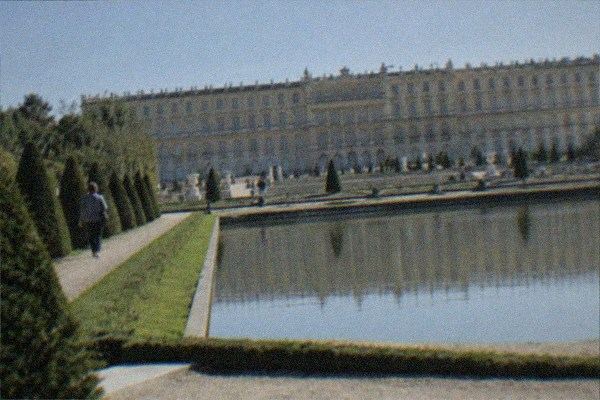
The gardens are an attraction in their own right, a vast formal landscape of parterres, fountains, and tree-lined avenues stretching away from the palace facade. The view from the palace steps down the grand axis toward the horizon is one of the most famous sights in France, and on a clear day it alone justifies the train ride out from Paris. Some visitors come for the gardens and treat the palace interiors as secondary, which is a legitimate way to spend the day if you have already seen the state apartments on an earlier trip.
The collections inside cover French history in paint, sculpture, and decorative art. As a museum of French history, the palace holds extensive collections tied to the monarchy, the Revolution, and the centuries that followed, so the visit works both as architecture and as a walk through the national story. If your trip is centered on French history rather than royalty, the Panthéon in Paris makes a strong complementary visit, covering the republican side of that same story.
Tickets, Prices And Entry Routes
Standard adult admission at the door is €35. A Passport ticket covering the whole estate costs €35 from 1 April to 31 October and €25 the rest of the year. Timed entry is compulsory, so you cannot simply turn up and queue at any moment of the day. First Sundays from December to March are free, whole estate included.
The pricing structure rewards knowing what you want to see. The standard adult admission gets you into the palace. The Passport adds the rest of the estate, and its price swings with the seasons: €35 in the high months from 1 April to 31 October, €25 from November through March, except for the free first Sundays in that low window. That seasonal drop makes a winter visit noticeably cheaper if you are flexible about weather.
Timed entry is the rule here. Every visitor books a slot, and the slot is what controls the flow through the security line and the entrance. If you arrive far outside your window you may wait, and in peak season the timed slots for the most popular windows sell out first. Booking ahead is the practical move for a visit of this scale, especially between April and October, and the booking panel on this page covers it. Reviewers rate the bookable ticket at 4.7 across 11,852 reviews, which is a strong signal for a site that receives this volume of visitors.
For comparison with other big Paris monuments, the Sainte-Chapelle and the Arc de Triomphe both also use timed or slot-based entry of one kind or another, but Versailles is the one where missing your window costs the most in wasted travel time, because you have already spent half an hour on a train to get there. Treat the slot as seriously as a flight departure time.
The official chateauversailles.fr site carries the museum's own terms and conditions for each ticket type, and it is the right place to confirm what a given option includes before you commit, since options change with the seasons.
How Long To Allow And When To Go
Allow most of a day, meaning roughly four to six hours for the palace and gardens, longer if you want the Trianon palaces and Marie-Antoinette's domain as well. The palace is closed every Monday, so Tuesday through Sunday are your visiting days. Avoid the free first Sundays from December to March if you dislike crowds.
Visitors regularly report that the biggest mistake made at Versailles is treating it as a half-day add-on to a Paris itinerary. The train ride alone eats 30 to 40 minutes each way from central Paris, security lines at peak times are long, and the estate itself is enormous once you are inside. A serious visit splits naturally into a morning in the palace and an afternoon in the gardens, with a break for food somewhere in between. If you only have a half day, choose the palace plus the main garden axis and skip the outer estate.
Season matters. From 1 April to 31 October the Passport sits at €35, the gardens are in full leaf, and the crowds are at their heaviest, especially on weekends and French school holidays. November through March drops the Passport to €25 and thins the crowds, though the gardens are barer and the weather less reliable. The free first Sundays in that low window bring the densest crowds of the winter, because everyone in the region knows about them.
Tuesday through Friday mornings are the calmest windows visitors mention, since weekend day-trippers arrive later. Whatever day you pick, remember the Monday closure before you build the rest of your Paris week around it. If Versailles fills your Tuesday and you want a lighter monument for Monday instead, the Palais Garnier is open on Mondays and makes an easy contrast: one building, one hour, no gardens to cross.
Know Before You Go: Getting There
The palace sits at Place d'Armes, Versailles, France, outside Paris proper, and the standard way to reach it is the RER C suburban train, about 30 to 40 minutes from central Paris. The nearest RER station for the palace is Versailles Château Rive Gauche, a short walk from the entrance. The palace is closed every Monday.
This is a day trip, and the page has to be blunt about it: Versailles is not in Paris, and pretending otherwise ruins visits. You ride the RER C west from stations along the Left Bank, and the RATP, the Paris transport operator, publishes the current line maps and timetables. The walk from the palace's own RER stop to the entrance gates takes only a few minutes, which is why that station is the one to aim for over the town's other stations. Buy a return ticket in Paris so you are not negotiating a machine at the end of a long day.
Timed entry is compulsory, so build your train journey backward from your entry slot. If your slot is late morning, a train two hours earlier gives you comfortable margin. Visitors regularly report arriving stressed because they underestimated either the walk across the Place d'Armes or the security line, both of which sit between the station and the first gallery.
Wear real walking shoes. The gardens alone cover distances that surprise people, the paths are gravel in many places, and the route from the palace out to the Trianon palaces is long enough that the estate runs small shuttle vehicles in the busy season. Come prepared for sun or rain in the gardens, where shade and shelter are limited, and carry water in summer.
For the museum's own practical guidance on access and entry conditions, the official chateauversailles.fr site publishes the details before each visit period.
Who It Suits And Who It Does Not
It suits history lovers, first-time visitors to France, garden enthusiasts, and anyone with a full day to give one site. It does not suit travelers with only two or three days in Paris who would rather see several museums, or anyone who cannot manage hours of walking, or visitors trying to squeeze it into a Monday, when the palace is closed.
The honest test is time budget. If your Paris trip runs a week or more, Versailles earns its day. If you have three days, every hour spent on the RER C is an hour not spent inside the Louvre or the Musée d'Orsay, and a strong case exists for saving Versailles for a longer return trip. Visitors regularly report that the visit felt like the highlight of a long trip and like a chore on a short one, and the difference was almost always how rushed the day felt.
Within a long trip, it pairs well with lighter Paris days rather than heavy museum days. The day after Versailles should not be another six-hour monument. Reviewers consistently say the gardens give the visit a restful rhythm that indoor museums cannot match, so families with children often do better here than in a formal gallery, provided the children can handle the walking. Bring a stroller for the gardens if you have small children, and note that the gravel paths and stairs inside the historic building limit some accessibility routes, so check the official site for current access arrangements before booking.
It also does not suit anyone hoping for a quiet royal residence. Versailles in high season is one of the busiest heritage sites in Europe, and the Hall of Mirrors at midday in July is a slow shuffle through a crowd. Accept that, arrive at your timed slot as early in the day as the ticket allows, and the experience improves dramatically.
What Is Nearby Worth Pairing It With
In Versailles itself, the town around the palace offers restaurants and a market square within walking distance of the gates. In Paris, the strongest pairings are monuments covering other chapters of French history: the Panthéon for the Republic, Sainte-Chapelle for the medieval monarchy, and the Arc de Triomphe for the imperial era, all reachable on a different day by Metro.
On the day itself, do not plan a second major sight. The sensible pattern is the palace in the morning, lunch in the town of Versailles, the gardens in the afternoon, and the train back to Paris in time for a relaxed evening. The streets immediately around the palace entrance have the usual mix of tourist restaurants and better options a few blocks into the town, and visitors regularly report that walking five minutes away from the gates noticeably improves the food.
Back in Paris, the thematic pairing writes itself. The Panthéon holds the remains of the Republic's great figures, a deliberate inversion of the royal tombs and kingly imagery you just saw at Versailles, and visiting both on one trip gives you the two halves of the French story. The Sainte-Chapelle shows you the medieval monarchy at its most luminous, a stained-glass chapel that predates Versailles by centuries. The Arc de Triomphe covers the Napoleonic chapter, the era that repurposed imperial imagery while the old palace fell out of royal use.
Spacing matters. Pair Versailles with a rest day or a light evening, and put the Panthéon or the Arc de Triomphe on a separate morning when your legs have recovered. Travelers who stack Versailles and a second climbing monument into one day consistently describe it as the day that broke their itinerary, and there is no need to: with the palace closed Mondays, the rest of the week gives you plenty of slots for the Paris side of the story.
Questions People Ask
How Much Does The Palace of Versailles Cost?
Standard adult admission at the door is €35. A Passport ticket covering the whole estate costs €35 from 1 April to 31 October and €25 the rest of the year. Entry is free on the first Sunday of the month from December to March, with the whole estate included.
Is The Palace of Versailles In Paris?
No. The palace is in the town of Versailles, outside Paris, at Place d'Armes. It is a day trip, reached by the RER C train in about 30 to 40 minutes from central Paris, with Versailles Château Rive Gauche the station closest to the entrance.
What Day Is The Palace of Versailles Closed?
The palace is closed every Monday. Plan your visit for Tuesday through Sunday, and check that your wider Paris itinerary does not accidentally leave Versailles on a Monday, since no other day can substitute for it.
Do I Need A Timed Entry Slot?
Yes, timed entry is compulsory for all visitors. Everyone books a slot, and you should build your train journey backward from that slot, since security sits between the station and the first gallery and queues lengthen at peak times.
How Long Should I Allow For A Visit?
Plan on half a day to a full day. The palace and gardens alone justify four to six hours, and the Trianon palaces and Marie-Antoinette's domain extend the visit further. Travelers who treat it as a quick add-on regularly report regretting it.
When Is The Palace of Versailles Free?
Entry is free on the first Sunday of the month from December to March, and the whole estate is included. These free Sundays attract the densest winter crowds, so arrive early and expect company.
What Is The Best Time Of Year To Visit?
November through March drops the Passport to €25 and thins the crowds, though the gardens are barer. April through October puts the Passport at €35 with full gardens but heavier visitation. Weekday mornings are the calmest windows either way.
What Do I See Inside The Palace of Versailles?
You see the state apartments, the Hall of Mirrors, the royal bedchambers, and galleries of paintings and sculpture tracing French history, followed by extensive formal gardens and, with a Passport ticket, the Trianon palaces and Marie-Antoinette's domain.