How Much Is A Ticket To The Louvre, And Is The Mona Lisa Included?
A Louvre ticket costs €22 or €32 depending on where you live, and the Mona Lisa is included. Here is what the admission covers, who gets in free, and how the price compares.
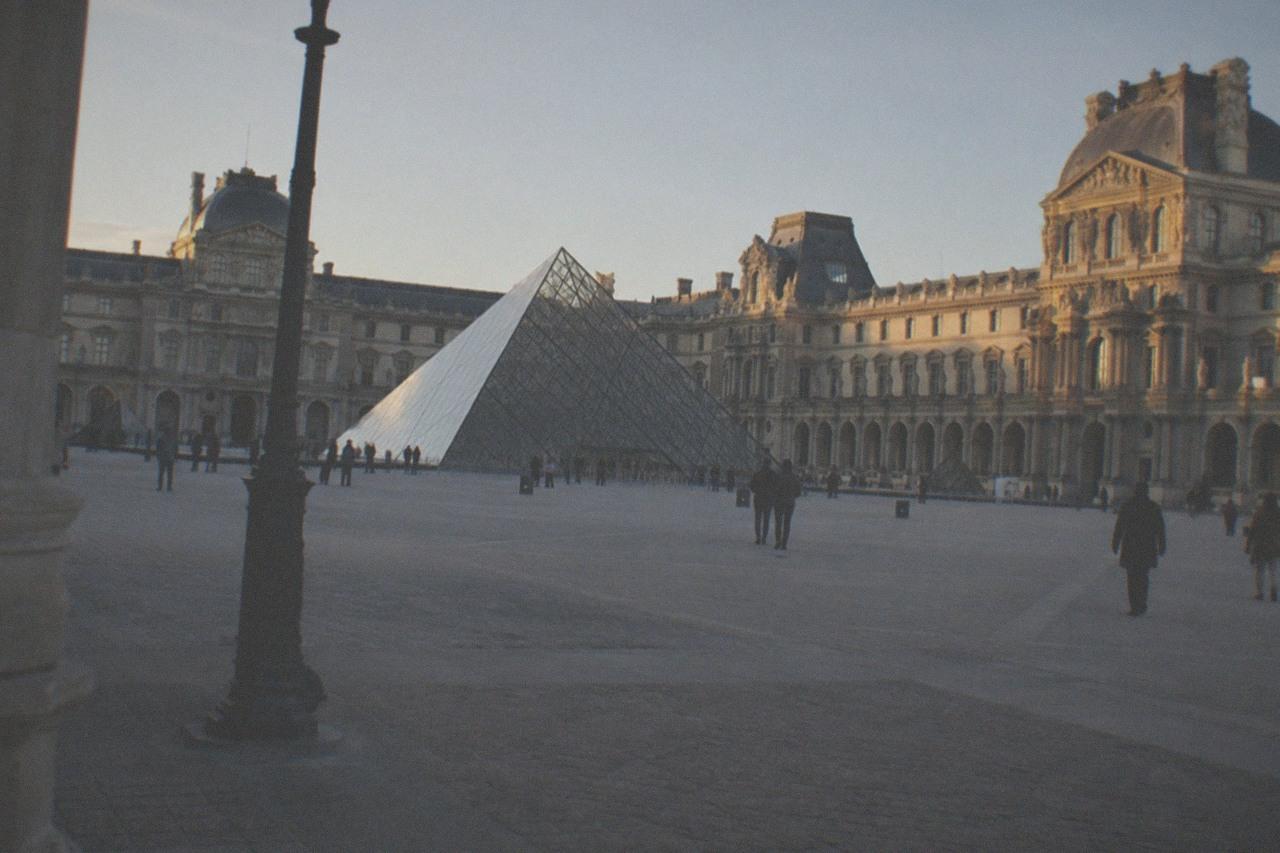
How Much Is A Ticket To The Louvre, And Is The Mona Lisa Included?
A Louvre ticket costs €32 for visitors from outside the EEA and €22 for EEA visitors, and yes, the Mona Lisa is included: it hangs in the Salle des États as part of the permanent collection every admission covers. Under-18s and EEA residents under 26 enter free with photo ID. A timed entry slot is compulsory, and the museum is closed on Tuesdays.
The two-price structure is the part most guides have not caught up with. The museum's own admission page states it plainly: €22 for visitors from the EEA, €32 for everyone else, and the rule is in force, not announced. The same two-tier shape has appeared at Sainte-Chapelle, €16 and €22, and at the Palais Garnier, €15 and €25. If a guide you read elsewhere quotes a single Louvre price, it is out of date, and if it promises a free first Sunday, it is simply wrong.
The Mona Lisa question has a shorter answer. The painting hangs in the Salle des États, and the standard admission covers it. There is no separate ticket, no supplement, no premium room. The only thing a Louvre visit genuinely requires beyond the ticket is a timed entry slot, which is compulsory, and booking one is the difference between walking in and standing outside.
For visitors who prefer a booked, skip-the-line product to managing the museum's own reservation system, a bookable ticket starts from $69.80. That figure is a platform from-price and it is not the door price: it covers the convenience of a pre-booked slot, not a different museum. The plain €22 or €32 admission bought with a timed slot gets you the same building, the same paintings, the same crowd around the same small portrait. Paris Museums keeps every figure on this page checked against the museum's own tariff page rather than against reseller markups, which is why the two-price rule leads this article rather than appearing as a footnote.
The pricing table below is the short version of everything the admission page states, plus the free categories. Every figure in it is verified against the museum's own site rather than against a reseller's markup.
| Visitor category | Price |
|---|---|
| Adult from outside the EEA | €32 |
| Adult from within the EEA | €22 |
| Under 18 with photo ID | Free |
| EU and EEA residents under 26, including holders of a long-stay permit or visa over four months | Free |
| First Friday of the month after 6pm, except July and August | Free |
| 14 July | Free |
A word on the free Friday, because it is the sharpest single correction this site makes. The Louvre has no free first Sunday at any point in the year. It is free the first Friday of the month after 6pm, except in July and August, and on 14 July. Most published guides state the opposite, and the museum's own page settles it. If a free evening fits your itinerary, the Friday rule is real and it is the cheapest way in that does not depend on age or residency.
What Does The Louvre Ticket Actually Cover?
One admission covers every permanent collection in the building: the Mona Lisa in the Salle des États, the Egyptian antiquities, the decorative arts, and the Galerie d'Apollon, with no separate ticket for any of them. It also includes the Musée Eugène-Delacroix on the same day or the next. Only a timed entry slot needs to be booked in advance.
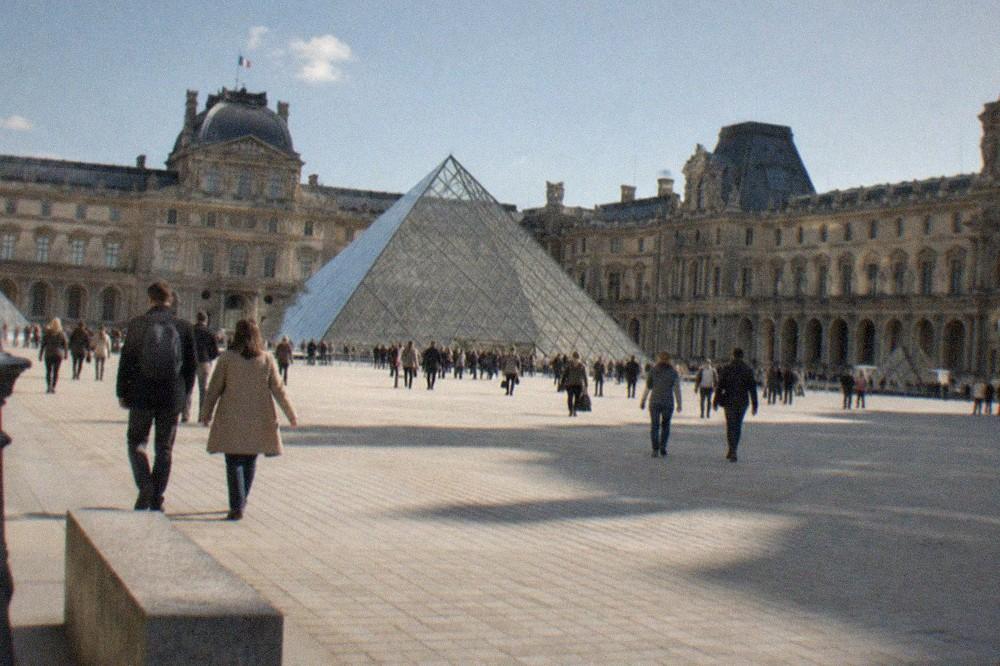
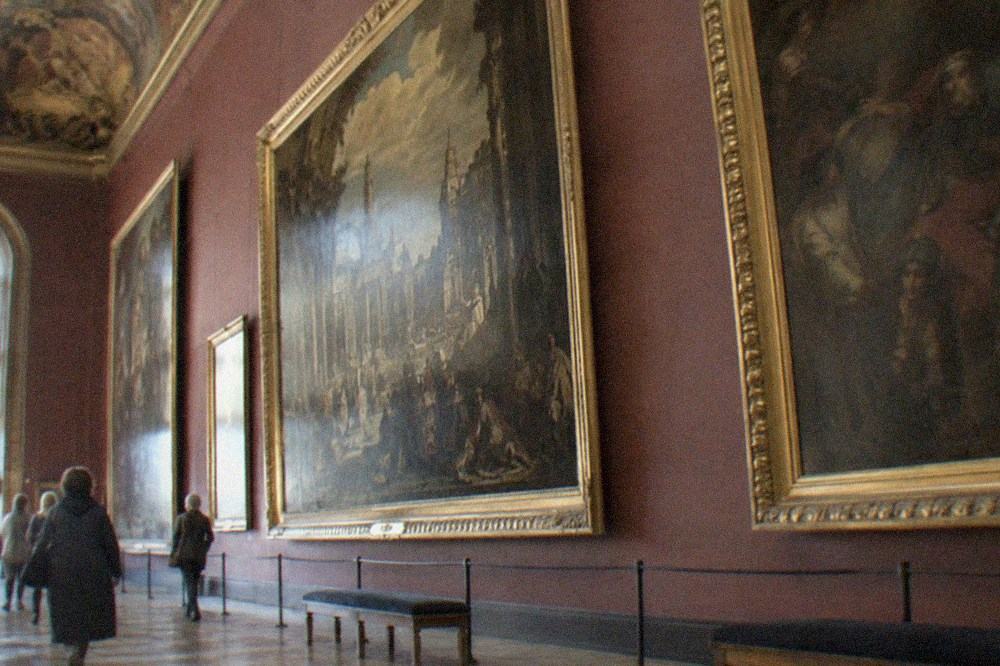
The scale is the thing to understand before buying. The Louvre is a palace with three wings, Denon, Richelieu and Sully, arranged around the Cour Napoléon, and a single ticket covers all three. Visitors who come only for the Mona Lisa still walk through some of the richest rooms in Europe to reach her. The Denon wing holds the Italian paintings, the Salle des États at its heart, the Winged Victory of Samothrace on the Daru staircase, and the Michelangelo slaves in the gallery above. The Sully wing carries the Egyptian and Near Eastern antiquities. The Richelieu wing holds the northern paintings, the apartments of Napoleon III, and the Cour Marly's statues in an open-air light well two floors up.
The Delacroix inclusion is the detail almost nobody uses. The Musée Eugène-Delacroix, a small house museum on the Place de Furstenberg, normally charges €9 on its own, but a Louvre ticket includes it on the same day or the day after. If your legs survive the Louvre in the morning, the Delacroix studio in the afternoon is one of the quietest rooms in Paris, and it costs nothing extra once the big ticket is paid.
One entry per ticket is the rule that catches multi-visit planners. The admission is a single entry, not a day pass you can leave and return on. The exit through the Jardin des Tuileries is one-way, so the honest planning move is to commit to a block of hours, eat before or after rather than inside, and treat the Carrousel du Louvre's café as a refuge rather than a destination. Visitors regularly report that the museum exhausts them between hours two and three; that is normal for a building this size, and it is why the exit route matters.
Everything above describes the permanent collections. What the ticket does not do is cover a Paris Museum Pass holder's entry without a reservation: pass holders still need to book a free timed slot for the Louvre, one of eight pass sites that demand it. That fact is worth knowing even if you never buy the pass, because it explains why the Louvre's own booking calendar runs out even on days when the building itself is not full.
The museum also publishes a room-by-room closure list under its renovation project, so individual galleries rotate shut without the museum ever closing. If one specific painting is the reason for the trip, checking that list before booking is the difference between seeing it and finding a barrier.
Who Gets Into The Louvre For Free?
Under-18s get in free with a photo ID, and so do EU and EEA residents under 26, including holders of a long-stay permit or visa over four months. What gets checked is residency, not nationality. Beyond age, the only free window is the first Friday of the month after 6pm, except in July and August, plus 14 July.
The residency point deserves its own paragraph, because the wording is broader than most summaries of it. The free category covers young people from the EU and EEA, meaning Iceland, Liechtenstein and Norway as well as the union itself, under 26 years old, and explicitly includes holders of a long-stay residence permit or visa over four months. A student from outside Europe living in Paris on a long-stay visa qualifies. A tourist of the same age on a short trip does not. The proof demanded is a photographic identity document or an official document confirming the age category, and for non-citizen EEA residents a valid photographic and residency permit longer than 90 days with name and photograph.
That distinction is why a single quoted price is misleading. Two visitors standing in the same queue, the same age, on the same day, can pay €22 and €32 for identical tickets. The museum's own hours and admission page is the source for both figures and for the free Friday rule, and it is the page to trust over any summary, including this one, if the two ever disagree.
For families the arithmetic is generous. Every under-18 in the group enters free with photo ID, from anywhere in the world, so a family of four with two teenagers pays two adult admissions. Carrying the children's passports or ID cards is not optional here: the age check is real, and a teenager without a document will be charged as an adult. Reviewers consistently mention the ID checks as the one queue friction that surprises people.
The free Friday evening deserves a planning note. It runs after 6pm, it excludes July and August entirely, and it does not remove the timed-slot requirement. A free evening still means booking a free slot, and those slots go faster than paid morning ones because everyone in Paris on a budget wants the same evening. Treat it as a real discount that costs you a calendar reminder, not as a walk-up bargain.
Which Day Is The Louvre Closed, And How Long Should You Allow?
The Louvre is closed every Tuesday, the single most common planning mistake in Paris, and a comfortable visit takes three to four hours for the highlights and a full day for anything deeper. Rooms also rotate closed under the museum's renovation project, so the published gallery list on the museum's own site is the way to check what is open.
The Tuesday closure matters more than it sounds, because the Louvre sits in the national camp of Paris closures while its nearest rival does not. The Louvre, the Orangerie, the Musée Guimet and the Château de Fontainebleau all shut Tuesday. The Orsay, the Rodin, the Picasso, the Cluny and every free city museum shut Monday instead. A visitor who plans the Louvre for Monday and the Orsay for Tuesday has the week exactly backwards, and the two closures shape almost every Paris itinerary written honestly. The deep background on the two camps sits in our guide to the museums that keep Monday open.
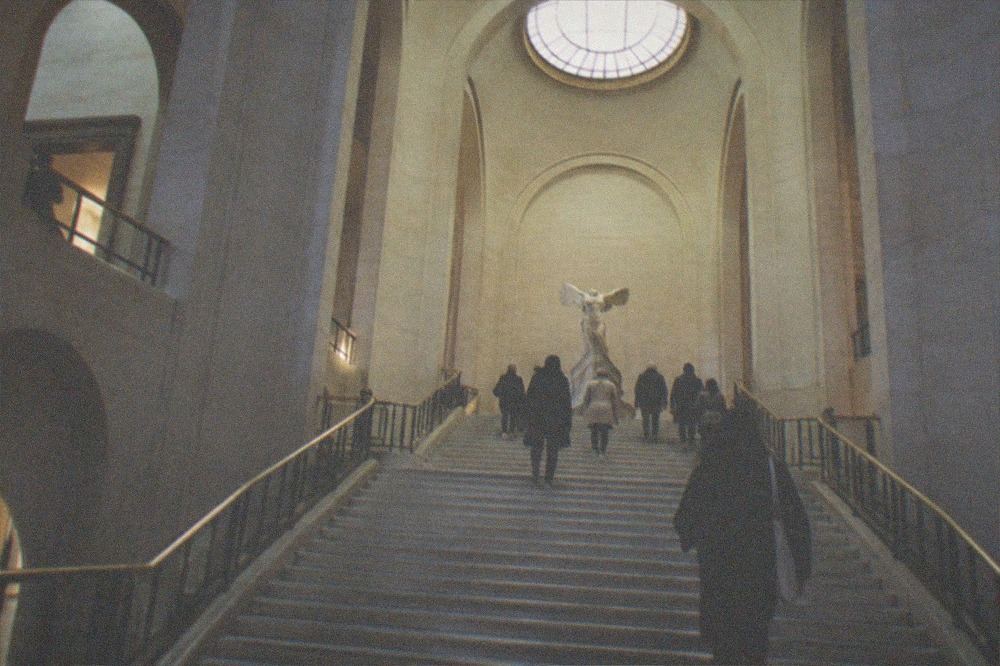
Time inside is a budget question as much as an interest question. Three hours covers the Mona Lisa, the Winged Victory, the Venus de Milo, the Coronation of Napoleon and the Galerie d'Apollon if you keep a brisk pace and accept that you will skip whole wings. Four hours lets you add the Egyptian rooms or the apartments of Napoleon III. A full day is what the building actually rewards, with a lunch break, but very few visitors still want to look at paintings at hour six. Booking the earliest slot is the standard advice reviewers give, and it holds: the Salle des États thickens by late morning regardless of season.
The renovation project changes the answer month to month. Rooms rotate closed, and the museum publishes its list of available galleries rather than pretending everything is open. The Mona Lisa's own arrangements under the project are not published in detail, which is the honest status: nobody outside the museum can promise the room's exact layout for your date, so the gallery list is the check worth making a week before you travel.
How Does The Louvre Compare With Its Nearest Alternatives?
The Louvre's nearest rival is the Musée d'Orsay at €16 online or €14 at the door, closed Monday while the Louvre shuts Tuesday, rated 4.7 across 27,881 reviews. Closer to hand, the Musée Rodin charges €14 and the Arc de Triomphe €22 in season, each a different kind of half-day. None of them includes the Mona Lisa.
The Orsay comparison is the classic Paris dilemma, and the prices make it sharper than the guidebooks imply. The Orsay's online ticket costs €16 against €14 at the door, an inversion few visitors expect: booking ahead costs more, not less. The Orangerie runs the same pattern at €12.50 online against €11 at the door. So a traveler who books every ticket in advance for peace of mind pays a small premium at exactly the museums where the door price is cheapest. Our head-to-head on the Louvre and the Orsay works through the itinerary question in detail.
| Museum | Adult price | Closed day | Rating | What it does best |
|---|---|---|---|---|
| Musée du Louvre | €22 EEA / €32 non-EEA | Tuesday | 4.6 across 7,769 reviews | Old Master paintings, the Mona Lisa, antiquities |
| Musée d'Orsay | €16 online / €14 at the door | Monday | 4.7 across 27,881 reviews | Impressionists in a railway station |
| Musée Rodin | €14 | Monday | 4.7 across 2,519 reviews | Sculpture and a garden you can linger in |
| Arc de Triomphe | €22 in season, €16 Wednesdays and winter | None | 4.7 across 37,709 reviews | The view down the Champs-Élysées from the roof |
The Rodin deserves the mention because it solves a different problem. At €14, open Tuesday to Sunday, with a sculpture garden that most visitors rate as half the experience, it is the museum to book when the Louvre has flattened you and you still want an hour of looking at beautiful things. See the Louvre ticket and visiting guide beside the Rodin's own page for anyone weighing the two.
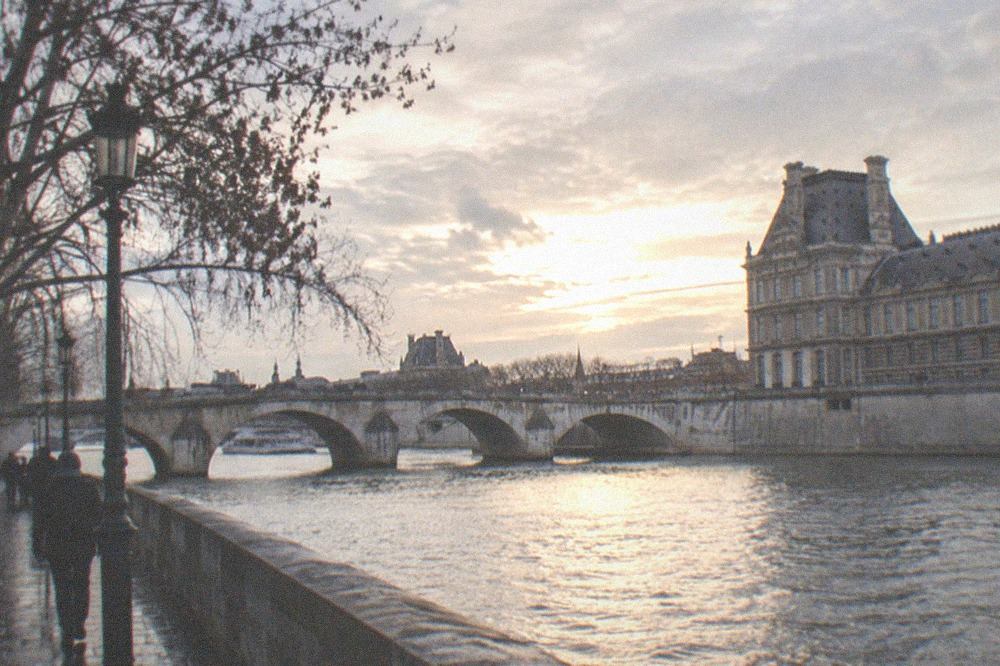
The Arc de Triomphe is the contrast pick rather than a museum. At €22 from April to September, €16 on Wednesdays in that window and all through winter, it sells the single best rooftop view in Paris for the money, and it never closes on a weekday. It shares the seasonal first-Sunday rule with the Panthéon and the Sainte-Chapelle: free the first Sunday only from January to March and November to December, never in summer. If your trip is short and the weather is good, an evening at the Arc after a morning in the Louvre is a pairing that covers five centuries in one day.
A final note on the pass question, since it decides budgets. The Paris Museum Pass, at €85 for two days, €105 for four and €125 for six, covers the Louvre's admission, but it still requires booking a separate free timed slot, and it never covers temporary exhibitions. For a two-museum trip the pass saves nothing over buying the Louvre at €22 or €32 and the Orsay at €14 at the door. The pass arithmetic only turns positive on packed itineraries, and the pass's own site is the source for the current prices and the reservation rules.
Whatever you decide, book the timed slot early: that reservation, not the ticket price, is the real gate at the Louvre.
The closed-day pattern is worth planning around, because it can break an itinerary that looks fine on paper. The Louvre shuts Tuesday, the Orsay shuts Monday, and the Rodin and the Arc de Triomphe shut on no weekday at all. That means a Monday arrival pushes you toward the Louvre, the Rodin, or the Arc, while a Tuesday arrival makes the Orsay the natural first stop. A trip that spans both days can fit all four without ever hitting a closed door, and the two never-closed options are the ones to hold in reserve for the day when nothing else opens.
The ratings, for what they show, land within a tenth of a point of each other: 4.6 for the Louvre, 4.7 for the Orsay, the Rodin, and the Arc. On review counts alone the Arc leads at 37,709 and the Orsay follows at 27,881, while the Louvre's 7,769 is the smallest sample of the four. The spread says less about quality than about what each place is asked to deliver, and the pairing question matters more than the decimal.
Common Questions About Louvre Tickets
How Much Is A Ticket To The Louvre, And Is The Mona Lisa Included?
A Louvre ticket costs €22 for EEA visitors and €32 for everyone else, and the Mona Lisa is included in the standard admission. It hangs in the Salle des États with no separate ticket or supplement. A timed entry slot is compulsory and the museum is closed on Tuesdays.
Is The Louvre Free On The First Sunday Of The Month?
No. The Louvre has no free first Sunday at any point in the year. It is free the first Friday of the month after 6pm, except in July and August, and on 14 July. Free-entry Sundays in Paris belong to the national museums and monuments, not to the Louvre.
Can You Buy A Louvre Ticket At The Door?
The door price exists, €22 for EEA visitors and €32 for others, but timed entry is compulsory, so arriving without a booked slot means relying on same-day availability. Booking the slot in advance is the practical requirement, whichever way the ticket itself is paid for.
How Much Is The Louvre For EU Visitors?
€22 for visitors from within the EEA, against €32 from outside it. The proof is an identity document, and for young visitors what is checked is residency rather than nationality: EU and EEA residents under 26, including holders of a long-stay permit or visa over four months, enter free entirely.
Is The Louvre Closed On Tuesdays?
Yes, every Tuesday, along with the Orangerie, the Musée Guimet and the Château de Fontainebleau in the same national-museum camp. The Musée d'Orsay and the free city museums close Monday instead, which is why the two days shape most Paris itineraries.
Do Paris Museum Pass Holders Still Need A Reservation For The Louvre?
Yes. The Louvre is one of eight pass sites that demand a separate free timed reservation, alongside the Orsay, the Orangerie, the Sainte-Chapelle, the Conciergerie, the Hôtel de la Marine, the Tours de Notre-Dame and Versailles. The pass covers the admission but not the slot.
How Long Should You Spend At The Louvre?
Three to four hours covers the headline works: the Mona Lisa, the Winged Victory of Samothrace, the Venus de Milo and the Galerie d'Apollon. A full day is what the building rewards if you want whole wings rather than highlights, but few visitors still want to look at paintings at hour six.