What Is Inside The Grand Palais Now, And Is It Worth Visiting?
The Grand Palais is open again after a four-year restoration, and it now holds one blockbuster exhibition at a time rather than a permanent collection. Here is what is inside, what it costs, and whether it is worth your time.
What Is Inside The Grand Palais Now, And Is It Worth Visiting?
The Grand Palais is open again after a restoration that kept most of it shut for years, and there is no permanent collection inside. What stands there now is a rolling programme of separately ticketed temporary exhibitions, starting with Cezanne and Us from 23 September 2026 to 17 January 2027 at €19, plus the Palais des enfants on level -1. It is worth visiting if you want the current show or the nave, and skippable if you expected a museum.
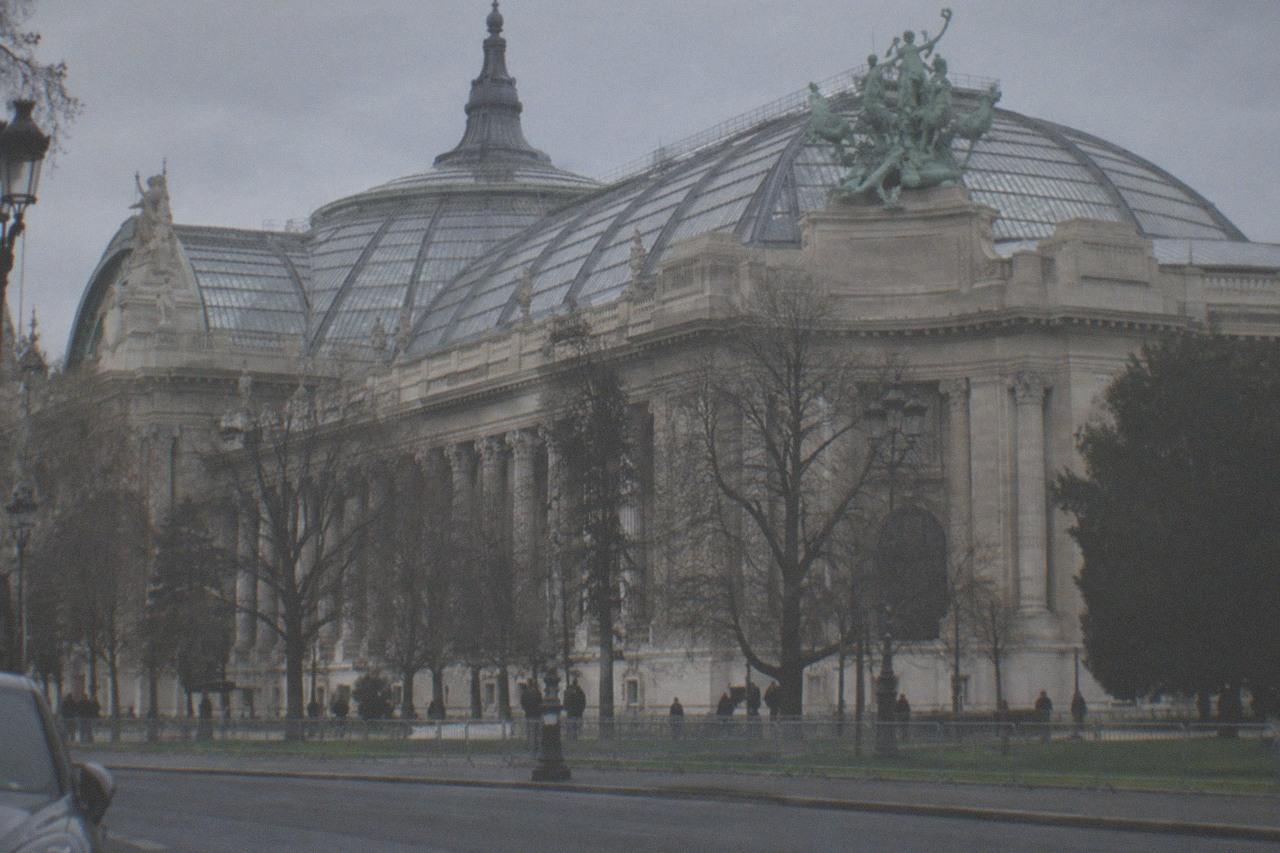
The honest first sentence is that the Grand Palais is not a museum in the ordinary sense. It is a 1900 exhibition hall, a glass-roofed machine of a building on the Avenue Winston Churchill in the 8th arrondissement, and it has always worked as a venue rather than a collection. For years the restoration made even that impossible: scaffolding wrapped the nave, and visitors who arrived on the strength of older guidebooks found barriers where the entrance should have been.
That era is over. The building has reopened, and the Grand Palais facts page on this site gathers the current state of play: what is showing, what a ticket costs, and what is closed nearby. The short version is that the venue now hosts one major ticketed exhibition at a time, its own programme of events in the nave, and two tenants that arrived while the scaffolding was up. Whether that adds up to a worthwhile stop depends almost entirely on whether the current show interests you, because there is no standing collection to fall back on.
Worth visiting, then, is a question with two answers. If the programme has something you want to see, the building alone justifies the detour; the nave is one of the most dramatic enclosed spaces in Paris and reviewers regularly describe the glass roof as the real exhibit. If nothing on the current programme draws you, a walk around the outside and a coffee is the better use of the hour, and the money goes further at a museum with a permanent collection.
What Actually Sits Inside The Building Today
Three things occupy the Grand Palais now: the main exhibition programme in the renovated galleries, the nave itself used for events and fairs, and the Palais des children at level -1, a science space that belongs to the Palais de la Découverte. The Centre Pompidou also stages part of its off-site programme here while its own building is closed until 2030. Timed entry is compulsory for ticketed shows.
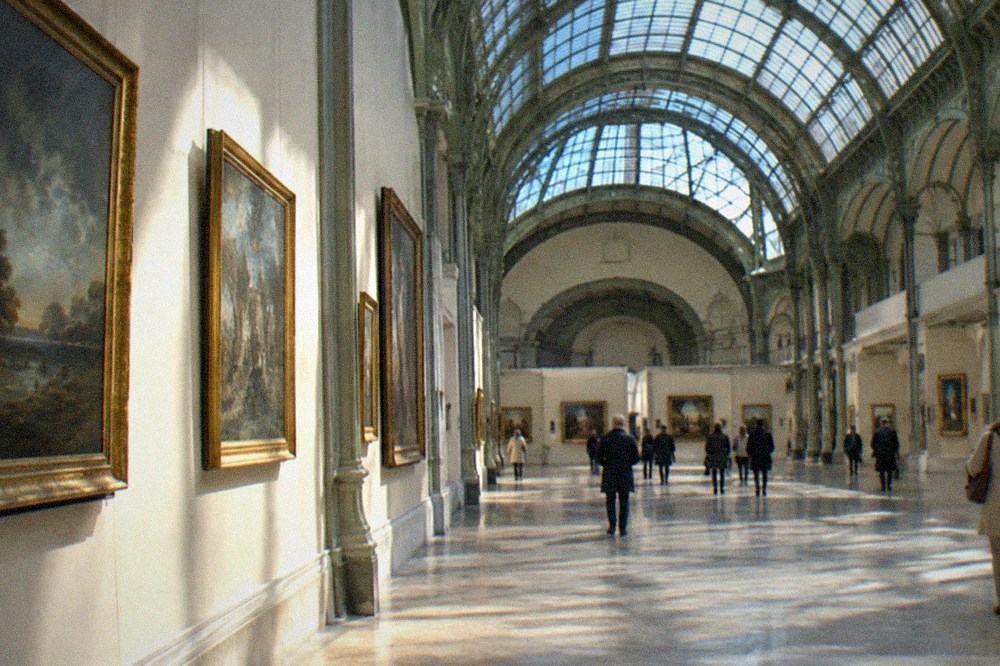
The headline tenant is the exhibition programme. The current anchor is Cezanne and Us, running 23 September 2026 to 17 January 2027, at €19 full price and €16 reduced, and each show is ticketed individually on the venue's official site. There is no combined ticket, no annual admission, and no permanent hang of paintings you can see on any random Tuesday. This is the single most important thing to understand before you go: the Grand Palais sells you one show at a time, and nothing else.
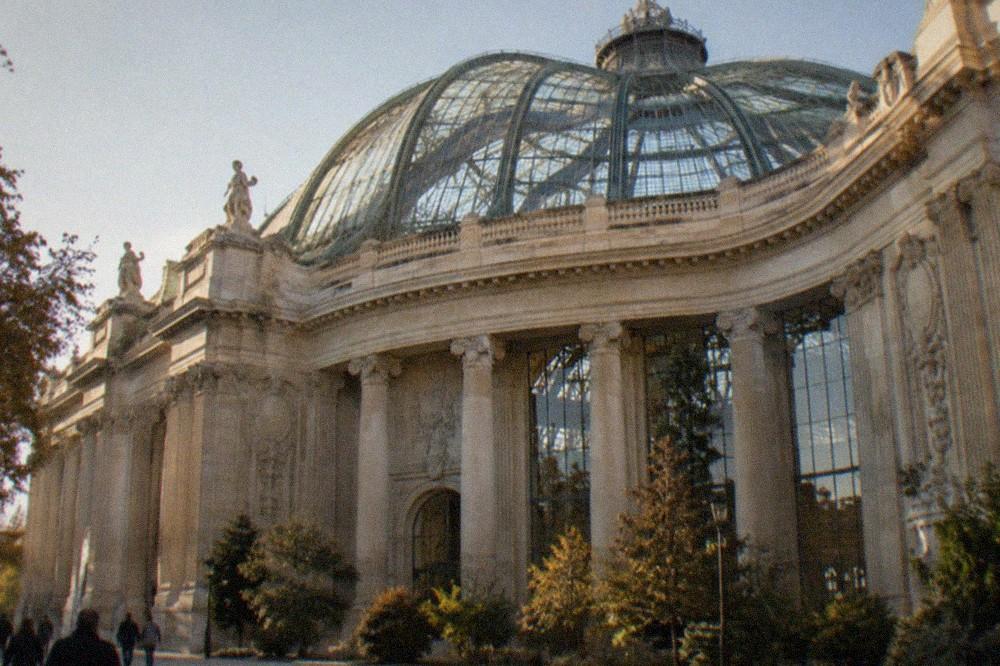
The second occupant is the nave, the great glass-roofed central hall that gives the building its fame. It is used for events, fairs and one-off installations rather than daily visiting, so on many days you see it from the outside or as the roof over your exhibition visit rather than as a destination in itself. The restoration returned the nave to full use, and it is the reason many visitors describe the venue as worth the trip even when they are lukewarm about the show they came for.
The third and least advertised occupant is a piece of displacement caused by other closures. The Palais de la Découverte, shut at its historic Grand Palais home since October 2020 with a full reopening announced for March 2027, currently runs a substitute called the Palais des enfants at level -1, aimed squarely at families. And the Centre Pompidou, closed from 22 September 2025 to 2030, has moved part of its programme into the Grand Palais alongside the Forum des images, the Gaîté Lyrique and the mk2 bibliothèque. The building you thought was empty is actually housing the displaced population of Parisian culture, which is the genuinely interesting answer to what is inside.
How Much Does A Grand Palais Visit Cost
A ticket to the current exhibition is €19 full price, €16 reduced, and there is no general admission that covers the building itself: the Grand Palais sells no permanent-collection ticket and this site sells nothing for it. Check the venue's own pages for the show you want before travelling, because each exhibition is priced and ticketed individually.
The pricing model is the part most visitors get wrong. People arrive expecting a museum door price, somewhere between the €14 of the Musée Rodin and the €16 of the Musée Picasso, and instead find a per-exhibition tariff that swings with the programme. Cezanne and Us sits at €19 full and €16 reduced; a smaller show or a fair can price differently, and a nave event may not be ticketed to the public at all. There is no number to memorise, only the number for the show running on your date.
This museum sells no ticket on this site, and that is a deliberate choice rather than a gap: there is no single product to sell, so the honest move is to send you to the venue's own admission pages for the exhibition you actually want. What this site can do is show you what the surrounding alternatives cost, so you can weigh the €19 against the rest of a day in the neighbourhood.
| Venue within 15 minutes' walk | What a visit gets you | Adult price | Closed |
|---|---|---|---|
| Grand Palais | One temporary exhibition, the current show only | €19, €16 reduced | Monday |
| Petit Palais, across the avenue | Free permanent collection, ticketed exhibitions | Free | Monday |
| Palais Garnier | Self-guided visit to the auditorium and foyers | €25 outside the EEA, €15 for France and EEA | none fixed |
| Arc de Triomphe | Terrace view over the Champs-Élysées | €22 summer, €16 winter | never |
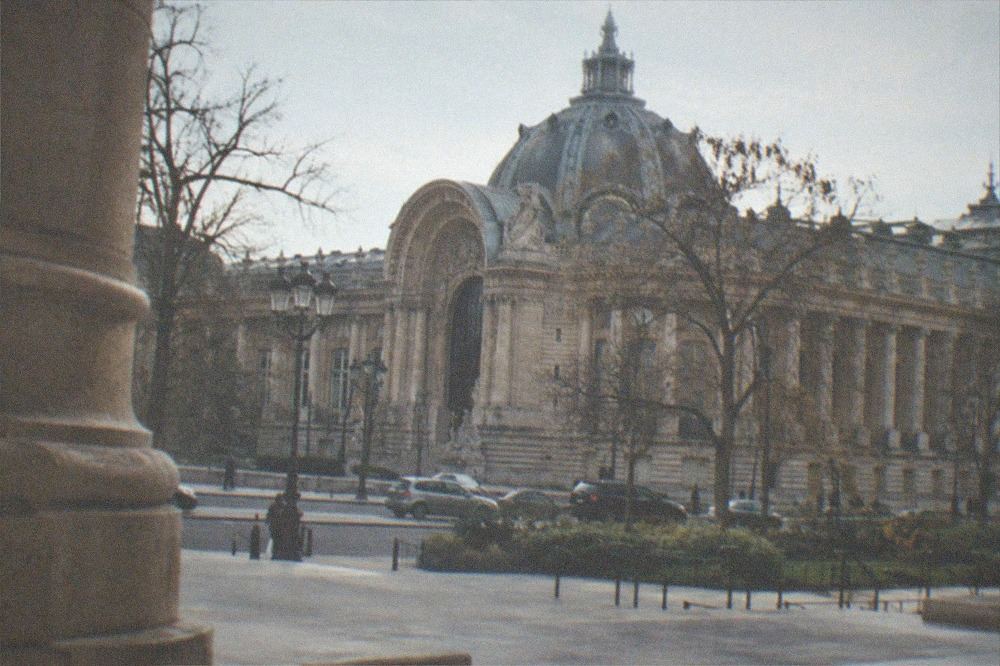
The Petite Palais comparison is the one worth pausing on. Its permanent collection is free to everyone, all year, no ticket, and it stands directly opposite the Grand Palais on the same avenue. A visitor with two hours and €19 to spend could do one blockbuster show, or do the free collection across the road and keep the money for something else. Neither choice is wrong, but you should make it knowingly, which is exactly the kind of arithmetic a facts page exists for.
The Palais Garnier line carries its own trap: it is sold online only, with no door sales, and it has no fixed closed day because it shuts without warning for rehearsals. Its two-tier price, €15 for France and EEA visitors against €25 from outside, mirrors the split now in force at the Louvre, where the Musée du Louvre charges €22 for EEA visitors and €32 for everyone else. Two-tier pricing is becoming a pattern in Paris rather than a curiosity, and budget travellers from outside Europe should plan around it rather than be surprised by it.
Which Day Is The Grand Palais Shut
The Grand Palais is closed on Mondays, and it is not alone: the Petit Palais across the avenue, the Musée d'Art Moderne and every other City of Paris museum shut the same day, while the Louvre and the Orangerie shut Tuesdays instead. The exhibition hall also requires timed entry for ticketed shows, so a Monday arrival finds the whole avenue's doors shut.
Monday is the city museum camp's closing day, and the 8th arrondissement around the Grand Palais is the clearest place to see the pattern. The venue itself, the Petit Palais, the Musée d'Art Moderne de Paris and the Palais Galliera all sit in the Monday camp, which means a well-intentioned Monday walk down Winston Churchill meets closed doors on both sides of the avenue. The Tuesday camp, led by the Louvre and the Orangerie, keeps different hours, so a two-day itinerary that puts the Grand Palais on Monday and the Louvre on Tuesday gets both wrong.
The practical planning rule is to cluster by closed day rather than by neighbourhood. Put the Grand Palais, the Petit Palais and the Musée d'Art Moderne on any day that is not Monday; put the Louvre, the Orangerie and the Musée Guimet on any day that is not Tuesday. Attractions that never close, the Arc de Triomphe, the Panthéon, Sainte-Chapelle and the Conciergerie, are the shock absorbers that fill the day your cluster shuts, and it is worth keeping one of them unbooked for exactly that purpose.
The other closure worth knowing about is the one next door in spirit: the Fondation Louis Vuitton is closed and reopens on 9 October 2026, so anyone pairing a Grand Palais exhibition with a Bois de Boulogne afternoon needs to re-plan that half. The Pompidou closure runs longer still, to 2030. The western edge of Paris is unusually full of shut buildings this year, and the Grand Palais is the notable exception, which is a small historical irony given how long it was the shut one.
How Long To Allow For A Visit
An exhibition visit at the Grand Palais takes about 90 minutes to two hours for most visitors, with a fast pass-through possible in an hour if you know the show. Add 30 to 45 minutes for the Palais des enfants if children are in the group, and reserve a timed slot in advance because entry is compulsory-slot for ticketed shows.
Reviewers of recent shows consistently describe the galleries as generous but not endless, and the difference between a rushed hour and a comfortable two is usually the audio guide and the crowd level rather than the floor area. Blockbusters like the Cezanne show draw queues at peak times, and a timed entry slot bought in advance removes the worst of the waiting. Weekday mornings are the calm window, and the first hour after opening is the one regular visitors recommend in review after review. More of these guides are collected on Paris Museums.
The building's own scale is the reason to budget time above the show itself. Walking the nave's perimeter, looking up through the restored glass roof, and understanding what a 1900 iron frame feels like from inside takes a quarter of an hour that no exhibition guide accounts for. Visitors regularly report the nave as the memory they keep, sometimes ahead of the art they came for.
For a full day in the district, a reasonable shape is two hours at the Grand Palais, a free hour across the avenue at the Petit Palais, lunch, and then one of the never-closing attractions in the late afternoon. The Arc de Triomphe is a short walk up the Champs-Élysées and its €22 summer ticket, €16 from October to March, buys the best roof-level view of that avenue; the Panthéon in the other direction closes at €16 summer and €13 winter on the same seasonal pattern. Either anchors the afternoon without risking a closed door.
Is The Paris Museum Pass Any Use Here
No. The Grand Palais is not on the Paris Museum Pass at all, and the pass never covers temporary exhibitions at any venue, so even a listed site would not have covered the current show. The pass costs €85 for 2 days, €105 for 4 days and €125 for 6 days, counted in hours from the first scan.
The exclusion is printed in the pass's own site list, which is the only source worth trusting on what the pass covers, and the Grand Palais simply is not on it. That is not a grievance, just a fact of the venue's business model: a hall that sells one show at a time has nothing for an unlimited-visit pass to sell. The pass's own terms make the point bluntly by excluding temporary exhibitions everywhere, per its official pricing page.
The second trap in that paragraph is subtler. Eight pass sites still demand a separate timed reservation, the Louvre, the Orsay, the Orangerie, Sainte-Chapelle, the Conciergerie, the Hôtel de la Marine, the Tours de Notre-Dame and Versailles, so a pass does not get you into the Louvre without booking a free slot. A visitor who buys a pass for a Grand Palais trip would be doubly disappointed: the pass buys nothing at the Grand Palais, and it buys less than expected at several places it does cover. Anyone weighing the pass seriously should read the site's dedicated Paris Museum Pass guide before paying €85 or more.
What the pass does cover near the Grand Palais is thin: the Arc de Triomphe, the Panthéon, Sainte-Chapelle and the Conciergerie are all on it, all in the free-reservation or no-reservation camp, and all within a short ride. A one-day west-to-east sweep of those four is a legitimate pass use case. But the Grand Palais itself sits outside the system, and no amount of itinerary planning changes that.
What To Do If The Current Show Does Not Appeal
If the exhibition programme leaves you cold, the free Petit Palais collection across the avenue is the best substitute in the district, and the never-closing monuments, Sainte-Chapelle at €22, the Panthéon at €16 and the Arc de Triomphe at €22, fill the rest of a day without a closed door. A day trip to Versailles is the full upgrade, at €35 high season.
The nearby free options are genuinely strong. The Petit Palais charges nothing for its permanent collection, and the free museums guide on this site lists the eleven City of Paris museums with the same rule, all of them shut Monday. Within the hour you can also reach the Musée d'Orsay's €16 door or the Musée Rodin's €14, both closed Monday, both permanent collections you can revisit on any trip.
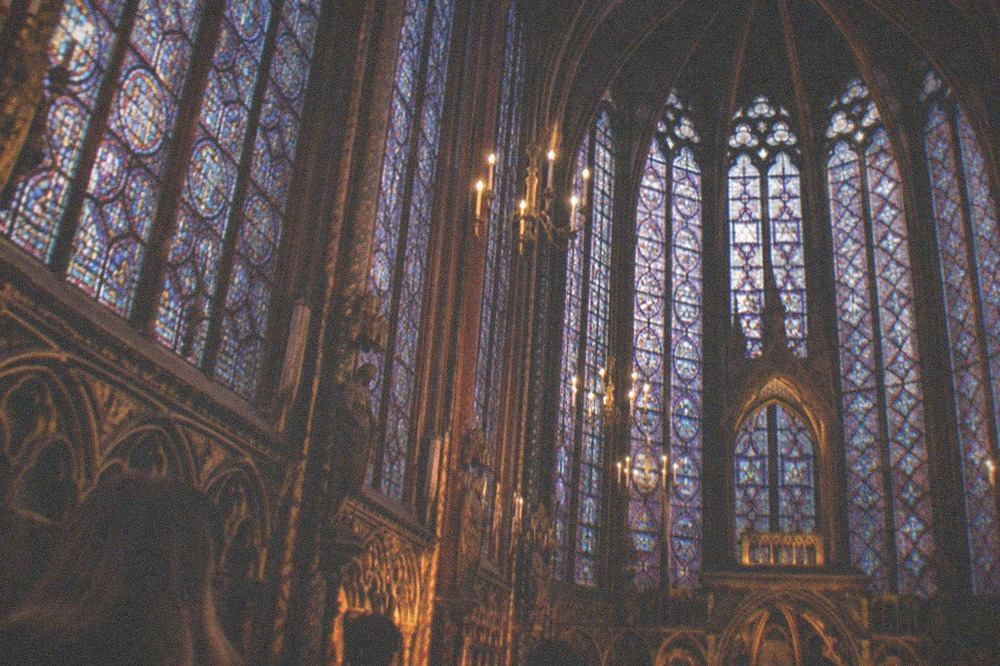
The stained-glass option deserves its own sentence. Sainte-Chapelle, on the Île de la Cité, never closes a weekday and charges €22 from outside the EEA, €16 for EEA visitors, with timed entry compulsory; the upper chapel on a sunny afternoon is the one interior in Paris that competes with the Grand Palais nave for spectacle. The Sainte-Chapelle visit details page covers the queue question and the combined ticket with the Conciergerie, which is the only way the two medieval sites make sense together.
And the full upgrade is the train. Versailles costs €35 for the Passport ticket from April to October, €25 the rest of the year, closes Monday, needs a timed reservation, and rates 4.7 across 11,852 reviews, the strongest rating in this roster. The RER C ride is roughly half an hour from central Paris. A visitor who arrives at the Grand Palais, finds the show uninteresting, and still has a whole day is standing twenty minutes from the most visited palace in the world, which is about the best fallback position any museum district can offer.
The stone-and-glass option inside Paris itself is the Panthéon, at €16 from April to September and €13 the rest of the year, open every day with no reservation needed. Its crypt holds the tombs of Hugo, Zola, Voltaire and Curie, which makes it a neat thematic bridge from a venue named for grand exhibitions to the people Paris chose to bury as its own. The Panthéon tickets and planning page has the timings.
The Fondation Louis Vuitton question comes up in nearly every Grand Palais conversation, because both are modern glass-and-steel buildings in the west of Paris and both were closed in recent memory. The Fondation is shut and reopens on 9 October 2026 with the Gustave Fayet exhibition, and until then the honest answer about pairing the two is that you cannot; the site's piece on whether the Fondation Louis Vuitton is worth it covers what the reopening contains.
The Verdict On A 2026 Visit
Yes, visit the Grand Palais in 2026 if a specific show interests you or if you have never stood under the nave, and skip it otherwise. There is no permanent collection, the current anchor is Cezanne and Us at €19, the venue shuts Monday, and the free Petit Palais opposite makes an easy half of the visit cost nothing at all.
The building has earned its second act. For years it was the great locked hall of Paris, and its reopening quietly fixed one of the city's worst visitor experiences, the guidebook that sends you to a door that is shut. What it did not become is a museum, and any expectation of a permanent hang should be dropped before you leave your hotel. The Grand Palais of 2026 is a venue: brilliant when the programme is brilliant, optional when it is not.
For most travellers the right call is conditional. Check what is showing on your dates, price the ticket against the Petit Palais standing free across the avenue, and decide on that evidence rather than on the building's fame. The nave, the Pompidou's displaced programme and the Palais des enfants make the inside fuller than most people expect, but the €19 exhibition ticket is the only number that unlocks any of it.
Common Questions About The Grand Palais
What Is Inside The Grand Palais Now, And Is It Worth Visiting?
The Grand Palais now contains a rolling programme of separately ticketed temporary exhibitions, an events nave, and the Palais des enfants at level -1, plus part of the Centre Pompidou's off-site programme. It is worth visiting if the current show appeals to you or if you want to see the restored nave, and skippable if you expected a permanent collection, because there is none.
Is the Grand Palais open after the restoration?
Yes, the building has reopened after its restoration, and exhibitions are running again, starting with Cezanne and Us from 23 September 2026 to 17 January 2027. Timed entry is compulsory for ticketed shows, so book a slot rather than counting on the door.
How much does it cost to get into the Grand Palais?
The current exhibition costs €19 full price and €16 reduced, and each show is priced individually. There is no general admission ticket for the building itself and no permanent collection, so the price is always the price of the specific show running on your date.
Which day is the Grand Palais closed?
Monday. The Petit Palais across the avenue and the other City of Paris museums close the same day, while the Louvre and the Orangerie close Tuesdays instead. Plan the district for any day except Monday.
Is the Grand Palais on the Paris Museum Pass?
No. The Grand Palais is not on the pass site list at all, and the pass never covers temporary exhibitions at any venue, so no pass version buys anything here. The pass costs €85 for 2 days, €105 for 4 days and €125 for 6 days.
How long does a Grand Palais visit take?
About 90 minutes to two hours for an exhibition, with an hour possible on a fast pass-through. Add 30 to 45 minutes for the Palais des enfants if you have children, and some extra time to look at the nave, which many visitors rate as highly as the show.
Can you visit the Centre Pompidou collection at the Grand Palais?
Partly. The Centre Pompidou is closed from 22 September 2025 until 2030, and its programme moved off site to the Grand Palais, the Forum des images, the Gaîté Lyrique and the mk2 bibliothèque. Check which venue hosts the specific Pompidou show you want before travelling.