The Grand Palais is a historic exhibition hall on Avenue Winston Churchill in the 8th arrondissement, reopened after a major restoration. It hosts large temporary art exhibitions and currently serves as a temporary home for the Centre Pompidou. It suits visitors who want blockbuster shows in a spectacular Beaux-Arts building rather than a permanent collection.
What Is The Grand Palais?
The Grand Palais is a monumental Beaux-Arts exhibition hall in Paris's 8th arrondissement, built to stage great exhibitions and still doing exactly that. After years of restoration work it has reopened, and it now also serves as a temporary venue for the Centre Pompidou while that building is closed.
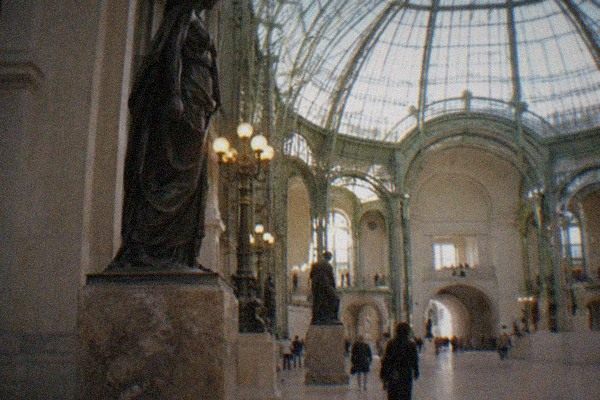
The building sits on Avenue Winston Churchill, between the Champs-Élysées and the Seine, directly opposite its sibling the Petit Palais. It was designed around a single idea: an enormous glass roof over a vast central nave, flooded with daylight even on a grey Paris afternoon. That nave, framed by ironwork and stone, is the reason many people come away remembering the architecture as much as the art. The glass roof is one of the largest of its kind in Europe and the space beneath it feels closer to a cathedral transept than a museum gallery.
What you actually see inside changes from season to season, because the Grand Palais is not a collection museum in the way the Musée d'Orsay or the Musée de Cluny are. There is no permanent display of paintings you can return to year after year. Instead, the building is a stage: its galleries are emptied and refilled for each major exhibition, whether that is a retrospective of a single painter, a fashion show, a photography biennial, or a themed historical exhibition drawing loans from museums around the world. This makes repeat visits genuinely different from one another, and it also means planning matters, because a show you missed is gone.
The most significant recent change is the building's return to service. The restoration closed large parts of the site for years, and the reopening has been the big cultural story attached to the monument. Alongside its own exhibition program, the Grand Palais is currently one of the venues hosting the Centre Pompidou's programming while the Pompidou building itself undergoes its own works. That arrangement brings part of a national modern art institution under this glass roof, so a visit today may combine the Grand Palais's own shows with Pompidou-curated content, depending on what is running.
Tickets, Prices And Entry
Standard adult admission is €19, and each exhibition is ticketed separately, so you buy per show rather than one entry covering everything. Timed entry is compulsory, meaning you choose or are assigned a slot when you buy. Tickets are bought directly from the museum at its own site, grandpalais.fr, and no third-party reseller is involved.
Because every exhibition is priced and ticketed individually, the ticket you buy is tied to a specific show and a specific time slot. If two exhibitions are running at once and you want both, you buy two tickets, possibly for different slots on different days. The current headline show, Cezanne and Us, runs from 23 September 2026 to 17 January 2027 and costs €19 for a standard adult ticket, with a reduced rate of €16 available for those who qualify. Other exhibitions follow the same pattern: one show, one price, one slot.
The timed-entry rule is enforced rather than advisory. You arrive for your slot, join the queue corresponding to your time, and enter when the staff for that slot open the doors. Arriving well before your slot does not usually get you in earlier, and arriving late can mean waiting for the next gap in capacity. The quietest slots, in the experience of most repeat visitors, tend to be the first opening slots of the day and late weekday afternoons, though nothing here is guaranteed and school holidays change the picture across all Paris museums.
One point that catches people out: the Grand Palais is not on the Paris Museum Pass, even after the reopening. If you are building an itinerary around that pass and pairing it with monuments like the Panthéon or Arc de Triomphe, you will still need to buy a separate ticket here for each exhibition you want to see. There is no combined Grand Palais ticket and no pass that bundles the shows together. Buy from the museum's own ticket page, which is also where exhibition dates and any slot availability are published.
How Long To Allow And When To Go
Allow a half day for a single exhibition visit, including security and slot queues, and longer if you want to see more than one show or linger under the nave. The Grand Palais is closed every Monday, so Tuesday through Sunday are your visiting days. Timed entry spreads crowds, but popular shows still concentrate around weekends and holidays.
The rhythm of a visit is different from a collection museum. You enter for your slot, move through the exhibition in its designed sequence, and there is no wandering back into permanent galleries afterwards because there are none. A single large show fills the visit comfortably; two shows on the same ticket run is possible but means buying two tickets and may mean two separate slots, in which case many visitors split them across two days or fill the gap between slots with a walk along the Seine or through the Petit Palais across the avenue.
Timing within the week matters more here than at smaller museums, because the big temporary exhibitions draw a national and international audience, not just tourists. Weekday mornings are the calmest window in most visitors' experience, and the first days and final days of a blockbuster show are the busiest of all. If a show you want is in its final fortnight, expect dense rooms regardless of the day. Mid-run visits, on ordinary weekdays, are the sweet spot most often reported.
Season matters too. Paris is thinnest of visitors in the depth of winter and thickest in summer and around the December holidays. The Grand Palais's glass roof makes the building genuinely pleasant in winter daylight, and an indoor all-weather venue is a good anchor on rainy days when the Sainte-Chapelle queues stretch along the boulevard. Whatever you choose, book the slot before you build the rest of your day around it, because popular slots for headline exhibitions sell through the museum's own site first.
What You Actually See Inside
Inside, you see the restored nave under its immense glass roof, plus whichever major temporary exhibition is currently installed, and, for now, programming from the Centre Pompidou hosted in the building. There is no permanent collection, so the art on view depends entirely on the exhibition calendar.
Start with the architecture, because it does half the work. The Grand Palais was built as a machine for exhibitions, and its main volume is a single uninterrupted space beneath iron and glass, ringed by colonnades, staircases and stone decoration that borrow from classical and Baroque vocabulary. After the restoration, the interiors read freshly cleaned: the ironwork is repainted in its historic palette, the stonework is unsooted, and the light through the roof changes character through the day. Visitors regularly report that the building alone justifies the walk up the avenue, even before a single canvas is considered.
Then the shows. A Grand Palais exhibition is typically built at a scale few Paris galleries can match: room after room, big loans from international museums, wall texts in French and English, and crowd flow managed by the timed slots. Cezanne and Us, running 23 September 2026 to 17 January 2027, is the kind of exhibition this building exists for, a major retrospective-scale project tying a single artist to his successors. The pattern repeats across the calendar: painting retrospectives, photography, fashion, decorative arts and themed historical shows rotate through the halls, and each closes for good on its end date.
The Centre Pompidou arrangement adds a further layer. While the Pompidou's own building is closed for works, parts of its modern art programming are staged here, which means a visit during this period can include modern and contemporary material you would otherwise associate with Beaubourg. Check the museum's own site for the current program before you commit, since the mix of Grand Palais exhibitions and Pompidou-hosted content changes by season. What does not change is the setting: everything you see here, you see under one of the most dramatic roofs in Paris.
Know Before You Go
The Grand Palais sits on Avenue Winston Churchill in the 8th arrondissement, coordinates 48.86497, 2.31302, directly opposite the Petit Palais. It is closed every Monday, entry is by compulsory timed slot, and tickets are bought per exhibition from the museum's own site. It is not on the Paris Museum Pass.
Getting there is straightforward from almost anywhere in Paris because the building sits at the crossroads of several major transport lines. The nearest stations are on the Champs-Élysées axis and along the Seine's right bank, all within a short walk; consult the transport operator's RATP journey planner for live line status and the fastest route from your hotel, since weekend works can change which Metro and RER lines serve the area. Visitors arriving from further out on the RER find the Champs-Élysées stations convenient. Cyclists and pedestrians can approach from the Seine-side bridges, which is the most pleasant approach on a fine day.
The compulsory timed entry deserves one more emphasis because it shapes the whole visit. Your ticket carries a slot; you queue for that slot; security screening sits between the queue and the door. Give yourself a margin before the slot, and plan the rest of your day around the slot rather than treating the visit as a drop-in. Since each exhibition is ticketed separately, anyone wanting two shows should check when buying whether the slots line up sensibly on the same day.
A few practicalities. The building is a large monument with the accessibility provisions you would expect of a major national venue, but if you have specific mobility, stroller or assisted-access needs, the museum's own site is the authoritative source for the current arrangements, and contacting them ahead of a visit is worthwhile for anything beyond the ordinary. As for bags, the standing rule across Paris monuments is that large luggage and bulky items are not welcome, and security screening applies at entry, so travel light and leave shopping bags and suitcases at the hotel. Finally, do not turn up on a Monday expecting a quiet visit, the doors are closed, and do not assume a Paris Museum Pass will wave you through, because this monument is not on it. Those two facts account for most of the disappointed arrivals reported outside the gates.
What Is Nearby Worth Pairing
The Grand Palais is surrounded by the densest stretch of major sights in Paris: the Petit Palais directly opposite, the Champs-Élysées and the Arc de Triomphe up the avenue, and the Seine's bridge crossings toward the Tuileries, the Louvre and the Musée d'Orsay within easy reach. A half-day here slots naturally into a full day on the right bank's museum axis.
Start with what is across the street. The Petit Palais faces the Grand Palais across Avenue Winston Churchill, and the two buildings were raised as a pair. Opposite, too, is the Pont Alexandre III, the most ornate bridge in Paris, which delivers you over the Seine in a few minutes to the Invalides quarter. Walking that bridge is the single best five-minute detour attached to this museum, and many visitors photograph the Grand Palais and Petit Palais from its center span.
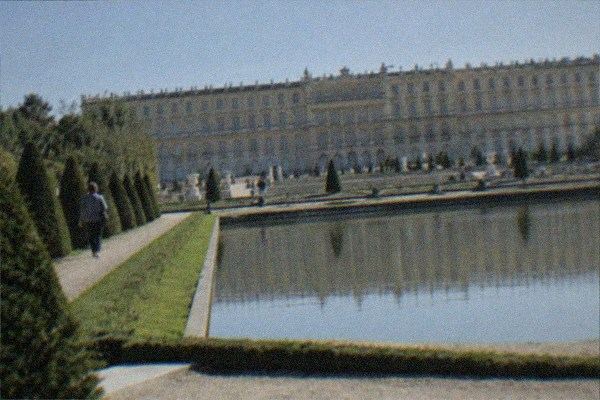
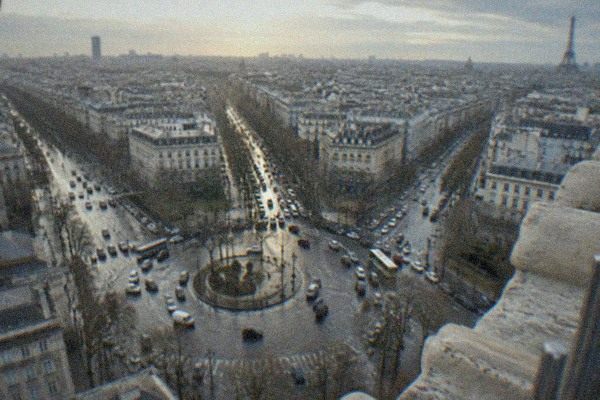
Up the avenue, the Arc de Triomphe anchors the far end of the Champs-Élysées and makes the classic pairing: one exhibition under the glass roof in the morning, a walk up the avenue, then the Arc's viewing platform in late afternoon light. In the other direction, down the Seine and through the Tuileries gardens, you reach the Louvre, and beyond it the Musée d'Orsay across the river. For a different pairing entirely, the Palace of Versailles is a short RER ride away and makes a natural second-day trip for anyone in Paris for a week who has already covered the central museums.
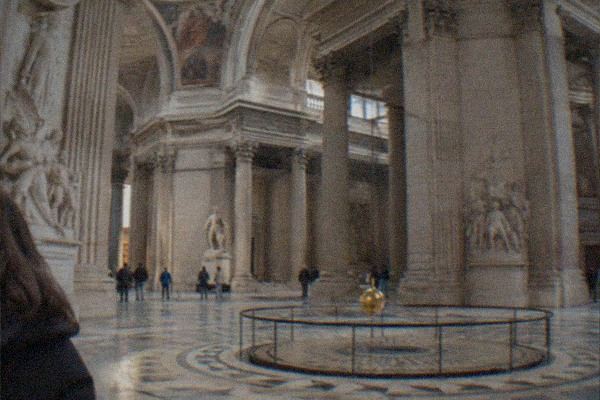
Because the Grand Palais is not on the Paris Museum Pass, a common itinerary pattern is to use the pass for the pass-covered monuments nearby, such as the Arc de Triomphe and the Panthéon on the left bank, while budgeting separately for each Grand Palais exhibition. One exhibition here plus one pass monument makes a full, unhurried day. Two exhibitions here plus the bridge and the avenue makes an equally good one, on days when the shows appeal more than the checklist does.
Questions People Ask
How Much Do Grand Palais Tickets Cost?
Standard adult admission is €19 per exhibition, and exhibitions are ticketed one by one. The Cezanne and Us exhibition, running 23 September 2026 to 17 January 2027, costs €19 standard and €16 reduced. Each ticket covers a single exhibition, so seeing two shows means buying two tickets.
Where Do I Buy Tickets For The Grand Palais?
Tickets are sold directly by the museum on its own official site, grandpalais.fr. There is no third-party reseller for this venue. Because timed entry is compulsory, you choose or are assigned a slot when you purchase, so buying ahead through the museum's own page is the practical route.
Is The Grand Palais On The Paris Museum Pass?
No. The Grand Palais is not on the Paris Museum Pass, even after the building's reopening. You need a separate ticket for each exhibition, bought from the museum directly, regardless of whether you hold a pass that covers other Paris monuments.
Is The Grand Palais Closed On Mondays?
Yes, the Grand Palais is closed every Monday. Plan your visit for any day from Tuesday through Sunday, and build your slot choice around the fact that weekend and holiday slots for headline exhibitions fill first.
Is Timed Entry Required At The Grand Palais?
Yes, timed entry is compulsory. Your ticket is tied to a specific slot, and you queue for that slot before passing security screening. Arriving much earlier does not usually get you in ahead of your time, so plan the rest of your day around the slot you book.
What Is The Grand Palais Known For?
The Grand Palais is a historic exhibition hall and monument, reopened after a major restoration, and it is currently one of the venues hosting the Centre Pompidou while that building is closed. There is no permanent collection: what you see depends entirely on which major temporary exhibition is running.
Where Exactly Is The Grand Palais Located?
The Grand Palais stands on Avenue Winston Churchill in the 8th arrondissement of Paris, France, at coordinates 48.86497, 2.31302. It faces the Petit Palais across the avenue and sits between the Champs-Élysées and the Seine, next to the Pont Alexandre III.
Can I See More Than One Exhibition On One Ticket?
No. Exhibitions at the Grand Palais are ticketed one by one, at €19 for a standard adult admission, so each show requires its own ticket with its own timed slot. Visitors wanting two exhibitions often split them across two visits rather than racing both in one day.