Is The Fondation Louis Vuitton Worth It, And Who Designed The Building?
The Fondation Louis Vuitton is closed until 9 October 2026, costs €18 when open, and sits in a Frank Gehry building of glass sails in the Bois de Boulogne. Here is what is inside, what it costs, and whether it is worth your time.
Is The Fondation Louis Vuitton Worth It, And Who Designed The Building?
Yes, for most visitors, and it was designed by the Canadian-American architect Frank Gehry. The Fondation Louis Vuitton is a building of twelve glass sails in the Bois de Boulogne, and the architecture alone draws people who care nothing for modern art. It is closed right now and reopens on 9 October 2026. When open, admission is €18 and timed entry is compulsory.
That is the short answer, and the honest one. This venue sells no ticket on Paris Museums, so we will point you at its own site for admission rather than pretend otherwise. What we can do is tell you what the building is, what it holds, what it costs, and how to weigh it against the other modern and contemporary art options in a city that has plenty of them.
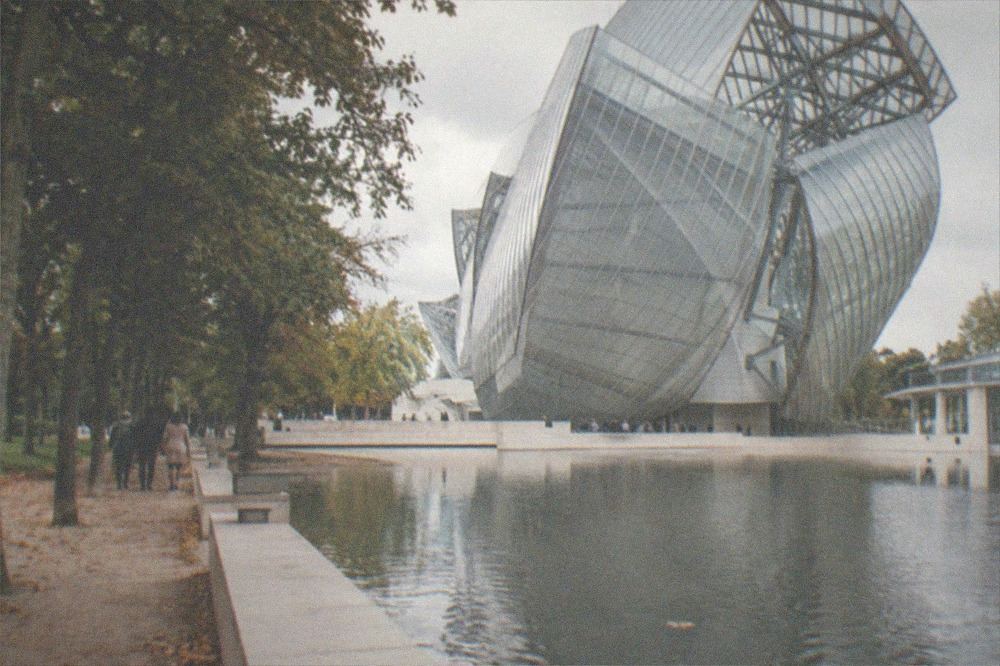
The building is the reason most people go. Even the Fondation's sharpest critics, and Paris had many when the project was announced, mostly attack the money and the patron rather than the architecture itself. Reviewers consistently describe the glass structure as one of the most photogenic buildings in Paris, and visitors regularly report spending as much time circling the outside, where the sails overlap and shift with the light, as they do inside the galleries.
The catch, and it is a big one for anyone planning a trip right now, is that you cannot visit at all before 9 October 2026. The Fondation's own homepage states plainly that it is currently closed and will reopen on 9 October for the "Gustave Fayet, Collector - Designer. Icons of Modern Art" exhibition. Any guide that sells you a ticket for a date before then, or reviews the collection as though it were viewable today, is working from an old page.
So is it worth it? If you are in Paris after the reopening and you have any interest in architecture, yes, budget for it. If your trip falls before October 2026, skip the regret and spend the time and money elsewhere, because the alternatives below are open now.
If you are planning art bookings for a trip in late 2026, these three are the ones our readers compare it against most often:
Who Designed The Fondation Louis Vuitton, And What Was He Trying To Do?
The architect is Frank Gehry, the Canadian-American designer behind the Guggenheim in Bilbao and the Walt Disney Concert Hall in Los Angeles. He won the Pritzker Prize in 1989, and the Fondation Louis Vuitton, completed in 2014, is his only building in Paris. His brief here was a glass cloud resting in a park.
The commission came from the LVMH group, and the site chosen was the Jardin d'Acclimatation, the old amusement park at the edge of the Bois de Boulogne in the 16th arrondissement. Gehry's response was a stack of white steel ribs carrying twelve curved glass panels, arranged so that they read as sails or as a cluster of ice blocks depending on the hour and the weather. The structure sits partly in an artificial basin dug for the project, so the water carries the reflection and the building appears to float.
People who know Gehry's other work will recognise the move immediately. The stainless-steel curves of Bilbao became wood-and-glass here because the Fondation sits inside a park with strict planning rules, and because Gehry has said he took inspiration from the 19th-century glasshouses of that same garden. The result is lighter than his usual monumental gesture, and visitors regularly report that the interior stairs and terraces between the sails are the best part of the visit, better than some of the art inside.
It is worth being honest about the criticism too. The building cost far more than first announced, the site sits at the far western edge of Paris well away from the museum districts, and the whole project was tied up in legal battles over the parkland before a single pane was hung. Those fights are part of the story of the place now, and knowing them does not spoil the visit. It explains why the Fondation feels like an event venue that happens to show art rather than a museum in the classic Parisian sense.
If architecture is your main reason for going, note that the exterior is free to photograph from the surrounding park and the basin edges. You only need the €18 ticket for the galleries and the interior terraces, and timed entry is compulsory, so a spontaneous walk-up is not how this building works even on a quiet day.
What Is Actually Inside The Fondation Louis Vuitton?
Inside there is no permanent collection on permanent display. The Fondation Louis Vuitton runs temporary exhibitions of modern and contemporary art, plus a programme of concerts and events in its auditorium, and what you see depends entirely on what is running when you visit. The reopening show is "Gustave Fayet, Collector - Designer. Icons of Modern Art".
That is the structural fact that decides whether it is worth it for you. A museum like the Musée Picasso Paris, by contrast, is a collection museum: the Hôtel Salé in the Marais holds the largest Picasso collection in the world, and you know before you go roughly what you will find. The Fondation is the opposite model. Each visit is a different proposition, and the first thing to check before paying €18 is what exhibition is actually in the building during your dates, on the Fondation's own site.
The exhibition model does produce blockbusters. The Fondation's modern-art exhibitions have drawn some of the largest visitor numbers of any art venue in Paris in the past decade, and the size of the galleries, high, white and daylit through the gaps between the sails, lets it hang works that smaller city museums physically cannot. Reviewers consistently say the hang and the space are superb even when the show itself divides opinion.
The reopening gives a concrete example of the model. "Gustave Fayet, Collector - Designer. Icons of Modern Art" opens on 9 October 2026 and is the first thing anyone will be able to see inside the building after the closure, so a late-2026 visit is effectively a visit to that one show plus the architecture.
For comparison, here is how the main modern and contemporary ticketed venues in Paris stack up against each other on the basics that matter when planning:
| Venue | What it is | Adult admission | Closed day | On the Paris Museum Pass |
|---|---|---|---|---|
| Fondation Louis Vuitton | Temporary modern art exhibitions in a Gehry building | €18 | No fixed closed day, but shut until 9 October 2026 | No |
| Atelier des Lumières | Immersive projected art shows in a former foundry | €19.50 | None | No |
| Musée Marmottan Monet | Monet collection, including Impression, Sunrise | €14 | Monday | No |
| Grand Palais | Big ticketed exhibitions, one by one | €19 per exhibition (Cezanne and Us) | Monday | No |
| Musée d'Art Moderne de Paris | City permanent collection of modern art | Free | Monday | No, and free anyway |
One row in that table deserves a second look. The Musée d'Art Moderne de Paris, a city museum, is free to everyone all year with no ticket, and its permanent collection covers the twentieth century in depth. If your interest is modern art rather than architecture or a specific blockbuster, the free option is genuinely strong, and our piece on the best museums in Paris for art breaks down where each school of painting actually hangs.
If you do want a ticketed collection museum instead of a rotating one, the strongest one in this family is the Musée Picasso Paris, the Marais mansion holding the largest Picasso collection in the world. It is open through the period when the Fondation is shut, it is in the middle of the city rather than at the edge of the Bois de Boulogne, and it costs €16 against the Fondation's €18.
How Much Does The Fondation Louis Vuitton Cost, And When Is It Open?
Admission is €18 when the building is open, timed entry is compulsory, and there is no weekly closing day. Right now the answer is different: the Fondation is closed entirely and reopens on 9 October 2026, so no price applies until then. Once it reopens, book a timed slot in advance, because walk-up capacity is tight.
The €18 figure is the standard adult rate the Fondation charges when it is running, and it sits at the top end of Paris museum pricing but below the Catacombes at €31, the most expensive ticket in our roster, and the Eiffel Tower summit lift at €36.70. What you get for it is the full building: the exhibition galleries, the terraces between the sails, and access to the auditorium programme depending on what is on.
Two rules about the ticket are worth knowing before you plan around it. First, there is no free day. Unlike the national museums, which open free on the first Sunday of the month under various conditions, the Fondation is a private foundation and no free-admission scheme applies to it in any month. Second, it is not on the Paris Museum Pass, so if you are weighing a pass against individual tickets, the Fondation is one of the venues the pass simply does not reach.
The reopening date makes the practical advice simple. If your trip runs to 8 October 2026 or earlier, cross it off the list and do not buy anything from a reseller that implies otherwise. From 9 October 2026 onward, book the timed slot on the Fondation's own site for the day and window you want, then treat the rest of the Bois de Boulogne, or the Jardin d'Acclimatation next door, as part of the outing. The venue sits at the far western edge of the 16th arrondissement, so allow travel time from central Paris that you would not need for a Marais or Saint-Germain museum.
For the facts and figures we track on this venue, including the closure and the reopening, see our Fondation Louis Vuitton tickets page. Admission itself is sold by the Fondation on its own site, and that is where the timed slots live.
Can The Paris Museum Pass Get You Into The Fondation?
No. The Paris Museum Pass does not cover the Fondation Louis Vuitton, in any duration, at any price. The exclusion is on the pass's own site list, alongside the Eiffel Tower, the Catacombes and the Palais Garnier, and no version of the pass, the 2, 4 or 6 day, changes that.
This matters because a lot of planning advice written before the closure lists the Fondation as a pass highlight, and some of it still circulates. The pass costs €85 for 2 days, €105 for 4 days and €125 for 6 days, prices taken from the pass's own site, and its value comes entirely from what it includes. The Fondation is not on that list and never has been, and the pass also excludes every one of the city's own museums, though those are free anyway so the pass buys nothing there.
While the Fondation is shut, this question mostly answers itself, but it becomes live again on 9 October 2026. A visitor landing in Paris that month with a 4-day pass will find the pass covers the Louvre, Orsay, the Orangerie, Sainte-Chapelle, the Conciergerie, Versailles and dozens more, but not the one building they may have seen on every Paris Instagram feed for a decade. If the Fondation is the reason for your trip, budget the €18 separately.
The pass has one more trap worth knowing on this exact route. Eight of its sites, including the Louvre, Orsay, the Orangerie, Sainte-Chapelle, the Conciergerie and Versailles, still demand a separate timed reservation even for pass holders, so the pass never removes the booking step at the busiest venues. That is a pass-wide fact, not a Fondation one, but the two questions travel together in most itineraries.
If a modern or contemporary art fix is what you are trying to buy with or without a pass, and the Fondation is shut for your dates, here is the pair we would point you at first, both of them bookable right now:
Which Modern Art Venues Can You Actually Visit Right Now?
While the Fondation Louis Vuitton is closed, the strongest open alternatives are the Musée Picasso Paris at €16, the Atelier des Lumières at €19.50, and the free Musée d'Art Moderne de Paris. All three are open now, all three are in central Paris, and none of them depends on a reopening date to see them.
The Musée Picasso Paris is the closest substitute in spirit: a collection museum in a historic building, the 17th-century Hôtel Salé in the Marais, holding the largest Picasso collection in the world across paintings, sculpture, drawings and archives. It rates 4.5 across 3,696 reviews, it is closed Mondays like most of the city camp, and entry is €16. Visitors regularly report that two hours is comfortable, and its central 3rd arrondissement location means you can fold it into a Marais day rather than dedicate a trip to it.
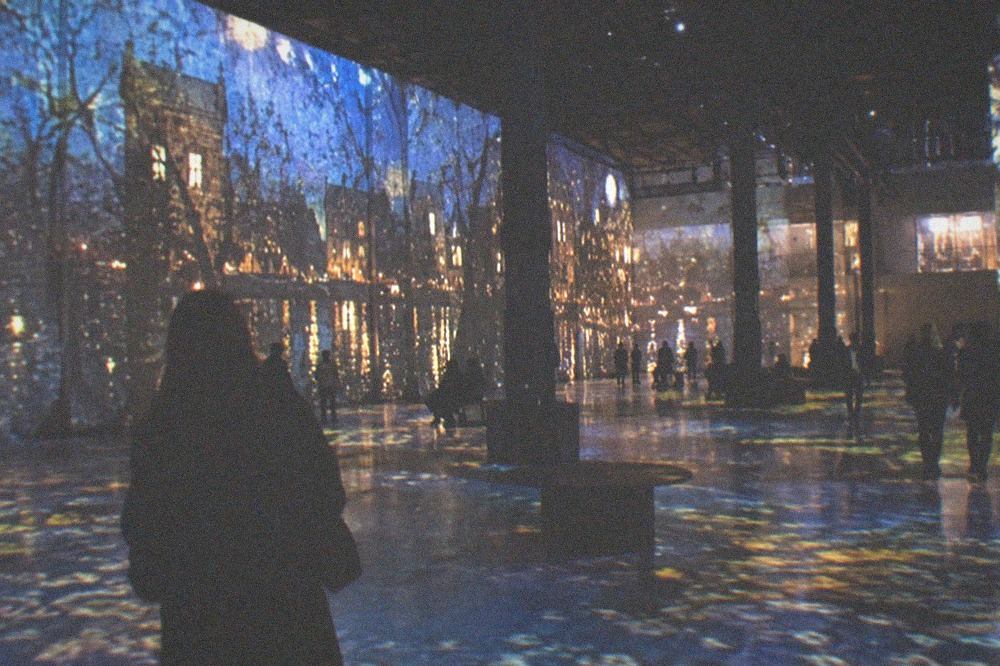
The Atelier des Lumières is the opposite kind of visit and the most direct style match for the Fondation's event feel. It is an immersive venue in a former foundry in the 11th arrondissement, where the ticket is always for whatever show is running rather than a collection, exactly the model the Fondation uses, and admission is €19.50. It rates 4.1 across 670 reviews, it has no weekly closing day, and it is not on the pass either. Our longer piece on the Atelier des Lumières and what a ticket costs covers the show model in depth.
The free option deserves more attention than it usually gets. The Musée d'Art Moderne de Paris, a city museum in the 16th arrondissement near the Trocadéro, is free to everyone all year with no ticket, per the city's own tariffs page, and its collection runs from the early twentieth century forward. It closes Mondays like every other city museum, and its temporary exhibitions are the only ticketed part of it. The full guide to Paris's free museums lists the eleven city venues with that rule.
One more thing worth saying plainly: the Centre Pompidou, the obvious fourth name in this conversation, is also closed, from 22 September 2025 until 2030, with its programme scattered across the Grand Palais and other venues. Anyone building a modern art itinerary in Paris right now is working around two closed giants, which is precisely why the ticketed alternatives above and the free city museums matter this much.
How Long Should You Allow, And What Else Is Nearby?
Allow about two to three hours for the Fondation Louis Vuitton itself once it reopens, plus travel time that is longer than for any central Paris museum, because the building sits at the edge of the Bois de Boulogne in the 16th arrondissement. Count half a day door to door from central Paris.
The timing splits three ways. Inside the building, two hours covers one major exhibition plus a slow loop of the terraces and staircases, and visitors consistently report that the building rewards the slow loop. Getting there takes real time: unlike the Louvre, Orsay or Orangerie cluster, which our piece on the museum district around the Louvre and Orsay shows is walkable between venues, the Fondation sits at the far edge of the Bois de Boulogne and needs a deliberate metro or taxi leg. Around it, the Jardin d'Acclimatation and the park paths can fill another hour easily.
That geography is the most common criticism in guest reviews, and it is fair. The building is extraordinary and the location is inconvenient, and the two facts have to be weighed together. If your Paris time is short, three hours door to door for one exhibition is a real cost, and the same three hours in the Marais buys the Musée Picasso Paris plus the Musée Cognacq-Jay, both of them open now, one of them free.
The other nearby draw, the Fondation's neighbour the Jardin d'Acclimatation, makes the trip work better for families, and it pairs the art visit with an afternoon that children will actually enjoy. For a family-oriented route through the city, our Paris museums for kids guide has the full rundown of which venues carry the under-18 free rule and which need separate booking.
A practical closing note on the ticket itself. Buy the timed slot on the Fondation's own site for the exact window you want, screenshot it, and arrive inside the slot, because timed entry is compulsory and the basin-side queues reform with each window. The €18 admission does not include any add-on, and no pass or free-day scheme touches it, so the planning around this one building is simpler than for almost any other in Paris: pick a date after 9 October 2026, book the slot, go.
If you are booking the rest of your Paris art and sightseeing around the reopening, these are the three we would hold in the same basket:
Common Questions About The Fondation Louis Vuitton
Is The Fondation Louis Vuitton Worth It, And Who Designed The Building?
For most visitors, yes, mainly for the architecture. The building was designed by Frank Gehry and is his only building in Paris. Admission is €18 when it is open, but it is closed right now and reopens on 9 October 2026 with the Gustave Fayet exhibition, so any visit before then is impossible.
How much does the Fondation Louis Vuitton cost?
Admission is €18 per adult when the building is open, with timed entry compulsory. There is no free day and no reduced pass coverage of any kind. Buy the timed slot on the Fondation's own site.
When does the Fondation Louis Vuitton reopen?
It reopens on 9 October 2026, with the exhibition "Gustave Fayet, Collector - Designer. Icons of Modern Art" as the first show. Nothing can be visited before that date.
Who designed the Fondation Louis Vuitton building?
Frank Gehry, the Canadian-American architect who also designed the Guggenheim Museum in Bilbao and the Walt Disney Concert Hall in Los Angeles. The Fondation, completed in 2014, is his only building in Paris.
Is the Fondation Louis Vuitton on the Paris Museum Pass?
No. It is on the pass's own exclusion list, alongside the Eiffel Tower, the Catacombes and the Palais Garnier, and no pass duration covers it. The pass costs €85 for 2 days, €105 for 4 days and €125 for 6 days.
What is inside the Fondation Louis Vuitton?
There is no permanent collection on permanent display. The Fondation runs temporary modern and contemporary art exhibitions plus a concert and events programme in its auditorium, so what you see depends on what is running when you visit.
What can I visit instead while it is closed?
The Musée Picasso Paris at €16, the Atelier des Lumières at €19.50, and the free Musée d'Art Moderne de Paris are all open now. The Centre Pompidou is also closed, until 2030, so those three carry most of the modern art load in Paris at the moment.
How long should I allow for a visit?
About two to three hours inside the building, plus travel, and count half a day door to door from central Paris. The Fondation sits at the far western edge of the 16th arrondissement, next to the Jardin d'Acclimatation in the Bois de Boulogne.