Is The Musée Picasso Paris Worth It, And How Long Do You Need?
A research-based answer on whether the Musée Picasso Paris is worth the ticket: what is inside the Hôtel Salé, what €16 buys, who gets in free, how long to allow, and the Monday closure.
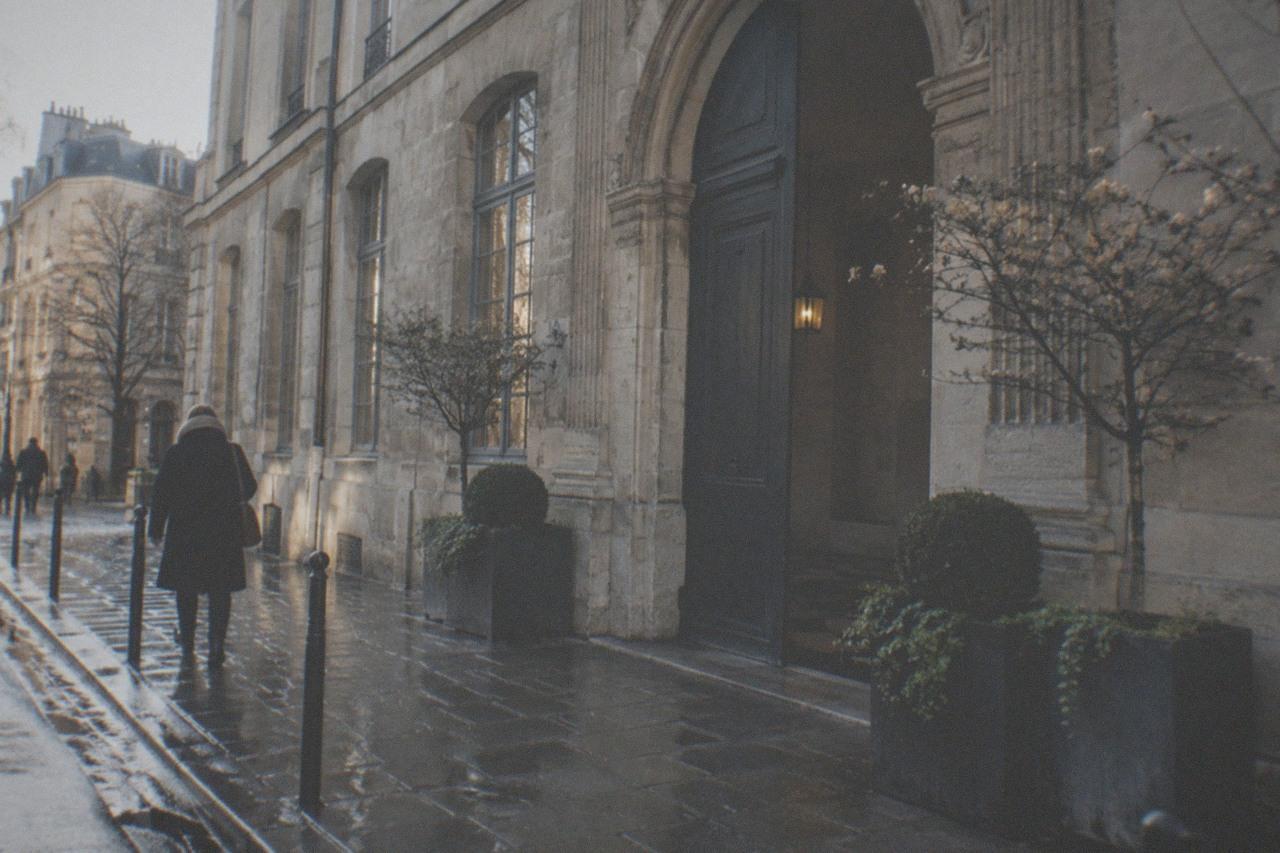
Is The Musée Picasso Paris Worth It, And How Long Do You Need?
Yes, for most visitors the Musée Picasso Paris is worth it, and two hours is the honest allowance. The museum holds the largest Picasso collection anywhere, paintings, sculpture, ceramics and the paper archive together, inside the Hôtel Salé in the Marais, and the adult ticket is €16. The first Sunday of the month is free with no reservation needed, the museum closes on Mondays, and it is rated 4.5 across 3,696 reviews.
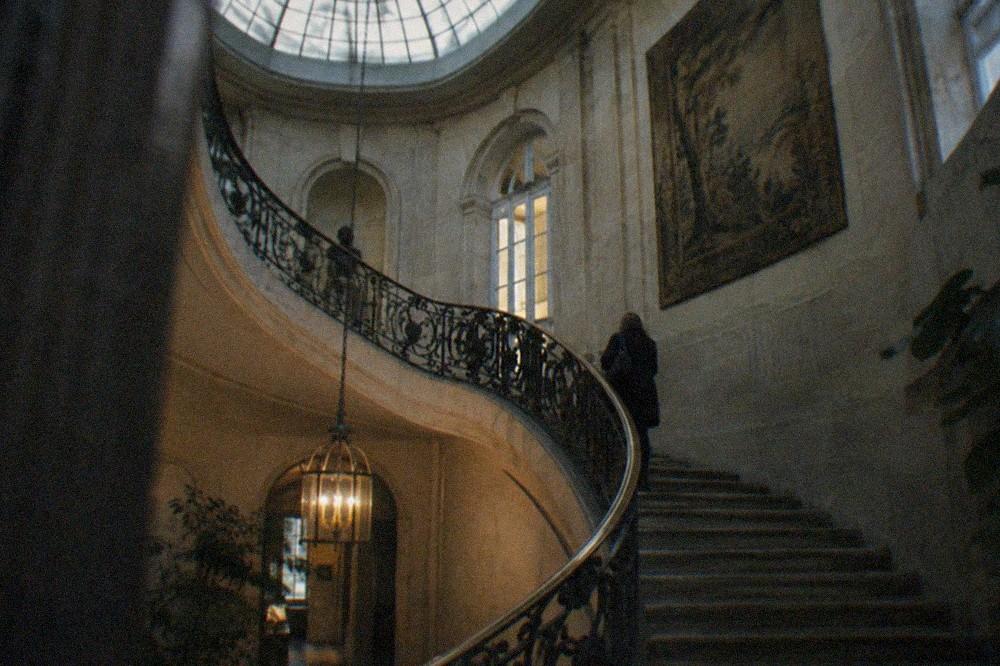
The short case for going is simple. Paris has a lot of museums that own a room of Picassos; this is the one building in the city where Picasso is the whole point. The French state received the core of the collection in lieu of inheritance tax after the painter's death, a settlement known as the dation, and the Hôtel Salé, a 17th-century mansion built for a salt tax farmer, was chosen to house it. That origin explains something visitors often notice: the works here were not bought to please a public. They were selected from the studio itself, which is why the range runs from teenage academic exercises to late paintings made when the artist was old.
That breadth is the museum's real argument. A Picasso room inside a bigger institution gives you the highlights; a building given over to the man lets you watch an entire career change its mind, decade by decade, in canvas, clay, cardboard, sheet metal and pencil. Reviewers who arrived expecting a greatest-hits hang regularly report leaving with the opposite impression: the museum is less about the famous pictures than about the relentlessness between them.
The short case against is equally honest. If you already know you dislike Picasso, two hours of him in a mansion will not convert you, and €16 buys a lot of alternatives in this city. The Marais location also means the visit is usually bundled into a crowded Saturday itinerary, which changes the feel of the small rooms considerably. Choose the day and the hour with care, and the museum earns its price without difficulty.
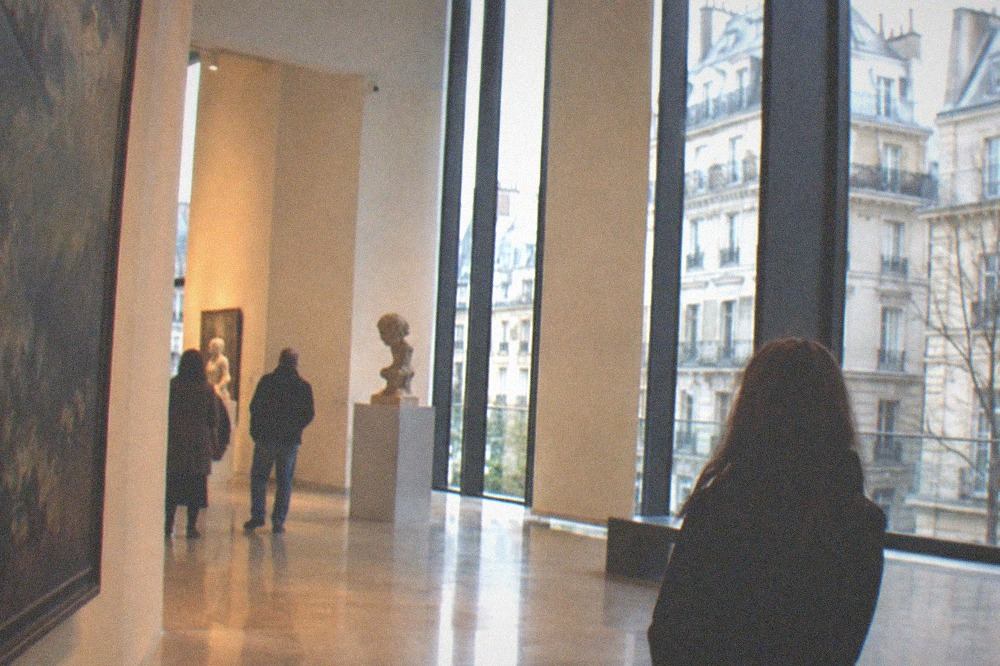
Visitors regularly report that the mansion itself is half the experience. The Hôtel Salé gives the museum a staircase that reviewers photograph almost as much as the canvases, and the proportions of the place, grand but domestic, keep even busy days walkable. One recent review calls the building worth the price on its own; another notes that the hang, which follows the artist's life floor by floor, makes the collection easy to read even for a first-time visitor. That readability matters more than people expect, because single-artist museums can be exhausting when the story is told badly, and this one is told well.
What Is Actually Inside The Musée Picasso Paris?
The permanent collection spans the artist's whole career: paintings, sculptures, ceramics, drawings, sketchbooks and prints, hung as a chronological walk through Picasso's life. A rotating selection is on show at any time alongside a paper archive of sketchbooks and loose sheets, and the mansion's basement holds sculpted head studies and a gallery of ceramics. That is a deep holding for a single-artist museum, and the curatorial choice has been depth over breadth.
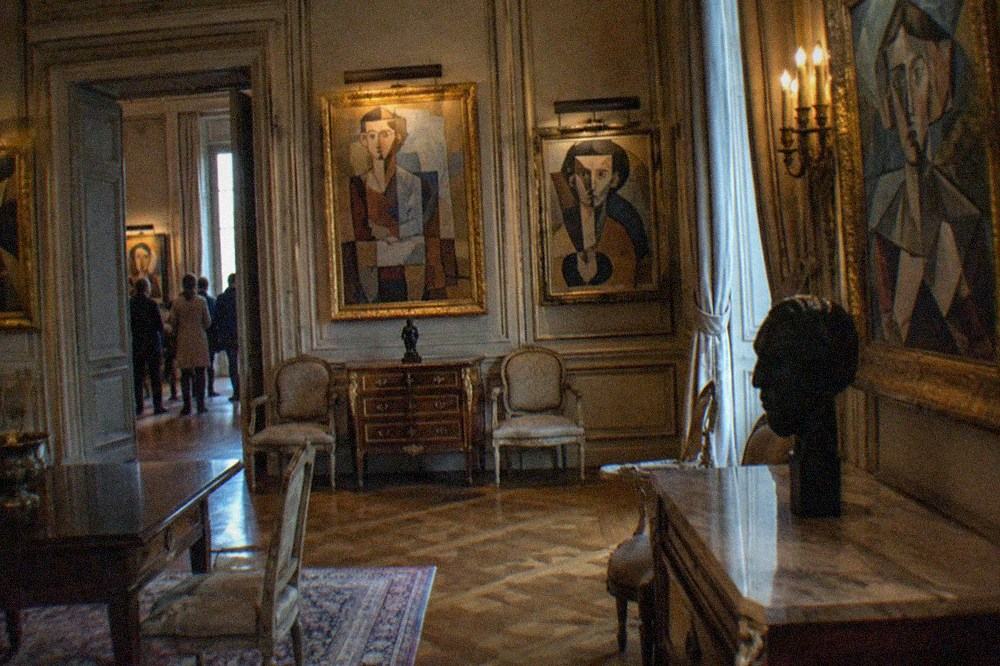
The visit works from the ground up. The lower floors hold the early years, the academic training, the Blue Period and the Rose Period, and then the story climbs with him through cubism, the war years, and the late studio paintings where he circled back to the old masters. The progression is not arranged by fame but by biography, which means a visitor who has never read a word about the painter still leaves with the shape of the life intact. Reviewers consistently praise that choice; several note that the museum taught them more about the man in two hours than a decade of reproductions had.
Visitors who arrive expecting only paintings are usually surprised by the volume of sculpture and fired clay. Picasso treated a kiln the way he treated a canvas, experimenting with glazes, broken plates reassembled into faces, and painted vases that joke about antiquity, and the museum keeps several cases of it. There are also works in unlikely materials, cut and folded sheet metal, cardboard constructions, and painted wood, because the artist's appetite for cheap materials was itself part of the story. The sculpture galleries are where sceptical companions tend to soften, which families planning a mixed-interest visit should note.
The paper archive is the quiet treasure. Sketchbooks and loose sheets are held in the study collection upstairs, and the museum regularly opens a selection in dedicated cases. These are the working drawings behind the famous canvases, the studies where a composition is tried one way, crossed out, tried another way, and reviewers consistently say the sketchbook rooms are where the artist's thinking becomes visible. If you only have an hour, the floor plan pushes you past the drawings; give it two and they get their share. Anyone with a serious interest in printmaking should know the collection holds substantial graphic work as well, and that the study rooms reward slow looking more than any other part of the building.
Temporary exhibitions are ticketed separately from the permanent collection, and the museum's own ticket page prints the current pairing and prices. The museum also runs a programme of contemporary commissions in the staircase hall, which places a living artist's work against the collection each season. That programme is included in the ordinary ticket and is easy to walk past without noticing, so it is worth checking what is running before you go, if only to know what the strange installation on the stairs is doing there.
The bookable priority ticket matches the door price at €16 and comes with a timed entry slot, which the museum treats as compulsory. Free cancellation applies on the operator's listing.
How Much Does A Musée Picasso Paris Ticket Cost, And Who Gets In Free?
The adult ticket is €16, the same at the door and through a bookable priority ticket. Under-18s are free with photo ID, and EU and EEA residents under 26 are free too, including holders of a long-stay permit or visa, because residency is what gets checked. The first Sunday of every month is free for everyone, with no reservation needed, which is unusual in Paris. The €16 rate also applies to the bookable ticket, so booking does not cost extra here, unlike some Paris museums where the online price runs higher than the door price.
The age rule deserves one clear paragraph, because it is the most generous thing on the page. A young adult who lives in Rotterdam walks in free with an ID card; the same young adult visiting on a US passport pays €16. The state's own terms cover holders of a long-stay residence permit or a visa longer than four months, so the boundary is residence, not nationality, and the check is a document at the desk. The city's guide to free museums sets out the wider free landscape for anyone building a budget day around this one, and it is worth reading before assuming anything about which Paris institutions charge.
Beyond age, the usual reductions apply for the documented categories the museum lists, and the first-Sunday rule sits on top of everything: on that day the price drops to zero for all comers, with no reservation. Reviewers who have done both report the free Sunday is busier but not unmanageable, because the mansion absorbs crowds into its stairwell reasonably well. The trade is real, though: a quiet paid weekday morning versus a packed free Sunday morning, and visitors who value air over eight euro should take the weekday.
One caution: the Paris Museum Pass does not apply here the way people assume it might. The pass covers national monuments and museums, and the Musée Picasso Paris is not on its site list, so a pass holder still buys the €16 ticket. Our Paris Museums coverage of the pass exclusions goes into which passes buy what, and the short version is that the pass is a national-institutions product, while this museum sits outside that system entirely.
Here is the whole cost picture in one table.
| Situation | Price at the Musée Picasso Paris |
|---|---|
| Adult, at the door | €16 |
| Adult, bookable priority ticket | €16 |
| Under 18 with photo ID | Free |
| EU or EEA resident under 26 | Free |
| First Sunday of the month, everyone | Free, no reservation |
| Temporary exhibitions | Ticketed separately, prices vary by show |
| Paris Museum Pass holders | Not covered, full €16 applies |
The final line of the table is the one that surprises pass buyers most often, so it is worth repeating in prose: the €16 stands even with a pass in your pocket. If the Picasso museum is high on your list and you are weighing a pass, price the pass against the sites it actually covers before assuming it stacks.
How Long Should You Spend At The Musée Picasso Paris?
Two hours is the right allowance for most visitors, and 90 minutes covers it comfortably at a brisk pace. The building holds a full chronological circuit of paintings, sculpture, ceramics and works on paper, plus the basement galleries, and the hang rewards reading rather than rushing. Anyone working through the sketchbook cases or combining the visit with the current temporary exhibition should plan closer to three hours.
The honest arithmetic is rooms against appetite. A visitor who stops at major paintings only finishes in an hour, and reviewers who tried an hour say they regretted the pace more than the price. The hang is built like a biography, and the late rooms change the meaning of the early ones, which is the classic argument for going up the stairs slowly. The Blue Period rooms, for instance, look like a young man's melancholy; seen after the war rooms, they look like the first draft of a lifelong argument with suffering, and that re-reading only happens if you arrive at the end with some memory of the beginning.
There is also a fatigue factor that no floor plan warns you about. Single-artist museums ask more concentration per square metre than survey museums, because every room makes a claim on the same name. Two hours with a break in the courtyard or the bookshop lands better than three hours of unbroken looking, and several reviews recommend exactly that rhythm: up the staircase circuit first, a pause, then the basement and the temporary exhibition with whatever attention is left.
Families with children should add time rather than subtract it. The sculpture and ceramics floors hold attention better than the canvases for younger visitors, the building's size, a mansion rather than a palace, keeps the circuit walkable, and a timed entry slot means you are not standing in a queue with an impatient eight-year-old. Our guide to Paris museums for kids places the museum in a workable family day in the Marais, with the free city museums nearby as a pressure valve if attention runs out early.
Photographers should note the rules before planning the hour. The museum permits photography without flash in the permanent collection, a standard policy, but temporary exhibitions sometimes restrict it entirely, and the sketchbook cases sit behind glass in low light. Build the extra ten minutes for the staircase, which is the single most photographed interior in the building and sits right on the circuit. And if your two hours fall on a free first Sunday, add another half hour for the slower flow of visitors through the narrower rooms.
Which Day Is The Musée Picasso Paris Closed, And When Is It Quietest?
The Musée Picasso Paris is closed every Monday. It opens Tuesday to Sunday, and the quietest windows are weekday mornings at opening and the final hour before closing, while Saturdays and free first Sundays draw the biggest crowds. There is no late-night evening in the weekly schedule that would offer a third quiet window.
The Monday closure matters more in the Marais than it would elsewhere, because the neighbourhood itself runs a Sunday rhythm: the Marais is lively on Sunday when much of Paris shuts, and the museum follows the neighbourhood rather than the national pattern. National museums such as the Louvre close on Tuesday; city museums and the Musée Picasso Paris close on Monday, so a visitor doing both systems needs to plan around the split. Our guide to Paris museums open on Monday maps the alternatives if your Picasso day lands wrong, and it is worth checking before you build a Marais walking day, since several neighbours shut the same day.
The timing advice follows from the timed-entry system. Because slots are compulsory, the queue at the door is shorter than at unslotted museums, but the rooms inside fill and empty in waves as each slot lands. A weekday opening slot puts you ahead of the waves; a Saturday afternoon slot puts you inside every wave at once. Reviewers who went twice on different days describe almost two different museums, one quiet enough to hear the parquet creak, one with a queue for the ceramics cases, and the ticket price is identical in both.
How Does The Musée Picasso Paris Compare With The Nearest Alternatives?
For modern art in Paris, the Musée Picasso Paris is the strongest single-artist option, rated 4.5 across 3,696 reviews. The Atelier des Lumières offers an immersive projection show rather than a collection, at €19.50, while the Arc de Triomphe is a monument climb with a small museum layer, at €22 in high season. They are different experiences, and the Picasso museum wins for depth of actual works by the artist.
The comparison most visitors actually face is Picasso versus the Orsay circuit, and the difference is authorship. The Musée d'Orsay holds a handful of Picassos inside a nineteenth-century story that ends where he begins; the Musée Picasso Paris holds the man entire. If you want the Impressionists first, go to Orsay, where the ticket is €16 online and €14 at the door; if you want one artist exhaustively, this is the better €16, and the two are complements rather than rivals for anyone with more than a day in the city.
Closer to home, the Atelier des Lumières runs immersive projections in a former foundry, a format rather than a collection, and our piece on whether the Atelier des Lumières is worth it breaks down that trade. The Atelier ticket at €19.50 always buys whatever show is running, never a permanent collection, and it is not on the Paris Museum Pass either, so the two venues share a niche: the modern-art stop that sits outside every pass and discount system. Choosing between them is choosing between an hour of walls that move and two hours of walls that changed art history.
For a monument with a view, the Arc de Triomphe climbs to a terrace over the Champs-Élysées at €22 in the high-season window, with a reduced rate on Wednesdays and a lower rate from October to March, and it is open daily, which makes it the reliable fallback when a Monday catches your Picasso plan. Our review of going up the Arc de Triomphe covers the climb itself. It is an odd pairing on paper, art against panorama, but the trio shows up together on short itineraries because each solves a different problem: depth, spectacle and view, all inside a single afternoon's geography.
Two practical pairings make the comparison concrete. A morning at the Musée Picasso Paris followed by lunch in the Marais and a walk to what the Musée Carnavalet is known for, the free city history museum ten minutes away, costs one admission fee between the two. An afternoon pairing with the Atelier des Lumières costs €16 plus €19.50 and gives you canvas walls and projection walls in one day. Both work; the first suits a first visit to Paris, the second suits a return trip that has already done the classics.
The verdict in one line: worth it for anyone with two hours and a working interest in the century's most rewritten painter, skip it only if single-artist museums bore you, and go early on a Tuesday through Friday. The ticket is honest at €16, the free Sunday is genuinely free with no booking hurdle, and the building alone justifies the walk from the métro. What the museum asks in return is attention, and two unhurried hours is the amount that pays.
Common Questions About The Musée Picasso Paris
Is The Musée Picasso Paris Worth It, And How Long Do You Need?
Yes, for most visitors it is worth the €16 ticket, and two hours is the right allowance. The museum holds the largest Picasso collection in the world inside the Hôtel Salé in the Marais, hung chronologically across the building with sculpture, ceramics and works on paper alongside the paintings.
How much is a ticket to the Musée Picasso Paris?
€16 for an adult, the same at the door and through the bookable priority ticket. Under-18s and EU or EEA residents under 26 are free with photo ID.
Is the Musée Picasso Paris free on the first Sunday of the month?
Yes, every first Sunday, all year, and unlike several larger Paris museums it requires no booked reservation for the free entry.
Which day is the Musée Picasso Paris closed?
Every Monday. It opens Tuesday to Sunday, and weekday mornings at opening are the quietest time to visit.
Where is the Musée Picasso Paris located?
In the Hôtel Salé at 5 rue de Thorigny in the 3rd arrondissement, in the Marais, a short walk from place des Vosges.
What is inside the Musée Picasso Paris?
Paintings, sculptures, ceramics, sketchbooks and prints spanning Picasso's whole career, hung chronologically through the mansion, plus a basement gallery of sculpted head studies and a programme of contemporary commissions in the staircase hall.
Can you see everything at the Musée Picasso Paris in one hour?
You can see the highlights in an hour, but reviews consistently say two hours is the pace the hang deserves, especially for the sketchbook cases and the sculpture floors.
Does the Paris Museum Pass cover the Musée Picasso Paris?
No. The museum is not on the pass's site list, so pass holders still buy the €16 ticket.