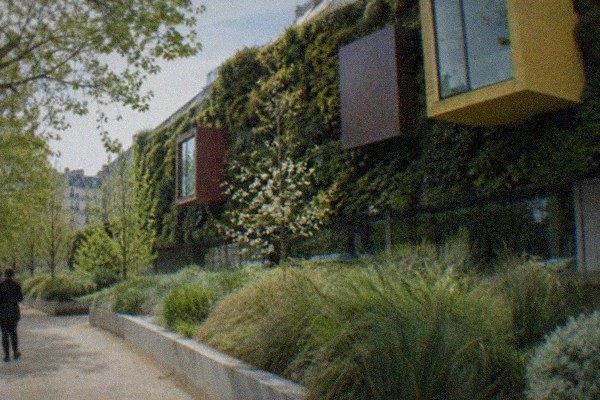
Musée du quai Branly
7e arrondissement · Africa, Asia, Oceania and the Americas in a Jean Nouvel building under a green wall.
Museum of non-Western arts, cultures and civilizations from Africa, Asia, Oceania and the Americas.
Check availability →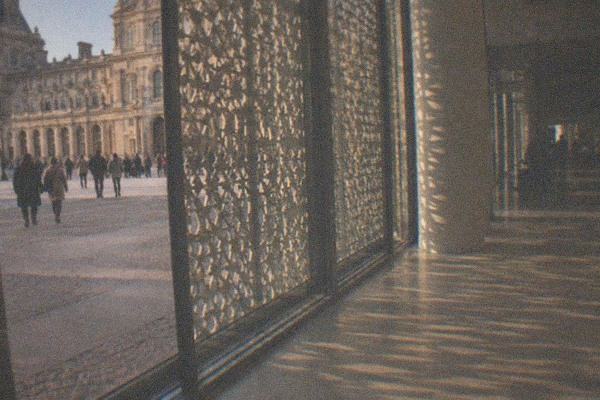
Jean Nouvel's photographic-shutter facade, and a free rooftop view over the Seine.
Current admission is on the museum's own ticket page.
Official tickets →Opens the museum's own website. Book on the official site; nothing is charged on this page.
A cultural institute on the Left Bank dedicated to the art, history and contemporary culture of the Arab world, inside Jean Nouvel's famous shutter-faced building. It suits travelers interested in Islamic art, modern architecture and river views, and it pairs well with a day in the Latin Quarter.
The Institut du monde arabe is a cultural institute, museum and exhibition space promoting the art, history and contemporary culture of the Arab world, housed in a building by architect Jean Nouvel that has become a Paris landmark in its own right. The museum collections, temporary exhibitions and a free rooftop viewpoint together make it a half-day destination on the Left Bank of the Seine.
Most visitors come for two things, and the order matters less than you might think. The first is the building. Nouvel's facade on the Seine side is made of mechanical panels modeled on the mashrabiya latticed screens of traditional Arab architecture. The panels open and close like camera shutters, regulating light into the interior. On a bright day the effect is striking: geometric apertures shift across the hour, and photographing the facade is half the reason people make the trip to the 5th arrondissement.
Inside, the museum galleries trace the breadth of the Arab world across centuries and regions. Objects range from early calligraphy and scientific instruments to ceramics, textiles and contemporary works. Reviewers consistently say the permanent collection is more compact than the headline museums of Paris, which is part of its appeal: you can see it properly in a single visit without the fatigue that comes with the vast buildings across the river.
The temporary exhibition program is where the institute earns much of its reputation. Shows have covered Islamic art, photography, contemporary Arab artists and themed historical surveys, and they rotate regularly. The institute also runs a library, hosts talks, film screenings and performances, and operates a bookshop and restaurant, so it functions as a working cultural center rather than a static museum. Its own site lists current and upcoming exhibitions, which change often enough that repeat visitors find something new.
Then there is the rooftop. A viewing terrace on top of the building looks out over the Seine toward Notre-Dame and the rooftops of eastern Paris, and access is free. That combination, a paid museum below and a free panorama above, is unusual in Paris, where the better-known towers and monuments charge for their views. Many people visit the terrace alone, on a clear evening, and skip the galleries entirely. It is a legitimate way to use the building, and the museum seems to accept it cheerfully.
Standard adult admission is €10, paid at the museum or through its own online ticket page. There is no third-party reseller for this museum, so the direct route is the only route, and no first-Sunday free entry exists here. The free rooftop terrace is the one part of the building you can enjoy without a ticket.
Because no reseller sells Institut du monde arabe tickets, the honest advice is simple: buy from the museum itself, either on arrival or via the ticketing section of its official site, imarabe.org. Buying online spares you the walk-up queue at the ground-floor desk, which can back up during popular exhibitions, though for a museum of this size the wait is rarely the obstacle it is at the Musée d'Orsay or the Arc de Triomphe in high season.
What does the €10 cover? The permanent museum collection, on the upper floors, plus access to the temporary exhibitions then running. One ticket normally takes you through both, which is a fair deal when a major show is on: the exhibition program here is ambitious for a mid-sized institute, and visitors regularly report that the temporary shows alone justify the price of entry.
Concession pricing, group rates and any pass agreements are details the museum confirms on its own pages, and they change often enough that quoting them here would mislead you. If you hold a Paris Museum Pass or another city pass, check what the pass covers before assuming inclusion. The city's own tourism and museums pages at paris.fr are a reliable cross-reference for which Paris museums accept which passes.
| Entry Route | Price | What It Covers |
|---|---|---|
| Standard adult admission | €10 | Museum collection and temporary exhibitions |
| Rooftop terrace | Free | View over the Seine and eastern Paris |
| First Sunday of the month | No free entry | Standard admission applies |
| Where to buy | Direct only | Museum's own site or on-site desk |
Allow roughly two hours for the museum collection plus one temporary exhibition, longer if a major show is running. The building is closed every Monday, so plan around that fixed day. The rooftop works as a short standalone stop of twenty minutes and pairs best with late afternoon or early evening light.
The visit sequence most people fall into is sensible. Start on the ground floor with whatever temporary exhibition is running, since those galleries sit near the entrance and are easiest to do while your attention is freshest. Then work up through the permanent collection floors, which reward slower looking: calligraphy, astrolabes and ceramics are not objects you sprint past. Finish on the rooftop terrace, where the western view toward Île de la Cité is at its best as the light lowers.
Crowd patterns follow the exhibition calendar more than the season. A headline show draws lines on weekends, especially Saturday afternoons, while weekday mornings are typically quiet enough that you can move freely through the galleries. Like most Paris museums, the days around national holidays and school vacations run busier. If your schedule allows a Tuesday, Wednesday or Thursday morning, take it.
Weather plays a role here more than at most museums, for two reasons. The shutter facade is at its most photogenic in strong sun, when the mechanical apertures are visibly working, and the free rooftop view is only as good as the sky above it. An overcast Tuesday gives you an empty museum and a flat panorama; a clear Saturday gives you the reverse. A reasonable compromise is a clear weekday late afternoon, though the museum's closing time varies by period, so confirm the day's hours on the museum's site before planning an evening visit. Rain, for the record, matters little inside: the collection is indoors and the building is worth seeing in any weather.
One planning note for stringing sites together: because the museum is closed Mondays and several other Paris institutions also close that day, a Monday in this part of the city thins out your options considerably. Treat Tuesday as the effective start of the museum week here.
The Institut du monde arabe stands at 1 Rue des Fossés Saint-Bernard, Paris, France, in the 5th arrondissement on the Left Bank, facing the Seine. It is closed every Monday. Standard adult admission is €10, the rooftop terrace is free, and no first-Sunday free entry applies.
The setting is one of the best addresses in Paris for a museum day. The institute sits at the river's edge between the Jardin des Plantes and the Latin Quarter, with the Seine directly in front of it and the towers of Notre-Dame visible upstream. The surrounding streets are a mix of university buildings, quiet squares and student cafés, and the walk from the river up to the museum door takes under a minute. Coming from the Right Bank, crossing the nearest bridge on foot gives you the classic first view of Nouvel's facade from the water.
For transport, the RATP's journey planner will route you precisely, but the area is well served. Several Metro stations and bus lines fall within a short walk, and the riverside location means arriving on foot or by Vélib' bike along the quays is often the pleasant option in good weather. The quays on both banks are flat, well surfaced and among the nicest walks in the city, so plan to arrive along the river rather than through traffic if the weather cooperates.
A few practical notes. As with most Paris museums, large bags are best avoided: mid-sized institutions rarely have generous storage, and a heavy bag in compact galleries is a burden. Photography is generally welcomed in the collection, though flash and tripips may be restricted and temporary exhibitions sometimes carry their own rules. Check the museum's site for current policies rather than assuming. For accessibility, the building is modern, with elevators serving the gallery floors and the rooftop, but specific services and any assistance arrangements should be confirmed with the museum directly before a visit that depends on them.
| At A Glance | Details |
|---|---|
| Address | 1 Rue des Fossés Saint-Bernard, Paris, France |
| Arrondissement | 5th, on the Left Bank facing the Seine |
| Closed | Every Monday |
| Standard adult admission | €10 |
| Free entry days | None (no first-Sunday free entry) |
| Rooftop terrace | Free view over the Seine |
| Buying tickets | Direct from the museum only |
| Official site | imarabe.org |
This museum suits travelers with a genuine interest in Arab and Islamic art, architecture fans drawn to Nouvel's shutter facade, and anyone wanting a free Seine view without monument prices. It suits less well visitors who want an all-day blockbuster museum or an overview of Western art, and families with restless young children will find the compact galleries limiting.
Architecture visitors should be honest with themselves about what they are coming for. If the facade and the rooftop are the draw, you can have a complete experience without paying the €10: the exterior is visible from the street and the riverbank at any hour, and the terrace is free. Coming inside does add the collection and exhibitions, which deepen the building's meaning, since Nouvel's design gestures at the traditions the museum presents. But the building alone justifies the detour.
Art and history travelers get the better end of the deal. The collection gives real substance to a subject that Paris's other major museums treat only in fragments. If you have already visited the Musée du quai Branly and want a focused counterpart devoted to the Arab world, or if you left the Islamic art galleries of a bigger museum hungry for more, this institute answers that. The temporary exhibitions, reviewed warmly when major shows travel here, are often the strongest single reason to time a visit.
Fewer crowds are a real selling point. Compared with the flagship institutions on the Right Bank, this is a calm museum where you can stand in front of a case of astrolabes without craning over shoulders. Travelers recovering from the crush at better-known monuments should deliberately schedule it as a quieter day. Visitors regularly report that the pace here, unhurried and manageable, is what makes it memorable.
Who should lower expectations? Anyone expecting a Louvre-scale collection or a full day's programming. And anyone treating it as a photo stop only: thirty minutes on the terrace is a fine visit, but it is not the same visit as the museum. Decide which one you want before arriving, and you will not feel shortchanged either way.
The 5th arrondissement around the Institut du monde arabe is one of the densest museum-and-walk districts in Paris, so pairing it with a nearby site is easy and needs no car or long Metro ride. The Jardin des Plantes sits minutes away along the river, the Latin Quarter rises behind the museum, and crossing the Seine opens the Île de la Cité and the Right Bank beyond.
The most natural pairing is the Jardin des Plantes, a short walk east along the riverbank. Its grounds hold several museums of natural history, a small zoo and an alpine garden, and the whole ensemble makes a relaxed half day. A sensible morning-to-afternoon sequence: gardens before lunch, the Institut du monde arabe after, then the free rooftop as the day's closing view. Visitors regularly report this combination as one of the smoothest low-effort days on the Left Bank.
Westward behind the museum, the Latin Quarter offers the Panthéon, bookshops, and the medieval lanes around rue de la Montagne Sainte-Geneviève. If churches and Roman ruins interest you, the Arènes de Lutèce, a buried Gallo-Roman amphitheater, hides a few streets from the museum and costs nothing to enter. For a full Left Bank art day, the Musée d'Orsay is a straightforward onward trip along the river, though its crowds will feel like a step change after the quiet here.
Cross the Seine northward and the options multiply fast. The Île de la Cité with Notre-Dame and the Sainte-Chapelle is within comfortable walking distance upstream, and the Marais sits beyond it. A practical day for ambitious walkers: Latin Quarter in the morning, the institute around midday, the rooftop, then the bridge crossing to the islands in the late afternoon. Finish wherever the evening takes you. Because the museum closes on Mondays, build this pairing on any other day of the week, and remember that several partner sites in the same neighborhood keep the same Monday closure, which is worth remembering when you sketch your Paris itinerary.
Standard adult admission is €10, paid at the door or through the museum's own online ticket page. There is no reseller for this museum, so the direct route is the only route. The rooftop terrace is free and needs no ticket at all.
No. The museum does not offer first-Sunday free entry, unlike some Paris institutions. Standard admission of €10 applies on every day it is open, including the first Sunday of the month.
Yes, the museum is closed every Monday. Plan visits for Tuesday through Sunday. Many nearby attractions in the same neighborhood also close Mondays, so treat Tuesday as the effective start of the museum week in this part of the city.
No. No third-party reseller sells tickets for this museum. Buy directly from the museum's own site, imarabe.org, or pay at the desk on arrival. Buying online mainly saves you the walk-up queue at busy times.
Yes. The rooftop terrace, with its view over the Seine toward the towers of Notre-Dame, is free to access. Many visitors come just for the panorama and skip the galleries, and it is a legitimate way to experience the building.
It is best known for Jean Nouvel's facade of mechanical shutter panels inspired by traditional latticed screens, which open and close with the sun. Inside, it presents the art, history and contemporary culture of the Arab world through a permanent collection and rotating exhibitions.
The address is 1 Rue des Fossés Saint-Bernard, Paris, France, in the 5th arrondissement on the Left Bank facing the Seine. Several Metro stations and bus lines sit within a short walk, and the riverside quays make arriving on foot a pleasant option.
Allow about two hours for the permanent collection plus a temporary exhibition, longer if a major show is running. The rooftop works as a short standalone stop of around twenty minutes, best at late afternoon or early evening light.
7e arrondissement · Africa, Asia, Oceania and the Americas in a Jean Nouvel building under a green wall.
Museum of non-Western arts, cultures and civilizations from Africa, Asia, Oceania and the Americas.
Check availability →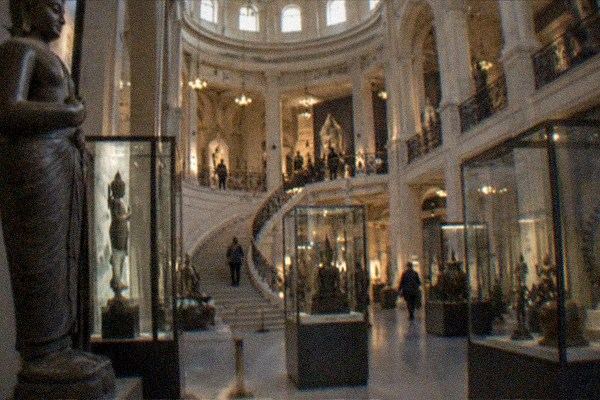
16e arrondissement · The largest Asian art collection outside Asia. Its annexe, the Musée d'Ennery, is shut until 2028.
France's premier museum of Asian arts, with extensive collections from India, China, Japan, Southeast Asia and Central Asia.
Official tickets →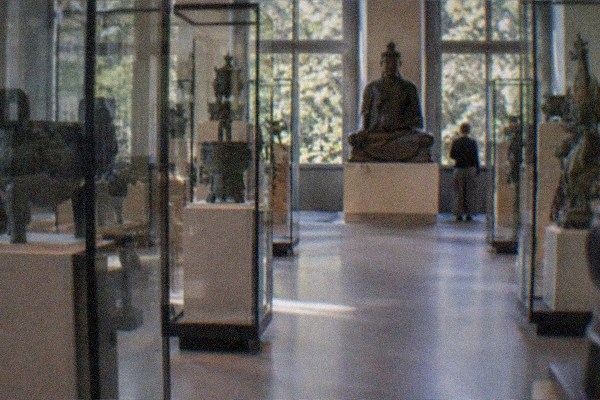
8e arrondissement · Paris's second Asian art museum, on the edge of the Parc Monceau, and nobody queues for it.
Asian art museum built around Henri Cernuschi's Chinese and Japanese collection, beside the Parc Monceau.
Free entry, no ticket needed.