The Louvre, Orangerie And Orsay: A Guide To Paris's Museum District
The Louvre, the Tuileries, the Orangerie and the Musée d'Orsay line up along one axis of the Seine, all within a twenty minute walk of each other. The part nobody explains is the sequencing: which museum on which day, in which order, and why one rest day forces a choice.
Short answer
The Louvre, the Musée de l'Orangerie and the Musée d'Orsay sit within a twenty minute walk of each other. Orsay closes Monday and the Louvre closes Tuesday, so no single day covers both. Door prices run €11, €14 and €32, and a Louvre ticket also admits you to the Musée Delacroix on the same or the next day.
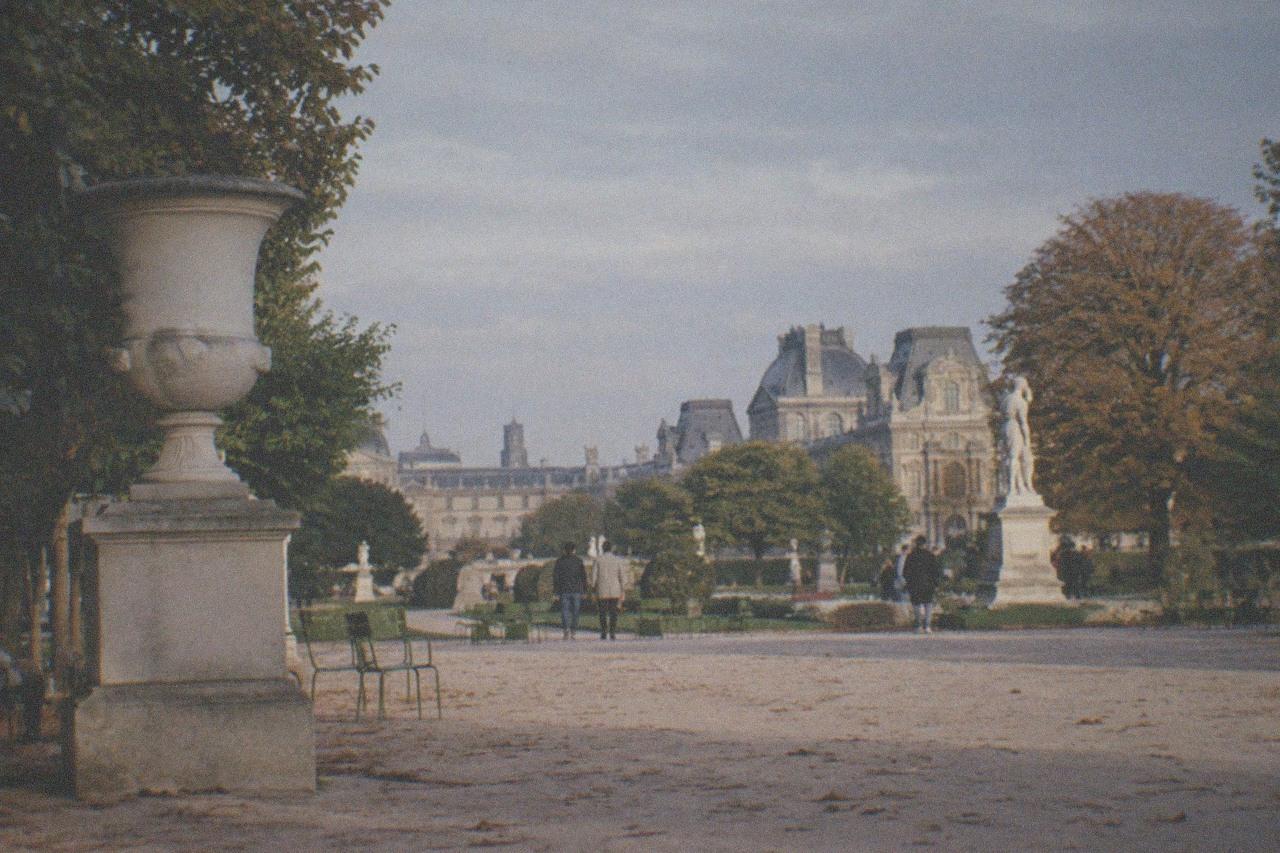
The Louvre, the Jardin des Tuileries, the Musée de l'Orangerie and the Musée d'Orsay form a single strip of Paris that most visitors treat as three separate trips. They are not. The three buildings sit within a twenty minute walk of each other along one straight axis, from the Palais du Louvre west through the Tuileries, across the Place de la Concorde's gardens to the Orangerie, then over the Seine to the Left Bank and Orsay's former railway station. Everything you need for two or three of the greatest art collections on earth fits into a stroll you could almost do without a map.
The catch is the calendar. The Musée d'Orsay closes on Mondays. The Louvre closes on Tuesdays. The Orangerie closes on Tuesdays as well, which means no day of the week lets you do the full trio in one push, and the two biggest collections are never open together at the start of the week. That single overlap shapes every itinerary in this district, and almost every generic museum list online gets it wrong by promising all three on a Monday.
This guide walks the district door to door: what each museum holds, what the walk between them actually looks like, what each ticket costs, which closed day kills which plan, and the quiet bonus rule that a Louvre ticket also admits you to the Musée Delacroix on the same or the next day.
What Is The Museum District In Paris?
The museum district of Paris is the rectangle running from the Palais du Louvre through the Tuileries garden to the Musée de l'Orangerie, then across the Seine to the Musée d'Orsay, all within a twenty minute walk of each other. It spans the 1er and 7e arrondissements and holds three tier-one collections plus the Tuileries between them.
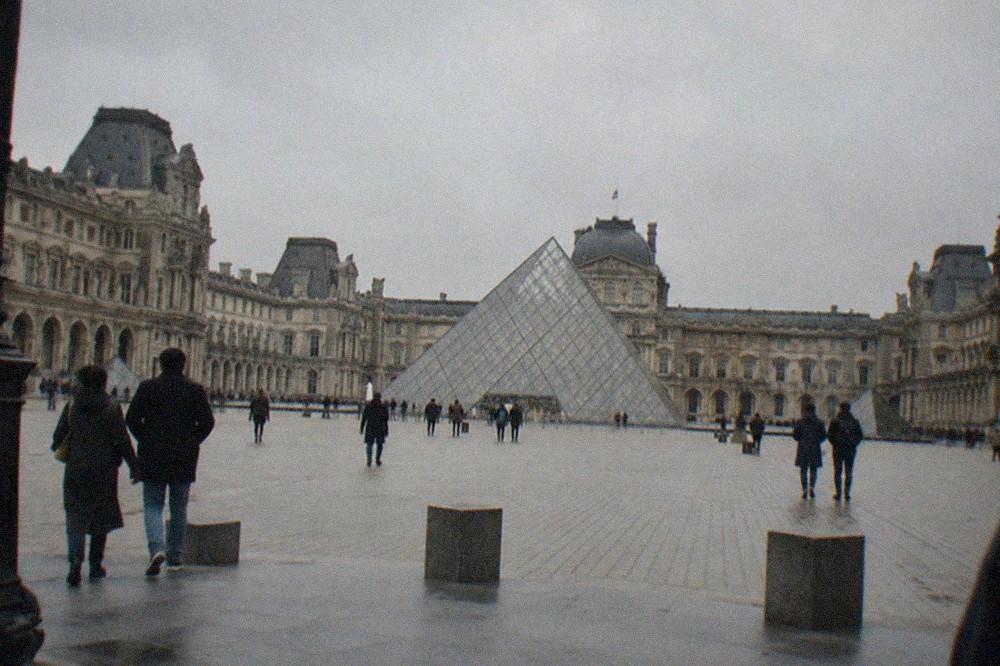
The district's logic is royal, not municipal. The Louvre palace and the Tuileries were once a single uninterrupted palace complex facing the Seine; the garden is what survived the fire that destroyed the Tuileries palace during the Paris Commune. When you walk from the pyramid through the Tuileries to the Concorde gate, you are walking the palace's own former ground floor. The Orangerie, a former orangery turned into a picture gallery, sits at the garden's far western corner, and Orsay's Belle Époque railway station faces it directly across the river. The axis was built as one royal gesture, which is why it reads so well as one museum walk today.
The collections divide by period, and that division is what makes sequencing matter. The Louvre covers antiquity through the mid-19th century: Egyptian antiquities, Greek and Roman sculpture, Italian Renaissance painting, French masters. Orsay picks up precisely where the Louvre stops, running from the middle of the 19th century to the eve of the First World War, which is Impressionism, Post-Impressionism and the birth of modern art. The Orangerie is the smallest of the three and holds Monet's Nymphéas cycle in two oval rooms built for it, plus a strong late-19th-century collection. Walking the district from east to west is walking art history forwards in time.
For first-time visitors, the practical reading is this: the Louvre is the one you plan around, Orsay is the one that rewards planning least, and the Orangerie is the one that fits into a gap between the other two. Our overview of the best museums in Paris places all three in context if you are deciding beyond this district.
How Far Apart Are The Louvre, The Tuileries And The Orangerie?
The Louvre and the Orangerie stand at opposite ends of the Jardin des Tuileries, about fifteen minutes apart on foot through the garden itself, with the whole walk inside one continuous public space. The Orangerie and the Musée d'Orsay face each other across the Seine, a short walk over the Pont Royal, putting all three museums within a twenty minute walk of each other.
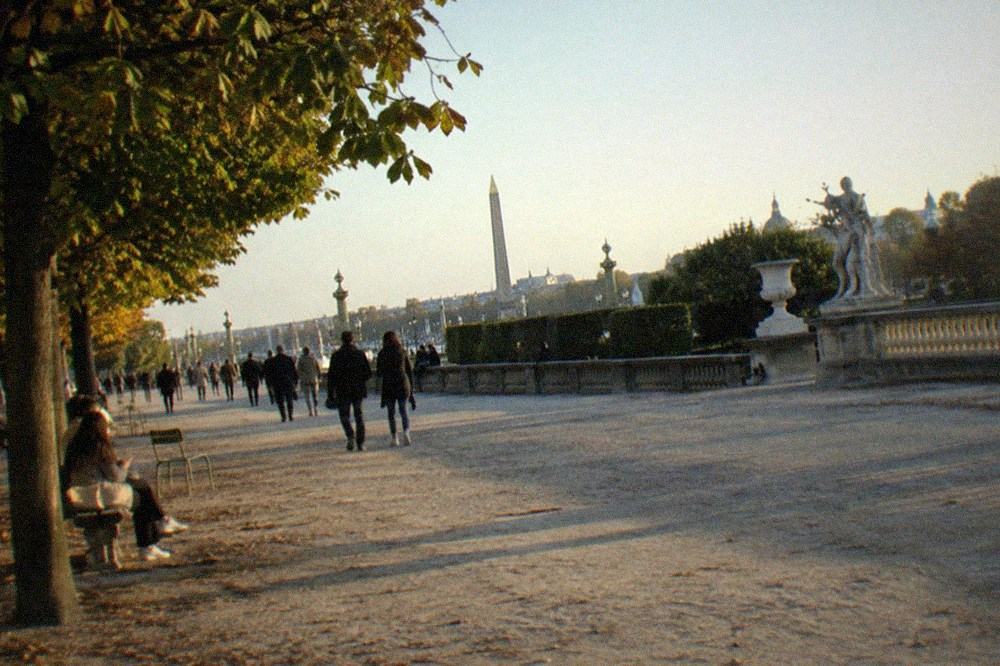
The walk deserves its own planning because it is not dead time. The Tuileries is a formal French garden with gravel paths, two large basins, free green chairs and, in season, the Jeu de Paume gallery near the Orangerie's corner. Most people who rush between the Louvre and the Orangerie miss that the garden is one of the few places in central Paris where sitting down costs nothing and the views run unbroken from the pyramid to the Concorde obelisk. Reviewers consistently say the garden between visits is what saves the Louvre day from becoming a museum marathon.
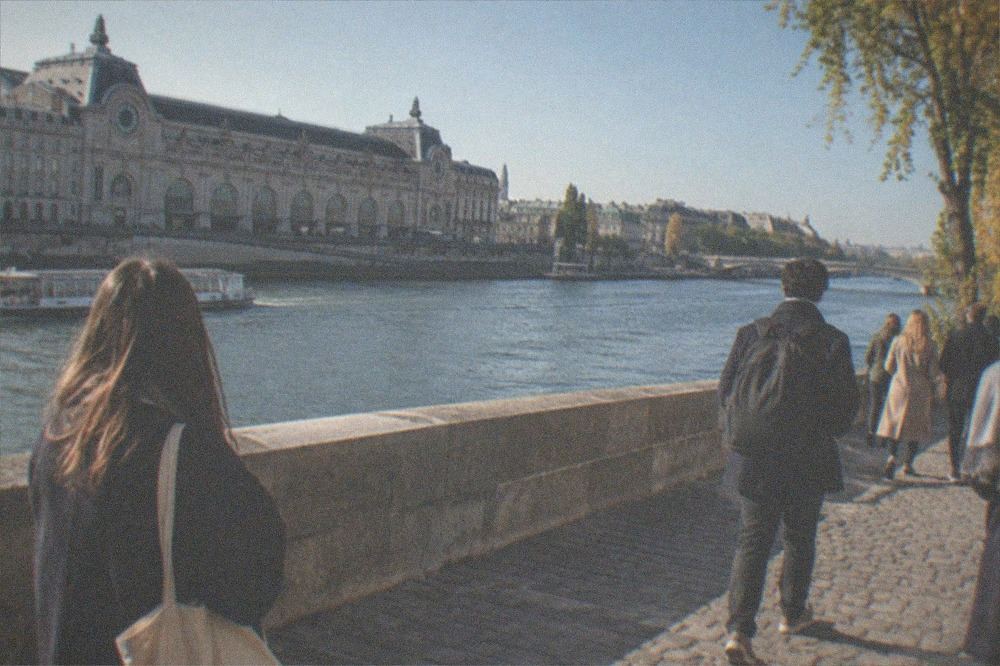
The Seine crossing is the district's second act. From the Orangerie you cross the Pont Royal, the oldest bridge in Paris after the Pont Neuf, and the Musée d'Orsay's stone facade rises immediately on the far bank with its famous clocks facing the river. There is no métro ride worth taking inside this district; the walk is shorter than most transfers, and the entrance queue at Orsay is organized by ticket category on the plaza outside regardless.
A practical sequencing note that falls out of the geography: the Louvre is the only one of the three that opens early and swallows half a day, so it belongs first in any walking order, with the Orangerie as the mid-afternoon stop and Orsay either the same afternoon or the following day. Booked tickets for all three can be arranged through the operators' live listings:
The order above is deliberate: the Louvre ticket is the one with the tightest timed-entry rule, Orsay's is the cheapest of the three, and the Orangerie's is the one most people combine with the Louvre in a single day. Our comparison of the Louvre versus the Musée d'Orsay goes deeper on which collection suits which visitor if the walking order is still open.
What Order Should You Visit The Three Museums In?
Visit the Louvre first in the morning, walk the Tuileries to the Orangerie for mid-afternoon, and give the Musée d'Orsay either a second morning or the same afternoon only if you accept a compressed visit. The closed days decide everything: the Orangerie and Louvre shut Tuesday, Orsay shuts Monday, so Wednesday onward is the only window where a two-day sequence works without disruption.
The two-day sequence that works for almost everyone is Louvre and Orangerie on day one, Orsay on day two. The reason is fatigue, not distance. The Louvre is a full half-day even with a tight plan, and the Orangerie is deliberately small, built around two oval rooms of Monet's Nymphéas that most visitors cover in well under an hour. They pair naturally: one enormous, one intimate, connected by a walk that doubles as the rest between them. Orsay on the second morning, fresh, is a different and better museum than Orsay at 5pm after six hours of the Louvre.
The single-day version is possible but demands honesty about what gets cut. A realistic one-day plan is the Orangerie at opening, the Tuileries walk, the Louvre from late morning with a pre-booked timed slot, and Orsay either skipped or visited only for its highlights before the 6pm close. What does not work is the reverse: the Louvre last, in the evening, on a day that started at Orsay, because the Louvre's timed slots for late afternoon are the ones that sell out first and the Orangerie's small rooms feel thin as a finale.
There is one sequencing trick that costs nothing: the Musée Eugène-Delacroix. A Louvre ticket also admits you to the Delacroix museum on the same or the next day, and the Delacroix museum sits on the Left Bank in Saint-Germain, a short walk from Orsay itself. The obvious play is a Tuesday Louvre visit followed by a Wednesday Orsay morning, with the Delacroix studio squeezed between them on the Wednesday using the previous day's Louvre ticket. The Louvre's own admission page states the same-day-or-next-day rule plainly: the ticket's terms on louvre.fr are the source for it.
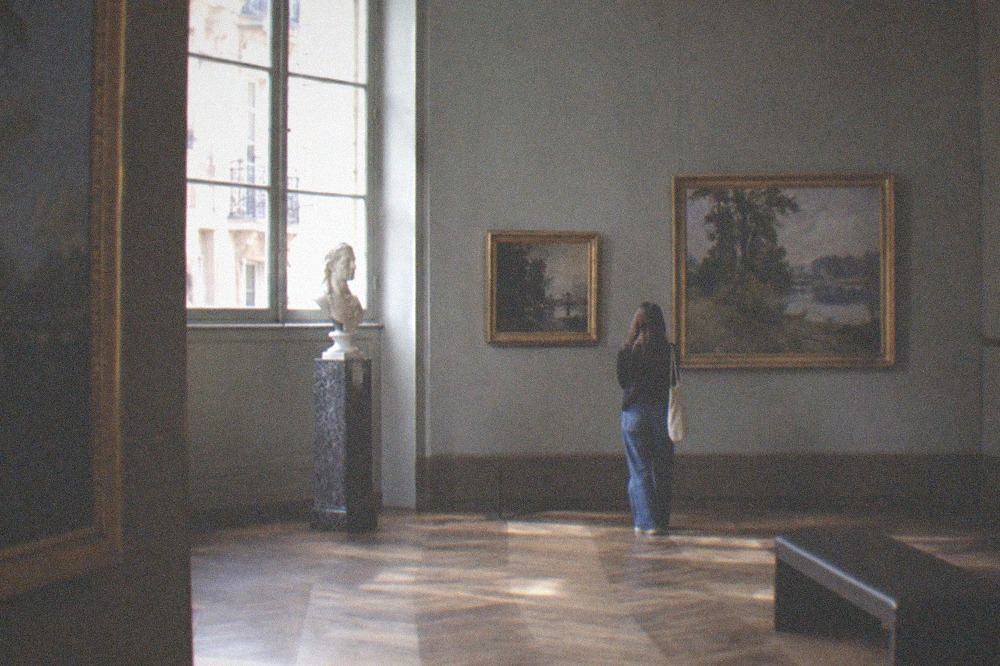
If a week's planning is on the table, our three-day Paris museum itinerary builds the district into a wider route that also accounts for Monday closures across the whole city.
The Louvre is the anchor of the whole district and the one visit where a booked, timed slot changes the day completely. Walk-up entry is not available at any price, so the ticket is worth settling before the rest of the itinerary locks.
Which Closed Day Ruins Which Plan?
The Musée d'Orsay is closed Monday, and both the Louvre and the Musée de l'Orangerie are closed Tuesday. That means Monday kills Orsay and Tuesday kills the other two, so Wednesday through Sunday is the only stretch where a full two-day district plan runs clean, and no single day of the week opens all three.
This is the single most expensive scheduling mistake in Paris, and it is worth spelling out per day. On Monday, the district offers only the Louvre and the Orangerie; Orsay's doors are shut. On Tuesday, the offer flips: only Orsay is open. A traveller who arrives Monday afternoon, sleeps, and heads out Tuesday morning to "do the Louvre and Orsay together" will find the Louvre dark, and this happens constantly because most people assume the big national museums share one closure day. They do not, and the split is structural: the Louvre and the Orangerie sit in the national camp that closes Tuesday, Orsay sits in the camp that closes Monday.
The Orangerie is the flexible one in this arithmetic. Because it is small and pairs with either of the big two, it can be slotted onto a Monday Louvre day or a Wednesday Orsay day without straining either. Its free first Sunday of the month carries the same caveat as its paid days: an obligatory timed reservation, so the free slot has to be booked rather than simply walked into.
Two edge rules sharpen the picture. The Louvre has no free first Sunday at all: it is free the first Friday of the month after 6pm, except in July and August, and on 14 July, as the Louvre's hours page states. The Musée d'Orsay is free the first Sunday of every month all year, but the free slot has to be booked. Neither rule changes the closed days, but both change which day you might choose to stretch a tight budget.
| Museum | Closed day | Timed entry | Free window |
|---|---|---|---|
| Musée du Louvre | Tuesday | Compulsory | First Friday after 6pm, except July and August, plus 14 July |
| Musée de l'Orangerie | Tuesday | Compulsory | First Sunday of the month, timed reservation needed |
| Musée d'Orsay | Monday | Compulsory | First Sunday of the month, online booking needed |
One more wrinkle for summer planners: the district's two Tuesday closures mean a long weekend that ends Monday gives you Orsay only on the final day. Flip the trip and it gives you the Louvre and the Orangerie. The museum that is open when your time runs out is the one that should open the trip.
How Much Do Tickets Cost For Each Museum?
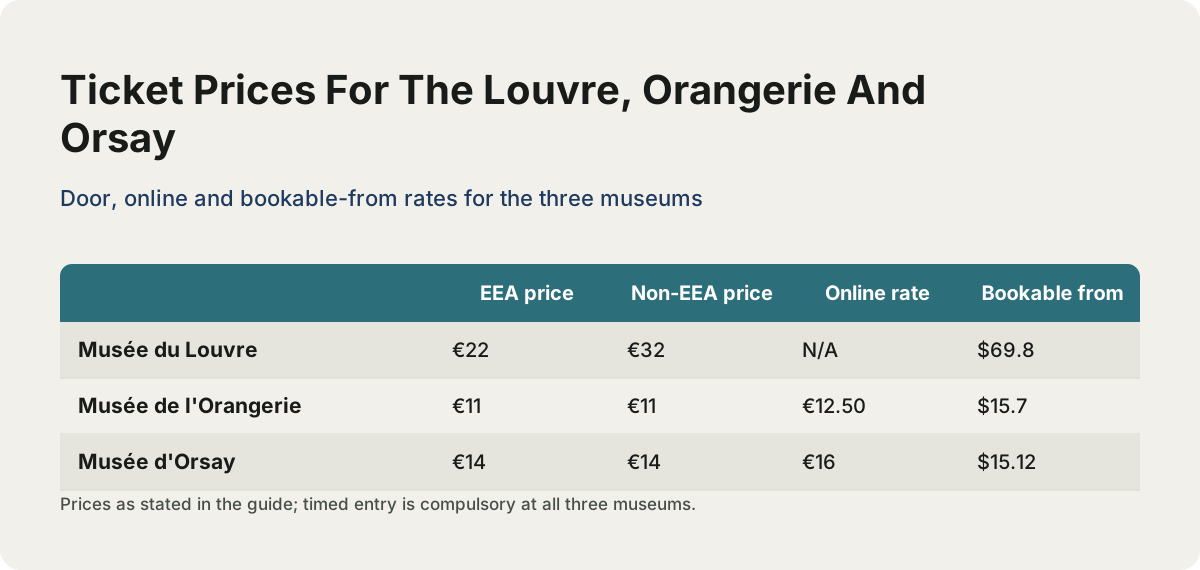
The Louvre charges €32 at the door for visitors from outside the EEA and €22 for EEA visitors, the Musée d'Orsay charges €16 booked online against €14 bought at the museum, and the Musée de l'Orangerie charges €12.50 online against €11 at the museum. All three require timed entry, and booking from-prices start at $15.12 for Orsay, $15.7 for the Orangerie and $69.8 for the Louvre.
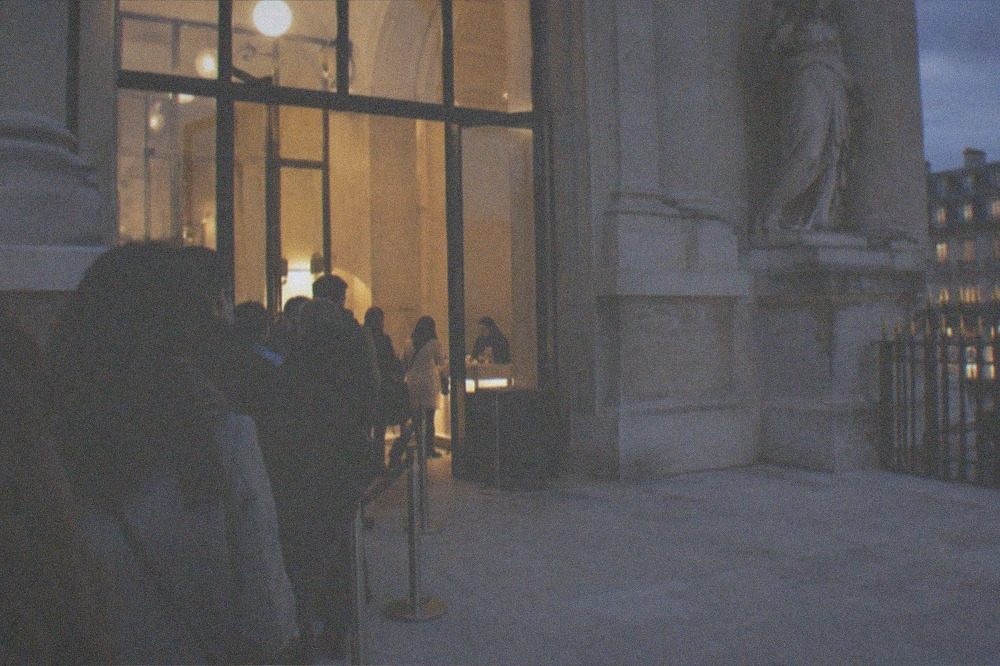
The two-tier Louvre price is the district's sharpest fact: the museum now charges €22 for EEA visitors and €32 for everyone else, and the split is in force, not announced. It is worth checking before budgeting, because the €10 gap is the largest single price difference between two categories of visitor anywhere in this district. The same two-tier shape appears at Sainte-Chapelle and the Palais Garnier, so it is a pattern across Paris's state institutions rather than a one-off. Everything else covered here is indexed on Paris Museums.
The online-versus-door inversion at Orsay surprises people in the opposite direction. Booked online, the ticket costs €16; bought at the museum, it costs €14. The Orangerie shows the same shape at €12.50 online against €11 at the door. The reason is that both museums price a booking convenience into the online ticket, and since timed entry is compulsory at both, most visitors end up paying the online rate anyway. The door price at Orsay applies to the tickets sold at the museum for later slots, not to a walk-in.
Age and residency rules cut across all three. Under-18s are free at national museums with photo ID, and EU and EEA residents under 26 are free too, including holders of a long-stay permit or visa over four months. Residency is what is checked, not nationality, which matters for the €22 Louvre rate as well: a non-citizen resident of the EEA qualifies for both the free-under-26 rule and the lower adult rate. The city's own tariff structures, including the free museums of Paris, run on an entirely separate system that this district's three museums do not belong to.
| Museum | EEA price | Non-EEA / general price | Online rate | Bookable from |
|---|---|---|---|---|
| Musée du Louvre | €22 | €32 | N/A | $69.8 |
| Musée de l'Orangerie | €11 | €11 | €12.50 | $15.7 |
| Musée d'Orsay | €14 | €14 | €16 | $15.12 |
The Paris Museum Pass covers all three museums, but a pass does not get you into the Louvre without booking a separate free timed slot, and the same reservation condition applies to Orsay and the Orangerie. The pass also never covers temporary exhibitions, and its validity runs in hours from the first scan rather than calendar days. Our full Paris Museum Pass guide works out when €85 for two days pays off against these door prices.
Does A Louvre Ticket Include The Musée Delacroix?
Yes. A Louvre ticket admits you to the Musée Eugène-Delacroix on the same day or the next day, and the Delacroix museum stands in Saint-Germain, within a short walk of the Musée d'Orsay. The Delacroix museum's own admission is €9, so the inclusion is a real saving for anyone sequencing the district over two days.
This is the district's least-used rule. The Musée Eugène-Delacroix occupies the painter's final apartment and studio near Place de Furstenberg, a small Left Bank house museum a short walk from Orsay's plaza. Standalone entry is €9. The Louvre ticket's same-or-next-day inclusion means the natural play is a Tuesday Louvre day followed by a Wednesday that starts at the Delacroix studio on Tuesday's ticket, walks to Orsay, and finishes there. Two collections and a house museum for one Louvre admission.
Orsay deserves its own full half-day regardless of how the Delacroix bonus is arranged. Its collection is the bridge between the Louvre's old masters and everything modern: Manet, Monet, Van Gogh, Cézanne, Gauguin, the whole arc from the mid-19th century to the eve of the First World War. Visitors regularly report that Orsay feels more navigable than the Louvre despite comparable attendance, and its rating, 4.7 across 27,881 reviews, is the highest of the three.
The Delacroix pairing is also the answer to the district's one structural complaint: that a two-museum-per-day plan leaves no room for anything small. The Delacroix museum is small by design, it is closed Tuesday like its parent museum, and the combined Louvre-plus-Delacroix visit fits inside the same two-day window the closed-day calendar already forces on you.
Can You Do The Louvre, The Orangerie And Orsay In One Day?
All three in one day is possible on Wednesday through Sunday, but only in one order: the Orangerie at opening, the Tuileries walk, the Louvre at a booked midday slot, and a late-afternoon Orsay visit. Expect the Louvre and Orsay compressed, the Orangerie intact, and a very full day of standing.
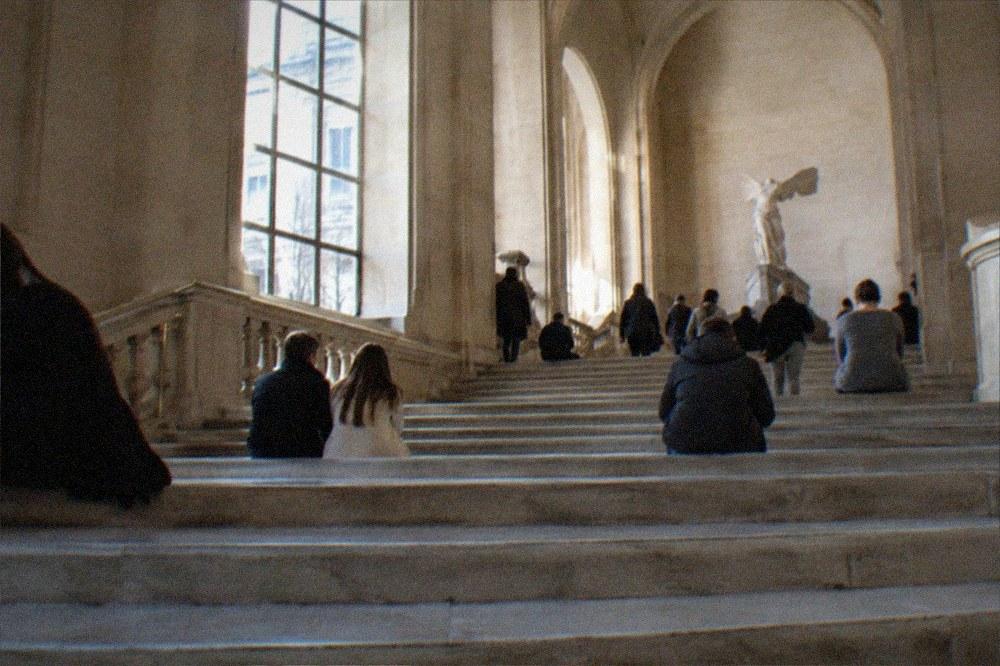
The order above is not preference, it is geometry and slot logistics. The Orangerie opens early, empties by mid-morning as tour groups shift to the Louvre, and takes under an hour to do well. The Tuileries walk between it and the Louvre is the day's only built-in rest. The Louvre needs a booked timed slot, and midday slots are the ones most likely to be available late. Orsay's evening hours make it the only one of the three that can absorb a 5pm arrival, and its impressionist floor rewards even a tired ninety minutes.
What the one-day plan genuinely costs is depth at the two big museums. The Louvre in three hours means choosing between the Denon wing's Italian paintings and the Richelieu wing's northern schools, not both. Orsay in two hours means the Impressionist gallery on the fifth floor and the Post-Impressionist rooms, with the decorative arts and the sculpture terrace left for another trip. Reviewers consistently say the three-museum day is a highlight rush, and our own reading of the collections agrees: it works as a survey, not as a visit.
For anyone with even one extra half-day, the split plan from the sequencing section above is better in every dimension except bragging rights. The three-museum day is also the one plan where a Paris Museum Pass saves real money on paper, since the pass covers all three, but the reservation rule still applies to every one of the three, so pass holders book the same slots as everyone else.
The Louvre is the keystone of any version of this plan, single day or two. Its timed slots sell out ahead of peak dates, and its two-tier pricing, €22 within the EEA and €32 outside it, is worth knowing before the budget is set.
What Else Sits Inside The Museum District?
Beyond the three majors, the district holds the Jardin des Tuileries, the Jeu de Paume, the Place de la Concorde, the Pont Royal crossing and the Musée Eugène-Delacroix just beyond Orsay, plus the Musée des Arts Décoratifs inside the Louvre's west wing. None of the extras require leaving the twenty minute walking axis.
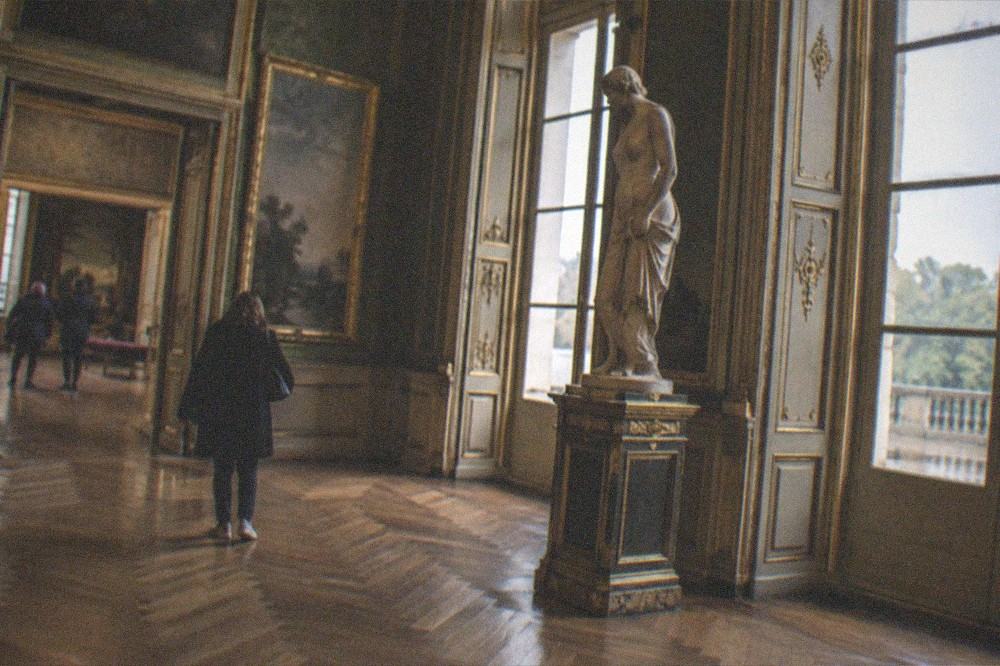
The Musée des Arts Décoratifs is the district's best-kept secret because it shares the Louvre's building without sharing its crowds. It is housed in the Marsan wing of the Palais du Louvre, entered from the Rue de Rivoli side, and it covers decorative arts from the Middle Ages to the present. Its adult price was not published where we could read it, so say nothing rather than guess. It is closed Monday, which places it in Orsay's closure camp and makes it a Monday substitute for the district's other museums.
The Jeu de Paume, at the Orangerie's corner of the Tuileries, is a contemporary photography and image museum in the old royal tennis hall. It is small, ticketed per exhibition, and a natural bridge on the walk between the Concorde end of the garden and the Orangerie queue. The Place de la Concorde itself, the district's western gate, costs nothing and holds the obelisk and the fountains; it is the pivot where a Left Bank plan crosses to Orsay or a city plan turns toward the Champs-Élysées.
| District stop | What it is | Entry | Best slot in the day |
|---|---|---|---|
| Jardin des Tuileries | Formal royal garden, the walk itself | Free | Between the Louvre and the Orangerie |
| Place de la Concorde | Obelisk and fountains, the district's west gate | Free | On the way to the Pont Royal |
| Musée des Arts Décoratifs | Decorative arts in the Louvre's Marsan wing | Ticketed, price not published where we could read it | Monday, when Orsay is shut |
| Jeu de Paume | Photography and image exhibitions in the old tennis hall | Ticketed per exhibition | Mid-morning, before the Orangerie queue |
| Musée Eugène-Delacroix | The painter's last apartment and studio, Saint-Germain | €9, or included with a Louvre ticket same or next day | Wednesday morning, on a Tuesday Louvre ticket |
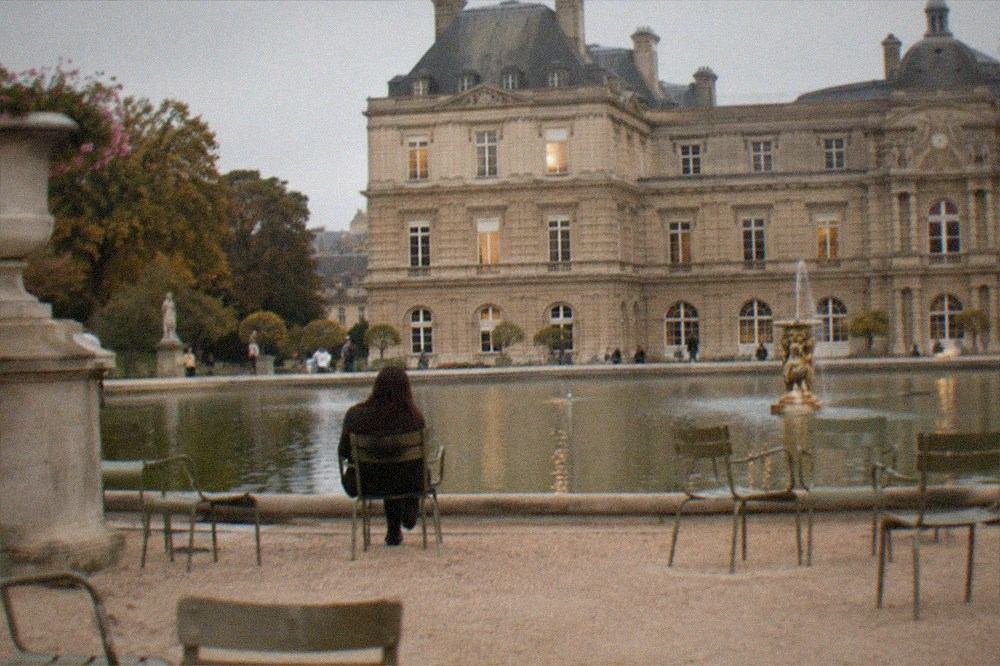
Two useful safety nets sit just outside the axis. The Conciergerie and Sainte-Chapelle on the Île de la Cité are a short walk east of the Louvre along the Seine, both CMN monuments with timed entry and the same first-Sunday seasonal free rule, January to March and November to December only. And if the weather turns, this district is unusually weatherproof: every museum on the page except the garden is indoors within minutes of each other, which makes it the plan our rainy day museums in Paris roundup keeps recommending.
Booking-wise, all three district majors can be arranged from a single evening of planning:
Whichever order you walk the district, the sequencing rule that matters most is the one the closed days impose: Louvre and Orangerie together on any day but Tuesday, Orsay alone or with Delacroix on any day but Monday, and the Tuileries as the free connector that makes the whole thing feel like one palace rather than three queues.
Common Questions About The Paris Museum District
What is the museum district in Paris?
The museum district is the strip running from the Palais du Louvre through the Jardin des Tuileries to the Musée de l'Orangerie, then across the Seine to the Musée d'Orsay. All three museums sit within a twenty minute walk of each other.
Can you visit the Louvre, the Orangerie and the Musée d'Orsay in one day?
Yes, on Wednesday through Sunday, in the order Orangerie at opening, Tuileries walk, Louvre at a booked midday slot, then Orsay in the late afternoon. Expect the two big museums compressed.
Which day are all three museums open?
Wednesday through Sunday. The Musée d'Orsay closes Monday, and both the Louvre and the Musée de l'Orangerie close Tuesday, so no single day of the week opens all three together at the start of the week.
How far is the Louvre from the Musée d'Orsay?
The two museums sit at opposite ends of the district, about twenty minutes apart on foot, either through the Tuileries and across the Pont Royal or along the Seine quays. There is no métro journey inside the district worth taking.
How much do the three museums cost?
The Louvre charges €22 for EEA visitors and €32 for everyone else. Orsay charges €14 at the museum and €16 booked online. The Orangerie charges €11 at the museum and €12.50 online. All three require timed entry.
Does a Louvre ticket include the Musée Delacroix?
Yes. A Louvre ticket admits you to the Musée Eugène-Delacroix on the same day or the next day, and the Delacroix museum stands in Saint-Germain, a short walk from the Musée d'Orsay. Its standalone admission is €9.
Is the Tuileries garden free to walk through?
Yes, the Jardin des Tuileries is a free public park and the natural walking route between the Louvre and the Orangerie. It is the district's best free stop between two paid museums.
Do you need to book timed slots for all three museums?
Yes, timed entry is compulsory at the Louvre, the Musée d'Orsay and the Musée de l'Orangerie, including on their free first-Sunday days. A Paris Museum Pass does not remove the reservation requirement at any of the three.