What Is The Musée Jacquemart-André Known For, And How Much Time Do You Need?
The Musée Jacquemart-André is a collector's mansion on boulevard Haussmann, open every day of the week, €19 at the door, with most visits running between ninety minutes and two hours.
What Is The Musée Jacquemart-André Known For, And How Much Time Do You Need?
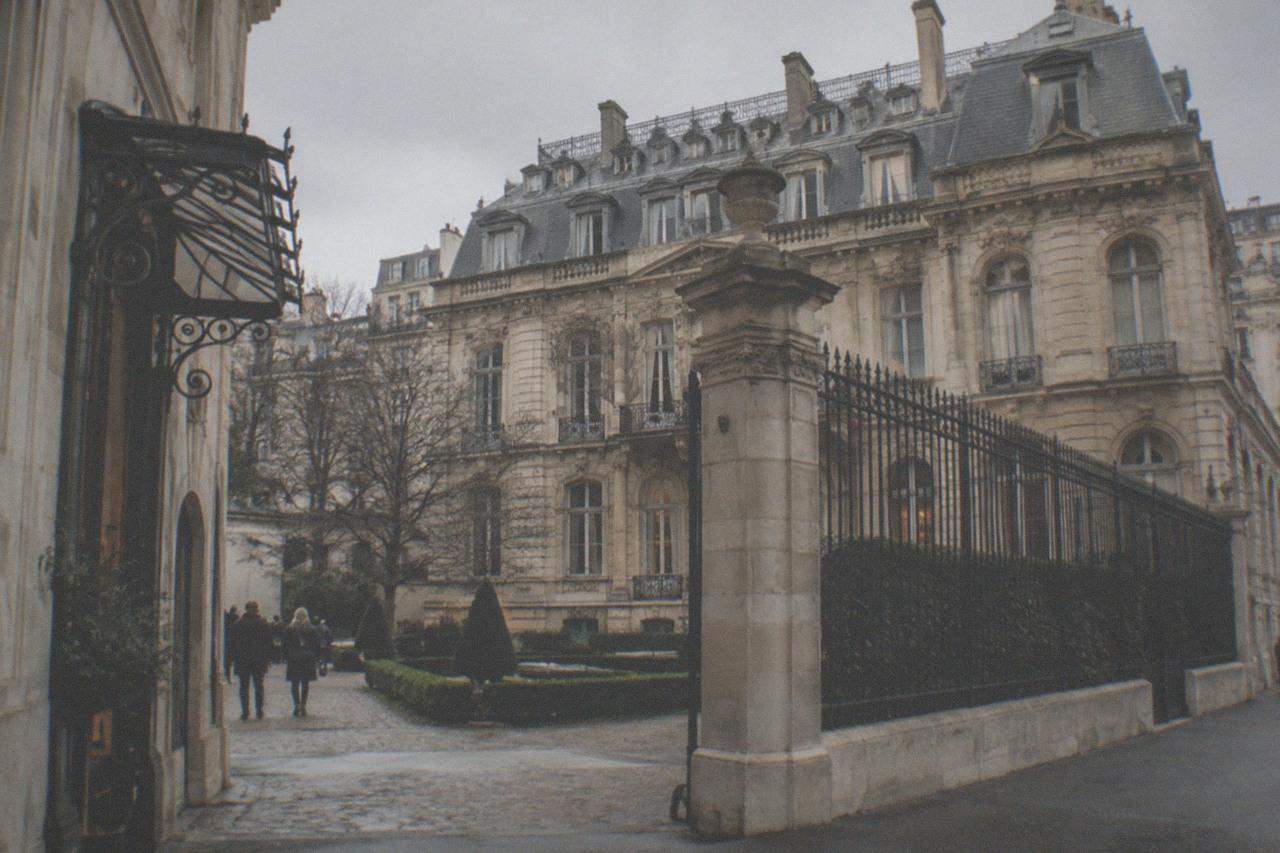
The Musée Jacquemart-André is known as one of the great house museums of Paris: the preserved mansion of a banker-collector and his painter wife on boulevard Haussmann, hung with Italian Renaissance and 18th-century French art. Entry is €19 with a compulsory timed slot, the museum opens every day of the week, and most visits run between ninety minutes and two hours.
The museum exists because of a marriage of two obsessions. Édouard André, heir to a Protestant banking fortune, spent his inheritance buying paintings rather than living quietly on it. Nélie Jacquemart, a successful society portrait painter, shared the appetite, and the two of them devoted their married life to collecting on a scale that filled a purpose-built mansion. The house on boulevard Haussmann was designed from the start as a home for the collection, with galleries and state rooms arranged to be walked through in sequence. When Nélie died, the mansion and everything in it passed to the Institut de France, which opened it to the public as a museum.
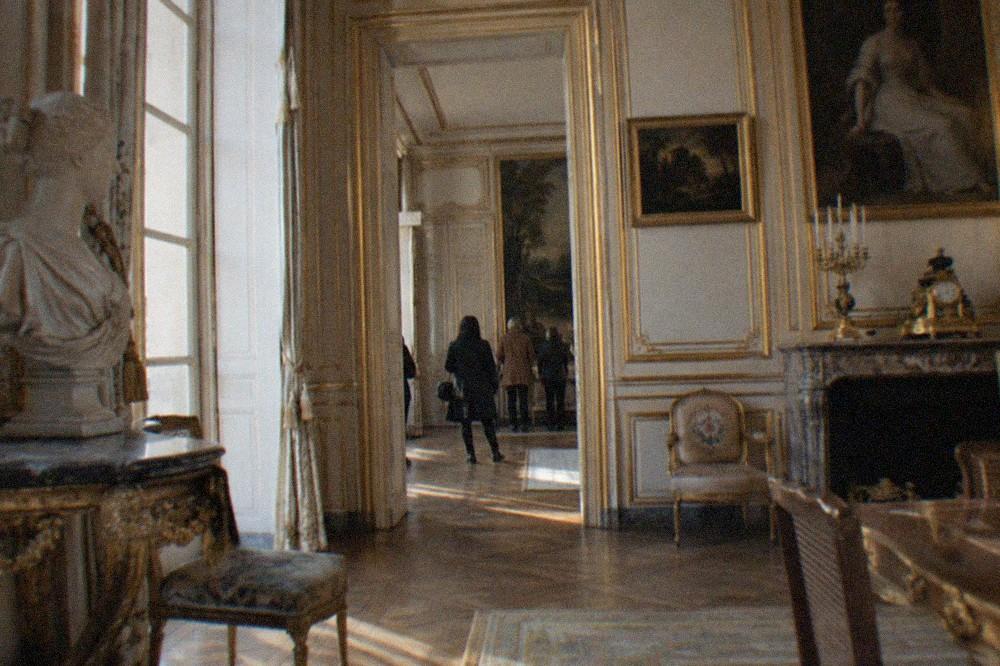
That origin explains what the visit feels like. This is not a museum that was installed in a palace after the fact. The furniture, the panelling, the tapestries hung on the walls and the paintings hung above the fireplaces sit where a household arranged them, and the route through the building is the route the family's guests would have walked. Reviewers consistently describe it as the closest thing Paris offers to being invited into a private 19th-century collection, and that reputation is the single biggest reason the address keeps drawing visitors back to the 8th arrondissement.
The practical facts are unusually clean for Paris. The museum charges €19 at the door, the same price a bookable skip-the-line ticket carries, and it is one of the few major museums in the city that opens every single day of the week. Timed entry is compulsory, which means the crowds inside arrive in controlled waves rather than as a single crush. It carries a 4.7 rating across 2,677 reviews, a score consistent with the tier of the Orsay and the Arc de Triomphe, and it holds that score while being far smaller than either.
| Planning fact | Detail |
|---|---|
| Address | 158 boulevard Haussmann, 8th arrondissement |
| Door price | €19 |
| Bookable ticket | €19, skip-the-line with a timed slot |
| Closed day | None, open daily |
| Timed entry | Compulsory |
| Rating | 4.7 across 2,677 reviews |
| Paris Museum Pass | Not covered |
For planning purposes, treat the visit as a half-block of a day rather than a drive-by. The mansion rewards slow looking, most visitors report needing about an hour and a half to two hours inside, and the tearoom adds waiting time that has a way of becoming the part of the visit people talk about afterwards. Our own shortlist of the best museums in Paris puts the house-museum category in context if you are weighing it against the Louvre-scale institutions.
What Is Actually Inside The Mansion?
The permanent collection inside is the couple's own: Italian Renaissance painting and sculpture, 18th-century French art and decorative work, displayed across a suite of state rooms, a grand staircase and intimate private apartments. The layout preserves the house as it was lived in, and a visit walks the same route from the formal reception rooms through to the private quarters.
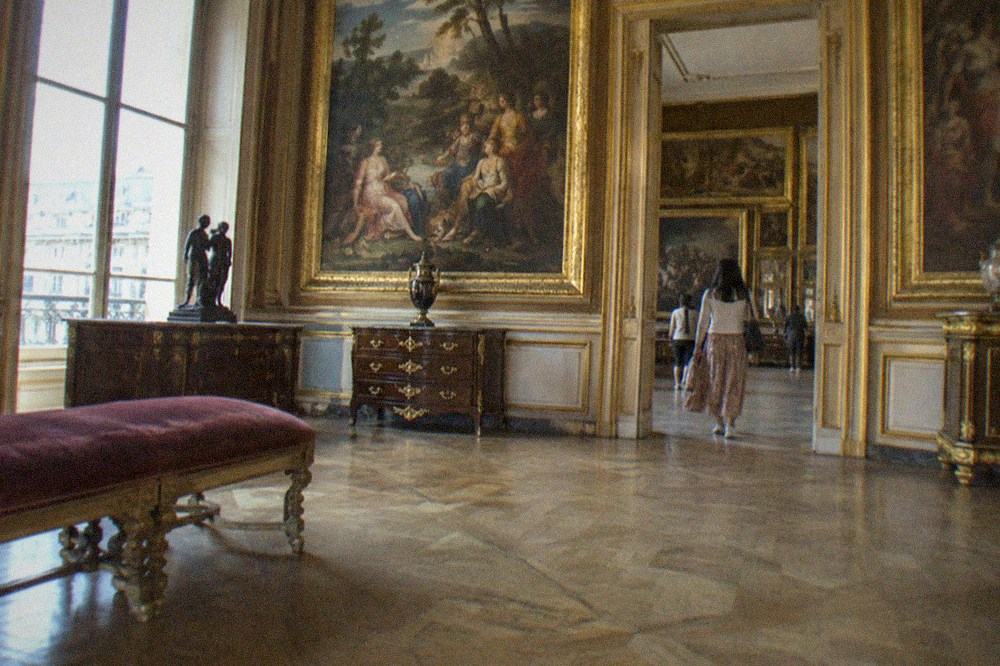
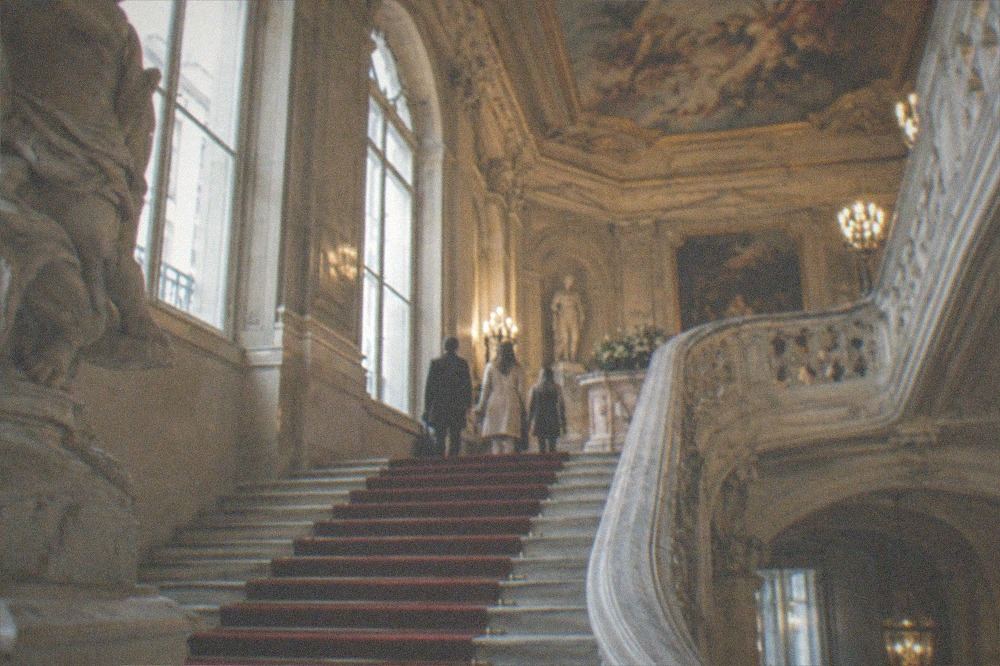
The Italian holdings are the heart of the collection. The Andrés bought Venetian and Florentine work at a scale few private buyers of their era matched, and the Italian gallery presents it in a room built to show it off, with sculpture and panelling working together rather than paintings hung on a neutral wall. The grand staircase is the set piece visitors remember: a sweeping double flight rising through the heart of the house, with a painted ceiling overhead that the couple brought in as part of the interior scheme. Guides to the house routinely single out that staircase and the ceiling above it as the moment the visit turns from a museum walk into an event.
The French side of the collection fills the 18th-century rooms, where painting, furniture and decorative objects sit together in period settings. This is the part of the museum that rewards visitors who like their art in context. Nothing here is displayed behind glass on a white wall. Rooms are dressed as rooms, and the effect is closer to walking a private château than reading labels.
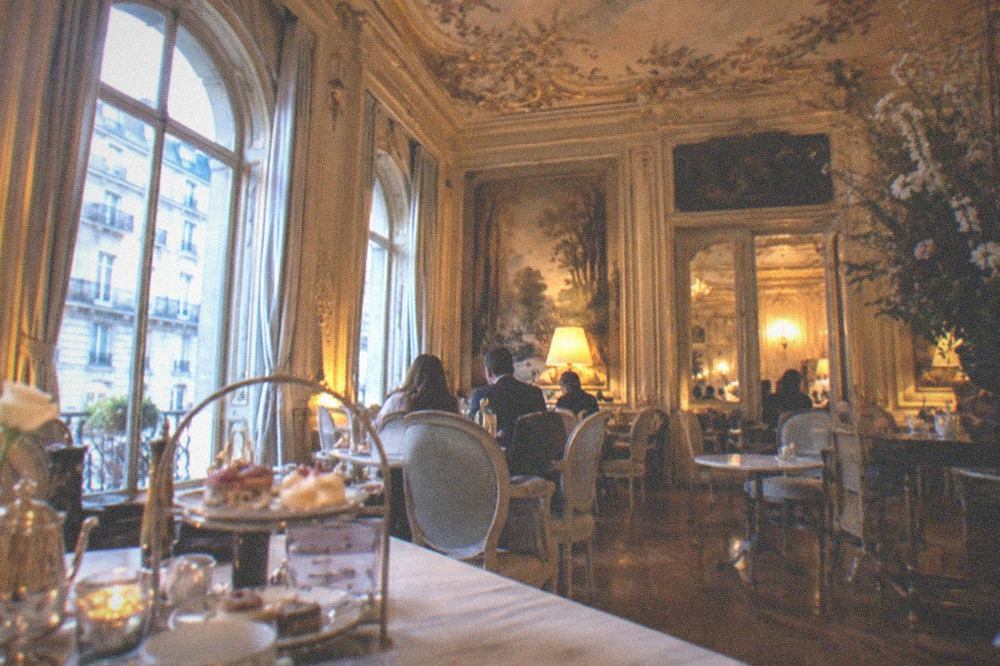
Beyond the collections, two features define the experience for most visitors. The first is the state of preservation: the mansion survived as a single coherent interior, which is rare, and it shows. The second is the tearoom, installed in the former dining room under its painted ceiling. It is a full service tearoom, not a coffee machine in a corner, and it is genuinely popular, which is both a recommendation and a warning: at peak hours the wait for a table can run long. Budget for it if you want it, and skip it if your schedule is tight, because the collection itself does not depend on it.
If you are the kind of visitor who enjoys houses over institutions, the free city museums make good companions on the same trip. The Marais history collections at the Musée Carnavalet offer the other classic Paris house-museum experience, free of charge, though their permanent galleries close on Mondays where the Jacquemart-André does not close at all.
How Much Does A Ticket Cost, And Who Gets In Free?
A full-rate ticket costs €19, whether bought at the door or as a timed skip-the-line ticket in advance. There is no free day at the museum, the Paris Museum Pass does not cover it, and the state free-entry rules for under-18s and EU or EEA residents under 26 do not apply to this privately run house.
The pricing is flat in a way that almost nothing else in Paris is. One price, €19, buys the visit, and the bookable version of the ticket costs the same as the door. That symmetry matters because timed entry is compulsory: even a visitor planning to pay at the door is really planning around slot availability. On quiet weekday afternoons a same-day slot is usually realistic, and the museum's own practical information page publishes the current opening hours and booking terms. On weekends and during a headline exhibition, the better slots go days ahead.
Who gets in free is a shorter answer than at the national museums. The under-18 and under-26 rules that make state collections cheap for young visitors are state schemes, and this house is not part of them. There is no first-Sunday arrangement, no free evening, no seasonal window. If a guide promises you free entry here, it is confusing the museum with the city network, which is an easy mistake to make and an expensive one to act on.
| Option | Price | Notes |
|---|---|---|
| Door ticket | €19 | Full rate, timed slot still compulsory |
| Bookable skip-the-line ticket | €19 | Same price, slot held in advance |
| Paris Museum Pass | Not covered | The house is on the pass exclusion list |
| Free entry | None | No free day, no age or residency scheme |
The pass exclusion is the detail worth dwelling on, because the pass site lists dozens of museums and this is not one of them. Anyone building a Paris week around the official pass price list needs to know that this house buys nothing there, and that the ticket has to be bought on its own terms. That is the honest reason a timed skip-the-line booking on the Jacquemart-André ticket page is the one purchase this article exists to funnel: there is no bundle, no discount card and no workaround that makes it cheaper.
How Long Should You Allow For The Visit?
Plan on ninety minutes to two hours inside the mansion itself, with the tearoom adding thirty minutes or more if you want to sit. The timed slot caps the queueing, so the visit length is set by how much of the collection you want to read, linger over and revisit, not by waiting at the door.
Two hours is the number to plan around, and it holds up because of how the house is structured. The route is linear, moving from the formal rooms through the galleries to the private apartments, and a steady walk with pauses at the works that catch you runs about ninety minutes. Visitors who read the room sheets closely, or who arrive during a temporary exhibition filling part of the floor, push toward two and a half. Anyone treating it as a quick stop between the Arc de Triomphe and a lunch reservation will find forty-five rushed minutes possible but thin, and the reviews suggest most people regret the rush. Everything else covered here is indexed on Paris Museums.
The tearoom is the great variable. It is a destination in its own right for a good share of the museum's visitors, and tables turn slowly under a painted ceiling that people photograph before they order. If the tearoom is part of your plan, arrive on an early slot and treat the visit as a morning: the collection first, at the pace it deserves, then the table as the reward. If it is not, an afternoon slot works well, and the exit drops you straight onto boulevard Haussmann with the rest of the 8th arrondissement around you.
A practical way to frame the timing: this is a morning-sized museum, not a day-sized one. Pair it with something else in the same district. The Parc Monceau is a short walk from the mansion and makes the natural cool-down, and the boulevard itself carries you west toward the Arc de Triomphe if the day is ambitious. Visitors regularly report that the comfortable pattern is the mansion in a mid-morning slot, the tearoom at noon, and a monument in the afternoon, with the whole thing still done before dinner.
Which Day Is The Museum Open, And When Is It Quietest?
The museum is open every day of the week, which sets it apart from almost every major collection in Paris: it never closes on a Monday or a Tuesday. The quietest visits are the first timed slots of the morning and the late-afternoon slots on weekdays, and the busiest are weekends and any day a headline exhibition is running.
The closed-day question is usually the first thing a Paris planner checks, and here the answer is a clean no. The Louvre and the Orangerie close Tuesdays. The Orsay, the Rodin, the Picasso, the Cluny and the whole free city network close Mondays. The Jacquemart-André closes on neither, which makes it the classic rescue museum for both dead days in the Paris week, and that fact alone fills its Monday and Tuesday slots with visitors whose first-choice museum is shut. Plan accordingly: those days are open, but they are not empty.
The open-daily fact has a second consequence that regular visitors point out. Because there is no closed day, there is no pent-up reopening crowd, and the week's rhythm is steadier than at a museum that compresses its demand into six days. Early slots are calm. The middle of the day fills. Late afternoon thins again, and the tearoom's pace follows the same curve with a lag, so a 4pm slot tends to give you both a quiet house and a table without much of a wait.
One caution belongs here even though it belongs to no calendar. The mansion is a private venue that also functions for events, and rooms can occasionally be closed for a private function without the whole museum shutting. The ticket terms on the museum's own site are the reliable word on what is open on the day you go, and a quick look the evening before costs nothing. That habit, plus a pre-booked slot, removes nearly all the ways this visit goes wrong.
How Does It Compare With Musée d'Orsay?
As a Paris art visit, the Jacquemart-André is intimate and domestic while the Musée d'Orsay is vast and institutional: €19 for a two-hour house against €16 for a half-day railway station full of Impressionists. They do not substitute for each other, and most visitors with time for both should do both, on different days and in different moods.
The Orsay is the natural comparison because it is the nearest alternative in scale of reputation, and the contrasts are stark. The Orsay's collection is a national holding, arranged by school and period in a building that was a train station, and a serious visit there is a half-day commitment with a crowd to match. The Jacquemart-André is one collector's eye, one household's interior, and a visit measured in rooms rather than wings. Reviewers of the Orsay, rated 4.7 across 27,881 reviews, describe exactly that grandeur; reviewers of the mansion, 4.7 across 2,677, describe intimacy. Same score, opposite experiences.
| Museum | Door price | Closed day | Rating |
|---|---|---|---|
| Musée Jacquemart-André | €19 | None | 4.7 across 2,677 reviews |
| Musée d'Orsay | €16 | Monday | 4.7 across 27,881 reviews |
| Arc de Triomphe | €22 | None | 4.7 across 37,709 reviews |
The closed days matter to the comparison more than anything else on the table. The Orsay shuts Mondays, and a Monday in Paris that finds the Orsay dark is precisely when the Jacquemart-André earns its place on an itinerary. The reverse pairing, the Louvre-shut Tuesday, works the same way. And when the question is not art but view, the Arc de Triomphe fills the same open-daily slot in the 8th arrondissement's day: €22 at the door, no closed day, and one of the highest-rated visits in the city. The natural ambitious day puts Arc de Triomphe tickets in the afternoon behind a morning in the mansion, with the boulevard connecting them.
There is a case for treating the two art museums as a sequence rather than a choice. The Orsay answers the question of what French painting became; the Jacquemart-André answers the question of who was buying it and how they lived with it. Visitors who do the mansion first often report that the Orsay's works land differently afterwards, because the house shows you the domestic world that collected them. The Orsay's own rates page carries its current terms, and a timed Musée d'Orsay entry booking is the one to hold before you build the rest of a Paris week around it.
Common Questions About The Musée Jacquemart-André
What Is The Musée Jacquemart-André Known For, And How Much Time Do You Need?
It is known as a preserved collector's mansion on boulevard Haussmann, hung with Italian Renaissance and French 18th-century art, with a famous tearoom in the former dining room. A ticket is €19, timed entry is compulsory, and most visits run between ninety minutes and two hours.
Is the Musée Jacquemart-André included in the Paris Museum Pass?
No. The house is on the pass exclusion list, alongside the Eiffel Tower, the Catacombes, the Opéra Garnier and every Paris Musées city museum. There is no bundle that covers it, so the €19 ticket stands on its own.
Is the Musée Jacquemart-André open on Mondays?
Yes, and on Tuesdays too. The museum has no weekly closing day at all, which makes it a reliable option on the two days, Monday and Tuesday, when most major Paris museums shut one or the other.
Is there a free day at the Musée Jacquemart-André?
No. There is no first-Sunday arrangement, no free evening and no seasonal free window, and the state free-entry rules for under-18s and EU or EEA residents under 26 do not apply to this privately run house.
Can you buy tickets at the door?
Yes, at €19, but timed entry is compulsory, so a door purchase still depends on a slot being available. On weekends and during a headline exhibition the better slots go days ahead, which is why most visitors book the same-price skip-the-line ticket in advance.
How much time should you allow for the visit?
Plan ninety minutes to two hours for the collection itself. Add thirty minutes or more if you want a table at the tearoom, which is a full service room under a painted ceiling and genuinely popular at peak hours.
Is the Musée Jacquemart-André worth it if you have already seen the Louvre?
Most visitors say yes, and for a specific reason: it is the opposite experience. The Louvre is a national institution measured in wings, while this is one household's interior measured in rooms, where the furniture, panelling and paintings sit together as a family arranged them.