What Is The Musée Carnavalet Known For, And Is It Worth Visiting?
The Musée Carnavalet is the museum of the history of Paris, free to enter since December 2001 and closed on Mondays. Here is what it holds, what it costs, and how it compares with the paid history museums around it.
What Is The Musée Carnavalet Known For, And Is It Worth Visiting?
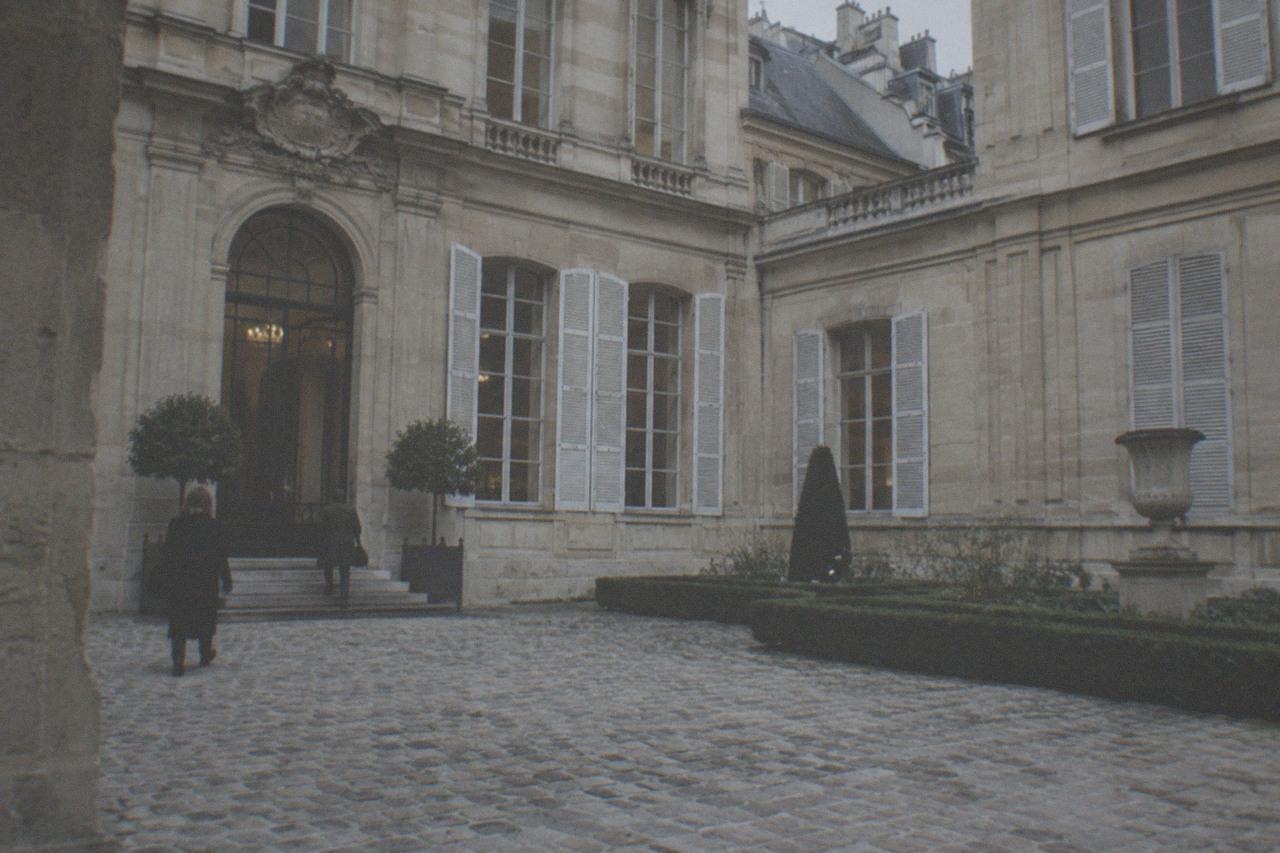
The Musée Carnavalet is the museum of the history of Paris itself, at 23 rue de Sévigné in the 3e arrondissement, and its permanent collection is free to everyone with no ticket, a rule in place since December 2001. It is worth visiting for anyone curious about how the city took shape, and it costs nothing beyond the time you give it.
That answer needs one line of honesty attached. The Musée Carnavalet sells no ticket on this site, and never has, because there is nothing to sell: the permanent collection is free at the door and no reseller product exists around it. When you want the current logistics, opening hours and exhibition programme, the museum's own pages are the source, and our Carnavalet museum fact page collects the verified details in one place.
What the museum is known for is a role no other institution in the city plays. The Louvre holds the art of the world. The Musée d'Orsay holds a century of painting. The Carnavalet holds Paris. Its full official name is Musée Carnavalet, Histoire de Paris, and that last part is the whole point of the place: the rooms are arranged to tell the story of the city, period by period, rather than to display a collecting strategy.
For visitors building a history itinerary, that creates a natural pairing with the paid museums in the same family of subjects. The Musée de l'Armée covers France's military history at Les Invalides with the Dôme and Napoleon's tomb included in the €17 ticket, the Musée de Cluny covers the medieval world at €14, and the Conciergerie covers the royal prison at €13. The Carnavalet is the free cornerstone among them.
The worth question answers itself once the price is zero. A museum that costs nothing is worth an hour of almost anyone's Paris time, and the Carnavalet rewards far more than an hour for visitors who arrive with the city's story already half-formed in their heads. The only real cost is planning around the right day, because Monday will catch you out.
What Can You Actually See Inside The Musée Carnavalet?
The permanent collection tells the story of Paris across its rooms, and that collection is what the free entry covers, no ticket and no booking. Temporary exhibitions run alongside it in separate spaces, and those are the parts that charge. The museum sits in the Marais, at 23 rue de Sévigné, inside the historic mansion setting the district is known for.
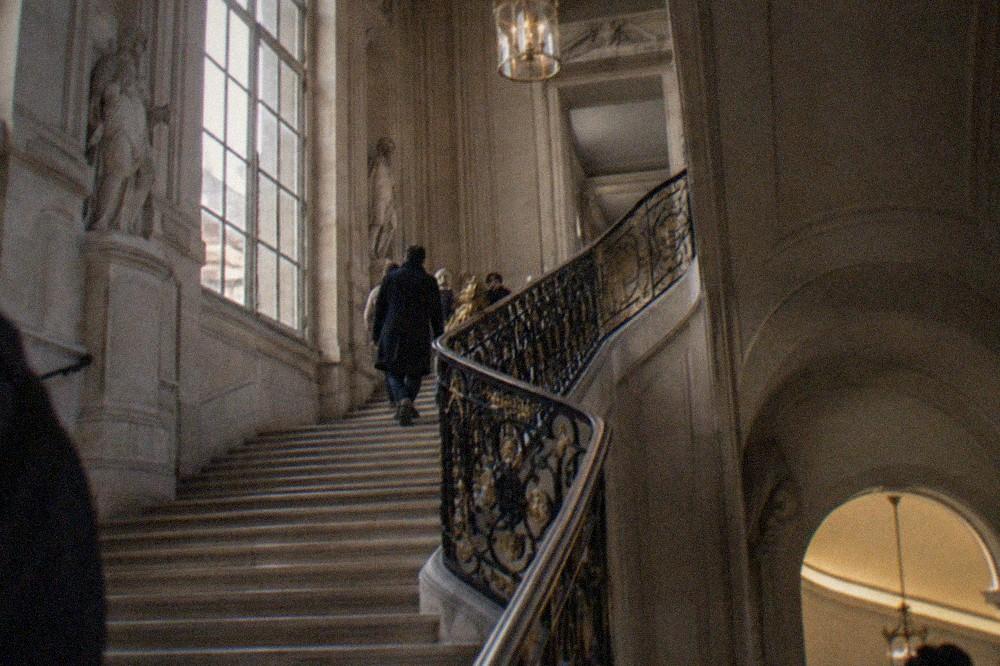
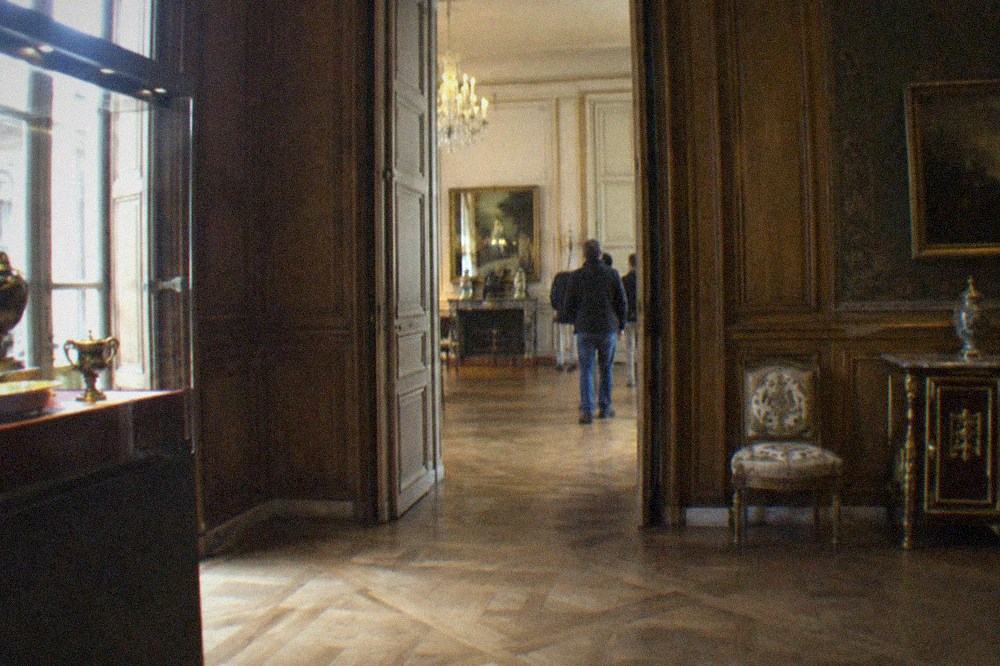
The honest way to describe the inside is by what the free door price buys. You walk in, you walk through the story of the city, and you leave without paying. The permanent galleries exist to carry that narrative: Paris as a place, across its periods, told through the objects and interiors the city kept for itself. That is a different proposition from the Louvre or the Musée d'Orsay, where the permanent collections are organised around art and its movements rather than around one city's biography.
The museum's own name carries the commitment. Histoire de Paris is not a subtitle the marketing department added; it is the institution's declared subject, and it shapes what you find on the walls. Where a national museum acquires for excellence, a city history museum acquires for testimony, and the difference shows in rooms that feel closer to an archive brought to life than to a gallery.
The practical split, free against ticketed, is worth setting out plainly before you go:
| Part of the Musée Carnavalet | What it costs | Notes |
|---|---|---|
| Permanent collection | Free | No ticket needed, no booking, since December 2001 |
| Temporary exhibitions | Ticketed | Priced per show, sold by the museum itself |
| Closed day | Monday | Same closure as most city museums |
| Address | 23 rue de Sévigné, 3e arrondissement | In the Marais |
One caution belongs here. Because the permanent collection is free, it is tempting to assume everything inside is. It is not, and the ticket desk for the exhibition of the moment is easy to walk past without noticing that a second, paying museum is operating inside the same walls. Decide before you arrive whether you are there for the free story of the city or for the show, because they are two separate visits in practice.
Why Does The Musée Carnavalet Cost Nothing To Visit?
The Musée Carnavalet is one of the eleven City of Paris museums whose permanent collections have been free to everyone since December 2001, under the city's own tariff policy. No condition applies: not age, not residency, not nationality, not a booked slot. The free rule covers the permanent collection only, and it is printed on the city's official tariffs page.
The policy is the city's, and the city states it plainly. The Paris Musées tariffs page confirms that access to the permanent collections of the city's museums has been free for all publics since December 2001, and the Carnavalet sits in that list without any caveat attached. Some of its sister museums carry printed exceptions: Maison de Balzac is free only outside exhibition periods, and the Musée Bourdelle, Musée Cognacq-Jay and Musée Zadkine are free only in part while a temporary show runs. The Carnavalet's entry in the list carries no such asterisk.
This is the system that trips up most visitors, because Paris runs two museum worlds with two different free rules and they do not overlap. City museums like the Carnavalet, the Petit Palais, the Musée d'Art Moderne de Paris, the Musée Cernuschi and the Musée de la Vie romantique are free every day they open, all year, no ticket. National museums, the state-run ones, are free only under conditions: mostly the first Sunday of the month, and for the national monuments run by the Centre des Monuments Nationaux, only from January to March and November to December.
The city system also has its paid exceptions, and they are worth knowing so the free rule is not overtrusted. Three Paris Musées sites have always charged: the Palais Galliera, the Catacombes de Paris at €31, and the Crypte archéologique, which is currently shut for conservation works. Any guide that tells you all the city museums are free is wrong by exactly those three.
For a deeper route through the free side of the city, our guide to the free museums in Paris breaks the whole landscape down venue by venue, with the caveats each one carries.
The contrast with the paid history museums is where a plan forms. If the Carnavalet gives you the city's story for nothing, the Musée de l'Armée gives you the nation's military story in extraordinary depth for €17, and that depth is the reason to pay it. Wondering whether the paid side of Paris history is worth booking ahead?
How Long Should You Allow For A Visit?
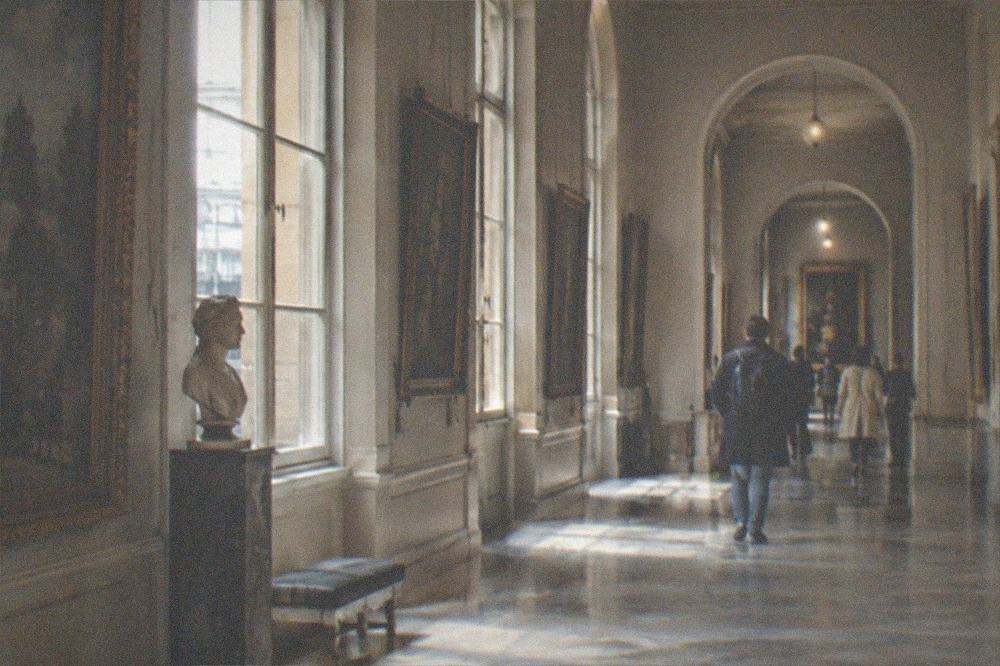
Treat the Musée Carnavalet as a half-day museum rather than a pop-in, and treat the temporary exhibition, if you add one, as a second visit stacked on the first. The permanent collection alone rewards a slow loop, and the free price means there is no sunk cost pushing you to rush. Most visitors land somewhere between a focused hour and a full afternoon.
That range is advice, not a promise, and it widens or narrows with interest. A visitor with a strong sense of the city's timeline can move through the narrative rooms quickly and still leave satisfied. A visitor meeting the story of Paris for the first time tends to slow down, because the free entry removes the pressure to extract value per minute that a €32 ticket quietly creates elsewhere.
The smart move is to leave slack in the day either side. The Carnavalet sits in the Marais, one of the most walkable districts in the city, and the museums around it are close enough that an over-run here eats an afternoon elsewhere. Build the plan loose, not locked.
If you are pairing the visit with a paid museum the same day, keep the Carnavalet first. Starting free and unhurried, then moving to a timed, ticketed site, reads the day better than the reverse, where a strict entry slot at the second museum curtails the first. It also means the decision about whether to buy the exhibition ticket at the Carnavalet gets made with the whole afternoon still in front of you rather than behind you.
Which Day Is The Musée Carnavalet Shut, And When Is It Open?
The Musée Carnavalet is closed on Mondays, in line with almost the entire city-museum network, and it opens the rest of the week. That Monday closure is the single most common planning failure around this museum, because visitors assume a free museum is always open. It is not, and Monday in Paris is the day free plans go to die.
The pattern is systematic, not incidental. The city camp closes Mondays: the Carnavalet, the Petit Palais, the Musée d'Art Moderne, the Musée Cernuschi, the Maison de Victor Hugo, the Maison de Balzac and the rest of the free Paris Musées houses, joined by the Musée d'Orsay, the Musée Rodin, the Musée Picasso, the Musée de Cluny and the Musée Marmottan Monet. The national camp closes Tuesdays instead, the Louvre and the Musée de l'Orangerie among them.
So a Monday in Paris is a day for the places that never shut, and there are more of them than most itineraries notice:
| Open daily, useful on a Monday | Door price | Closed day |
|---|---|---|
| Musée de l'Armée | €17 | None |
| Conciergerie | €13 | None |
| Sainte-Chapelle | €22 non-EEA, €16 EEA | None |
| Panthéon | €16 April to September, €13 in winter | None |
| Arc de Triomphe | €22 in the April to September season, €16 otherwise | None |
| Musée Jacquemart-André | €19 | None |
| Atelier des Lumières | €19.50 | None |
The Conciergerie deserves a particular mention for Monday planners. It is open every day of the week, it costs €13 at the door, and it carries the medieval royal history of the Île de la Cité, a period the Carnavalet tells in part. It is rated 4.2 across 291 reviews, and the bookable version is a combined Sainte-Chapelle and Conciergerie ticket from $34.95, which only pays off if you are doing both sites.
Whichever way Monday is solved, solve it in advance. The visitors caught at a shut Carnavalet door are the ones who discovered the closure rule by testing it, and the Marais on a Monday offers no free substitute from the city network, because the city network is shut with it.
What About The Ticketed Exhibitions At The Musée Carnavalet?
Temporary exhibitions at the Musée Carnavalet are ticketed separately, sold by the museum itself, and priced per show, which means the free rule covers the permanent collection and nothing else. This is the city's own published policy, not a quirk of the Carnavalet, and the clearest live example elsewhere in the network is the Maison de Victor Hugo, currently ticketed because an exhibition occupies it.
The principle runs through the whole free network, and the city prints it on the same tariffs page that guarantees the free permanent collections. Free does not mean the building is free. Free means the permanent rooms are free, and a museum hosting a major show becomes two museums: one you walk into for nothing, one you buy a ticket for at the desk inside.
The sister cases show how the rule bites in practice. The Maison de Victor Hugo on place des Vosges, normally free with no ticket, is ticketed until 22 November 2026 precisely because a temporary exhibition occupies the apartment and the city sells the two together. The Maison de Balzac is free hors période d'exposition, outside exhibition periods, plain French for the same caveat. The Musée Bourdelle, the Musée Cognacq-Jay and the Musée Zadkine are free only in part while a show runs.
What this means for the Carnavalet is a decision, not a surprise. Check what the current exhibition is before you go, decide whether it belongs in your visit, and budget for it the way you would budget for any paid show. The permanent collection will be there either way, free, with no ticket and no booking, and the exhibition is an add-on rather than the reason the museum exists.
How Does The Musée Carnavalet Compare With Paris's Paid History Museums?
The Musée Carnavalet is the free option for city history, while the Musée de l'Armée at €17, the Musée de Cluny at €14 and the Conciergerie at €13 are the paid options for national, medieval and royal history respectively. Each covers a different subject, and the sensible plan pairs the free Carnavalet with one paid museum rather than choosing between them.
Set side by side, the trade is clear:
| Museum | Subject | Door price | Closed day | Free rule |
|---|---|---|---|---|
| Musée Carnavalet | The history of Paris | Free | Monday | Permanent collection free all year |
| Musée de l'Armée | French military history, Napoleon's tomb | €17 | None | No first-Sunday free entry |
| Musée de Cluny | Medieval France, the Lady and the Unicorn | €14 | Monday | Free the first Sunday of every month |
| Conciergerie | Royal palace and prison | €13 | None | First Sunday free, January to March and November to December only |
The Musée de l'Armée is the strongest paid complement to a free Carnavalet visit, because the two subjects interlock: the city's story and the nation's wars are the same history told at two scales. The €17 ticket covers the Dôme des Invalides and Napoleon's tomb as well as the collections, it is rated 4.6 across 10,794 reviews, and the museum has no weekly closing day at all, which makes it the reliable half of any pairing. A bookable skip-the-line entry starts from $19.78.
The Musée de Cluny is the other natural pairing, and the closest neighbour in spirit: a medieval collection held in a historic building, telling a story rather than a movement. It costs €14 at the door, the bookable ticket is $18.65, and it shares the Carnavalet's Monday closure, so the two cannot rescue a Monday from each other. The first Sunday of the month is free, and no rating or review count is published for it. Our Musée de Cluny fact page has the full details.
For the wider route through the subject, our guide to the history museums in Paris places the Carnavalet in the full sequence, from the free city houses to the paid national ones.
A fair verdict on the worth question, then: the Musée Carnavalet is worth visiting twice over, once because it is the only museum that answers the question its name asks, and once because it costs nothing to check the answer. The visitors it disappoints are the ones expecting an art museum's greatest hits; the visitors it rewards are the ones who arrive wanting to understand how Paris became the city they are standing in. Free, closed Monday, ticketed only for its shows: that is the whole operational truth of it, and on Paris Museums it is the free cornerstone of any history itinerary in the city.
A Free Walk That Passes These Museums
A free, pay-what-you-want walking tour passes the Musée Carnavalet, and it is not this site's to sell. Le Marais without the crowds, the beating heart of Paris runs 1h 30m and is rated 4.8 across 519 reviews, and it meets at 10 Rue des Nonnains d'Hyères, 75004 Paris, France.
Not every way to see Paris costs money, and the walks are the clearest example. Le Marais without the crowds, the beating heart of Paris is the one whose published route reaches the Musée Carnavalet, and there are 39 of these walks across the city, so another covers a different part of the centre. You book a free slot on GuruWalk, turn up, and tip the guide what the walk was worth.
Common Questions About The Musée Carnavalet
What Is The Musée Carnavalet Known For, And Is It Worth Visiting?
It is the museum of the history of Paris, in the Marais at 23 rue de Sévigné, and its permanent collection is free to everyone with no ticket, a rule in force since December 2001. It is worth visiting for anyone interested in how the city took shape, and the free price makes the decision easy.
Is The Musée Carnavalet Free?
Yes. The permanent collection is free to everyone, no ticket and no booking, under the City of Paris policy in place since December 2001. No age, residency or nationality condition applies. Temporary exhibitions are ticketed separately.
What Day Is The Musée Carnavalet Closed?
Monday. The Carnavalet follows the city-museum closure pattern, which shuts nearly every Paris Musées house on Mondays. The national museums close Tuesdays instead, which is why the Louvre and the Orangerie shut on a different day from the Carnavalet.
Do You Need Tickets For The Musée Carnavalet?
No ticket is needed for the permanent collection. You walk in. If a temporary exhibition is running and you want to see it, that part is ticketed and sold by the museum itself, so check the current programme on the museum's own site before you go.
How Long Should You Spend At The Musée Carnavalet?
Plan for a slow hour at minimum and a full afternoon at most, with the honest middle around two unhurried hours. There is no timed slot forcing a pace, because entry is free, so the length of the visit is set by interest rather than by a ticket's value per minute.
Can You Visit The Musée Carnavalet On A Monday?
No, it is shut. For a Monday in the Marais and beyond, the open-daily alternatives include the Musée de l'Armée at €17, the Conciergerie at €13, the Panthéon and the Arc de Triomphe, all of which open every day of the week.
Where Is The Musée Carnavalet Located?
At 23 rue de Sévigné, in the 3e arrondissement of Paris, in the Marais district. The museum's own site carries the current opening hours, the exhibition programme and any practical notices, and it is the right source for the details of the day you plan to go.