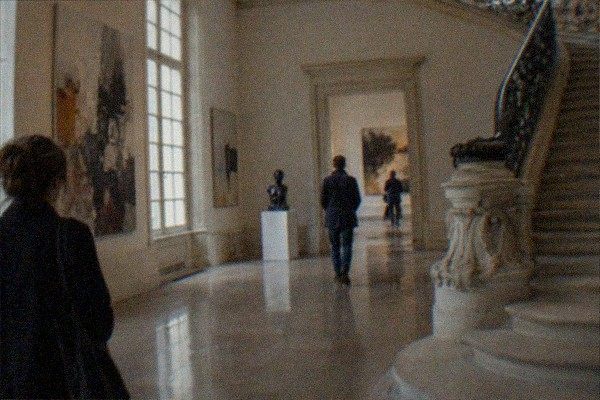
Musée Picasso Paris
3e arrondissement · The artist's own collection, kept in a 17th-century Marais mansion.
Houses the largest public collection of Pablo Picasso's works, spanning paintings, sculptures, drawings and ceramics.
Check availability →
Free entry, no ticket needed.
Matisse's La Danse and Dufy's electricity mural, free, next door to the Palais de Tokyo.
Plan your visit →Opens the museum's own visitor page. There is nothing to book: the permanent collection is free.
The Musée d'Art Moderne de Paris is the city's museum of modern and contemporary art, holding Fauvism, Cubism and post-war works in a grand 1937 building beside the Seine. Entry costs nothing and no ticket is needed. It suits anyone wanting major modern painting without paying, though exhibitions are ticketed.
Its hallmark is Matisse's monumental La Danse, the vast triptych of dancing figures commissioned for a Russian collector, shown alongside Raoul Dufy's huge mural on the theme of electricity, La Fée Électricité. Both are among the largest paintings in any Paris museum, and both are free to see, with no ticket required.
La Danse de Toulouse, to give the full title the museum uses, fills an entire wall. Matisse painted it between 1930 and 1933 for the American patron Albert Barnes, who rejected it, and the work eventually found its way into the city's collection. Reviewers consistently describe the moment of walking into that gallery as the single strongest memory visitors take away. The figures are schematic and flat, but at this scale the simplification reads as power, not austerity.
Dufy's La Fée Électricité is its only rival in the building. The mural stretches over one hundred meters of canvas and celebrates electrical light and the scientists and inventors behind it, from Archimedes onward, in Dufy's bright, loose, decorative style. Where Matisse's room is intense and focused, the Dufy gallery is a long panoramic corridor. Visitors regularly report spending twenty minutes or more simply walking its length.
Beyond these two anchors, the permanent collection traces the main lines of modern art in Paris. Fauvism and Cubism are well represented, and the post-war holdings extend the story into the second half of the twentieth century. The museum shares its building and its terrace with the Palais de Tokyo next door, which was built at the same time for the 1937 International Exposition, so the architecture itself is part of the experience: stone, water features, colonnades, and a terrace view toward the Eiffel Tower across the river. Anyone comparing Paris modern-art options should note the difference in tone: this is a civic collection, broad and generous, where Musée d'Orsay covers the earlier Impressionist era and Musée Picasso Paris goes deep on a single artist.
Entry to the Musée d'Art Moderne de Paris is free to everyone, with no ticket and no age condition. The permanent collection is free to all visitors, always. The only thing that costs money is the temporary exhibition program, which is ticketed and priced separately by the museum. There is nothing to buy to walk in the door.
This is one of the few major Paris museums where the main event, La Danse and the Dufy mural included, requires no purchase of any kind. You arrive, you enter, you look. Families in particular benefit: the free policy applies to children and young visitors with no age threshold and no youth card to show, so a family of five pays nothing for the collection. The museum's own page states the free-entry terms at mam.paris.fr, and the city of Paris, which runs the museum, lists it among its municipal museums on paris.fr.
The distinction that matters is permanent versus temporary. When a major exhibition is running, the ticketed galleries sit alongside the free ones, so a visitor who only wants the collection can still have a full visit without paying. Check what is on during your dates if exhibitions are your priority, because the program changes and the ticketed shows are where the museum puts its loaned international material. If your trip is built around special exhibitions elsewhere in the city, this museum works well as the free counterweight between paid visits, much as Atelier des Lumières works as an immersive, ticketed alternative.
| Entry Route | Who It Applies To | Cost | Ticket Needed? |
|---|---|---|---|
| Permanent collection | Everyone | Free | No |
| Entry to the museum building | Everyone | Free | No |
| Children and young visitors | Everyone, no age condition | Free | No |
| Temporary exhibitions | Everyone | Ticketed separately by the museum | Yes |
The permanent collection runs from early twentieth-century Fauvism and Cubism through post-war painting, with Matisse's La Danse and Dufy's La Fée Électricité as the two anchors. Expect large-scale canvases, sculpture, and a sequence of galleries arranged across two floors of a 1937 exposition building.
A typical visit moves from the entrance halls up through the collection chronologically. The Fauvist and Cubist rooms come first in the story, with vivid color and fractured form, and the route then opens into the grand gallery where La Danse hangs. That placement is deliberate: the museum saves its biggest room for its biggest work. The Dufy mural follows in its long panoramic hall, and visitors regularly report that the two works in sequence make the visit feel far larger than the floor plan suggests.
The post-war section carries the collection into the decades after 1945, with French and European artists of that generation, and there are smaller concentrations of works on paper and sculpture rotated through the galleries. This is a museum about movements and moments rather than a single-artist shrine, and that breadth is its strength. Reviewers consistently say the hang rewards a second pass: rooms you move through quickly on the way in often hold smaller paintings worth returning to.
The building deserves attention too. The stone façade, the pools and the terrace facing the Seine were designed for the 1937 International Exposition, and the classical-modern style of that era gives the interiors a ceremonial scale unusual for a modern art museum. Plan your route around the two monumental works and let the rest fill in the gaps. Visitors who like this civic, movement-based approach often pair it with the Musée d'Orsay, which tells the previous chapter of the same story.
Allow about two hours for the permanent collection, and add extra time if you are also visiting a ticketed temporary exhibition. The museum is closed every Monday, so plan around a Tuesday-to-Sunday visit. Mornings on a weekday are the calmest window for the Matisse and Dufy galleries.
The collection is bigger than it looks from the entrance. A fast pass through the highlights, La Danse, the Dufy mural and a few Cubist rooms, takes under an hour, but most visitors report lingering, and the building invites it. The Dufy corridor alone rewards slow walking, and the post-war rooms are easy to underestimate. Two hours is the realistic budget for a first visit without an exhibition.
Timing matters mainly around the two monumental works, because tour groups and school parties gravitate to them. Weekday mornings are the quiet period. Weekend afternoons are the busiest, and the free entry policy means there is no ticket queue to discourage crowds. Because no booking is ever needed for the collection, you have full flexibility: a rainy Tuesday can absorb this visit on a whim, which is not true of the city's ticketed landmarks. Note the fixed rule that overrides everything else: closed every Monday, including holiday Mondays unless the museum announces otherwise, so anchor your itinerary to that.
| At A Glance | Detail |
|---|---|
| Permanent collection entry | Free, no ticket, everyone |
| Closed | Every Monday |
| Arrondissement | 16e |
| Address | 11 Avenue du Président Wilson, Paris |
| Time to allow | About two hours for the collection |
| Temporary exhibitions | Ticketed, priced by the museum |
| Best time | Weekday mornings |
If you are building a day in this part of Paris, the museum's scale works well as a morning stop with the Palais de Tokyo next door as an afternoon option, or paired with a walk along the Seine toward the Arc de Triomphe further up the avenue side of the district.
The museum stands at 11 Avenue du Président Wilson in the 16e arrondissement, in the same building complex as the Palais de Tokyo, facing the Seine at coordinates 48.86431, 2.29786. It is closed every Monday. Entry is free and no ticket is required for the collection, so there is no booking step to plan around at all.
Getting there is straightforward. The museum sits on the Right Bank between the Seine and the avenue, and several bus routes serve Avenue du Président Wilson directly. The nearest river crossing puts you within walking distance of the Eiffel Tower on the opposite bank, and the terrace in front of the museum is a well-known viewing point for it. For exact Métro and bus routing on the day you travel, the transport operator's journey planner is the reliable source, since service details change and this guide will not carry unverified station names.
The building is a 1937 exposition palace, which affects the visit in concrete ways. Entrances and the main sequence of galleries are step-free, and the grand halls have wide doorways and high ceilings, but a building of this age has quirks; visitors with specific access needs should confirm current facilities with the museum before arrival. The museum's own site at mam.paris.fr carries the practical details it publishes, including any current security or bag measures in force, and those are the terms that apply on the day.
Two habits serve visitors well here. First, travel light: large bags are a common friction point at Paris museums generally, and checking anything slows a visit that would otherwise be effortless. Second, since entry is free, there is no reason to arrive at opening time unless you want the quiet galleries; the lack of any ticket line removes the usual morning rush logic that applies at paid museums such as the Musée Picasso Paris.
The Palais de Tokyo is next door, in the same 1937 building complex, making this the easiest museum pairing in Paris. The Seine and its Right Bank walks, the Eiffel Tower across the river, and the quieter museum district of the 16e arrondissement surround the building in every direction.
The immediate neighbor comes first. The Palais de Tokyo shares the terrace, the pools and the façade, and its contemporary art program is the natural complement to the modern collection inside the Musée d'Art Moderne de Paris. Visitors regularly report doing both in one afternoon, splitting the pair into modern painting on one side and contemporary work on the other, with the shared terrace as the midpoint.
Across the Seine, the Eiffel Tower and the Trocadéro gardens are a short walk away, and the terrace in front of the museum itself is one of the classic spots to photograph the tower. West along the 16e, the district is calmer than central Paris, full of residential avenues and smaller museums, and it rewards unhurried walking. If your itinerary is built around major paid landmarks, the free entry here makes it the natural free day in a week of ticketed visits, and a short ride or a longer walk connects you to the Arc de Triomphe at the top end of the district.
For visitors whose interest is art rather than monuments, the pairing logic extends citywide. The collection here covers Fauvism and Cubism through the post-war decades, so a visitor wanting the nineteenth-century backstory heads to the Musée d'Orsay, while one wanting an immersive, digital treatment of painting heads east to the Atelier des Lumières. Because this museum costs nothing and takes about two hours, it slots into almost any plan: an early stop before a paid afternoon, a rainy-day fallback, or a relaxed evening walk's destination on the Seine.
Yes. Entry is free to everyone, with no ticket needed. The permanent collection, including Matisse's La Danse and Dufy's La Fée Électricité, is free to all visitors. The only paid element is the temporary exhibition program, which the museum tickets separately. There is nothing to buy to enter the building.
No. Free entry applies to everyone with no age condition, so children and young visitors enter the permanent collection at no cost and without any ticket or youth card. Only the temporary exhibitions are ticketed, and those are priced by the museum.
No. The Musée d'Art Moderne de Paris is closed every Monday. Plan your visit for Tuesday through Sunday. Since no booking or ticket is needed for the collection, you can fit the visit into any open day without planning ahead.
The two hallmarks are Matisse's La Danse, the monumental triptych of dancing figures that fills its own gallery, and Raoul Dufy's La Fée Électricité, a vast mural celebrating electricity and its inventors. Both hang in the free permanent collection, alongside Fauvism, Cubism and post-war works.
About two hours for the permanent collection. A highlights pass covering La Danse, the Dufy mural and a few Cubist rooms takes under an hour, but most visitors linger, and the post-war galleries add time. Add extra time if you also plan to see a ticketed temporary exhibition.
At 11 Avenue du Président Wilson, Paris, in the 16e arrondissement, at coordinates 48.86431, 2.29786. It shares its 1937 building complex with the Palais de Tokyo, next door, and faces the Seine a short walk from the Eiffel Tower across the river.
The Palais de Tokyo is literally next door, in the same building complex, and makes an easy same-day pairing. The Eiffel Tower and Trocadéro are across the Seine. The museum's free entry and roughly two-hour collection visit make it easy to slot alongside paid stops like the Arc de Triomphe.
The museum's own site, mam.paris.fr, is the official source for current exhibitions, ticketed show details and practical information. This guide covers the verified essentials: free collection entry for everyone, closure every Monday, and the address at 11 Avenue du Président Wilson in the 16e arrondissement.
3e arrondissement · The artist's own collection, kept in a 17th-century Marais mansion.
Houses the largest public collection of Pablo Picasso's works, spanning paintings, sculptures, drawings and ceramics.
Check availability →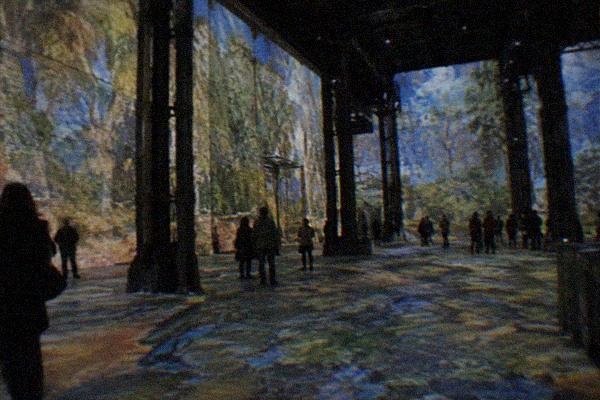
11th arrondissement · A former foundry where the paintings are projected 10 metres high, open daily.
Immersive digital art center in a former foundry featuring projections of famous artworks and contemporary experiences.
Check availability →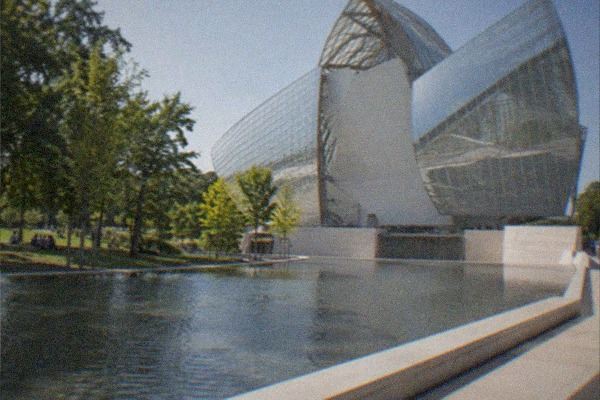
16th arrondissement · Shut right now. It reopens on 9 October 2026 with the Gustave Fayet collection.
Contemporary art foundation in a Frank Gehry-designed building hosting major modern and contemporary exhibitions.
Visitor info →