Art Museums In Paris: A Guide Organised By What You Want To Look At
Paris does not have one art museum, it has a dozen competing ones, and most visitors only hear about three of them. This guide sorts them by what you actually want to look at, and separates the paid rooms from the free ones.
Short answer
The Louvre holds the old masters and costs €32, or €22 for EEA visitors. The Musée d'Orsay covers the nineteenth century at €16, the Orangerie shows Monet at €11, and the Musée Picasso charges €16. The Petit Palais and the Musée d'Art Moderne are free, and the Centre Pompidou is closed until 2030.
Art Museums In Paris: A Guide Organised By What You Want To Look At
Paris has more art museums than any visitor can see in one trip, and the standard advice, which is always the same three names, quietly ignores half of them. The city runs two parallel museum systems, a paid national network built around the Louvre and the Musée d'Orsay, and a free city network whose permanent collections have cost nothing since December 2001. On top of both sits a layer of small house museums and single-artist foundations that often hold better painting per square metre than the famous rooms. This guide sorts all of them by what you actually want to look at, because that is how a real visit gets planned.
Which Art Museums In Paris Should You Visit For Old Masters?
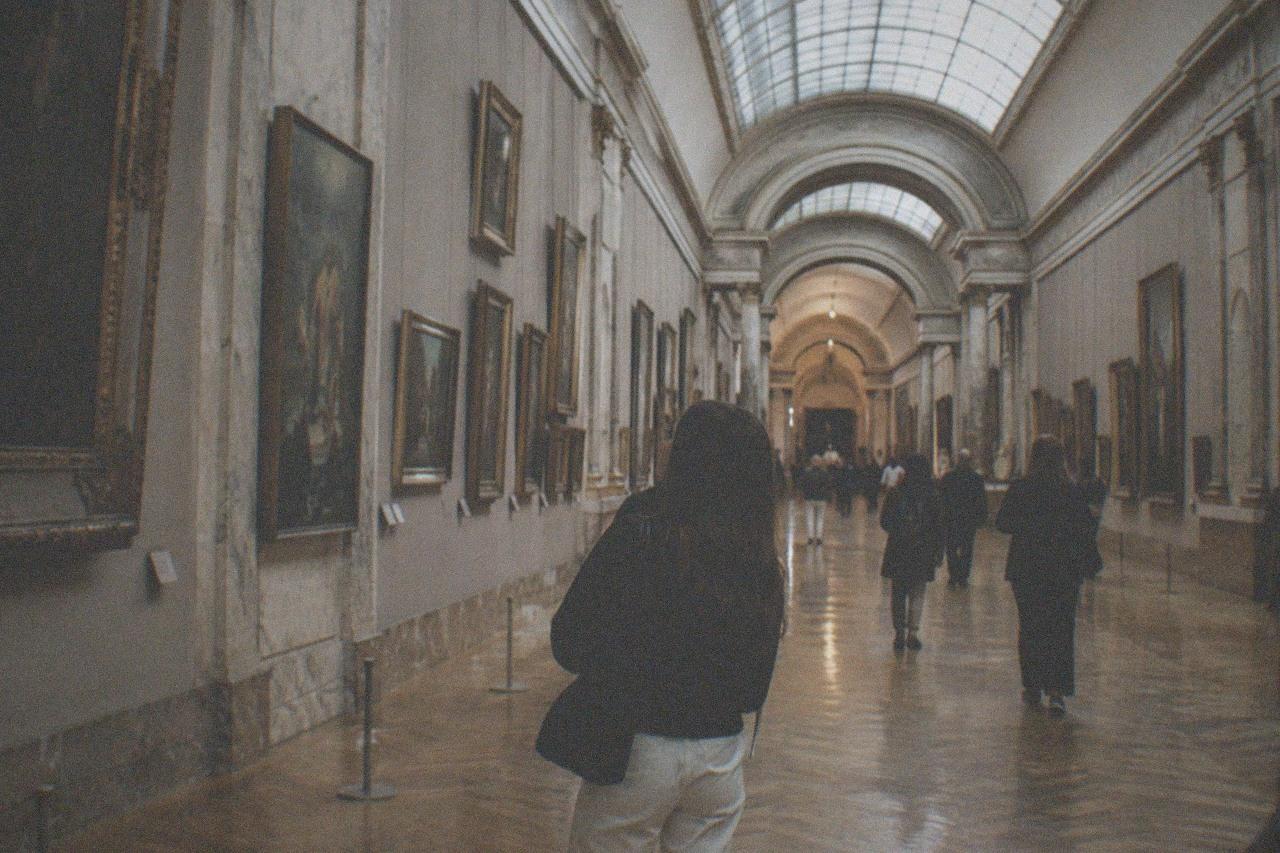
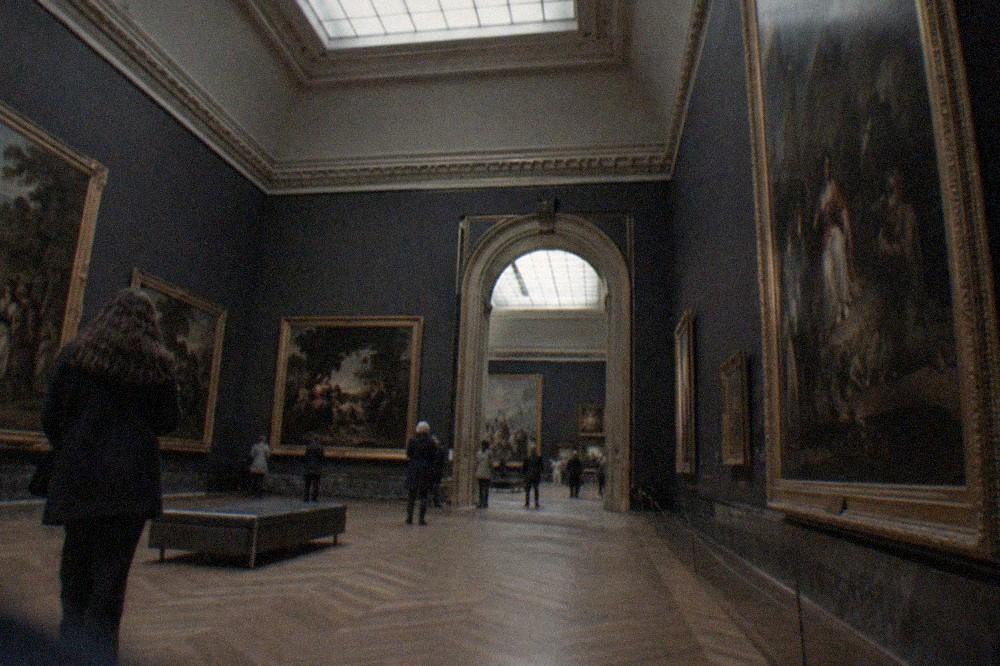
For painting from the Renaissance through the early nineteenth century, the choice is really between the Louvre and everything else. The Louvre holds the Italian Renaissance, the Dutch Golden Age and the French school, including the Mona Lisa, and charges €32, or €22 if you live in the EEA. Nothing else in Paris comes close for depth, though the Petit Palais and the Jacquemart-André cover smaller slices of the same ground without the crowds. The Louvre's advantage is not just fame. Its Italian rooms run from Cimabue to Ingres in an unbroken sequence, its Dutch rooms hold Vermeer and Rembrandt in quantity, and its French school is the national collection. The disadvantage is scale: the building is enormous, it is closed on Tuesdays, and timed entry is compulsory, so a visit has to be planned around a booked slot rather than improvised. The Louvre tickets page goes through the booking options and the two-tier pricing in detail.
One detail most guides get wrong: the Louvre has no free first Sunday at all. Its free window is the first Friday of the month after 6pm, skipped in July and August, plus 14 July, as stated on the museum's own hours and admission page. Anyone planning a Sunday around a free Louvre will arrive at a full-price door.
For old masters in calmer rooms, the Musée Jacquemart-André, a former banker's house on boulevard Haussmann, holds a concentrated Italian and Dutch collection, Fra Angelico and Rembrandt included, at €19, and it is open every day of the week, which almost no major Paris museum is. The Petit Palais covers French and Dutch painting from the seventeenth to the nineteenth century in a building nobody has to queue for, and its permanent collection is free.
Where Do You Find The Nineteenth Century In Paris?
The Musée d'Orsay is the nineteenth-century museum, full stop. Its converted railway station holds the world's largest collection of Impressionist and Post-Impressionist painting, Manet, Degas, Cézanne, Van Gogh and Monet among them, at €16 booked online. If the nineteenth century is what you came to see, Orsay first, the Orangerie across the river second, and the Marmottan in the sixteenth arrondissement as the quiet third choice. Orsay is closed on Mondays, which matters because Monday is the day the free city museums also shut, so Monday visitors get funnelled into the same handful of open doors.
A renovation runs from March 2026 to summer 2028, with access routes modified but all collections still viewable, so the rooms are open and the corridors are a work in progress. Booked timed entry is compulsory, and the online ticket costs more than the door: €16 online against €14 at the museum, an inversion that surprises people who assume booking ahead is always cheaper. The full picture, including whether advance booking is worth it, is in our review of whether Orsay is worth visiting.
The Marmottan Monet is the connoisseur's option. It sits in a sixteenth-arrondissement townhouse, closes on Mondays, and charges €14, and it holds the painting that gave Impressionism its name, Monet's "Impression, Sunrise", plus a room of late Water Lilies that most tourists never reach because it is a twenty-minute métro ride past the Arc de Triomphe. Reviewers rate it 4.8, though from a small pool, and the bookable entrance ticket reads $16.89.
| Museum | What it holds | Adult price | Closed |
|---|---|---|---|
| Musée d'Orsay | Impressionists and Post-Impressionists, the national collection | €16 online | Monday |
| Musée de l'Orangerie | Monet's Water Lilies in two oval rooms, plus the Jean Walter collection | €11 | Tuesday |
| Musée Marmottan Monet | Impression, Sunrise and late Monet | €14 | Monday |
| Musée Rodin | Sculpture, The Thinker, The Burghers of Calais | €14 | Monday |
Where Can You See Monet's Water Lilies In Paris?
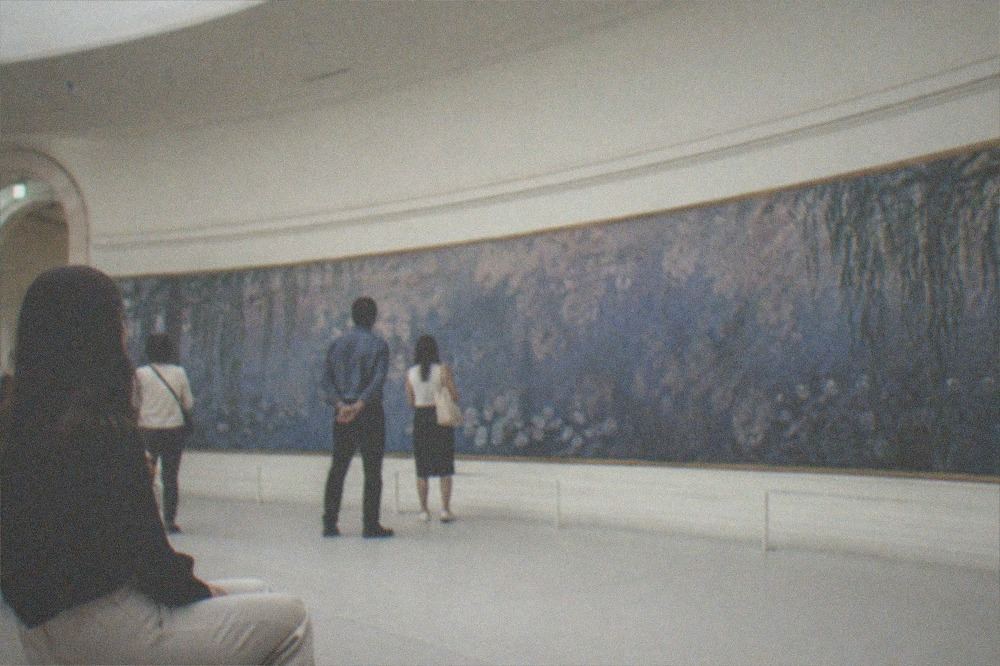
The Musée de l'Orangerie is the Water Lilies museum: two oval rooms built to Monet's own specification hold eight panels in daylight-lit curved surrounds, and entry costs €11 at the door or €12.50 online. The Marmottan holds more Monet canvases overall, the Orsay holds his earlier work, and the Fondation Claude Monet at Giverny, 75 km from Paris, is where the paintings were made, at €13 at the gate. The Orangerie is the one that stops people. Monet designed the rooms as a single immersive environment, donated them to France the day after the Armistice, and the panels now hang at eye level exactly as he had intended, after being rehung following the building's renovation. It is a short visit, an hour is generous, but a dense one: below the Water Lilies sits the Jean Walter and Paul Guillaume collection, Renoir, Cézanne, Matisse and Modigliani in a basement gallery that many Louvre-day visitors skip entirely.
The Orangerie is closed on Tuesdays, the same day as the Louvre, so Tuesday is the worst day of the week for an Impressionist itinerary. It is free the first Sunday of every month, but only with an obligatory timed reservation, so the free ticket still has to be booked like a paid one. For the full Monet trail through Paris, including which museum holds which period, the Monet guide covers it museum by museum.
Giverny is a different proposition. The house and gardens are open 1 April to 1 November 2026 only, shut all winter, and the fondation is not on any pass. The door price is a modest €13, but the day trip from Paris takes about an hour by train from Saint-Lazare to Vernon plus a shuttle, and the bookable round-trip products start at $118.66, which is what convenience costs.
Are The Picasso And Rodin Museums Worth Their Tickets?
Yes, both, for different reasons. The Musée Picasso Paris occupies the Hôtel Salé in the Marais and holds over five thousand of the artist's works, the largest Picasso collection in the world in a single building, at €16. The Musée Rodin is a villa with a garden full of bronzes including The Thinker, at €14 for the house and garden together, and it is free the first Sunday of the month from October to March. The Picasso museum's strength is range rather than highlights: the collection came from the artist's estate in lieu of inheritance tax, so it covers every period of his working life, including sculptures, ceramics and notebooks, in rooms that are rarely crowded. It closes on Mondays, timed entry is compulsory, and it is free the first Sunday of every month with no reservation needed.
Rodin's museum is the cheaper and quieter ticket, though it keeps the same Monday closure as the Orsay. The garden alone, at €14 combined with the house in the standard ticket, holds The Thinker, The Burghers of Calais and The Gates of Hell in the open air, which makes it the rare Paris art museum that is pleasant in bad weather queues and good weather alike. It is also one of the only museums in this guide with no timed-entry requirement, so it works as the backup museum when a booked slot elsewhere falls through.
The Picasso tickets page covers the priority-entry options, and the same logic applies to Rodin: both door prices are low enough that a skip-the-line product only pays at peak.
If the Marais and the seventh arrondissement are both on your list, pair one museum from each per day rather than rushing both in one afternoon. The Hôtel Salé and the Carnavalet share the same streets, and Rodin's villa sits a short walk from Orsay's left-bank platform, so geography does most of the planning for you.
Which Art Museums In Paris Are Free And Which Charge?
Eleven city museums are free to everyone all year with no ticket, including the Petit Palais, the Musée d'Art Moderne and the Musée Carnavalet. Everything on the national side charges, with doors from €14 to €32. The trap is temporary exhibitions: a free city museum starts selling tickets when a show moves in, and the Maison de Victor Hugo is ticketed until 22 November 2026 for exactly that reason. The free list comes from the city's own tariffs page, which has carried the same policy since December 2001. The permanent collections of the Petit Palais, the Musée d'Art Moderne, Carnavalet, Cernuschi, Cognacq-Jay, the Vie romantique, Bourdelle, Zadkine, Balzac, the Maison de Victor Hugo and the Musée de la Libération cost nothing, no booking, no queue. Three city sites are exceptions and always have been: Palais Galliera, the Catacombes at €31, and the Crypte archéologique, which is shut for works.
For painting specifically, the Petit Palais and the Musée d'Art Moderne are the two that matter. The Petit Palais holds a fine art collection running from antiquity to the end of the nineteenth century across from the Grand Palais, and the Musée d'Art Moderne, in the sixteenth arrondissement, covers the twentieth century with major Picabia, Modigliani and Bonnard rooms, free, in a building with a terrace view over the Seine. Between them they plug the exact gap the Centre Pompidou closure leaves, and Paris Museums covers the free network in full elsewhere on this site.
| Free all year, permanent collection | Caveat | Paid, per visit |
|---|---|---|
| Petit Palais | Exhibitions ticketed | Louvre €32 (€22 EEA) |
| Musée d'Art Moderne de Paris | Exhibitions ticketed | Musée d'Orsay €16 online |
| Musée Carnavalet | Exhibitions ticketed | Musée Picasso €16 |
| Musée Cernuschi | Shows €10 | Musée Rodin €14 |
| Musée de la Vie romantique | Exhibitions ticketed | Marmottan Monet €14 |
| Maison de Victor Hugo | Ticketed to 22 November 2026, exhibition in | Orangerie €11 |
| Maison de Balzac | Free only outside exhibition periods | Jacquemart-André €19 |
What Happened To The Centre Pompidou?
The Centre Pompidou closed on 22 September 2025 and does not reopen until 2030. The building is a renovation site, and no ticket can be bought for it. Its collection did not vanish: the programme moved off site to the Grand Palais, the Forum des images, the Gaîté Lyrique and mk2 bibliothèque, and the museum itself confirms this on its own homepage. The Grand Palais is the main inheritor. It has reopened after its own restoration, but its exhibitions are ticketed one by one and it is not on the Paris Museum Pass; the current headline show, Cezanne and Us, runs 23 September 2026 to 17 January 2027 at €19. That makes it the closest thing Paris has to a modern-art blockbuster venue until the Pompidou returns, at the price of buying a ticket per show.
The Fondation Louis Vuitton, the other modern-art landmark in the Bois de Boulogne, is also shut, and reopens on 9 October 2026 with an exhibition on the collector Gustave Fayet. Any itinerary built around modern and contemporary art in Paris right now has to be built around three moving pieces: a closed Pompidou, a reopening Fondation and a Grand Palais that sells per exhibition. The city's free Musée d'Art Moderne is the stable option in the middle of all of it.
What Do The Big Art Museums Cost And How Do The Prices Compare?
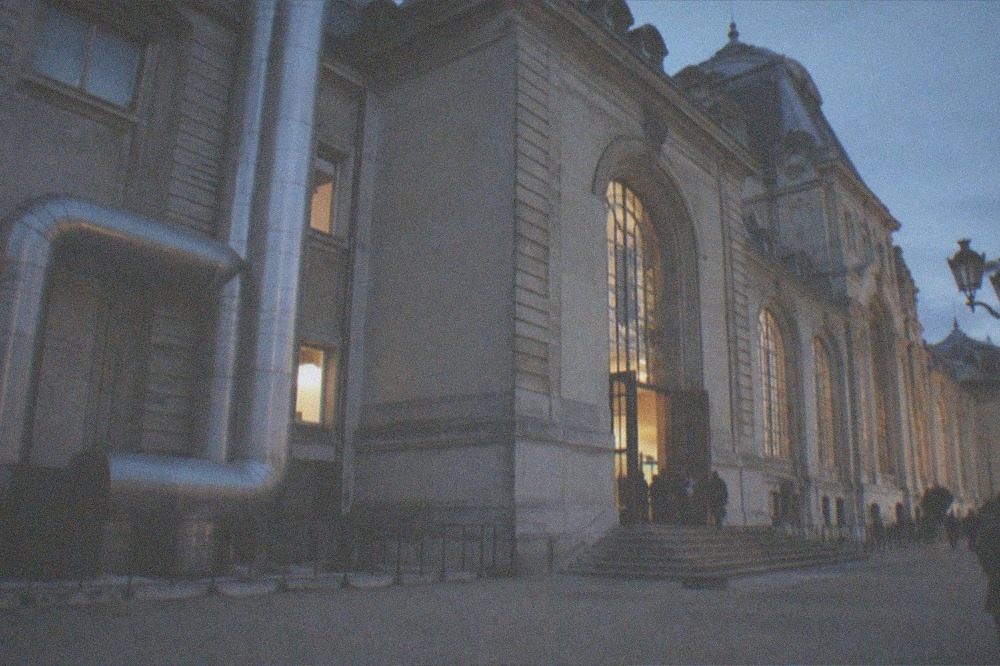
Door prices run €11 to €32 for the paid art museums: Orangerie €11, Orsay €16 online, Rodin and Marmottan €14 each, Picasso €16, and the Louvre €32, or €22 inside the EEA. Bookable tickets from a reseller start higher, and they buy a slot or a guide rather than a cheaper door. No art museum on this page is free on a Sunday in summer except the city ones, which are free every day. The pattern worth knowing is that the two-tier EEA price has arrived at the Louvre, €22 against €32, and it matters when comparing guides that quote one number without saying which. The booking platforms' from-prices are a different currency and a different product: $15.12 at Orsay buys a timed entry close to the door price, while $69.80 at the Louvre is more than double the EEA door, which is the gap a guide or a skip-the-line product is priced on.
| Museum | Door price | Bookable from | Rating |
|---|---|---|---|
| Musée du Louvre | €32 (€22 EEA) | $69.80 | 4.6 across 7,769 reviews |
| Musée d'Orsay | €16 online, €14 at door | $15.12 | 4.7 across 27,881 reviews |
| Musée de l'Orangerie | €11 at door, €12.50 online | $15.7 | 4.7 across 7,188 reviews |
| Musée Picasso Paris | €16 | Not published | 4.5 across 3,696 reviews |
| Musée Rodin | €14 | Not published | 4.7 across 2,519 reviews |
| Marmottan Monet | €14 | $16.89 | 4.8 across 18 reviews |
How Do You Plan An Art Museum Itinerary For Paris?
Group by arrondissement, not by fame. The Louvre and the Orangerie sit a ten-minute walk apart in the first, Orsay and Rodin face each other across the seventh, and the Picasso museum and Carnavalet share the Marais in the third. Two museums a day is a full day in Paris, one big booked room in the morning and one free or small room in the afternoon, with Monday and Tuesday closures deciding which day gets which pair. The closure pattern is the real constraint. The Louvre and the Orangerie close Tuesday; Orsay, Picasso, Marmottan and every free city museum close Monday. That makes Tuesday the Louvre alternative day and Monday the day for the Rodin, the Jacquemart-André, the Musée de l'Armée or the Arc de Triomphe, the doors that never shut midweek.
A workable three-day shape, with the prices shown elsewhere on this page:
| Day | Morning | Afternoon | Door cost |
|---|---|---|---|
| One | Louvre, booked slot | Orangerie, then the Tuileries | €32 or €22, plus €11 |
| Two | Orsay | Rodin, then the Invalides esplanade | €16 online, plus €14 |
| Three | Picasso in the Marais | Carnavalet, free, same streets | €16, plus €0 |
The pass question comes up on every itinerary. A Paris Museum Pass at €85 for two days can beat those door prices added up, but only at the paid national museums, and eight pass sites, the Louvre and Orsay among them, still demand a separate timed reservation, so a pass never removes the booking step at the two museums people buy it for.
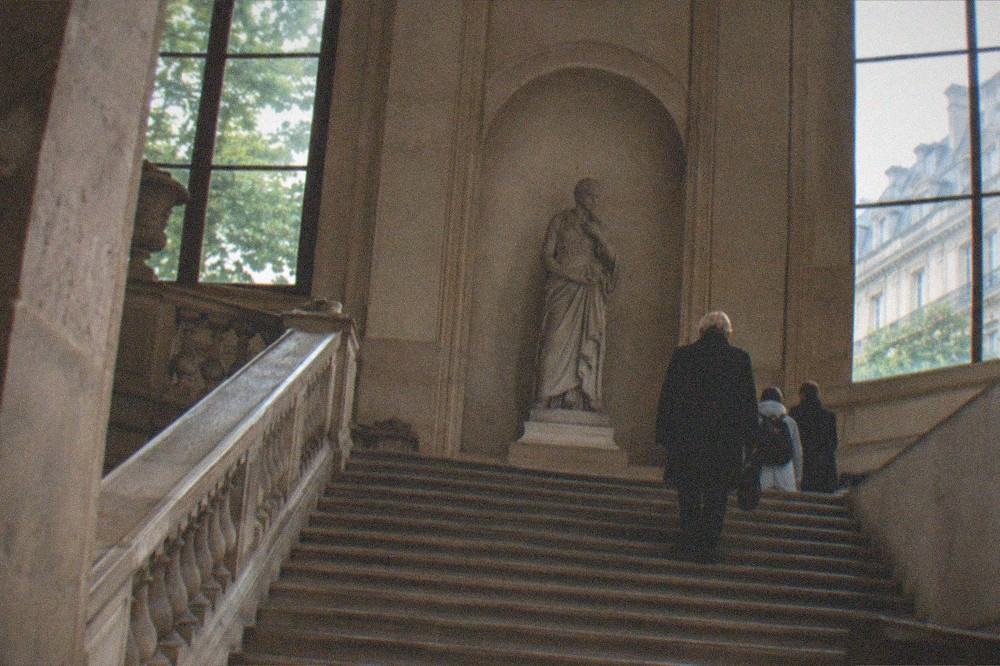
Booked slots beat spontaneity at exactly three places on this page: the Louvre, the Orsay and the Orangerie, all of which require timed entry. Everywhere else, the door is the door.
Common Questions About Art Museums In Paris
What is the best art museum in Paris?
The Louvre for old masters, the Musée d'Orsay for the nineteenth century, and the Musée de l'Orangerie for Monet. If you only see one, the Louvre at €32 holds the deepest collection, but the Orsay at €16 delivers more per hour spent.
Which art museums in Paris are free?
The permanent collections of eleven city museums, including the Petit Palais, the Musée d'Art Moderne, the Musée Carnavalet, Cernuschi and the Musée de la Vie romantique. No ticket and no booking is needed, though a temporary exhibition can suspend the free entry.
Is the Centre Pompidou open?
No. It closed on 22 September 2025 and reopens in 2030. Its programme is showing at the Grand Palais, the Forum des images, the Gaîté Lyrique and mk2 bibliothèque until then.
How much does the Louvre cost?
€32 for visitors from outside the EEA and €22 for EEA visitors, with timed entry compulsory. It is closed on Tuesdays, and it has no free first Sunday: the free window is the first Friday evening of the month, except in July and August.
Do I need to book Paris art museum tickets in advance?
Only at the Louvre, the Musée d'Orsay and the Orangerie, where timed entry is compulsory. At the Picasso museum and the Rodin museum the door price applies either way, and the free city museums need no ticket at all.
Where can I see Monet's Water Lilies in Paris?
The Musée de l'Orangerie has the eight-panel Water Lilies cycle in two oval rooms built for it, at €11. The Marmottan Monet holds more Monet canvases overall, including Impression, Sunrise, at €14.
What is the best free art museum in Paris?
The Petit Palais for range and the Musée d'Art Moderne for the twentieth century. Both are free with no ticket, closed on Mondays, and both charge only for their temporary exhibitions.