What Is The Petit Palais Famous For, And Can You Just Walk In?
The Petit Palais is free to enter, famous for its permanent art collection and its 1900 building. Here is what is inside, why it costs nothing, and which day it is shut.
What Is The Petit Palais Famous For, And Can You Just Walk In?
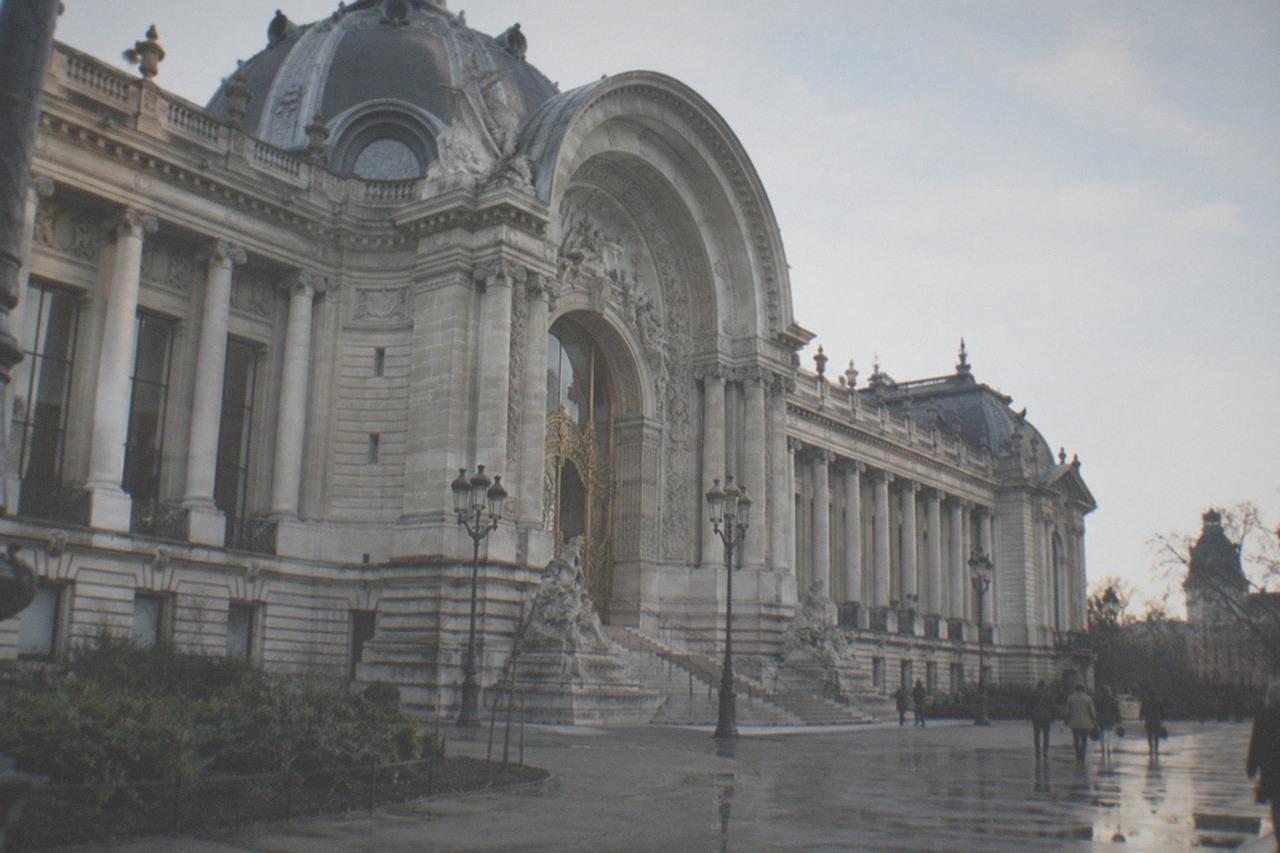
The Petit Palais is famous for two things at once: it is a masterpiece of Belle Époque architecture built for the 1900 world's fair, and it holds the City of Paris's own fine arts collection, spanning Greek pottery to Courbet and Monet. Yes, you can just walk in. The permanent collection has been free to everyone, no ticket and no booking, since December 2001. It is closed every Monday.
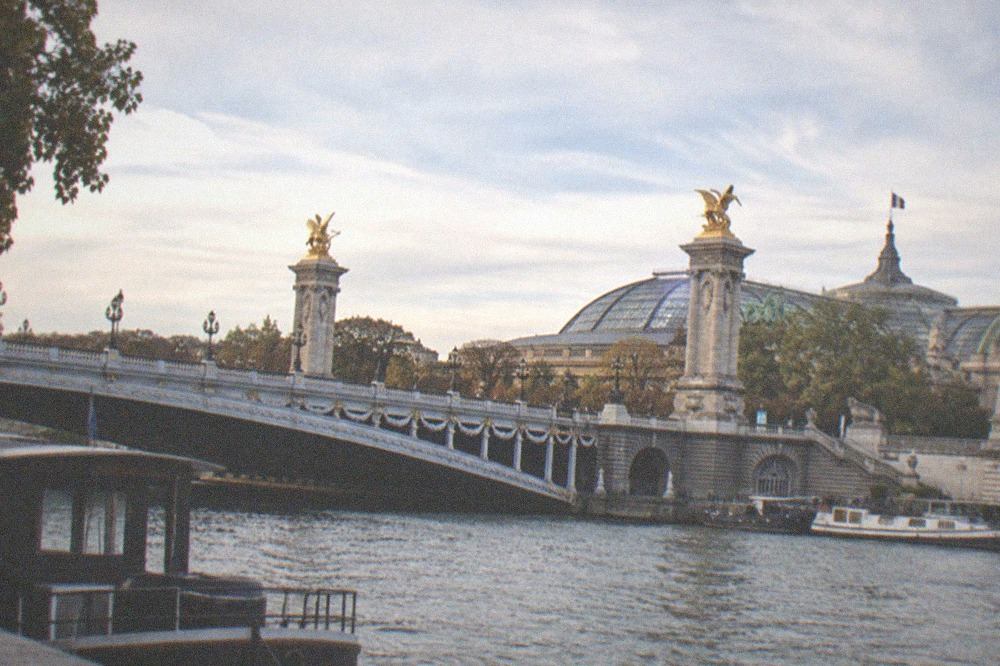
The building itself is half the reason to come. The architect Charles Girault designed it as a "picture palace" for the 1900 Exposition Universelle, the world's fair for which the Grand Palais across the avenue was raised at the same time, along with the Pont Alexandre III just behind it. The three were planned as one ensemble. The Petit Palais was always intended to outlive the fair as a museum, and it has: today it is one of the fourteen sites of the Paris Musées network, the city's own museum system, distinct from the national museums run by the state.
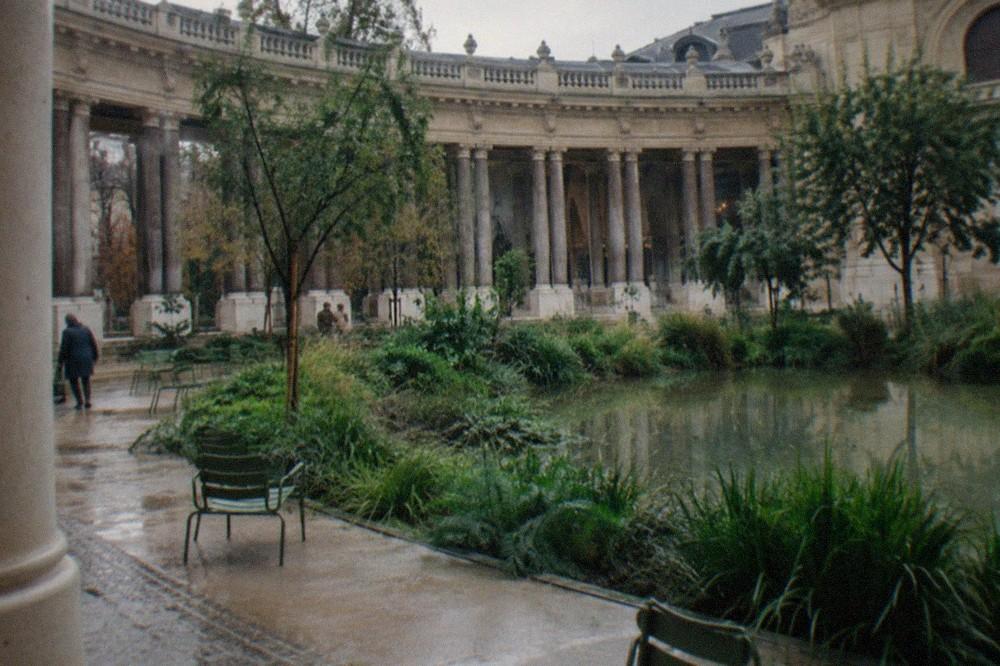
Walk in, and the layout rewards you immediately. The entrance sequence opens into a semicircular garden courtyard ringed by a peristyle of columns, mosaic floors and a painted ceiling by Albert Besnard, with pools and greenery at the centre. Many visitors report that this courtyard alone, free and quiet, is one of the most pleasant five minutes in central Paris. The galleries wrap around it, so you are never far from daylight, an unusual luxury in a city where the Louvre and the Orsay can feel like windowless labyrinths by mid-afternoon.
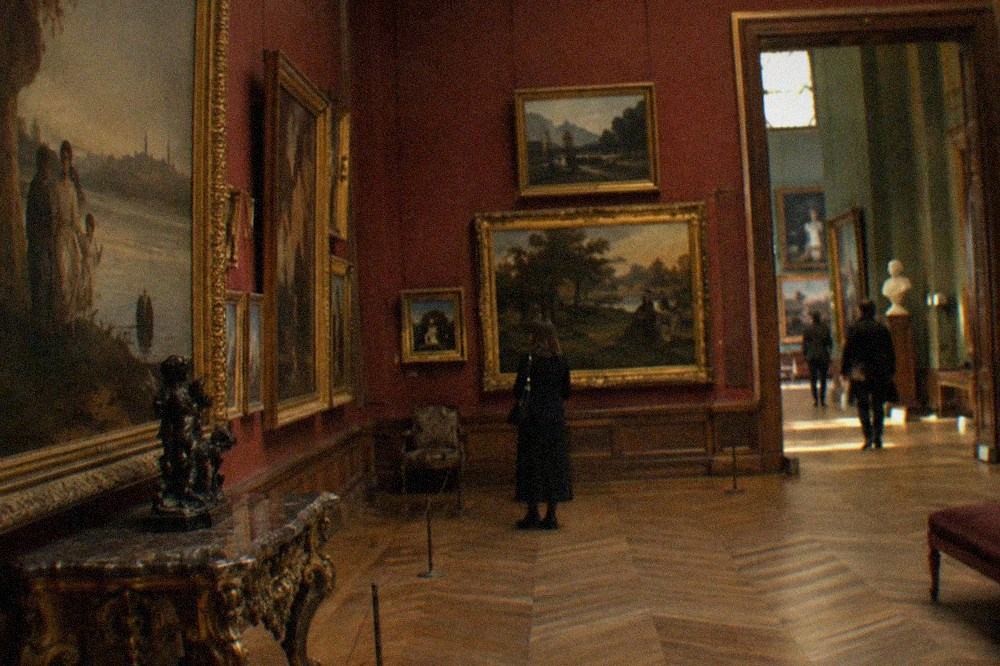
The collections inside divide into painting, sculpture, decorative arts, icons and Greek and Roman antiquities. The painting strength is French nineteenth-century work: Delacroix, Courbet, Corot, the Barbizon painters, and Impressionist canvases including Monet's sunset over the Seine. There are also Dutch and Flemish old masters, and a small group of icons that is among the better ones in France. It is a collection built largely from gifts, which shapes its personality: personal, uneven in places, and full of things no national museum would think to buy.
The word "famous" also deserves a caveat. The Petit Palais is not famous the way the Louvre is famous. It has no single superstar object that draws a pilgrimage. What it is famous for among people who live in Paris is the ratio: a genuinely grand building, a strong collection, and a €0 ticket, all within a hundred metres of the Champs-Élysées. Parisians treat it as the city's best-kept open secret, which is precisely what it is.
Since the permanent collection is free, this site sells no ticket for the Petit Palais at all. That is not an oversight: Paris Museums only sells where there is a real price to pay, and there is none here. The museum's own page at petitpalais.paris.fr carries the live opening information. If you are building a day of Paris art beyond the free rooms, the paid heavyweights below are where booking actually matters.
What Does Free Entry Actually Cover At The Petit Palais?
Free entry covers the permanent collection, all of it, for every visitor, with no age condition and no residency test. It does not cover the temporary exhibitions, which are sold separately at the desk, and it does not skip the security check at the door. The free rule is the City of Paris's own policy, in force since December 2001, and it applies at every opening hour the museum keeps.
The Paris Musées network is fourteen sites, and eleven of them have free permanent collections on this exact policy. The Petit Palais sits in that free eleven alongside the Musée Carnavalet, the Musée d'Art Moderne de Paris, the Musée Cernuschi, the Musée de la Vie romantique, the Musée Zadkine and others. The city's own tariffs page states it plainly at parismusees.paris.fr/fr/votre-visite/tarifs: permanent collections are free for all visitors, and have been since December 2001.
Three sites in the network are the paid exceptions: Palais Galliera, the Catacombes de Paris at €31, and the Crypte archéologique, currently shut for conservation work. Any guide telling you all fourteen city museums are free is wrong, but the Petit Palais genuinely is, every day it opens.
The second thing free entry does not cover is the exhibition caveat, and the city prints this caveat itself. When a temporary exhibition is running, that show is ticketed even though the rooms around it stay free. At some sister museums the caveat bites harder: the Maison de Victor Hugo is ticketed until 22 November 2026 precisely because a show occupies the apartment. At the Petit Palais the permanent galleries stay free while shows run; you simply pay if you want to walk into the exhibition wing as well.
| Paris Musées site | Permanent collection | Exhibition caveat |
|---|---|---|
| Petit Palais | Free, no ticket | Shows are ticketed, permanent rooms stay free |
| Musée Carnavalet | Free, no ticket | Shows are ticketed |
| Musée d'Art Moderne de Paris | Free, no ticket | Shows are ticketed |
| Musée Cernuschi | Free, no ticket | Shows are ticketed at €10 |
| Catacombes de Paris | €31, always paid | Audioguide included in the price |
| Palais Galliera | Paid, always | Fashion museum, ticketed shows |
One more nuance separates the two free systems in Paris, and it is worth having straight before you plan anything. The free eleven are city museums, free every single opening day. National museums, a completely separate system, are free only on the first Sunday of the month, and the CMN monuments among them, the Panthéon, Sainte-Chapelle, the Conciergerie and the Arc de Triomphe, are free the first Sunday only from January to March and November to December, never in the summer half of the year. The Louvre, the biggest national museum of all, is not free on any Sunday at any point in the year: its free slot is the first Friday evening of the month, after 6pm, except in July and August. The Petit Palais owes you nothing and asks nothing; almost nothing else in Paris works that way.
If you are mapping the whole free landscape, the site's guide to free Paris museums walks the two systems venue by venue, and the best museums in Paris overview places the Petit Palais against the paid titans.
What Are The Highlights Inside The Petit Palais?
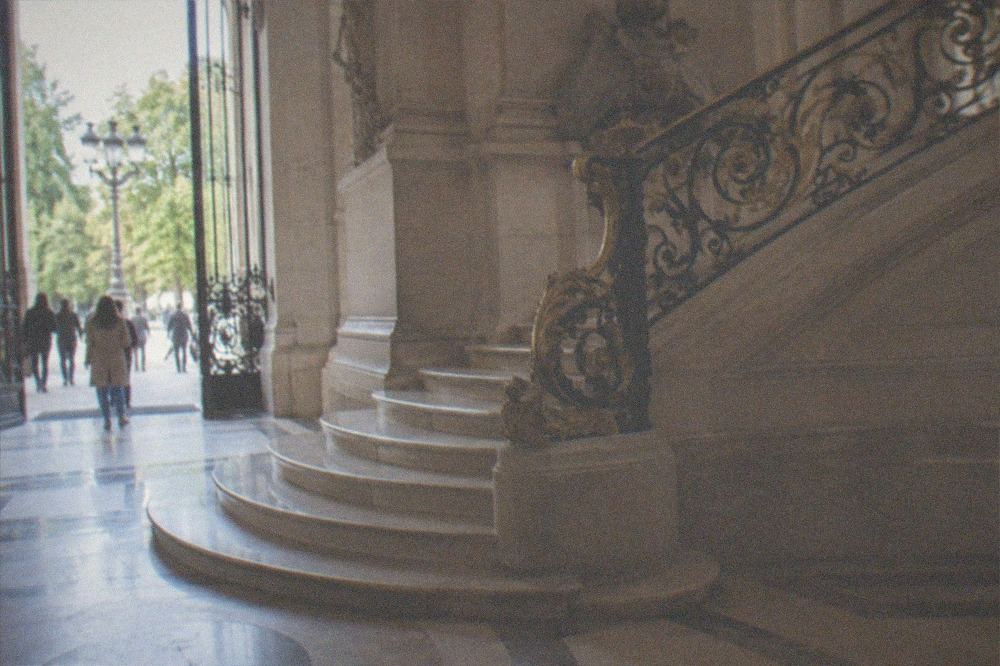
The highlights are the Courbet and Delacroix rooms, Monet's sunset over the Seine at Lavacourt, the Dutch and Flemish cabinet, the icon gallery, and the building's own interior: the mosaic-lined entrance hall, the Besnard ceiling, and the garden courtyard with its colonnade. Most of the collection is on the upper floor, reached by a grand staircase most visitors photograph before they notice any painting.
Gustave Courbet is the single strongest name on the walls. The Petit Palais holds a serious group of his canvases, including large landscapes that show why he was the disruptive force of French painting in the 1860s. Eugène Delacroix is nearby, represented in a way that lets you trace his whole arc rather than one anthology piece. Around them sit the quieter Barbizon school, Théodore Rousseau and Charles-François Daubigny painting forests and riverbanks before Impressionism made it fashionable.
The Impressionist presence is real but selective. Monet's Lavacourt sunset, the Seine under ice-coloured light, is the one people come looking for, and there are canvases by Sisley, Pissarro and Morisot's circle in the same circuit. Nobody should come expecting the depth of the Musée d'Orsay or the Orangerie's Water Lilies oval rooms; the Petit Palais gives you a concentrated tasting where the Orsay gives you the whole cellar. For the full Impressionist trail, the where to see Monet in Paris guide ranks every room in the city that holds him.
The decorative arts are the sleeper. The museum's holdings include eighteenth-century French furniture, Sèvres porcelain, jewellery, and Renaissance metalwork, assembled from collectors' bequests rather than institutional buying, which is why the selection is eccentric and personal. The Greek and Roman antiquities and the Byzantine and Russian icons round out a collection that genuinely spans three millennia, an unusual claim for a building most people assume is just "the small one opposite the Grand Palais."
Allow the courtyard time in your plan. It is the architectural heart of Girault's design: a semicircle of Ionic columns, water basins, and the planted garden that gives the museum its calm. Reviewers regularly single it out as the moment the Petit Palais stops feeling like a museum and starts feeling like a private residence opened for the afternoon. In warm weather the museum's café opens onto it, and a coffee among the columns costs what coffee costs anywhere in the 8th arrondissement.
Practically, the visit splits into a fast lap and a slow one. The fast lap, the courtyard, the entrance hall mosaics, the Courbet room and the Monet, is achievable in about forty-five minutes. The slow lap, every gallery including the icons and the decorative arts, comfortably fills two and a half hours, and that is before any temporary exhibition. Free entry means you can also do the honest third option: twenty minutes inside on a rainy pass-through, and back another day at no cost. That flexibility is the quiet luxury of a €0 ticket.
How Long Should You Spend, And Which Day Is It Shut?
The Petit Palais is closed every Monday, like every other Paris Musées museum. For duration, allow forty-five minutes for the highlights and two to two and a half hours for the full circuit. Opening hours run from Tuesday to Sunday, with the museum opening at 10:00; the permanent collection stops admitting visitors ahead of the closing time, so arrive before the late afternoon on short winter days.
The Monday closure is worth internalising because it sorts the whole city into two camps. The national museums, the Louvre, the Orangerie, the Musée Guimet, the Fontainebleau château, shut on Tuesdays. The city museums, the entire free eleven, plus the Musée d'Orsay, the Musée Rodin, the Musée Picasso, the Musée de Cluny and the Catacombes, shut on Mondays. The Petit Palais is firmly in the Monday camp. A first-time visitor who plans a Monday museum crawl around the Petit Palais, the Carnavalet and the Petit Palais's neighbours will find shuttered doors the length of the route.
| Paris art venue | Closed day | Door price | Time to allow |
|---|---|---|---|
| Petit Palais | Monday | €0 | 45 min to 2.5 hours |
| Musée du Louvre | Tuesday | €32 (€22 EEA) | Half a day |
| Musée d'Orsay | Monday | €16 online / €14 at door | 2 to 3 hours |
| Musée de l'Orangerie | Tuesday | €11 | 1 to 1.5 hours |
| Musée Rodin | Monday | €14 | 1.5 hours with garden |
Timed entry is not a concept here. There is no timed slot to book, no skip-the-line product to buy, and no reservation system for the permanent collection, precisely because there is no ticket. You join the security line, which moves quickly outside peak exhibition openings, and you are inside. The only queues that ever form are for blockbuster temporary exhibitions, and those are the ones with a price.
The best hours are the museum's early opening and the weekday lunch window, when coach groups are thinnest. Being on the Avenue Winston-Churchill, between the Champs-Élysées roundabout and the Seine, it sits directly on the tourist artery, so mid-morning in high summer carries foot traffic. The courtyard absorbs crowds well, and the galleries are roomy enough that crowding rarely turns unpleasant, in sharp contrast to the Salle des États at the Louvre on the same afternoon.
Season matters for the courtyard more than the canvases. The garden colonnade is at its best from late spring to early autumn, when the café tables are out and the water basins are running. In winter the building still glows, the Besnard ceiling and the mosaics lose nothing, but plan the visit around the inside rather than the courtyard pause. Either way, the price of getting this wrong is zero, which is the Petit Palais's standing joke against every other great room in Paris.
How Does The Petit Palais Compare With The Louvre?
The Petit Palais is a focused, free, two-hour city museum; the Louvre is a €32 all-day expedition with 4.6 stars across 7,769 reviews and a compulsory timed slot. The Louvre shows the greatest hits of world art, the Mona Lisa included, while the Petit Palais shows a personal French collection. They are complements, not competitors, and sitting inside the same afternoon is genuinely possible from here.
The price gap is the loudest difference. The Louvre now charges two prices, €22 for EEA visitors and €32 for everyone else, a two-tier structure in force rather than announced. The Petit Palais charges neither figure, nor any figure. Add the Louvre's Tuesday closure against the Petit Palais's Monday closure and the two museums cannot even be closed on the same day, which makes them unusually easy to pair across a week.
Then there is the effort gap. The Louvre requires a booked timed slot even for passholders; the pass alone does not open the door without a separate free reservation. The Petit Palais requires nothing but a coat check decision. Scale follows the same pattern: the Louvre is a former royal palace where a full circuit is measured in tens of thousands of steps, and the Petit Palais is a single courtyard building you can circumnavigate, twice, inside two hours.
What the Louvre gives you that nothing else can is density of masterpiece: the Mona Lisa, the Winged Victory of Samothrace, the Venus de Milo, Vermeer, Rembrandt at depth. What it takes in exchange is money, a slot, and stamina. Reviewers of the Louvre consistently praise the collection and warn about the crowds in the same breath, and the 4.6 rating across 7,769 reviews encodes both halves of that experience. For the deep planning questions, the site's Louvre versus Musée d'Orsay comparison and the three-day Paris museum itinerary slot the Petit Palais into days that also carry the heavyweights.
The honest itinerary advice is to treat the Petit Palais as the decompression chamber after the Louvre, not the substitute for it. Come down the Avenue Winston-Churchill from the Champs-Élysées, or cross the Pont Alexandre III after an Orsay morning, and the Petit Palais resets the scale of your day to something human. Two hours of Courbet and a courtyard coffee is the correct dose after any morning in a national museum.
What Is Nearby, And How Does The Petit Palais Fit A Day?
The Petit Palais sits opposite the Grand Palais, beside the Pont Alexandre III, a fifteen-minute walk from the Champs-Élysées roundabout, with the Arc de Triomphe twenty minutes beyond it, the Musée d'Orsay across the Seine, and the Champs-Élysées gardens immediately behind. Its central position makes it the natural hinge between a Left Bank art morning and a Right Bank monument afternoon.
The immediate ensemble is the 1900 fair's surviving architecture. The Grand Palais, directly opposite across the Avenue Winston-Churchill, has reopened from its restoration with separately ticketed exhibitions; the site's what is inside the Grand Palais piece covers what is showing. Behind the Petit Palais stretch the Champs-Élysées gardens, quiet, free, and the fastest pleasant route toward the Place de la Concorde and the Tuileries, where the Musée de l'Orangerie's Water Lilles wait.
Cross the Seine and the 7th arrondissement stacks up fast: the Orsay, the Musée Rodin, and the Hôtel des Invalides with the Musée de l'Armée and Napoleon's tomb. That is a full second day if done with any care, and the Louvre Orsay Orangerie museum district guide maps the whole corridor for people who would rather walk than ride.
Head the other way, up the avenue, and the Arc de Triomphe closes out the day at the far end of the Champs-Élysées. It is open every day, priced €22 in the summer season with a €16 Wednesday rate in that window and €16 from October to March, rated 4.7 across 37,709 reviews, and the terrace view over the twelve avenues is the best rooftop for the geometry of Paris. It shares the CMN free-Sunday window with the Panthéon and Sainte-Chapelle, free the first Sunday only from January to March and November to December.
For the facts on walking in, hours and current shows, the museum's own official page is the live source, and the site's Petit Palais visitor page keeps the practical summary alongside its neighbours.
Is The Petit Palais Worth It, Really?
Yes, unconditionally, because the cost is zero and the floor is high: a purpose-designed Belle Époque building, a Courbet and Monet collection, and a garden courtyard, all within five minutes of the Champs-Élysées. It earns its place in a Paris week even against paid titans. Its only demands are a non-Monday visit and two unhurried hours. No ticket, no booking, no pass, no queue for a cash desk.
The case for it is stronger than the case against it in almost every scenario. Rainy day? The whole circuit is indoors around a covered courtyard, and the site's rainy day Paris museums guide ranks it accordingly. Short on time? The forty-five-minute highlights lap exists. Traveling with children who will not survive the Louvre? A free museum imposes no sunk-cost guilt when a nine-year-old declares defeat after twenty minutes; the Paris museums for kids guide leans on exactly that freedom.
The one scenario where it disappoints is the visitor who arrives on a Monday, or who arrives expecting an Orsay-scale Impressionist hang. The first is a planning failure with a simple fix; the second is a calibration issue this article exists to fix. Come for French nineteenth-century painting in a spectacular free building, pair it with the Grand Palais across the street or the Tuileries behind it, and it outperforms its zero price on every measure.
And that is the summary worth carrying: Paris's great art rooms are mostly expensive, booked, and exhausting, and one of them is none of those things. The Petit Palais asks for your time and nothing else. Give it a Tuesday morning, or a Thursday afternoon, or any hour of any day except Monday, and it will return a Courbet, a Monet sunset, and a courtyard of columns for the price of walking through a door.
If your Paris plan also carries the paid headliners, these three are the ones worth booking ahead, the Louvre for the masters, the Musée Rodin for sculpture in a garden setting, and the Arc de Triomphe for the rooftop view over the avenues.
A Free Walk That Passes These Museums
A free, pay-what-you-want walking tour passes the Petit Palais, and it is not this site's to sell. An all-encompassing tour of every side of Paris! runs 2h 30m and is rated 4.96 across 477 reviews, and it meets at Charles de Gaulle - Étoile, 75008 Paris, France. Booking a place costs nothing at all, and the guide is paid at the end by whatever each walker decides the walk was worth.
Not every way to see Paris costs money, and the walks are the clearest example. An all-encompassing tour of every side of Paris! is the one whose published route reaches the Petit Palais, and there are 39 of these walks across the city, so another covers a different part of the centre. You book a free slot on GuruWalk, turn up, and tip the guide what the walk was worth.
Common Questions About The Petit Palais
What Is The Petit Palais Famous For, And Can You Just Walk In?
It is famous for its 1900 Belle Époque architecture by Charles Girault and for the City of Paris's fine arts collection, Courbet, Delacroix, Monet, icons and decorative arts. Yes, you can just walk in: the permanent collection is free to everyone, no ticket and no booking, and has been since December 2001.
Is the Petit Palais really free?
Yes. The permanent collection is free for every visitor, all year, with no age or residency condition. It is City of Paris policy, in force since December 2001, and the city publishes it on its own tariffs page. Temporary exhibitions are the paid exception.
Which day is the Petit Palais closed?
Monday. It follows the Paris Musées closure pattern, which is the mirror image of the national museums: the city camp, including the Petit Palais, closes Mondays, while the Louvre and the Orangerie close Tuesdays.
How long should I spend at the Petit Palais?
Forty-five minutes covers the courtyard, the entrance hall, the Courbet room and the Monet. Two to two and a half hours covers every gallery including the icons, the antiquities and the decorative arts. Free entry means a short visit costs you nothing to repeat another day.
Do I need to book a timed slot?
No. There is no timed entry, no reservation and no skip-the-line product for the permanent collection, because there is no ticket to skip. You pass the security check and walk in.
Does the Paris Museum Pass cover the Petit Palais?
No, and it does not need to. The pass, at €85 for 2 days, €105 for 4 and €125 for 6, excludes every Paris Musées city museum. Since the permanent collection is free anyway, the pass would buy nothing here.
What is the difference between the Petit Palais and the Grand Palais?
They face each other across the Avenue Winston-Churchill and were both built for the 1900 Exposition Universelle. The Petit Palais is a city art museum with a free permanent collection. The Grand Palais is an exhibition hall whose shows are ticketed individually and are not on the Paris Museum Pass.
Are the temporary exhibitions free too?
No. While a temporary exhibition runs, it is sold separately at the desk. The permanent galleries around it stay free, which is the same exhibition caveat the city prints for its whole free network.