Is La Conciergerie Worth It, And How Long Does The Visit Take?
A direct answer on whether the Conciergerie deserves a slot in a Paris trip, what the ticket covers, what it costs, who gets in free, and how much time the visit really needs.
Is La Conciergerie Worth It, And How Long Does The Visit Take?
Yes, for most visitors the Conciergerie is worth a stop, especially if you are interested in the French Revolution and medieval history. Plan on spending between one hour and 90 minutes for your visit, which gives you enough time to see the cells, the guards room, and the exhibits without rushing through the site. Entry is €13 at the door, the monument has no weekly closing day, and under-18s plus EU and EEA residents under 26 enter free with photo ID. Reviewers rate it 4.2 across 291 reviews, the bookable combined option with Sainte-Chapelle reads $34.95, and the strongest version of the visit pairs it with Sainte-Chapelle, a short walk away on the same island. Timed entry is compulsory, so plan the slot before you arrive.
That is the short version. The long version is about what you actually get for your money, because the Conciergerie is one of the few Paris monuments whose reputation rests on two completely different buildings sharing one roof. The lower floor is a medieval royal palace, all guard halls and Gothic vaulting, built for the kings of France before the Louvre mattered. The upper floor is the prison the Revolution made famous, where Marie-Antoinette spent her final weeks before her execution, and where thousands of others waited for the guillotine.
Visitors who arrive expecting a dungeon get a palace, and visitors who arrive expecting a palace get a prison. Knowing which half you care about changes whether the ticket is a bargain or a letdown. Reviewers consistently say the same thing: the building is genuinely moving, but it is not the Louvre in scale, and an hour goes further here than most people expect.
The honest framing is this. If your Paris trip already includes the Louvre, Orsay and Versailles, the Conciergerie is a compact, low-stakes monument that slots neatly into an Île de la Cité morning. If your trip is short and you only have one day for history, the island gives you the Conciergerie, Sainte-Chapelle and Notre-Dame within a few minutes' walk of each other, and together they make one of the densest history walks in the city.
This page walks through what is inside, what the ticket covers, what it costs, who gets in free, how long to allow, and how the visit compares with the nearest alternatives, so you can decide for yourself. Booking ahead is optional, but timed entry is compulsory, and the door price of €13 is the number to compare everything else against.
What Is Actually Inside The Conciergerie?
Inside the Conciergerie you walk through a vast medieval guard hall, see the surviving kitchens of the old royal palace, and pass reconstructed prison cells recalling the building's years as a jail, before reaching a memorial chapel that marks the spot where Marie-Antoinette was held. The route is linear and mostly self-guided, with information panels in French and English, and it finishes at the women's courtyard where prisoners said goodbye to their families during the Revolution. Most of the walking distance is on one or two levels, so the visit suits anyone comfortable with stairs but does not demand stamina.
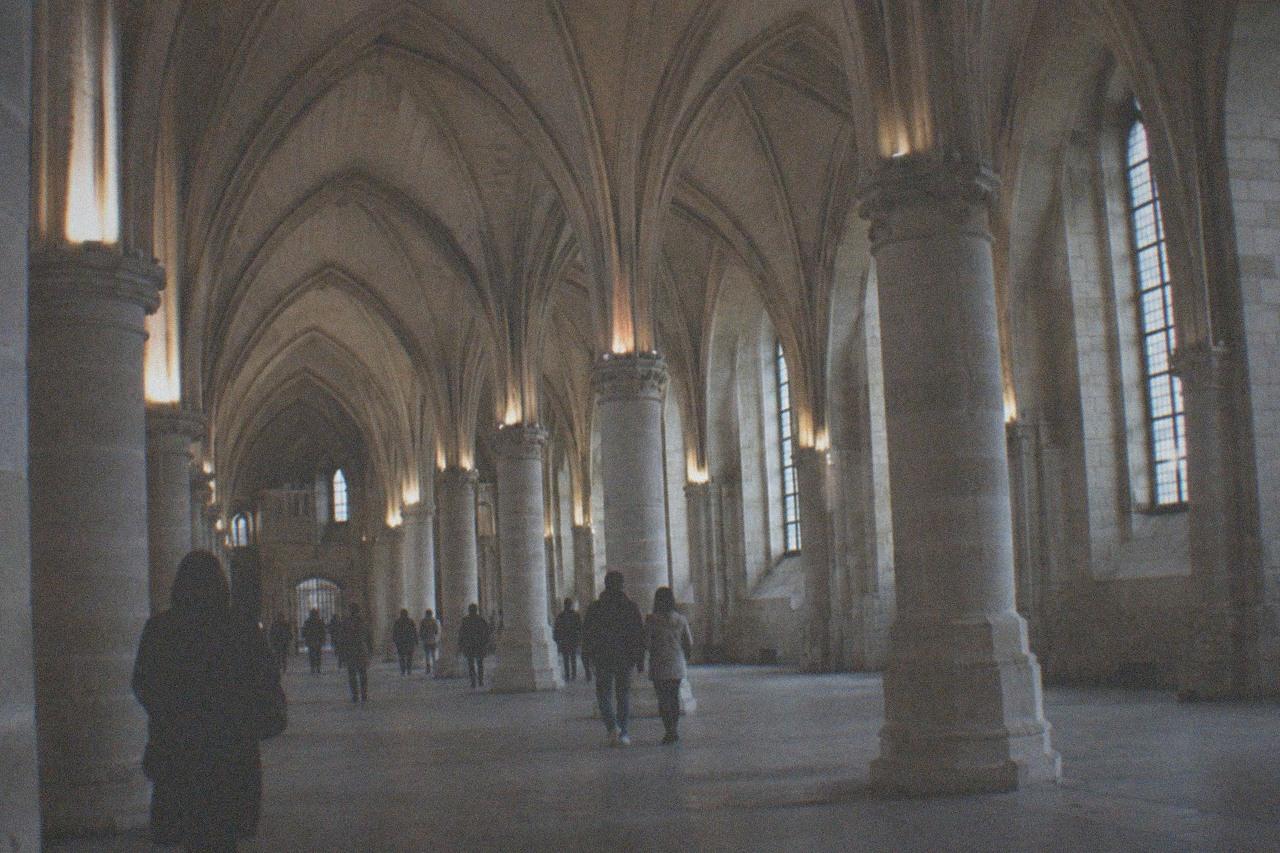
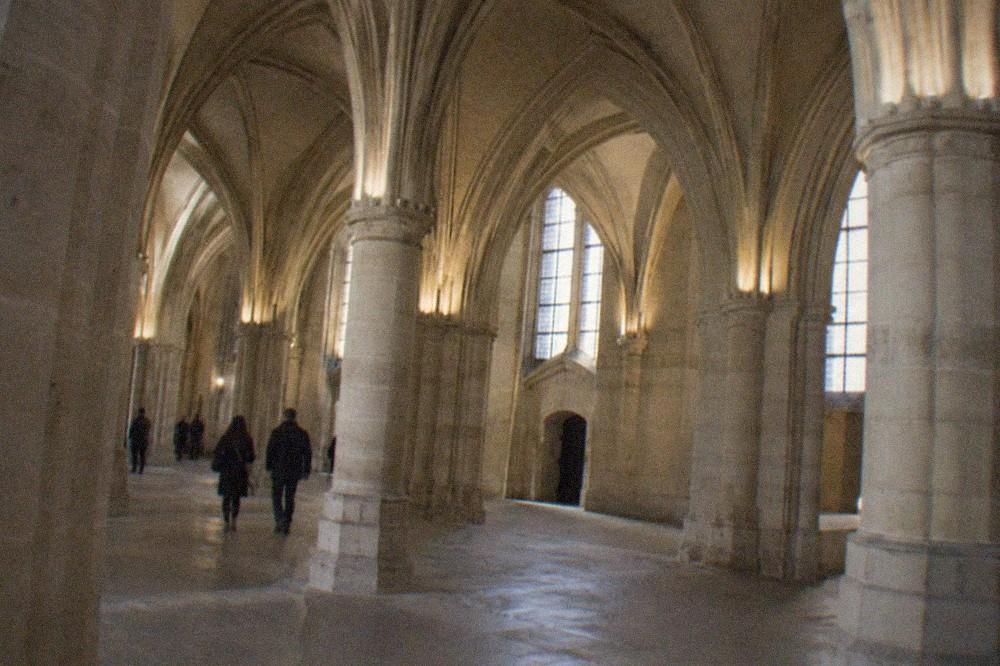
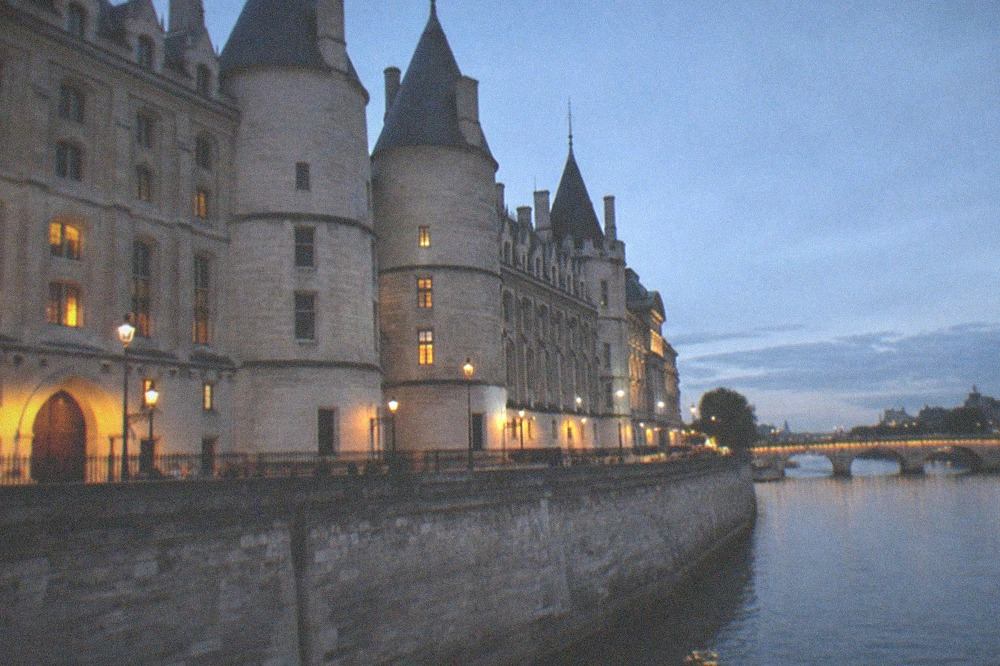
Start with the Salle des Gens d'Armes, because it is the room everyone photographs. Four enormous naves of ribbed vaulting rest on pillars, with a double staircase running up one wall, and the space was built in the 14th century as a dining and assembly hall for the palace's lower staff. It is one of the finest surviving examples of secular Gothic architecture in Paris, and it is the single biggest payoff of the ticket. On a quiet morning you can stand in the middle of it and hear your own footsteps, which is not something the Louvre offers at any hour.
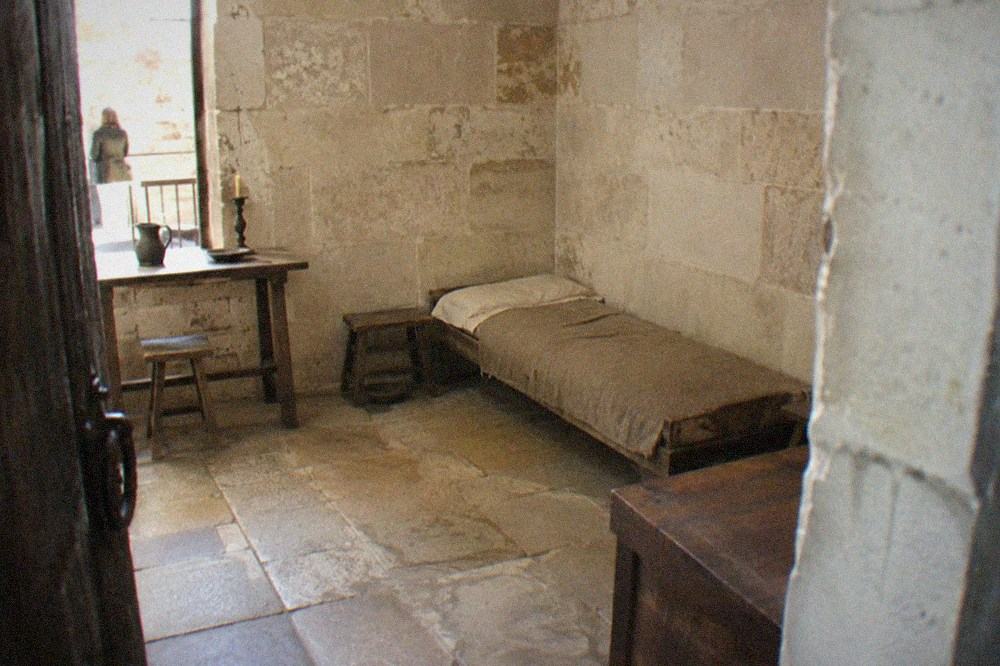
From there the route moves into the kitchens, two of the four medieval fire rooms that once fed the royal household, and then climbs into the prison story. The Revolution converted part of the palace into a prison, and it became the antechamber of the guillotine: prisoners were tried in the Palais de Justice next door and held here before being carted across the river. The cells on display are reconstructions rather than untouched originals, and the presentation says so plainly, which is more honesty than most prison museums manage.
The emotional centre is the chapel. It stands on the spot of Marie-Antoinette's cell, built during the Restoration as an act of memorial, and visitors regularly report that this small room is where the visit stops being architecture and becomes history. Nearby, the women's courtyard and the "Cour des Femmes", with its fountain where prisoners washed, closes the loop. The whole thing reads as a story with a beginning, middle and end, which is why an hour is usually enough and 90 minutes is generous.
One caveat worth setting before you buy. The name "Conciergerie" technically covers only the medieval palace floors; the prison-era rooms are inside the same building but the visit is marketed as one monument. There is no separate prison ticket. Everything on this page refers to the single combined visit.
If you prefer your history delivered rather than read, an audioguide is included at some comparable Paris sites but the Conciergerie sells its own version separately, so check what the desk offers on the day. The panels carry the same story in compressed form, and plenty of reviewers report finishing the visit perfectly well on panels alone.
What Does The Conciergerie Ticket Cover And What Does It Cost?
The standard Conciergerie ticket costs €13 at the door and covers the full visitor route, including the guard hall, the kitchens, the prison rooms, the memorial chapel, and the women's courtyard. The attraction holds a 4.2 rating across 291 reviews. There is no weekly closed day, timed entry is compulsory, and the only bookable product covering it here is a combined Sainte-Chapelle and Conciergerie ticket at $34.95, which only pays if you plan to see both on the same day. No upsell waits inside.
| Option | What it covers | Price | Notes |
|---|---|---|---|
| Door ticket | Full route: guard hall, kitchens, prison cells, chapel | €13 | Timed entry compulsory |
| First Sunday, 1 January to 31 March and 1 November to 31 December | Same full route | Free | The CMN monuments' seasonal rule, never April to October |
| Under 18 with photo ID | Full route | Free | Applies at all national monuments |
| EU and EEA residents under 26 | Full route | Free | Residency is what is checked, including a long-stay permit over four months |
| Combined Sainte-Chapelle and Conciergerie | Both monuments, same island | $34.95 | Bookable from price; the sensible pick if you are doing both |
The door price is the anchor for every comparison. The bookable combined ticket at $34.95 bundles the two island monuments, and since Sainte-Chapelle alone charges €22 from outside the EEA and €16 for EEA visitors, the maths only works in its favour if you were going to walk into both anyway. If you are only doing the Conciergerie, €13 at the door is the cheapest route in, and the Conciergerie ticket page on this site lays out the options side by side.
The free-day rule trips people up more than the price does. The Conciergerie belongs to the Centre des Monuments Nationaux family, and that family's rule is not "free every first Sunday". It is free the first Sunday of the month from 1 January to 31 March and from 1 November to 31 December only, never from April to October, a rule the official gratuity conditions page states in one line. One caveat is worth carrying: the Conciergerie's own practical information page lists its free Sundays as January, February, March and November, without December, so if a December first Sunday is the whole reason for your visit, check the monument's page rather than the network rule. Plenty of older guides print the old all-year rule, and plenty of visitors have arrived on a summer first Sunday expecting a free ticket that no longer exists.
One more cost note for pass holders. The Paris Museum Pass does cover the Conciergerie, but it still demands a separate free timed reservation, one of eight pass sites that do. A pass does not waive the slot, and this is exactly the kind of detail Paris Museums exists to catch, because it silently breaks itineraries that assumed a pass meant walk-in access.
The pass arithmetic is worth spelling out. The pass costs €85 for two days, €105 for four and €125 for six, counted in hours from the first scan, and it covers dozens of sites including this one. If your itinerary already lists the Louvre, Orsay, Sainte-Chapelle and Versailles alongside the Conciergerie, the pass likely wins; if the Conciergerie is your only paid monument of the day, a single €13 door ticket is the cheaper call.
Who Gets Into The Conciergerie Free?
Visitors under 18 get into the Conciergerie free with a photo ID, and so do EU and EEA residents under 26, including anyone holding a long-stay residence permit or a visa valid for more than four months. If you fall into either group, simply show the required document at the entrance and you will not be charged admission. Beyond that, the Conciergerie is free for everyone on the first Sunday of the month, but only from January to March and November to December, the seasonal window the national monuments authority applies to all its Paris sites. No other reduction applies to the flat €13 adult rate.
The age rule is broader than most visitors realise, and the mechanism is residency, not nationality. The official conditions spell it out: young people from the EU and EEA under 26 qualify, and so do holders of a long-stay residence permit or visa of over four months, on presentation of a photographic identity document or an official document confirming the age category. In practice, what gets checked at the desk is a document that shows both your face and your age, or your face and your residency. A student with a French long-stay visa and a non-EU passport qualifies; a tourist of the same age with a plain passport does not. The monument's own practical information page carries the current wording.
For families, this makes the Conciergerie one of the better value history stops in Paris. Two adults at €13 each plus free children is a cheaper morning than almost anything comparable in the 1er arrondissement, and the content suits teenagers far better than younger children, whose patience for prison history runs shorter than the audioguide does.
There is no separate reduced rate worth chasing for older visitors: the €13 door price is the flat adult rate, and the free categories above are the only discounts. Visitors holding a Paris Museum Pass pay nothing on top of the pass itself but still need the timed slot, as covered earlier.
A practical note on documents: the check is real, not theoretical. Bring the passport, visa or residence permit itself rather than a photograph of it, because staff are looking for an original document with a photograph and the relevant date. Visitors who turn up with a student card alone, no age printed and no residency status, are the ones who end up paying the full €13 at the desk.
How Long Should You Allow For The Visit?
Plan on about an hour for the Conciergerie itself. If you intend to take the audioguide or read the information panels closely, a better estimate is 90 minutes, so it makes sense to schedule your visit with that amount of time in mind. The route is short in metres and dense in information, so most of the variance comes from reading speed and the guard hall, where people linger longer than they expect. Add queue time for the timed slot in summer, and the whole visit still fits comfortably inside a two-hour island morning alongside Sainte-Chapelle.
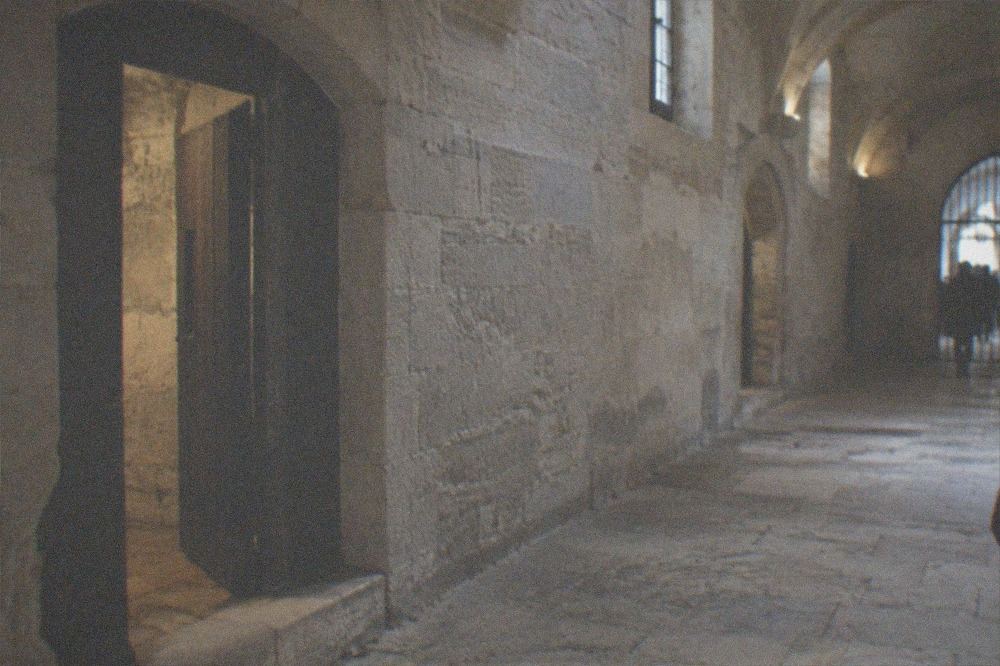
The building rewards slow looking in exactly two places. The Salle des Gens d'Armes deserves fifteen unhurried minutes from anyone who likes architecture, because the vaulting is the point and it rewards standing still and looking up. The memorial chapel deserves whatever time the Marie-Antoinette story holds for you; for some visitors that is two minutes, for others it is the moment the whole visit turns. The remaining rooms, the kitchen fires, the reconstructed cells and the women's courtyard, move past at walking pace with a pause here and there, and together they take most people about forty minutes.
That produces a natural planning shape. If your morning is the whole island, budget one hour for the Conciergerie, thirty to forty-five minutes for Sainte-Chapelle, and whatever the Notre-Dame queue is doing that day, and you have a half day that covers three of the most historic sites in Paris without a metro ride between them. Reviewers regularly describe the Conciergerie visit as shorter than expected, which cuts both ways: it is a genuine monument, and it does not eat your schedule.
If you are the type who reads every panel, take the 90-minute version and do not fight it. But do not pad the visit artificially, because the Conciergerie is better as a concentrated hour inside a bigger island morning than as a stand-alone half-day destination. That is the honest answer to "how long does the visit take": long enough to matter, short enough to fit.
Which Days Is It Open, And How Does It Compare With The Alternatives?
The Conciergerie has no weekly closing day, which is unusual on the Île de la Cité, and it compares well with the two nearest paid alternatives: Sainte-Chapelle at €22 from outside the EEA, and the Musée de Cluny at €14. Each suits a different visitor, and the comparison matters more than any single ticket price. The daily opening makes it the natural Monday stop when the rest of the museum city shuts.
| Monument | Door price | Closed day | Free first Sunday | Rating |
|---|---|---|---|---|
| Conciergerie | €13 | None, open daily | January to March and November to December only | 4.2 across 291 reviews |
| Sainte-Chapelle | €16 EEA / €22 non-EEA | None, open daily | January to March and November to December only | 4.3 across 141 reviews |
| Musée de Cluny | €14 | Monday | Every first Sunday, all year | Not published |
The open-daily fact is quietly valuable. Most Paris museums pick Monday or Tuesday, and the Monday camp includes the Orsay, Rodin, Picasso, quai Branly, Cluny and the Catacombes, among many others. The Conciergerie belongs to the small daily-open club alongside the Arc de Triomphe, the Panthéon, Sainte-Chapelle and the Musée de l'Armée, which makes it a reliable Monday or Tuesday filler when the big museums are shut. Our rundown of what the Paris Museum Pass actually covers is worth a look before you build a day around it, because the reservation rules differ site by site.
Against Sainte-Chapelle, the choice is really stained glass against stone. Sainte-Chapelle delivers one overwhelming upper chapel of 13th-century glass that takes the breath away in fifteen minutes; the Conciergerie delivers vaulting and a human story that takes an hour. They sit on the same island, minutes apart, and the combined ticket at $34.95 exists precisely because most visitors sensibly do both. Our piece on how long the Sainte-Chapelle wait runs and what the combined ticket covers goes deeper on that pairing.
Against the Musée de Cluny, the comparison is medieval Paris in two flavours. Cluny is the Middle Ages as art: the Lady and the Unicorn tapestries, sculpture, goldsmith work, in a museum that closes Mondays and opens its doors at €14, with the Cluny ticket details on its own page. The Conciergerie is the Middle Ages as power: a working palace hall where the crown's household actually ate and slept. History-first visitors with only one slot usually pick the Conciergerie for the story; art-first visitors pick Cluny for the objects.
For a deeper history day in the same spirit, the Musée de l'Armée at Les Invalides charges €17, opens every day of the week and covers Napoleon's tomb alongside its collections, making it the natural second stop for anyone whose favourite hour in Paris was the Conciergerie's prison floor.
Common Questions About The Conciergerie
Is La Conciergerie Worth It, And How Long Does The Visit Take?
Yes, for most visitors. The monument is compact, moving and priced at €13, with no weekly closing day, and most people spend between an hour and 90 minutes inside. It works best as part of an Île de la Cité morning alongside Sainte-Chapelle and Notre-Dame.
What does the Conciergerie ticket include?
The €13 door ticket covers the full route: the medieval guard hall, the palace kitchens, the reconstructed prison cells, the Marie-Antoinette memorial chapel and the women's courtyard. There is no extra exhibition or upsell inside the standard visit.
Is the Conciergerie free on the first Sunday of the month?
Only in winter. It is free the first Sunday of the month from 1 January to 31 March and from 1 November to 31 December, never from April to October. That seasonal rule applies to all the national monuments, including Sainte-Chapelle and the Arc de Triomphe.
Can you visit the Conciergerie and Sainte-Chapelle together?
Yes, and it is the sensible pairing. The two monuments sit minutes apart on the same island. A combined bookable ticket covering both is listed at $34.95, and it only pays off if you plan to visit both, since Sainte-Chapelle alone charges €22 from outside the EEA.
Is the Conciergerie suitable for children?
Under-18s enter free with photo ID, so the cost is never the issue. The content suits teenagers well, particularly the Revolution story, but younger children tend to tire of prison rooms and information panels. An hour is the realistic ceiling for families.
Is the Paris Museum Pass accepted at the Conciergerie?
Yes, the pass covers it, but a separate free timed reservation is still required, one of eight pass sites that demand one. A pass does not get you through the door without the slot, so book it before you arrive.
Which day is the Conciergerie closed?
None. It has no weekly closing day, which makes it a reliable Monday or Tuesday visit when most Paris museums are shut, including the Orsay, Rodin, Picasso and Cluny.