How Much Does It Cost To See Napoleon's Tomb At Les Invalides?
Seeing Napoleon's tomb at Les Invalides costs €17 for a full-price adult ticket, which also covers the entire Musée de l'Armée. Here is what the ticket includes, who gets in free, and how to plan the visit.
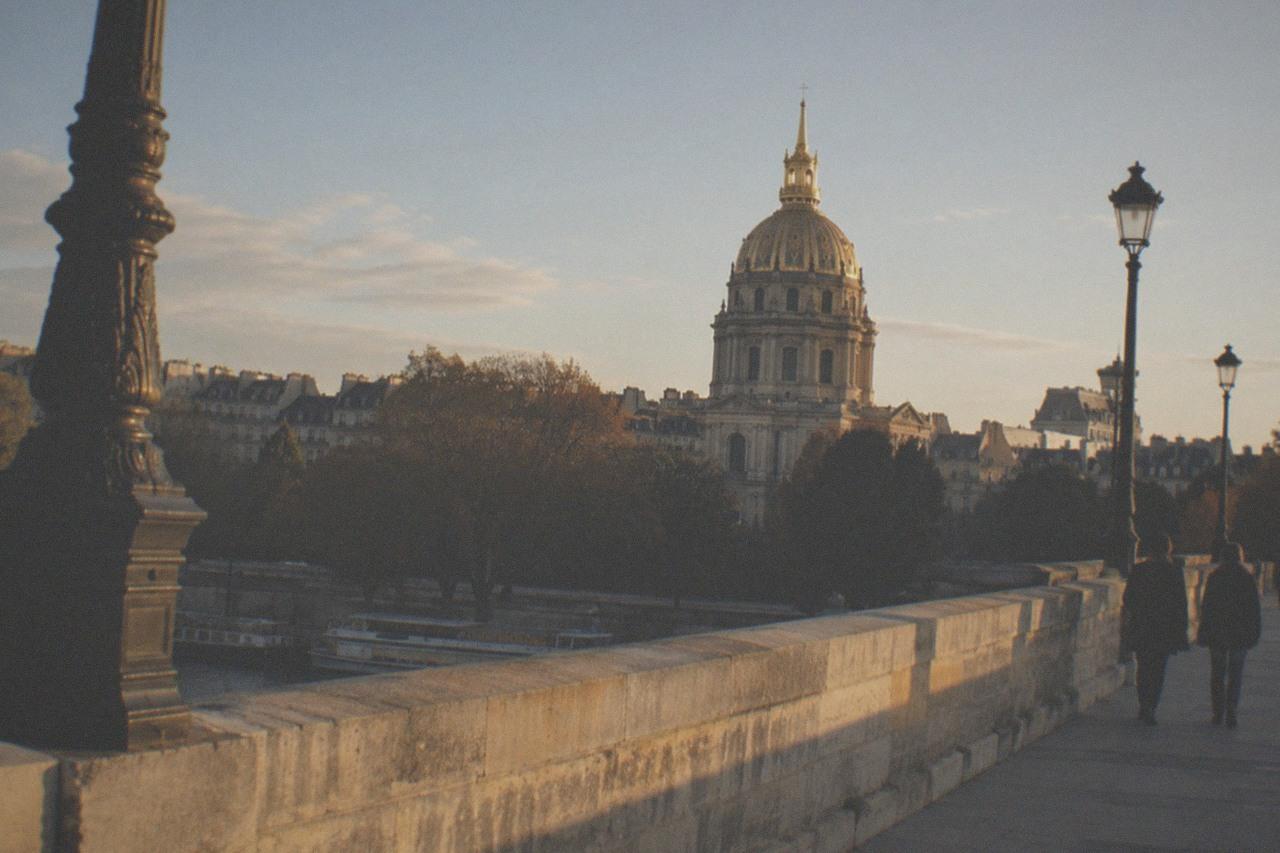
How Much Does It Cost To See Napoleon's Tomb At Les Invalides?
A full-price adult ticket to see Napoleon's tomb costs €17, and that single ticket covers both the Dôme des Invalides, where the emperor lies in his red quartzite tomb, and the whole Musée de l'Armée around it. A bookable timed-entry ticket runs from $19.78. Under-18s enter free with photo ID, and so do EU and EEA residents under 26. There is no free first Sunday at this museum.
That €17 figure is the museum's own door price, published on its official pricing page, and it is the number to work from. The Dôme is not sold separately from the rest of the complex. You cannot buy a tomb-only ticket, walk in, look at Napoleon, and leave. The chapel and the museum are one attraction under one roof system, and the ticket treats them that way, which is either good value or an unexpected commitment depending on how much military history you want in your afternoon.
The bookable alternative, a timed-entry ticket sold through a reseller at a from-price of $19.78, exists for people who want a guaranteed slot and a skip-the-line entry. The platform from-price is never the same figure as the door price in euro, and on this page the two sit close together because the museum's own admission is modest by Paris standards. The bookable product is rated 4.6 across 10,794 reviews, which is a strong score for a museum of this size. The Paris Museums roster keeps both figures side by side precisely so the two are never confused.
The opening line of the official listing states: "The Musée de l'Armée and the Dôme des Invalides form a single museum." That single sentence explains the whole pricing structure. What looks like a chapel with a famous body in it is legally and practically one museum with two halves, and the €17 buys both halves whether you use them or not.
Before going deeper on what the ticket includes, here are the three history sights near Les Invalides that most visitors end up weighing against each other:
What Does The €17 Ticket Actually Cover?
The €17 ticket covers the Dôme des Invalides and Napoleon's tomb, the classical arms and armour galleries, the two world war departments, the medieval and Renaissance weapons collections, the model artillery collection and the Chapel of Saint-Louis. It is one ticket for the entire Musée de l'Armée complex, valid for a single visit, with no separate tomb-only option sold at any price.
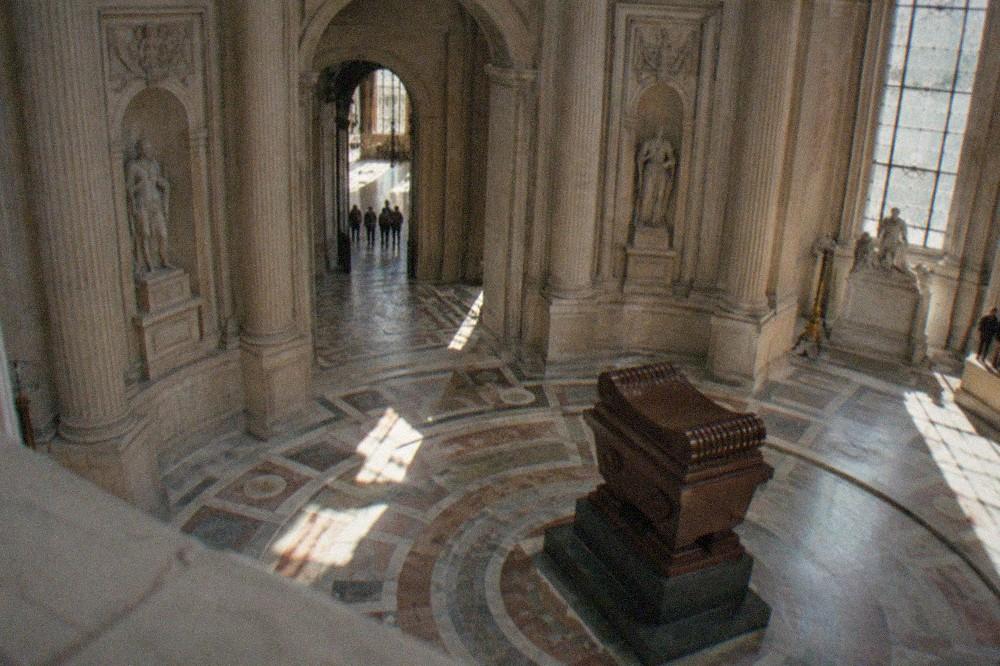
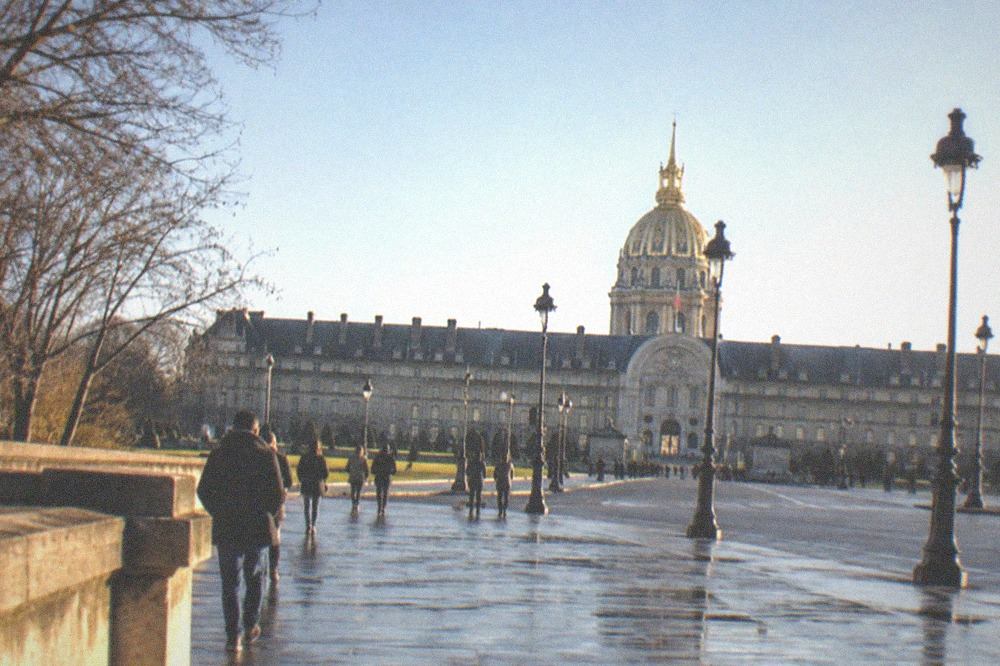
The Dôme itself is the headline act. Under the great gilded dome, Napoleon Bonaparte rests in five nested coffins inside a red quartzite sarcophagus on a green granite pedestal, ringed by a circular gallery where twelve sculpted figures celebrate his victories. The tomb was completed long after his body was returned from Saint Helena, once the Second Empire decided the emperor deserved a resting place on this scale, and the rotunda around it also holds the graves of his brothers Joseph and Jérôme, his son known as the King of Rome, and the marshals Foch and Lyautey. Visitors regularly report that the room is smaller and quieter than they expected, and that the sense of scale comes from the dome above rather than the crowds around it, since this is one of the few major Paris sights where crowding is rarely the problem.
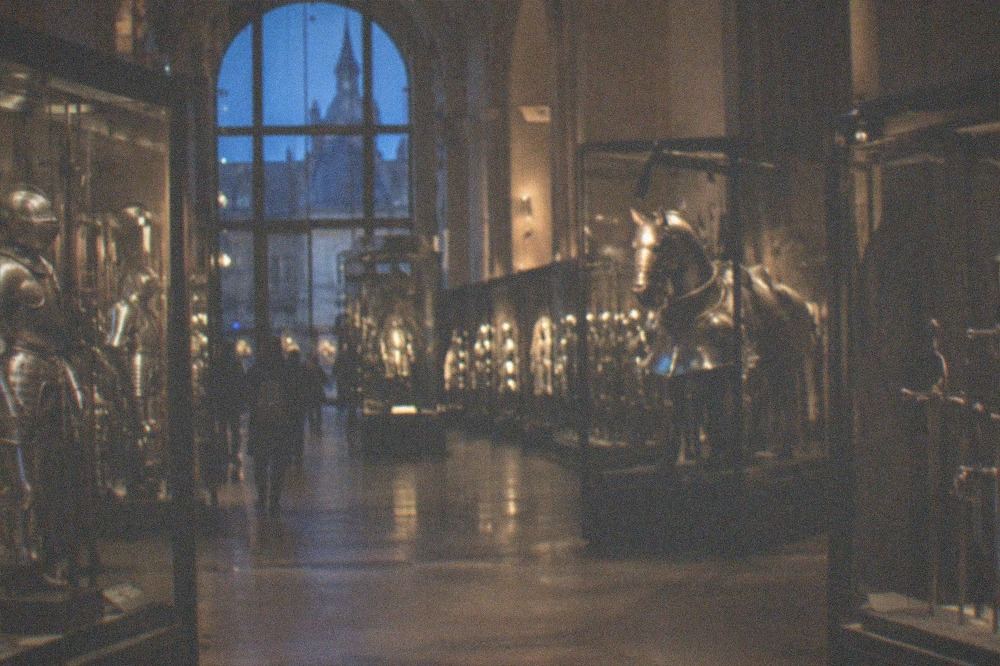
Around the dome stretches the museum proper. The arms and armour galleries on the ground floor hold one of the finest such collections in the world, running from medieval swords and tournament harnesses through ceremonial gifts between monarchs. The modern wings walk you from the late nineteenth century through both world wars, with uniforms, vehicles, and an enormous amount of personal kit, and the coverage of the occupation and the resistance is among the fullest anywhere in France. The artillery models and the oriental collections fill the wings along the courtyard. Reviewers consistently say the museum is bigger than they assumed from outside: the Hôtel des Invalides is a full city block, and the galleries run the length of it.
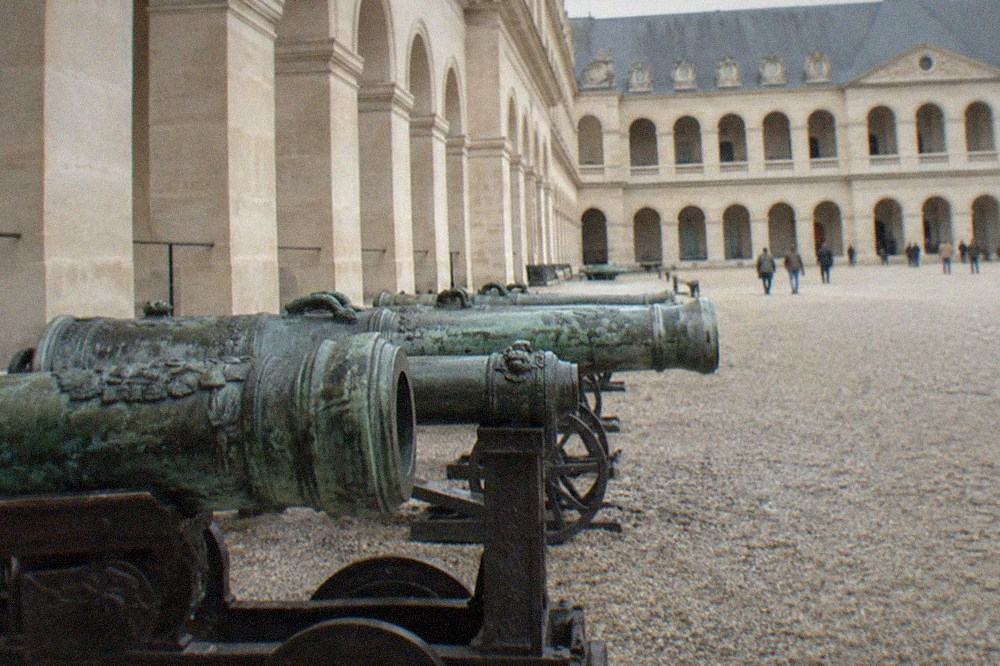
The practical point, and one the museum's own page states plainly, is that the ticket is for the whole site: the Dôme, the old and modern departments, and the cathedral of Saint-Louis, which was the soldiers' church and is the complex's other historic interior. If you came for Napoleon and have twenty spare minutes, the armour galleries nearest the dome entrance are the ones to walk through, because they are the closest thing the museum has to a second spectacular room. The whole complex was built as a hospital and retirement home for Louis the Fourteenth's soldiers, and that origin explains both the enormous courtyard plan and why the museum's collections grew around the men who actually lived here.
For visitors who want the entry secured ahead of time, a timed ticket to the Musée de l'Armée and the Dôme can be booked from $19.78, with the usual free-cancellation window offered on the operator's listing. That matters most in summer and on French school holidays, when the dome entry queues stretch longest.
Who Gets In Free At Musée de l'Armée?
Under-18s enter free with a photo ID, and so do EU and EEA residents under 26, including holders of a long-stay residence permit or visa over four months. Beyond those groups there is no free day: the Musée de l'Armée has no first-Sunday free entry and no seasonal free window, only the conditional exemptions on the official gratuity list.
The age and residency rules are the same framework the national monuments run. A young resident of Paris with a foreign passport and a French long-stay permit qualifies. A young tourist on a short visit does not, even if they hold an EU passport, because residency is what gets checked, not nationality. The proof asked for is an identity document with a photograph or an official document confirming the age category, as the national monuments' gratuity conditions set out. Families therefore spend far less than the headline ticket suggests: children pay nothing at every age, and a family with teenage children resident in Europe may pay nothing at all for the entire complex.
What there is not, and this is where many published guides go wrong, is a free Sunday. The two big free systems in Paris are the Paris Musées network, which is free all year and does not include this museum, and the first-Sunday rule at national museums, which the Musée de l'Armée does not participate in. The museum's own conditions list only conditional gratuities, and the roster records it plainly: no first-Sunday free entry here. If a guide tells you to show up on the first Sunday of the month for nothing, that guide is describing a different museum.
If the question is simply whether to book the timed entry or take a chance at the door, the honest summary is that the door price is low and the queue risk is modest for most of the year. The bookable ticket earns its keep in peak season and for anyone who wants the visit locked into a fixed plan. Whichever way you choose, the price of admission is the same €17 of museum value, and the choice is about certainty, not access.
How Long Should You Allow And When Is It Open?
The Musée de l'Armée is open every day of the week, with no weekly closing day at all, which makes it one of the most schedule-friendly major museums in Paris. For the tomb alone, allow around half an hour. To see the dome and the best galleries at a reasonable pace, plan on two to three hours, and the full museum comfortably fills a half day.
The no-closed-day point is worth dwelling on because Paris does not make it easy to find. The Louvre closes Tuesdays. Orsay, the Orangerie's sister institutions, Versailles, the Cluny, the Picasso and most of the city's museums close Mondays. Les Invalides closes never. That makes it the default answer for the awkward day in any itinerary, and the reason a three-day Paris museum plan so often parks it on a Monday or Tuesday when the giants are shut.
For timing inside, the honest answer is that the complex has two very different visits inside it. The twenty-minute version is real: enter, climb to the rotunda gallery, look down on the tomb, walk the circle, leave. Reviewers regularly report doing exactly this between other plans. The two-to-three-hour version adds the armour galleries and one of the world war wings. The half-day version is for people who want the whole set, and visitors with a serious interest in military history report spending even longer. There is no wrong answer among these, but buying the ticket knowing which visit you are buying it for saves the fatigue.
The museum sits in the 7th arrondissement at 129 rue de Grenelle, a short walk from the Varenne and Invalides métro stations and from the Rodin museum, which closes on Mondays. A common and sensible pairing is the Rodin museum and its sculpture garden, €14, followed by the Dôme, since the two sit ten minutes apart on foot. The 7th is quiet in the evenings, so finishing at Les Invalides and walking down to the Esplanade toward the Seine at dusk is one of the better free ends to a Paris day.
How Does Les Invalides Compare With The Nearest Alternatives?
The three history sights visitors most often weigh together are the Musée de l'Armée at €17, the Musée de Cluny, the medieval museum, at €14 at the door, and the Conciergerie at €13. All three are covered by the Paris Museum Pass. None of the three has an all-year free Sunday, and their closed days differ: the Cluny shuts Monday, the Conciergerie never closes, and Les Invalides never closes.
The comparison matters because most Paris itineraries in this corner of history end up choosing two of these three. The table below sets out the verified figures side by side.
| Sight | Door price | Closed day | Free first Sunday | Bookable from |
|---|---|---|---|---|
| Musée de l'Armée and Dôme des Invalides | €17 | none | no | $19.78 |
| Musée de Cluny (medieval art) | €14 | Monday | yes, every month | $18.65 |
| Conciergerie (revolutionary prison) | €13 | none | Jan-Mar and Nov-Dec only | $34.95 combined |
The Conciergerie figure deserves a note. The €13 is the door price, but the bookable product at $34.95 is a combined Sainte-Chapelle and Conciergerie ticket, so it only makes sense if you are doing both Île de la Cité sights. The Conciergerie ticket and pricing page breaks down when that combined product pays for itself. The Cluny, meanwhile, is the cheapest of the three at the door, and its own free rule is the most generous: free the first Sunday of every month, all year, with no booking needed.
For visitors deciding on depth versus breadth, the three museums answer different questions. Les Invalides is the grandest space and the biggest collection. The Cluny, home of the Lady and the Unicorn tapestries, is the most intimate. The Conciergerie is the shortest visit and the most atmospheric. A visitor with one history slot in a Paris week most often ends up at the Dôme, because Napoleon is Napoleon.
The Cluny pairs naturally with a Musée de Cluny timed ticket, which is worth having even at only a few euro over the door price, because the medieval museum is small and its entry hall narrows. It shuts Mondays, the one practical difference from Les Invalides that catches people out.
Is The Paris Museum Pass Worth It For Les Invalides?
The Paris Museum Pass covers the Musée de l'Armée fully, with no separate reservation needed, which makes it one of the pass's simplest sites. Whether the pass pays depends on the rest of the itinerary: the pass costs €85 for 2 days, €105 for 4 days and €125 for 6 days, counted in hours from the first scan, and Les Invalides contributes €17 of door value toward that total.
The pass's own pricing page lists the three durations at €85, €105 and €125, and one detail changes how the arithmetic works: validity is counted in hours from the first scan, not in calendar days. A 2-day pass activated Wednesday at 3pm runs to Friday at 3pm. That matters when Les Invalides is your opener, because the museum's no-closed-day schedule means you can activate the pass here on any day and lose nothing.
What the pass does not do here is cover temporary exhibitions. That flat rule, quoted from the pass site, applies at every site in the list, and the Musée de l'Armée runs ticketed temporary shows in its west wing. A pass holder who wants the current exhibition buys that ticket separately inside.
The quick arithmetic is easier to see than to explain. A pass pays for itself when the door prices on your itinerary add up past its price. A four-day plan that includes the Louvre at €32, Versailles at €35, the Arc de Triomphe at €22 and Les Invalides at €17 is already past €100 before anything else, so the €105 pass has broken even with three days still to use it. A two-day plan built around free city museums and Les Invalides alone will not come close. The three-day Paris museum itinerary on this site shows a pass-friendly sequence in full, and the deeper is the Paris Museum Pass worth it breakdown runs the arithmetic for every price tier.
One exclusion list detail worth repeating: the pass buys nothing at the Catacombes, the Eiffel Tower, the Opera Garnier or Marmottan Monet, and nothing at any city museum, because those are free anyway. Les Invalides is firmly on the covered side of that line, in the simple majority where the pass alone is enough and no extra booking is required.
If the decision is coming down to booking entry now rather than planning the whole pass, the three history options stand as they did at the top of this page:
Common Questions About Napoleon's Tomb At Les Invalides
How Much Does It Cost To See Napoleon's Tomb At Les Invalides?
A full-price adult ticket costs €17, and it covers the Dôme des Invalides and Napoleon's tomb together with the entire Musée de l'Armée. A bookable timed entry runs from $19.78. Under-18s with photo ID and EU and EEA residents under 26 get in free.
Can you see just the tomb without buying the full museum ticket?
No. The Dôme and the Musée de l'Armée are one museum under one ticket, and no tomb-only option is sold at any price. The €17 covers everything, whether you walk the whole complex or just the rotunda.
Is the Musée de l'Armée free on the first Sunday of the month?
No. The museum has no first-Sunday free entry at any time of year, only the conditional exemptions for under-18s and EU and EEA residents under 26. The first-Sunday free rule applies to a different set of museums.
What day is Les Invalides closed?
None. The Musée de l'Armée and the Dôme des Invalides are open every day of the week, with no weekly closing day. That makes it one of the most schedule-friendly major museums in Paris.
How long should I allow for Napoleon's tomb?
For the tomb and the rotunda alone, around half an hour is enough. Add the armour galleries and one world war wing and the visit grows to two or three hours. The full museum fills a half day for anyone with a serious interest in military history.
Is the Paris Museum Pass valid at Les Invalides?
Yes, the pass covers the Musée de l'Armée fully, and unlike the Louvre or Orsay it needs no separate timed reservation. The pass costs €85 for 2 days, €105 for 4 days and €125 for 6 days, counted in hours from the first scan, and it never covers temporary exhibitions.
Where exactly is Napoleon buried inside the building?
He lies in the crypt directly beneath the high dome of the Dôme des Invalides, in a red quartzite sarcophagus set on a green granite pedestal, surrounded by a circular gallery and the tombs of his brothers, his son and the marshals Foch and Lyautey.