Is The Musée de Cluny Worth Visiting, And Where Is The Lady And The Unicorn?
What the Musée de Cluny holds, where the Lady and the Unicorn hangings are, what a ticket costs at €14 at the door, the free first Sunday, the Monday closure, and how the museum compares with the Musée de l'Armée and the Conciergerie.
Is The Musée de Cluny Worth Visiting, And Where Is The Lady And The Unicorn?
Yes. The Musée de Cluny is France's national museum of the Middle Ages, packed into a fifteenth-century townhouse and the surviving frigidarium of Roman baths, and it holds the Lady and the Unicorn cycle, one of the great objects of medieval art. Admission is €14 at the door, the museum closes on Mondays, and the whole visit runs comfortably inside two hours.
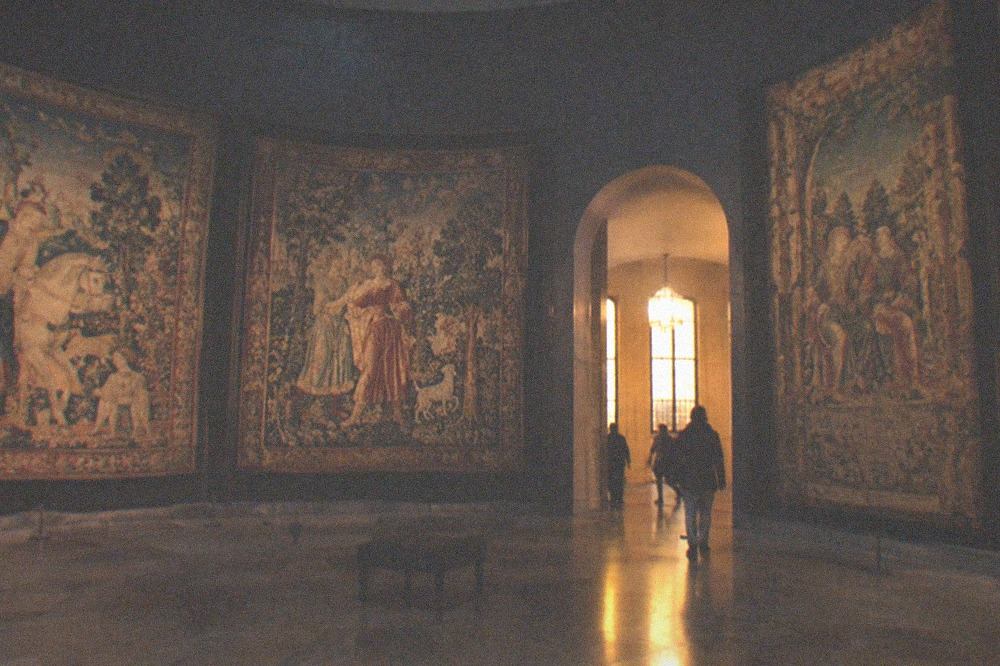
The Lady and the Unicorn hangs in its own dedicated room inside the museum, a circular gallery purpose-built for the cycle. Anyone who arrives expecting a hunt across several floors can relax: the six hangings are one of the first things the visit is organized around, and the room is dim, hushed and deliberately lit so the wool and silk read at their best. Each sense has its panel, and a final one closes the cycle under the motto À mon seul désir, a phrase scholars have argued over for generations. Reviewers consistently describe standing in front of it in silence, which tells you something about what kind of museum this is.
The answer to the worth-it half of the question is easier than most. Cluny is small by Louvre standards, but nothing in it is filler. This Paris Museums guide covers what the ticket covers, what the visit costs in every form, which day will catch you out, and how the museum stacks up against the two nearest alternatives, because the honest comparison is not with the giant collections across the river but with the Musée de l'Armée and the Conciergerie, both of which cover overlapping centuries in a completely different register.
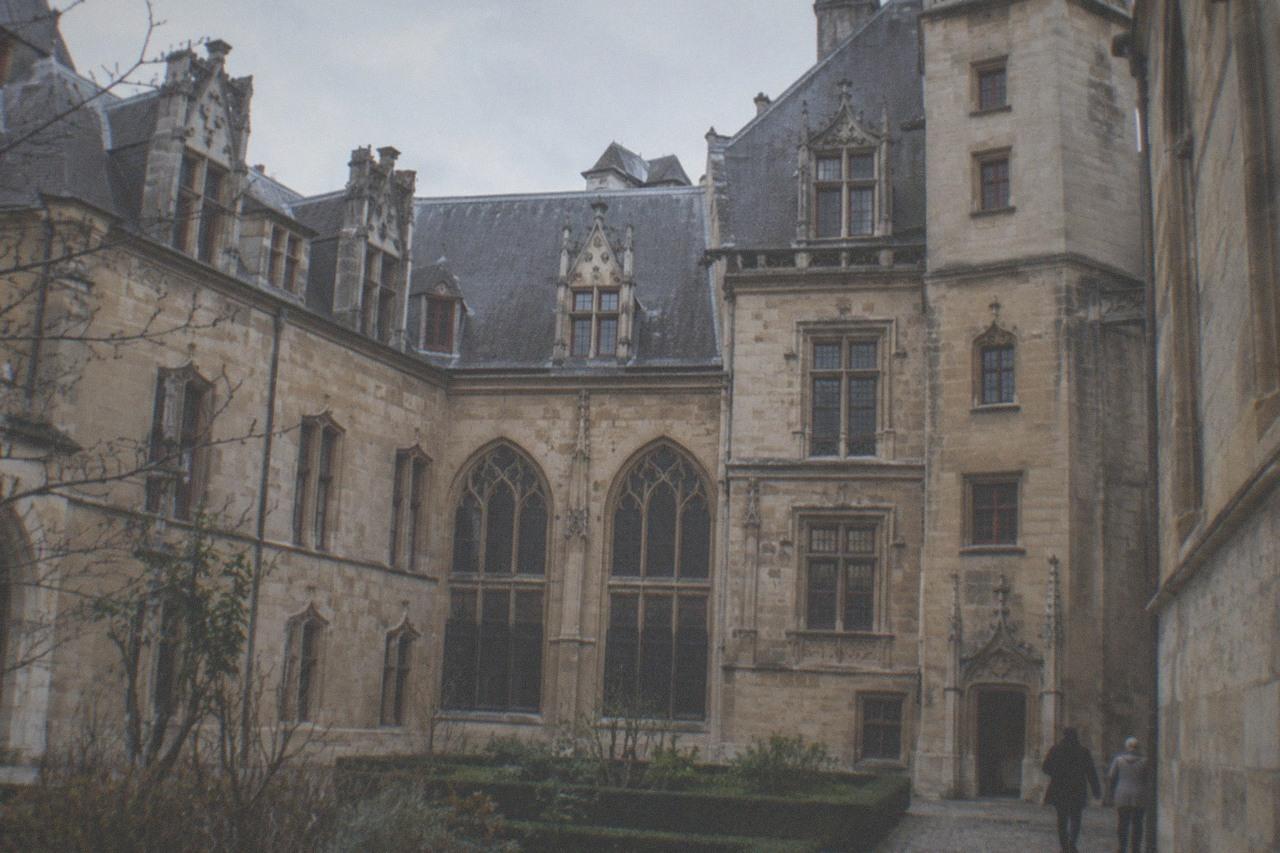
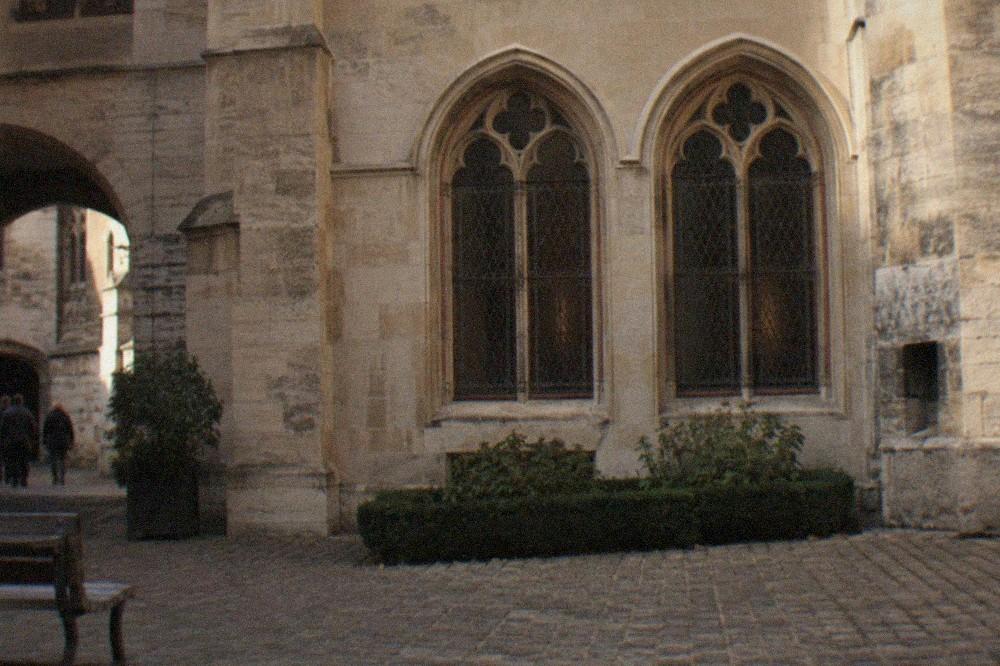
The setting is half the reason to go. The museum sits at 6 place Paul Painlevé and 28 rue Du Sommerard, in the 5e arrondissement of the Latin Quarter, on the corner where the Hôtel de Cluny, the Paris residence of the abbots of Cluny, meets the visible remains of a Gallo-Roman bath complex. Very few national museums in any capital let you stand in a vaulted Roman hall, then climb into a Gothic townhouse five minutes later, on one ticket. That combination alone, before a single object is counted, makes the entry fee one of the better spends in the city's history-museum lineup, alongside the options in our history museums worth pairing roundup.
Worth visiting, then, depends on what you want from a museum afternoon. If your list is Impressionist paintings, Cluny will not serve you. If your list is the Middle Ages, stained glass, ivories, sculpture, goldsmiths' work and the single most famous woven cycle in France, there is no substitute inside the city. Visitors regularly report that the museum rewards attention rather than endurance, that it can be read closely in a couple of hours, and that the density of the objects is closer to a treasury than to a warehouse. That is the profile of a museum worth going out of your way for.
If you already know you want a reserved slot rather than a door ticket, the bookable options below are the direct route.
What Is Actually Inside The Musée de Cluny?
Two buildings and a thousand years of objects. The Hôtel de Cluny, the fifteenth-century residence of the abbots of Cluny, holds the galleries: the Lady and the Unicorn hangings in their own round room, the golden crown and sceptre of the medieval queens of France, sculpture, stained glass, ivories, and everyday objects. The Roman bath next door survives as vaulted stone halls, including the cold-water frigidarium.
Start with the woven works, because almost everyone does. The Lady and the Unicorn room is the still point of the museum, and the cycle reads almost like a sentence you walk around: a lady, a lion, a unicorn, and a motto that has been read as love, as renunciation, and as both at once. The weaving is millefleurs, filled with small plants and animals worked in for their own sake, and the reds have survived in a way very few textiles of the period have. The room is kept deliberately dark, textile being the most fragile material a museum can display, so the visit has a quality of holding your breath that visitors mention again and again in reviews.
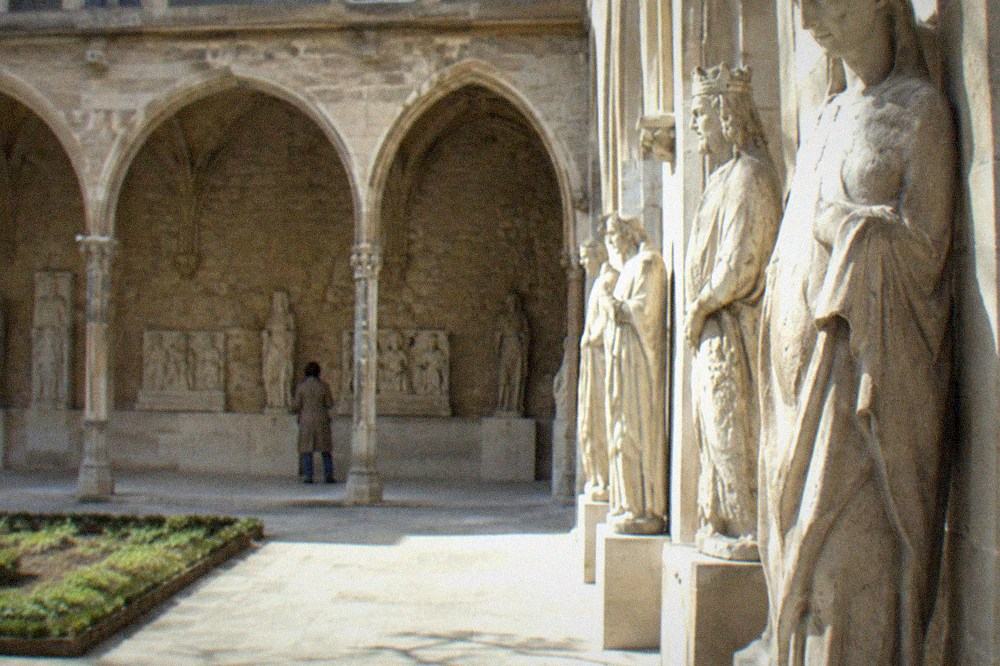
The rest of the Hôtel de Cluny is a walk through what the Middle Ages actually made and used, rather than what later centuries imagined about them. There is a chapel, there are capitals and portal sculpture rescued from buildings that no longer stand, and there is the gallery where the museum's goldsmiths' work sits, including the pieces associated with the French queens. The stained glass runs from church glass to domestic roundels, which is a distinction most visitors have never been offered anywhere else: glass you looked up at, and glass you lived beside. The arms and armour here are courtly rather than battlefield, ceremonial objects of a knightly culture, which is the exact difference between Cluny and the Musée de l'Armée covered further down.
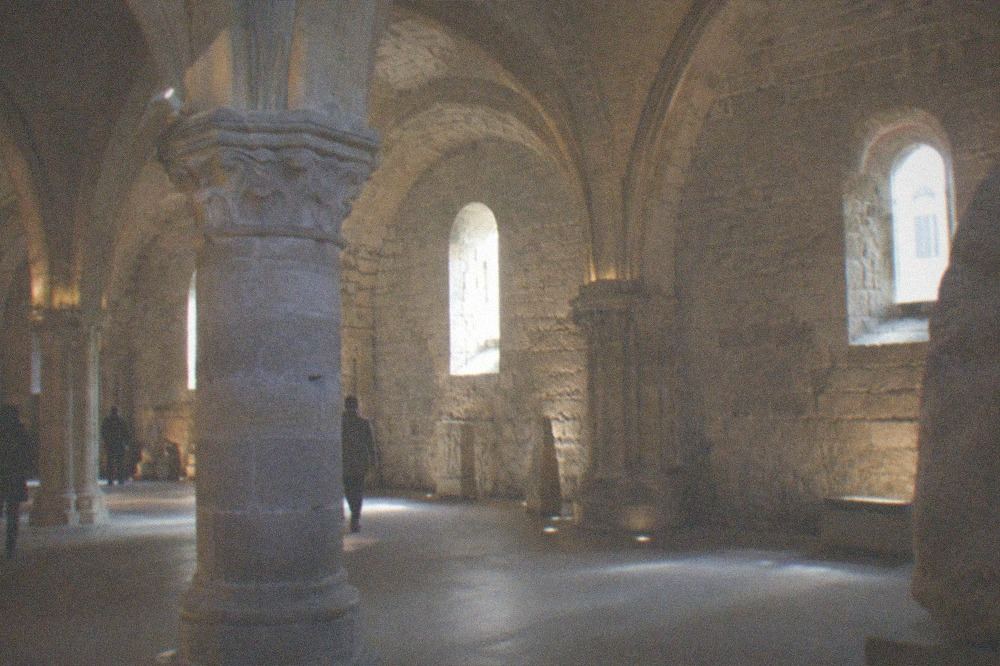
Then the ground drops away, almost literally. The Thermes de Cluny, the Roman bath complex, underlies and adjoins the townhouse, and parts of it are visited on the same ticket: vaulted stone halls from the city the Romans called Lutetia, including the frigidarium, the cold bath hall, whose vault still stands to a height that surprises people who thought of Roman Paris as a footnote. Walking from a fifteenth-century aristocratic residence into a third-century bath is the museum's structural argument, that Paris has always rebuilt itself on its own foundations. Reviewers consistently single this out as the part children remember longest.
The visit is compact enough that the ticket question is simple too. The door price is €14, and the bookable reserved ticket is €16, about two euro over the door for a guaranteed timed slot, a premium worth paying in peak weeks and pointless in quiet ones. The museum's own practical information page carries the authoritative current detail on closures and access, and the Musée de Cluny tickets page lays out the bookable options side by side.
How Much Does The Musée de Cluny Cost, And Who Gets In Free?
€14 at the museum, or €16 for the bookable ticket, which is about two euro over the door price for a reserved slot. Every first Sunday of the month the permanent collection is free to all. Under-18s enter free with photo ID, and so do EU and EEA residents under 26, residency being what is checked. The platform from-price reads $18.65.
The two euro gap between the door and the bookable ticket is worth pausing on, because Paris museums run both directions. At the Musée d'Orsay the online ticket costs more than the door price, while at others booking is the cheaper route. At Cluny, €14 is the walk-up figure and €16 is what a reserved, timed entry reads on the bookable ticket. In the quiet months of the winter season the door is the better buy; in school holidays and around the free first Sunday, when the queue forms anyway, the reservation earns its premium. The from-price on booking platforms reads $18.65, which is a platform figure for a bookable ticket and not the same number as the door price in euro, a distinction this site keeps strict everywhere.
The free rules are generous and conditional. The permanent collection is free to everyone on the first Sunday of every month, all year, with no summer cut-off of the kind the great national monuments run. Beyond that, the national-museum age rules apply: under-18s are free with a photo ID, and EU and EEA residents under 26 are free too, including holders of a long-stay permit or visa over four months. Residency is what gets checked at the desk, not nationality, so a non-European visitor living in France long-term qualifies while a European tourist does not. The wider landscape of what is free in the city, and how the two museum systems divide it, is set out on the city's own page on free museums, a useful reference because the two rules genuinely do not overlap.
| Option | Price | What it gets you |
|---|---|---|
| Admission at the museum | €14 | Full access to the permanent collection, the Lady and the Unicorn room and the Roman baths |
| Bookable reserved ticket | €16 | A guaranteed timed slot, about two euro over the door price |
| Booking platform from-price | $18.65 | A bookable entry through a reseller, a platform figure, not the door price |
| First Sunday of the month | Free | The permanent collection, free to everyone, no seasonal exception |
| Under-18s | Free | With a photo ID |
| EU and EEA residents under 26 | Free | Residency checked, not nationality, including long-stay permits |
One point of honesty about the pricing table: the reduced rates and any combined tickets the museum itself may run are not printed here because they were not verified for this page, so treat the table as the adult-visit picture rather than a tariff of record. The permanent-collection ticket is the one that matters, and it covers the whole site, townhouse and baths together, with no separate charge for the Lady and the Unicorn room. Temporary exhibitions, when one is running, are the classic exception, and a visit during a show may involve a separate or combined ticket, which is the standard pattern at national museums and worth checking against the museum's own page before a special trip.
If a reserved slot is what you want, this box goes straight to it.
How Long Should You Allow, And Which Day Is The Musée de Cluny Shut?
The museum is closed on Mondays, open the rest of the week, and the first Sunday of the month is the free one. Allow an hour to an hour and a half for the galleries alone, and longer if you mean to read the Roman baths and any temporary exhibition. The building is compact, but the objects are dense, so slow beats fast here.
The Monday closure is the trap, and it catches people constantly because the closure camps in Paris are unintuitive. The Louvre shuts on Tuesday; the Musée d'Orsay, the Musée Rodin, the Musée Picasso, the Musée du quai Branly and Cluny all shut on Monday. A visitor planning a Monday museum day around the Latin Quarter finds the doors of exactly the museums they came for closed, while Tuesday would have worked for nearly all of them. The rule of thumb this site keeps repeating is worth repeating again: on a Monday, plan around the attractions that never close, and on a Tuesday, plan around the Louvre and Orangerie alternatives. Cluny belongs firmly in the Monday-closed camp, so build the Latin Quarter day for any other day of the week.
Timing inside is a matter of appetite more than floor plan. The museum is a single coherent route, and the Lady and the Unicorn room sits within it rather than at the end of a marathon, so the highlights arrive early and the visit decelerates rather than builds. A visitor who wants the woven cycle, the queens' gold and a walk through the frigidarium can do all three unhurried in the time a bigger museum spends on its orientation signs. Add a temporary exhibition, and add the Sorbonne quarter around it, and the stop becomes a half-day of the 5e arrondissement with almost no transit in between: the church of Saint-Séverin, the bookshops of rue des Écoles and the Musée Curie, free and five minutes away, though the Curie keeps the strangest opening diary in the city, closed Sunday, Monday and Tuesday alike.
The free first Sunday interacts with timing in an obvious way: it is the museum's busiest Sunday of the month, so the visitor who wants the Lady and the Unicorn room in near silence should pick almost any other day and pay the €14. Regulars report that weekday mornings are the quiet window and that late afternoons thin out too, though the museum's published hours belong on its own page rather than restated from memory here. The only planning figure that is both fixed and easy to misuse is the closure: whatever else you flex in a Paris itinerary, do not flex the Monday.
How Does The Musée de Cluny Compare With Its Nearest Alternatives?
Cluny has no real rival for medieval art inside Paris. The Musée de l'Armée at Les Invalides, €17 with Napoleon's tomb included, shows arms and armour from the same centuries at battlefield scale. The Conciergerie, €13 at the door, offers Gothic royal halls and revolutionary prison history a short walk away. Cluny is the calmer, smaller, more beautiful objects of the three.
The Musée de l'Armée is the natural first comparison, and not only because it shares the history-france territory. It is €17 at the door, a price that covers the Dôme church and Napoleon's tomb as well as the collections, it has no weekly closing day at all, and it carries a 4.6 rating across 10,794 reviews, one of the most consistently praised major museums in the city. Where Cluny shows the courtly Middle Ages, ivories and woven works and the intimate objects of devotion, the Musée de l'Armée shows the same centuries at the scale of armies: plate armour line by line, weapons by the rack, and then the sweep forward into the revolutionary and imperial eras that fill the rest of its halls. A visitor with one slot and a taste for medieval art takes Cluny; a visitor who wants armour, scale and Napoleon's tomb in one visit takes the Musée de l'Armée tickets page, and a visitor with a full day can do both, since the two museums sit on opposite banks and on different itineraries entirely.
The Conciergerie is the other neighbour, and it is the contrast that flatters Cluny most. At €13 at the door, it is the cheaper ticket, it never closes on a weekly schedule, and it shares the Île de la Cité with Sainte-Chapelle, which makes it a natural pairing for a Gothic afternoon. Its Gothic halls are genuinely stunning, and its revolutionary prison history, the cells, the list of names, the corridor to the scaffold, is told with a sombre care that stays with visitors. But it is a monument with a story attached rather than a collection: you go to the Conciergerie for architecture and narrative, and to Cluny for objects. For how the timing works out in practice, our piece on how long the Conciergerie visit takes breaks down the realistic plan.
| Museum | Door price | Closed | What it does best | Rating |
|---|---|---|---|---|
| Musée de Cluny | €14 | Monday | Medieval art, the Lady and the Unicorn, Roman baths | None published |
| Musée de l'Armée | €17 | Never | Arms and armour, Napoleon's tomb at Les Invalides | 4.6 across 10,794 reviews |
| Conciergerie | €13 | Never | Gothic royal halls, revolutionary prison history | 4.2 across 291 reviews |
The honest summary is that the three are not competing for the same afternoon. Cluny is the specialist's museum, the one where a single room justifies the trip and the rest deepens it; the Musée de l'Armée is the grand narrative museum that never closes; the Conciergerie is stone and story on the island. A first Paris trip with medieval curiosity on the list should put Cluny ahead of both, because there is nowhere else in the city to stand in front of the Lady and the Unicorn, and because at €14 the ticket prices the visit at what it is: a concentrated, world-class collection in a building that is itself half the exhibit.
Whichever of the three fits your itinerary, the bookable options sit side by side here.
Common Questions About The Musée de Cluny
Is The Musée de Cluny Worth Visiting, And Where Is The Lady And The Unicorn?
Yes. It is France's national museum of the Middle Ages, holding the Lady and the Unicorn cycle in its own dedicated circular room inside the Hôtel de Cluny. Admission is €14 at the door, the first Sunday of the month is free, and the visit fits comfortably inside two hours.
How Much Is A Ticket To The Musée de Cluny?
€14 at the museum, or €16 for the bookable reserved ticket, which is about two euro over the door price. The booking platform from-price reads $18.65. Under-18s are free with photo ID, and EU and EEA residents under 26 are free as well.
Is The Musée de Cluny Free On The First Sunday Of The Month?
Yes. The permanent collection is free to everyone on the first Sunday of every month, all year, with no seasonal cut-off. It is the busiest Sunday of the month, so go on another day if you want the Lady and the Unicorn room to yourself.
Which Day Is The Musée de Cluny Closed?
Monday. Cluny belongs to the Monday-closed camp alongside the Musée d'Orsay, the Musée Rodin, the Musée Picasso and the Musée du quai Branly. The Louvre, by contrast, closes on Tuesday, so Tuesday is the better day for a Latin Quarter museum plan.
Where Is The Musée de Cluny And The Lady And The Unicorn?
The museum is at 6 place Paul Painlevé and 28 rue Du Sommerard, in the 5e arrondissement of the Latin Quarter. The six hangings hang in their own circular room inside the Hôtel de Cluny part of the museum, on the same ticket as the Roman baths.
How Long Should You Spend At The Musée de Cluny?
An hour to an hour and a half covers the galleries, the Lady and the Unicorn room and the highlights of the Roman baths. Allow longer if a temporary exhibition is running, or if you want to read the frigidarium and the sculpture in detail rather than walk past.
Is The Musée de Cluny Good For Children?
For older children, yes. Under-18s enter free with photo ID, the Roman bath halls and the unicorn hangings hold attention well, and the museum is small enough not to exhaust anyone. The galleries are dense and low-lit, so it suits a child who looks closely rather than one who needs room to run.