Is It Better To Go To The Second Floor Or The Top Of The Eiffel Tower?
A direct comparison of the Eiffel Tower's second floor and the summit: what you see from each, what each ticket costs, how long each takes, and who each level suits.
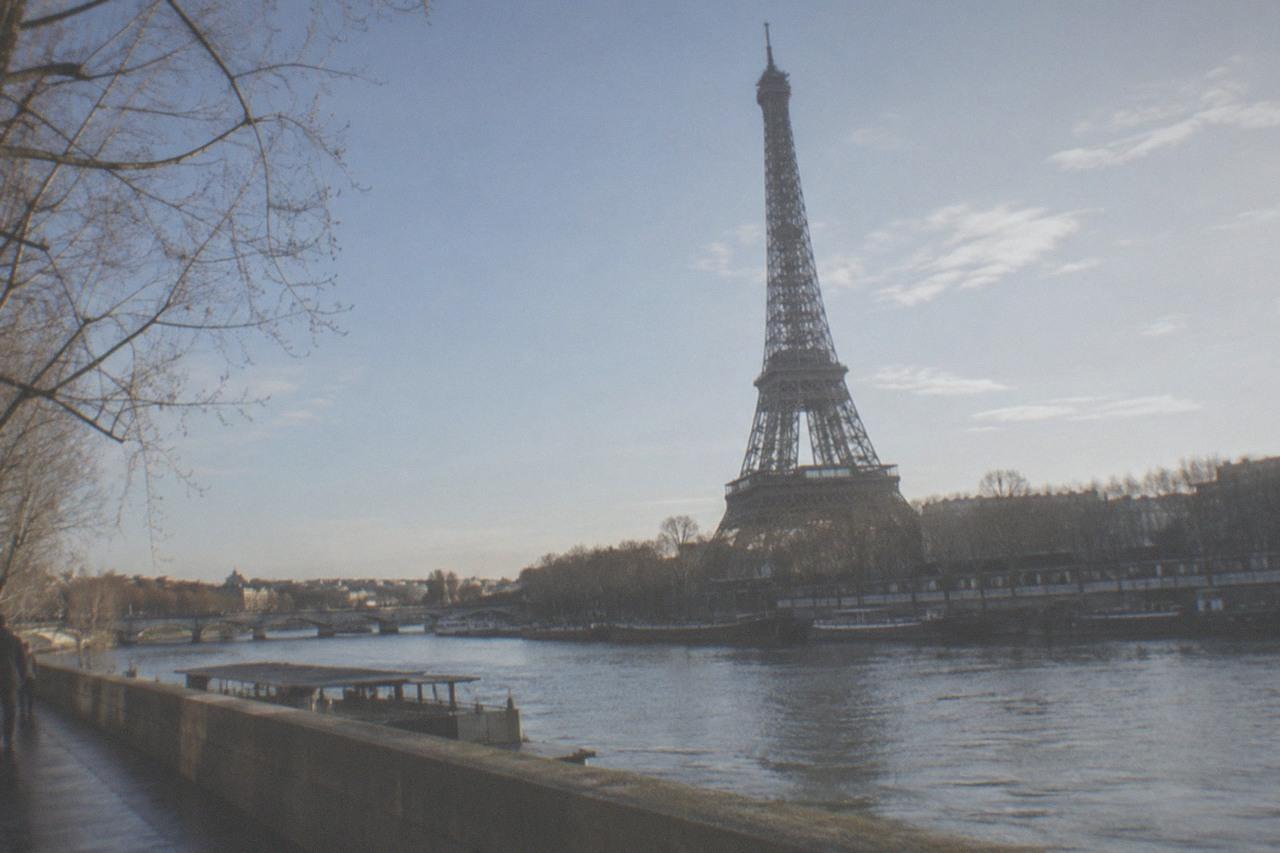
Is It Better To Go To The Second Floor Or The Top Of The Eiffel Tower?
For most visitors the second floor is the better choice: it costs €23.50 by lift against €36.70 for the summit, it holds the famous view of the city itself, and the lines move faster because both staircases and lifts feed it. The summit is worth the extra money and the extra queue when you specifically want the highest point, the small Champagne bar, or the sensation of looking down on the tower itself.
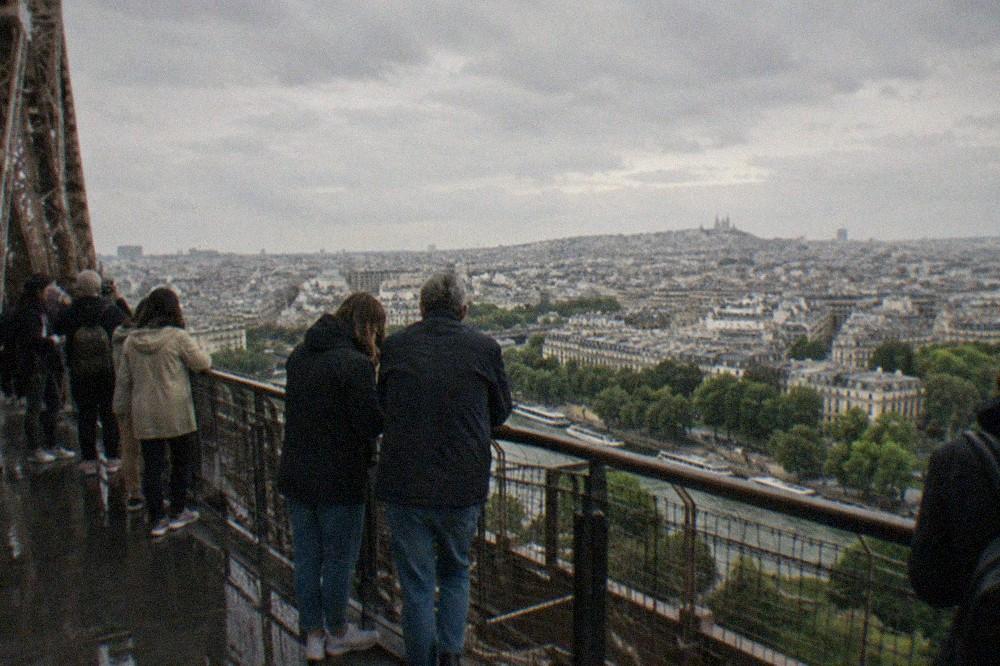
The honest answer starts with a fact most first-time visitors miss: the second floor and the summit give you two genuinely different experiences, not a bigger and smaller version of the same one. From the second floor, Paris fills the frame. The Haussmann rooftops, the river bends, the Arc de Triomphe, Sacré-Coeur on the hill, all of it sits at the distance where the city reads as a city. From the summit, the city flattens into a map and the tower's own ironwork becomes the subject: you look down through the structure, you see the second floor you were standing on ten minutes earlier, and the horizon pushes out to the countryside on a clear day.
Neither view is objectively better. Photographers mostly prefer the second floor for the density of the city. People who want to say they stood at the top of the Eiffel Tower only the summit satisfies. The rest of this page breaks the decision into the things that actually drive it: what each level physically contains, what each ticket costs, how you physically get up, how much time the whole thing eats, and how the tower compares with the other high viewpoints in Paris if you are choosing between attractions rather than between levels.
One thing to settle immediately: there is no bad choice here. The tower carries a 4.2 rating across 649 reviews on the bookable listing, and the critical reviews are almost never about the view. They are about the queues, the crowds and the wind. Those are planning problems, and planning is what the rest of this page is for. You can also skip the on-site ticket window entirely with a timed Eiffel Tower entry ticket, which is the single biggest quality-of-life upgrade available for this visit.
What Each Level Of The Eiffel Tower Actually Shows You
The second floor is the level built for looking at Paris: a wraparound platform in every direction, where the rooftops, the river and the monuments all sit at city-viewing distance. The summit is a much smaller, partly enclosed platform with an outer walkway, where the tower itself, the horizon and the sheer drop become the spectacle. The first floor, often skipped, carries the glass floor and is included in every ticket anyway.
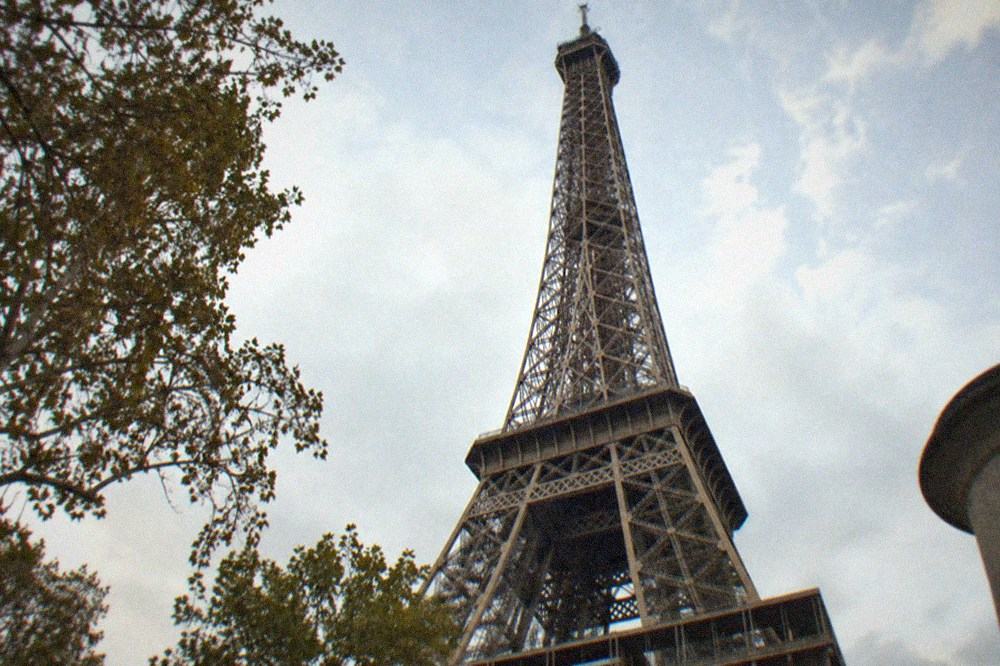
Start with what the second floor gives you, because it is more than most people expect. The platform is wide, it fully circles the tower's leg, and it puts you roughly level with the upper storeys of the grandest Haussmann buildings. The Trocadéro sits directly across the river. The golden dome of Les Invalides reads clearly. The Arc de Triomphe anchors the view up the axis of the Avenue de Camoes, and Sacré-Coeur sits white on Montmartre in the northeast. This is the level where you point at things and name them.
It is also the level with the real infrastructure. The Jules Verne restaurant sits here, and the Michelin-starred counter at the MACON level of the first floor aside, the second floor is where most people eat, take the unavoidable photos, and change levels if they have booked a summit top-up. Because the second floor is the junction point, both the lifts and both staircases land here, which is why it feels busy but also why access to it is never bottlenecked the way the summit is.
The summit is different in kind. You reach it only by a second lift from the second floor, the platform is small, part of it is enclosed behind glass, and the outer walkway is a narrow circuit. Gustave Eiffel's original office reconstruction sits up here, a little staged scene with wax figures of Eiffel and Thomas Edison, and the Champagne bar pours a glass at the highest drinking point in Paris. The view out is magnificent on a clear day, but the city below you is far enough away that individual buildings stop meaning much. What you notice instead is the tower: the latticework sweeping away beneath your feet, the second floor shrinking into the structure, the cables and the antenna directly overhead.
The first floor deserves one sentence of rescue from its reputation as a mere transit stop. The glass floor lets you stand on transparent panels and watch the ground far below, and every ticket, including the cheapest stair ticket, includes it. Visitors who skip straight past it on the way up are leaving the most vertiginous single feature of the tower unseen.
How Much Eiffel Tower Tickets Cost By Level
A lift ticket to the second floor costs €23.50, a lift ticket to the summit costs €36.70, and stairs to the second floor cost €14.80, with a top-up to the summit payable at the second-floor kiosk. Children and visitors with documented disabilities enter at reduced rates, and timed entry is compulsory for every ticket. The gap between the two lift tickets is what you are really deciding on.
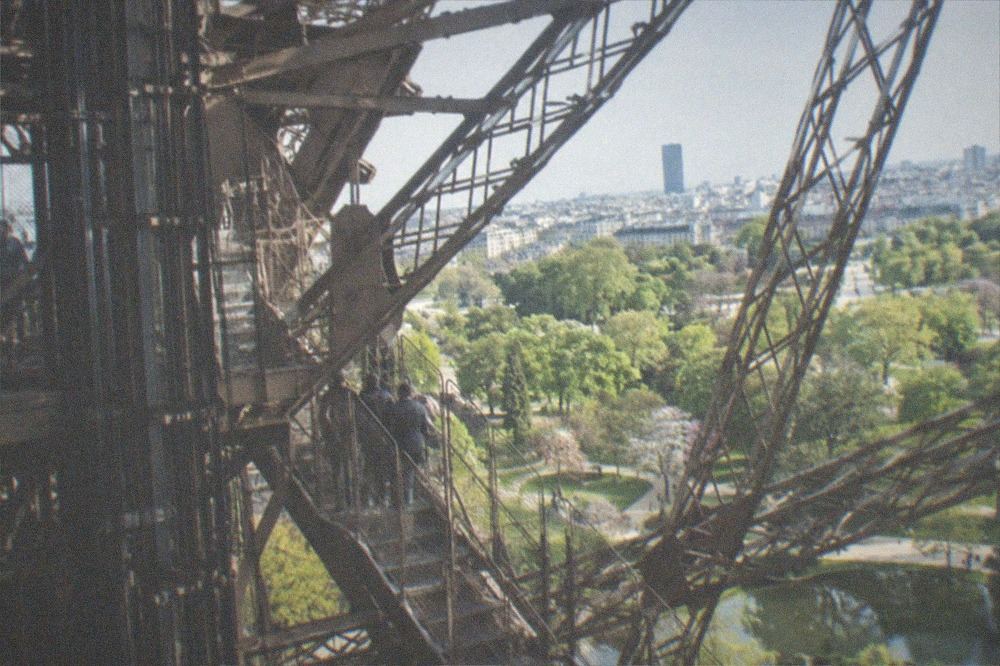
The three headline prices come from the tower's own tariff, and the structure is simple: you pay for how high you go and how you get there. Stairs are the budget route, and stairs only ever take you to the second floor, never higher. The summit is only reachable by lift, in two stages: the main lift to the second floor and the smaller summit lift from there. That two-stage journey is why summit tickets cost more and why summit queues are worse: everyone at the summit has already been through the second floor.
| Ticket | Price | What it covers | How you get there |
|---|---|---|---|
| Stairs to second floor | €14.80 | First and second floor, reached on foot | Stairs only |
| Lift to second floor | €23.50 | First and second floor | Lift |
| Lift to summit | €36.70 | First floor, second floor and summit, top-up included | Lift, both stages |
A few things the table does not show. The stair ticket is one-way up by foot, but the descent is by stairs or by lift depending on how the ticket is issued; check the tariff detail when booking, because descending by lift from the second floor is generally included. The summit top-up for stair climbers is sold at the second floor, subject to the summit lift queue at that moment, which is a real risk in peak season: you can climb for forty minutes and then find a ninety-minute wait for the final lift.
Timed entry is compulsory at every level, which means the ticket you buy is for a slot, not a day. Turning up early does not get you in early. Turning up late can mean losing the slot entirely, which is the single most common way an Eiffel Tower visit goes wrong. Build in the queue for security screening, which exists for every visitor regardless of ticket, before your printed time even starts counting.
For free and reduced entry, the rules are the plain ones: children under four enter free, and the child rate applies up to the age boundary printed on the tower's tariff page. What the tower does not do is hide a secret free day. There is no free Sunday, no free evening, no resident discount worth planning around. The tower's own site at toureiffel.paris carries the live tariff, and that is where a price change will appear first.
Lifts, Stairs, And How The Levels Actually Connect
The tower has two lift pillars running to the second floor and two staircases running to the same level, and the summit is served only by a single small lift from the second floor's inner platform. Stairs stop at the second floor for everyone, with no pedestrian route higher. Your ticket type locks your route before you arrive, so deciding between stairs and lift is part of deciding between levels.
The geometry explains the queues better than any crowd-forecast ever will. Everyone going up by lift, to either level, funnels through the same second-floor lifts. Everyone going to the summit then queues again for a much smaller lift with far less capacity. The second queue is why summit visits stretch: a second-floor visit at a busy hour might cost you one long wait, while a summit visit costs you the same wait plus a second one on top, and the second wait is spent standing on a crowded platform rather than moving. The wider set of guides lives on Paris Museums.
Stairs change the arithmetic completely. The stair climb to the second floor is a long one, which a person of average fitness manages in fifteen to thirty minutes with pauses, and the stair queue is usually a fraction of the lift queue. Climbers also see the tower's structure at eye level the whole way up, through the girders and the rivets, which is an experience lift passengers never get. The trade-off is your knees on the descent, or a lift down, and the fact that no stair route exists above the second floor.
If you want both the climb and the summit, the standard play is the stair ticket to the second floor plus the top-up. That combination is the cheapest full-height visit on offer and gives you the ironwork on the way up. The one caveat bears repeating: the top-up is sold at the kiosk on the second floor, and if the summit lift is slammed when you get there, you wait with everyone else. In July and August that risk is real in the middle of the day and small before 9:30am.
The wind belongs in this section too, because it shapes the upper route. The summit's outer walkway is exposed, and the tower's own operations sometimes close the very top in genuinely high winds, moving summit visitors back down to the second floor with the price difference refunded. It is not common, but if the forecast shows a storm, the second floor is the safer ticket to hold. Booking a summit slot on a day of 60 km/h gusts is a bet, not a plan.
How Long The Visit Takes At Each Level
A second-floor visit by lift takes about ninety minutes at a calm hour, and two to three hours in peak season because of the queues before the platform. A summit visit adds the second lift queue, typically another thirty to sixty minutes, plus fifteen to twenty minutes at the top. A stair climb to the second floor with time on the platform runs about two hours. Book the last slot of the evening for the tower lit up.
Time at the tower is queue time plus platform time, and the queue part varies enormously by hour and season. The tower publishes live queue indicators on its own site, and the pattern behind them is stable year after year: the first lifts of the morning and the slots after 8pm are the calm ones, mid-afternoon is the worst, and weekends in summer stretch every wait. A timed ticket does not abolish the queues, it only fixes when you join them.
Platform time is shorter than people expect. The second floor rewards twenty to thirty unhurried minutes, one circuit of the walkway per side, photos, a drink if the terraces are open. The summit rewards ten to twenty: the platform is small, the circuit is quick, and after one full loop and the Champagne bar most people are ready to descend. What stretches visits is the photography at golden hour, and that is the one genuinely good argument for an evening slot: the tower's lights come on at sunset and sparkle for five minutes at the start of each hour after dark, and watching that from the second floor rather than the ground is the tower's best single experience.
Families should budget on the long side. The security screening line, the bathroom queue on the second floor, the macaron stand, the inevitable debate about the top-up: with children, a second-floor visit is closer to three hours in season. The stair climb with children old enough to manage it is actually time-efficient, since the stair queue is short and the climb itself is the entertainment, but do the arithmetic on the long climb against small legs before committing.
The comparison that puts the time cost in perspective: Sainte-Chapelle, a short walk across the river, is a fifteen-minute interior visit at Sainte-Chapelle, and the Arc de Triomphe's rooftop needs roughly an hour including the climb. If your Paris day is dense, the second floor of the tower at a calm hour is the efficient high view; the summit is the luxurious one. Our Eiffel Tower ticket price breakdown goes deeper on the timing patterns by season.
Second Floor Or Summit: The View Comparison
The second floor gives the definitive view of Paris as a city, with monuments identifiable and the urban fabric reading clearly in every direction. The summit trades that density for distance and drama: the horizon doubles, the tower's own structure fills the frame downward, and the city becomes an abstract pattern. In poor visibility the summit loses more than the second floor, because haze erases distance before it erases detail.
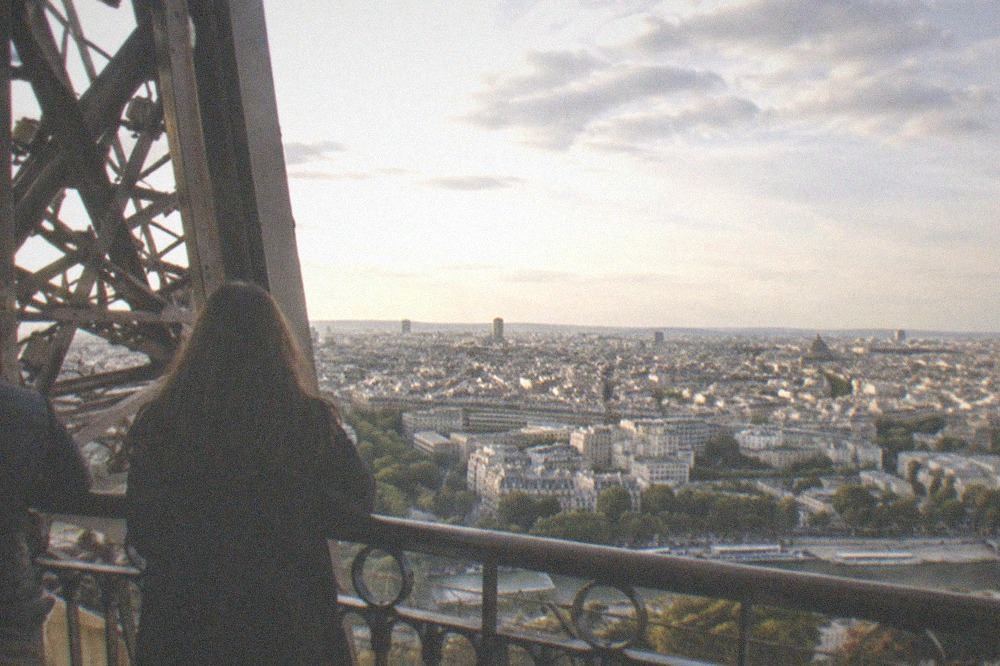
Here is the practical framing. If you are in Paris for a short trip and will go up one thing, the second floor is the defensible pick: it is the postcard, it is cheaper, and its queues are shorter. If the tower is the centrepiece of the trip, or this is a once-in-a-lifetime visit, or you have already stood on the second floor on a previous trip, the summit is the upgrade that changes the memory. The price difference between the two lift tickets is real money for a family of four, and it is nothing against the cost of a Paris trip taken as a whole.
Weather deserves the final word because it is the most underused decision input. On a grey day, the summit's extra height mostly buys you a better look at cloud. On a genuinely clear day, which in Paris means after rain or in the crisp weeks of late autumn, the summit's long view opens up all the way to the countryside and the second floor's advantage narrows. Check the visibility, not just the rain. A summit ticket on a clear evening in October is about as good as this city gets.
One honest note on the comparison reviews: the tower's own listing carries a 4.2 rating across 649 reviews, and reviewers who complain are complaining about waits and crowding far more than about the view from either level. The level choice matters less than the slot choice. A second-floor ticket at 8:30am beats a summit ticket at 3pm in July, every time, on every measure except the bragging rights.
The Tower Versus The Other High Views In Paris
The Eiffel Tower's second floor competes directly with the Arc de Triomphe rooftop at €22 and the Montparnasse Tower observation deck, both of which give you a city view that includes the Eiffel Tower itself. The summit has no direct competitor, because no other public platform in Paris sits inside the thing you came to see. If your goal is to photograph the Eiffel Tower, you should not be on it at all.
The Arc de Triomphe is the standard alternative and the standard is worth taking seriously. From its rooftop you look straight down the Champs-Élysées at the tower framed by the city, you see the twelve avenues radiate from beneath you, and the ticket is €22, cheaper than either Eiffel level. The trade is fair: the Arc gives you the Eiffel Tower in your photograph, the Eiffel Tower gives you everything except itself. Visitors who want the iconic shot of the tower usually end up happier standing on the Arc or on the Trocadéro across the river than standing inside the ironwork. Our Arc de Triomphe climb comparison runs that decision in full.
The Montparnasse Tower plays the same card from the south, and its viewing floor is enclosed and weatherproof, which makes it the rainy-day fallback. But the Eiffel Tower's unique selling point is not the altitude; it is that the viewing platform is part of the monument. That is what the summit monetises better than anything: you are not looking at the tower from elsewhere, you are at the tip of it. No competitor can sell that, which is why the summit's €36.70 holds despite cheaper views with better cameras existing elsewhere.
For a wider Paris trip, the tower sits naturally in a west-centre day with the Arc and the Invalides dome, or in a monuments cluster with Versailles when you are willing to leave the city: the Palace of Versailles costs €35 in high season from 1 April to 31 October and is a full day out rather than an hour aloft. This site's own best museums in Paris guide covers what to do with the ground-level hours between ascents.
A final planning note that saves people money every week: the Paris Museum Pass does not cover the Eiffel Tower, at any level, in any version. The pass site's own list at parismuseumpass.fr prices its tiers at €85 for 2 days, €105 for 4 days and €125 for 6 days, and the tower is on the exclusion side of that ledger along with the Catacombes and the Opera Garnier. Anyone buying a pass hoping it lifts them up the tower should reallocate that money to a timed tower ticket instead, which is the product that actually solves the tower's real problem, the queue.
Common Questions About Eiffel Tower Levels
Is It Better To Go To The Second Floor Or The Top Of The Eiffel Tower?
For most visitors the second floor: it is cheaper at €23.50 against €36.70, the queues are shorter, and the view of Paris itself is denser and more photogenic. Choose the summit if being at the very top matters to you or if visibility is excellent that day.
Can You Climb The Eiffel Tower On Foot To The Top?
No. The staircases stop at the second floor. The summit is only reachable by the small lift from the second floor, and stair climbers can buy a top-up ticket at the second-floor kiosk to use it.
How Much Does It Cost To Go To The Very Top Of The Eiffel Tower?
€36.70 for an adult lift ticket to the summit. Stairs to the second floor cost €14.80 and a lift to the second floor costs €23.50, with the second floor itself included in every ticket along with the first floor.
How Much Time Should You Allow For A Summit Visit?
About two to three hours in season, counting the security screening line, the main lift queue, the second-floor stop and the smaller summit lift queue, plus ten to twenty minutes on the summit platform itself. At a calm morning hour, ninety minutes is realistic.
Which Eiffel Tower Level Is Better For Photos Of Paris?
The second floor. The monuments and rooftops are close enough to read clearly, and the platform is wider, so you can shoot in every direction without glass in the way. The summit platform is smaller and partly enclosed.
Is The Second Floor Of The Eiffel Tower Worth It If You Skip The Top?
Yes. The second floor is the level the tower is famous for, with the wraparound city view at rooftop distance, the restaurants and the full platform circuit. Many visitors who buy summit tickets spend most of their time on the second floor anyway.
Is The Eiffel Tower Included In The Paris Museum Pass?
No, and it never has been. The tower is on the pass exclusion list along with the Catacombes and the Opera Garnier. A timed tower ticket is the only product that covers going up.